
Tips & Tricks
Making Friends While Traveling: How to Build Real Connections, Not Just Acquaintances
Making friends while traveling is easier than you think. Discover the best places to meet people, how to start real conversations, connect with locals, and keep those friendships alive long after the trip ends.

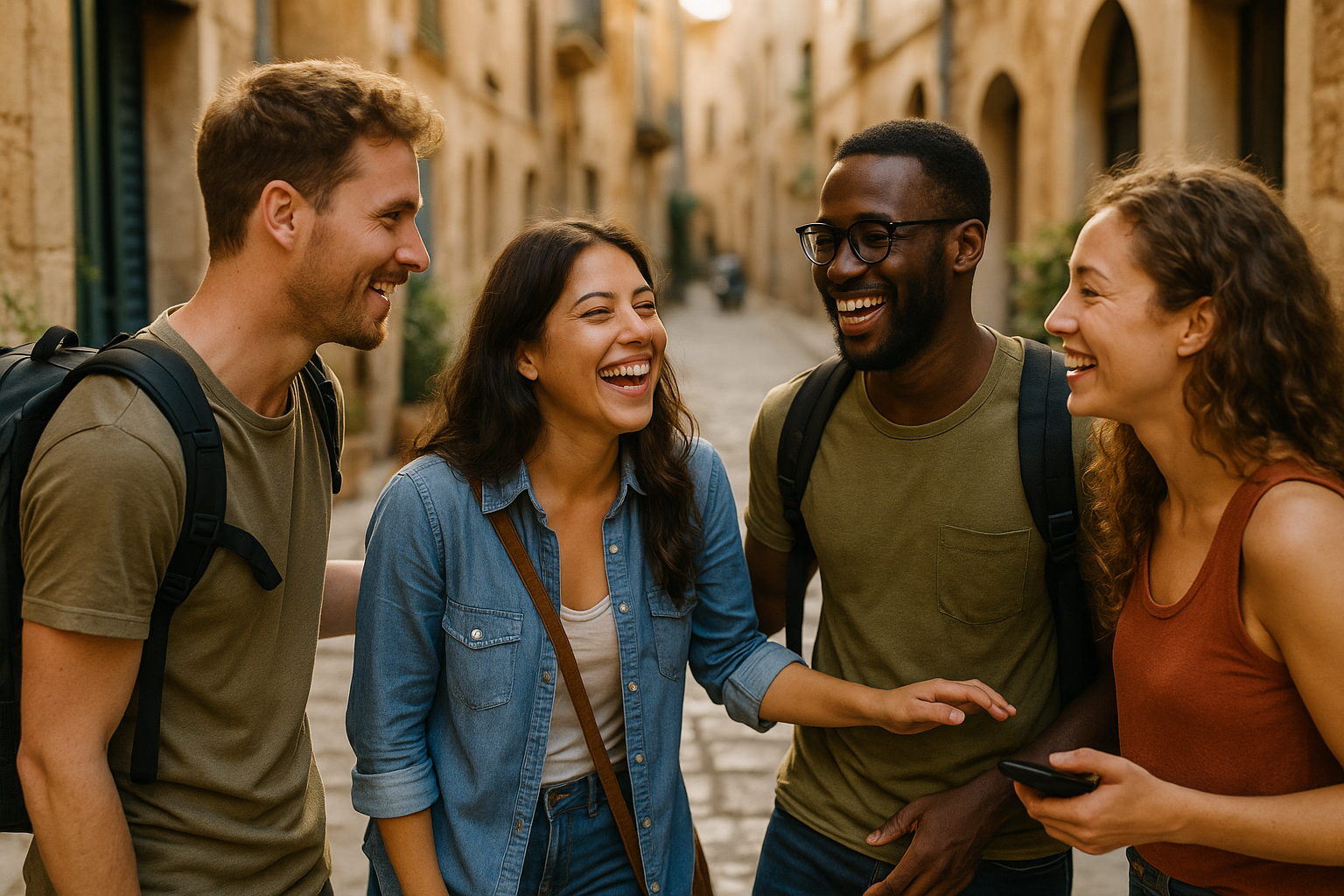
Making Friends While Traveling: How to Build Real Connections on the Road
Making friends while traveling is one of the most rewarding — and most underestimated — parts of any journey. You can plan the perfect itinerary, book the most scenic routes, and visit every landmark on your list, and still feel like something’s missing. That something is usually people. The stranger you shared a meal with in Lisbon. The group you hiked with at sunrise in Colombia. The solo traveler you met at a hostel bar in Bangkok who somehow became one of your closest friends. These connections are what turn a trip into a story worth telling.
But making genuine friends on the road isn’t automatic. It takes a bit of intention, a willingness to be open, and knowing where to actually look. Whether you’re heading out solo for the first time or you’re a seasoned traveler who wants to go deeper than surface-level chat, this guide covers everything you need to know about making friends while traveling — from starting that first conversation to keeping those friendships alive long after you’ve both moved on.
Why Travel Friendships Feel So Different
There’s a reason travel friendships can feel deeper than ones built over years at home. Psychologists and sociologists point to two key ingredients: proximity and shared novelty. When you’re thrown into an unfamiliar environment with other people who are equally out of their comfort zones, the walls come down faster than usual.
Think about it. At home, you might know a colleague for three years without ever having a real conversation. On the road, you can meet someone at breakfast and feel like you’ve known them for a decade by dinner. That’s not magic — it’s the combination of time, shared experience, and the fact that you’re both a little vulnerable in a new place.
Shared vulnerability is a powerful bonding catalyst. When you’re navigating a confusing metro system together, surviving a rainstorm on a hiking trail, or laughing about a hostel that looked nothing like its photos, you’re creating the kind of memories that stick. These aren’t manufactured team-building exercises. They’re real moments, and they matter.
That said, proximity alone doesn’t guarantee depth. Many travel friendships stay at the surface — logistics talk, destination recommendations, the occasional Instagram follow. The ones that last are the ones where at least one person decides to go a little deeper.
The Best Places for Making Friends While Traveling
Knowing where to look is half the battle. Some environments are naturally built for connection — others make it surprisingly hard. Here’s where to focus your energy.
Hostels: Still the Gold Standard
If you haven’t stayed in a hostel yet, you’re missing one of travel’s best social inventions. A good hostel isn’t just cheap accommodation — it’s a built-in community. Common rooms, shared kitchens, communal dinners, and organized events create the perfect environment for meeting people without any awkward effort on your part.
The key is choosing the right one. Look for hostels with active social spaces and organized activities — pub crawls, walking tours, cooking nights, or rooftop hangouts. Websites like Hostelworld include guest reviews that often mention the social atmosphere, so read those carefully before booking.
Once you’re there, resist the urge to retreat to your bunk with headphones in. Sit in the common room. Ask someone where they’ve just come from. Offer to share whatever you’re cooking. The conversations almost always start themselves.
Activity-Based Groups
Shared activities are probably the most underrated way to meet people while traveling. When you’re focused on doing something together — whether it’s a cooking class, a surf lesson, a language exchange, or a group hike — the social pressure disappears. You’re not trying to make friends; you’re just doing something you enjoy, and the connections happen naturally.
Look for local experiences rather than tourist-packaged ones. A cooking class run by a local family in Vietnam, a community football game in Argentina, a sunrise yoga session in Bali — these put you in contact with both other travelers and actual locals, which is where things get genuinely interesting.
Digital Platforms Before and During Travel
Don’t wait until you arrive to start building connections. Platforms like Meetup let you find local events and interest-based groups in almost any city in the world. Whether you’re into hiking, photography, language learning, or board games, there’s likely a group meeting near you.
Facebook travel groups for specific destinations are also surprisingly useful. Search for groups like “Expats in Berlin” or “Backpackers in Southeast Asia” and you’ll find people asking the same questions you are, planning similar routes, and often looking for travel companions. Couchsurfing’s meetup events — separate from the hosting function — bring together locals and travelers in informal settings that feel far more authentic than a guided tour.
Volunteer and Work-Exchange Programs
If you have more time, volunteering is one of the most powerful ways to build meaningful connections while traveling. When you’re working alongside people toward a shared goal — building homes, teaching English, supporting conservation efforts — you form bonds that go far beyond typical travel friendships.
Work-exchange platforms like Worldpackers or Workaway place you in local communities where you contribute a few hours of work per day in exchange for accommodation. You live alongside hosts and fellow volunteers, share meals, and become part of a place rather than just passing through it. The friendships that come out of these experiences tend to be the ones people talk about years later.
Local Neighborhoods Over Tourist Zones
This one sounds obvious, but it’s worth saying: the tourist district is not where you’ll meet real people. The further you wander from the main square and the closer you get to where locals actually live — the markets, the neighborhood cafés, the parks on a Sunday afternoon — the more authentic your interactions become.
Learn a few words in the local language. Eat where there’s no English menu. Ask your hostel staff where they go on weekends. These small choices signal that you’re curious and respectful, and people respond to that in a way they never do to someone just ticking off sights.
Long-Distance Travel: Buses, Trains, and Overnight Journeys
Some of the best conversations happen when you’re going somewhere, not when you’ve arrived. A long overnight train, a slow ferry crossing, or a shared minibus through the mountains puts you next to strangers with nothing but time. There’s no agenda, no rush — just the road ahead and a person beside you who’s probably just as open to talking as you are.
👉 Read also: Finding Your People Abroad: How to Build Genuine Friendships While Traveling
Don’t sleep through these moments by default. Look up from your screen. Notice who’s sitting nearby. A simple comment about the scenery or the journey is often all it takes to kick off a conversation that lasts the whole ride — and sometimes well beyond it.
How to Start a Conversation With a Stranger (Without It Being Awkward)
One of the biggest barriers to making friends while traveling isn’t opportunity — it’s that first moment of actually saying something. Here’s the truth: it’s almost never as awkward as you think it will be.
Start with context. A simple observation about your shared situation is all you need. “Have you been here long?” at a hostel. “Is this your first time doing this route?” on a hike. “Do you know if this place is any good?” outside a restaurant. You’re not performing — you’re just acknowledging the person in front of you.
Ask open questions rather than yes/no ones. “Where are you headed next?” opens a conversation. “Are you enjoying the trip?” closes it. The more room you give someone to talk, the more likely they are to keep going — and to want to hear from you in return.
Don’t overthink it. Most solo travelers and backpackers are quietly hoping someone will talk to them first. You might be doing them a favor.
Going Deeper: From Small Talk to Real Friendship
Here’s where most travel friendships stall. You meet someone great, you spend a day or two together, and then you both move on with a vague “let’s stay in touch.” Sound familiar?
The difference between an acquaintance and an actual friend is depth. And depth requires moving beyond the usual travel script: where are you from, where have you been, where are you going next. Those questions are fine as openers, but they’re not enough.
Ask about the things that matter to someone. What made them decide to travel? What’s been the hardest part? What are they hoping to figure out? These questions invite honesty, and honesty is where real connection lives. You don’t have to get heavy or philosophical — just be genuinely curious about the person in front of you, not just their travel itinerary.
Authenticity matters too. Share something real about yourself. Talk about what you’re nervous about, what surprised you, what you got wrong. People connect with vulnerability far more than they connect with a highlight reel. The traveler who admits they cried on their first solo night is far more interesting — and relatable — than the one who claims everything has been perfect.
Invest quality time, even when time is short. Suggest a second activity together. Stay for another coffee. Take the scenic walk instead of the shortcut. Some of the best travel friendships were built in 48 hours because both people chose to make those hours count.
Making Friends as a Solo Traveler vs. Traveling in a Group
The dynamics of making friends on the road shift depending on how you’re traveling — and it’s worth knowing the difference.
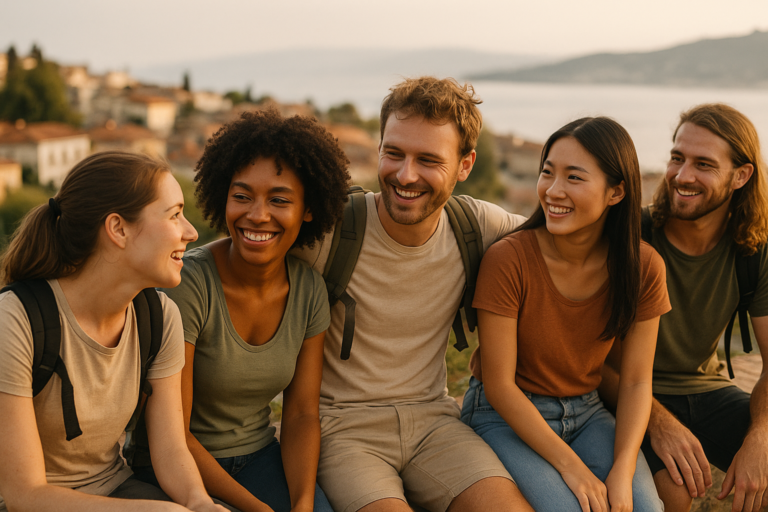
Solo travelers have a natural advantage when it comes to meeting people. You’re more approachable, more available, and more likely to say yes to spontaneous invitations. There’s no group to retreat into, which means you’re almost forced to engage with the world around you. That can feel uncomfortable at first, but it’s also where the most unexpected connections happen.
Traveling with friends or a partner is wonderful, but it can create an invisible barrier. When you already have company, it’s easy to stay inside your bubble and miss the people around you. If you’re traveling with others and want to meet new people, make a conscious effort to open up your group — invite someone to join you for dinner, say yes when a stranger suggests something, and resist the pull to spend every moment as a closed unit.
Either way, the intention matters more than the circumstance. People who want to connect find ways to do it, regardless of how they’re traveling.
How to Make Friends With Locals, Not Just Other Travelers
Meeting fellow travelers is great. Meeting locals is something else entirely. When a local invites you into their world — their neighborhood, their kitchen, their Friday night — you get a version of a place that no guidebook can give you.
The key is showing genuine curiosity without being intrusive. Learn a few phrases in the local language — even a clumsy attempt signals respect and usually gets a warm response. Frequent the same café two or three days in a row. Shop at the local market instead of the tourist stall. Attend a community event, a local sports match, or a neighborhood festival.
Language exchange meetups are one of the most underrated tools for connecting with locals. You help someone practice their English; they help you with theirs. The conversation is built in, the dynamic is equal, and it often leads somewhere genuinely interesting. Apps like Tandem or HelloTalk can help you set these up before you even arrive.
Cross-cultural friendships take a little more patience and a lot more listening. But they tend to be the experiences that reshape how you see the world — long after you’ve come home.
Staying Connected After You Leave
Making friends while traveling is one thing — keeping those friendships alive across time zones and continents is another challenge entirely.
👉 Read also: Travel Friendships: Why Connections Made on the Road Last Forever
Be realistic. Not every person you click with on the road will become a lifelong friend, and that’s okay. Some connections are beautiful precisely because they’re tied to a specific moment and place. But for the ones that feel like they could be something more, you need to be intentional.
Exchange details before you part ways — not just an Instagram handle, but a way to actually have a conversation. WhatsApp, Telegram, or even old-fashioned email all work. The medium matters less than the habit of actually using it.
Don’t just send a “great meeting you!” message and disappear. Send them something specific — a photo from a place you visited together, an article about something you talked about, a recommendation for a destination they mentioned wanting to visit. Specific, thoughtful contact keeps a friendship alive in a way that generic check-ins never do.
Plan a reunion when you can. Even a tentative “I’ll be in your part of the world next year” gives a friendship something to look forward to. Some of the most unexpected adventures come from following up on those loose plans.
And accept that some friendships will fade despite your best efforts. Distance is real, life gets busy, and people change. That doesn’t mean the connection wasn’t genuine. It just means you both needed something different at different times — and that’s a perfectly human thing.
The Psychology of Belonging on the Road
Solo travel can be lonely. That’s not a failure — it’s just honest. There are moments, usually around dinnertime or when something goes wrong, when you feel the absence of familiar people acutely. Acknowledging that loneliness, rather than pretending it doesn’t exist, is actually the first step toward doing something about it.
Researchers who study travel sociology describe what’s sometimes called the “traveler’s bubble” — the heightened sense of openness and connection that comes from being removed from your normal social environment. Inside that bubble, people are more willing to talk to strangers, more open about their lives, and more receptive to new relationships. It’s a genuine psychological shift, not just a travel cliché.
That bubble is a gift. Use it. Talk to the person next to you on the bus. Accept the invitation to join a group for dinner. Say yes to things that would feel slightly awkward at home. The discomfort lasts about thirty seconds. The friendship can last much longer.
It’s also worth distinguishing between cultural exchange and genuine friendship. Talking to a local doesn’t automatically mean you’re forming a deep bond — sometimes it’s a transaction, sometimes it’s curiosity, and that’s fine. But when the conversation goes somewhere unexpected, when you find yourself genuinely interested in someone’s life and they in yours, that’s worth pursuing. Those cross-cultural friendships tend to be some of the most perspective-shifting experiences travel has to offer.
Practical Tips for Making Friends While Traveling
- Book social accommodation. Hostels, guesthouses with common areas, and co-living spaces put you in natural contact with other travelers from day one.
- Join one organized activity per destination. It doesn’t have to be a big group tour — a local walking tour, a cooking class, or a day hike is enough to meet people with similar interests.
- Use apps intentionally. Meetup, Couchsurfing events, and local Facebook groups can connect you with people before you even land.
- Say yes more than you say no. When someone invites you to join them for something, default to yes unless you have a good reason not to.
- Put your phone away during conversations. Nothing signals genuine interest like actually being present. People notice, and they appreciate it.
- Be the one who suggests the next thing. Don’t wait for someone else to take the initiative. “Want to grab food later?” is all it takes.
- Follow up quickly after meeting someone. Send a message the same day while the connection is fresh. Waiting too long makes it feel awkward to reach out.
- Travel slower when you can. Spending more time in fewer places gives friendships a chance to develop beyond a single conversation.
- Try a language exchange. Apps like Tandem or HelloTalk connect you with locals who want to practice conversation — and often become genuine friends in the process.
- Eat at communal tables. Many restaurants and cafés around the world use shared seating. Sit down, look up, and let the conversation find you.
The Connections That Change You
The most transformative travel experiences almost always involve other people. A local who showed you a side of their city you never would have found alone. A fellow traveler who challenged how you saw the world. A community that welcomed you in despite the language barrier and the cultural distance.
These aren’t just nice memories. They’re the kind of experiences that quietly reshape how you think, what you value, and how you move through the world when you get home. Making friends while traveling isn’t a side effect of a good trip — for many people, it’s the whole point.
You don’t need to be the most outgoing person in the room. You don’t need to have a perfectly curated travel personality. You just need to show up, be curious, and be willing to let people in. The world is full of interesting humans doing exactly the same thing you are — trying to connect, trying to understand, trying to find their place in a very big, very beautiful world. Go find them.
Frequently Asked Questions
Is it hard to make friends while traveling solo?
It can feel daunting at first, but solo travelers are actually in the best position to meet people. You’re more approachable and more open to spontaneous plans. Stay in social accommodation, join group activities, and don’t be afraid to start a conversation — most people on the road are hoping someone will do exactly that.
What are the best apps for meeting people while traveling?
Meetup is great for finding interest-based events in cities around the world. Couchsurfing hosts regular meetups that bring locals and travelers together. Facebook groups for specific destinations are also genuinely useful for finding travel companions or local recommendations before you arrive. For connecting with locals specifically, Tandem and HelloTalk are worth exploring.
How do you make friends with locals while traveling?
Show genuine curiosity and respect. Learn a few words of the local language, eat where locals eat, and attend community events rather than tourist-facing ones. Language exchange meetups are one of the most effective — and most underrated — ways to build real cross-cultural friendships on the road.
How do you keep in touch with friends you meet traveling?
Exchange contact details before you part ways — WhatsApp or Telegram work well across borders. Follow up the same day with something specific rather than a generic message. Share a photo, send an article, or reference something you talked about. Small, thoughtful gestures go a long way toward keeping a travel friendship alive.
Can you make real, lasting friendships while traveling?
Absolutely. The intensity of shared travel experiences — navigating new places, stepping outside your comfort zone, being a little vulnerable together — creates the conditions for genuine connection surprisingly quickly. Some travel friendships fade with distance, but many last for years. The ones that do are usually the ones where both people chose to invest in them.
What if you’re introverted — can you still make friends while traveling?
Yes, and you might be better at it than you think. Introverts tend to ask thoughtful questions and listen well — two qualities that people genuinely value in a conversation. You don’t need to be the loudest person in the hostel common room. One real conversation beats ten surface-level ones every time. Choose activity-based settings where the shared focus takes the pressure off, and let things unfold naturally from there.
How long does it take to make friends while traveling?
Faster than you’d expect. The combination of shared novelty, proximity, and mutual openness means that travel friendships can form in hours rather than months. A single afternoon exploring a city together, a long dinner, or an overnight journey can be enough to build a genuine connection — as long as both people are present and willing to go beyond small talk.
This article was produced with AI assistance and reviewed editorially.


Planning Your First Solo Trip: A Step-by-Step Blueprint for Unforgettable Travel

Teaching English Abroad in 2026: Top Countries, Visa Requirements & Real Salaries


