
Portugal
Madeira in 7 Days: Hiking, Food & Hidden Spots (Written by a Local)
Plan your week in Madeira with this local’s guide to the best hiking routes, authentic restaurants, and hidden viewpoints across 7 days.

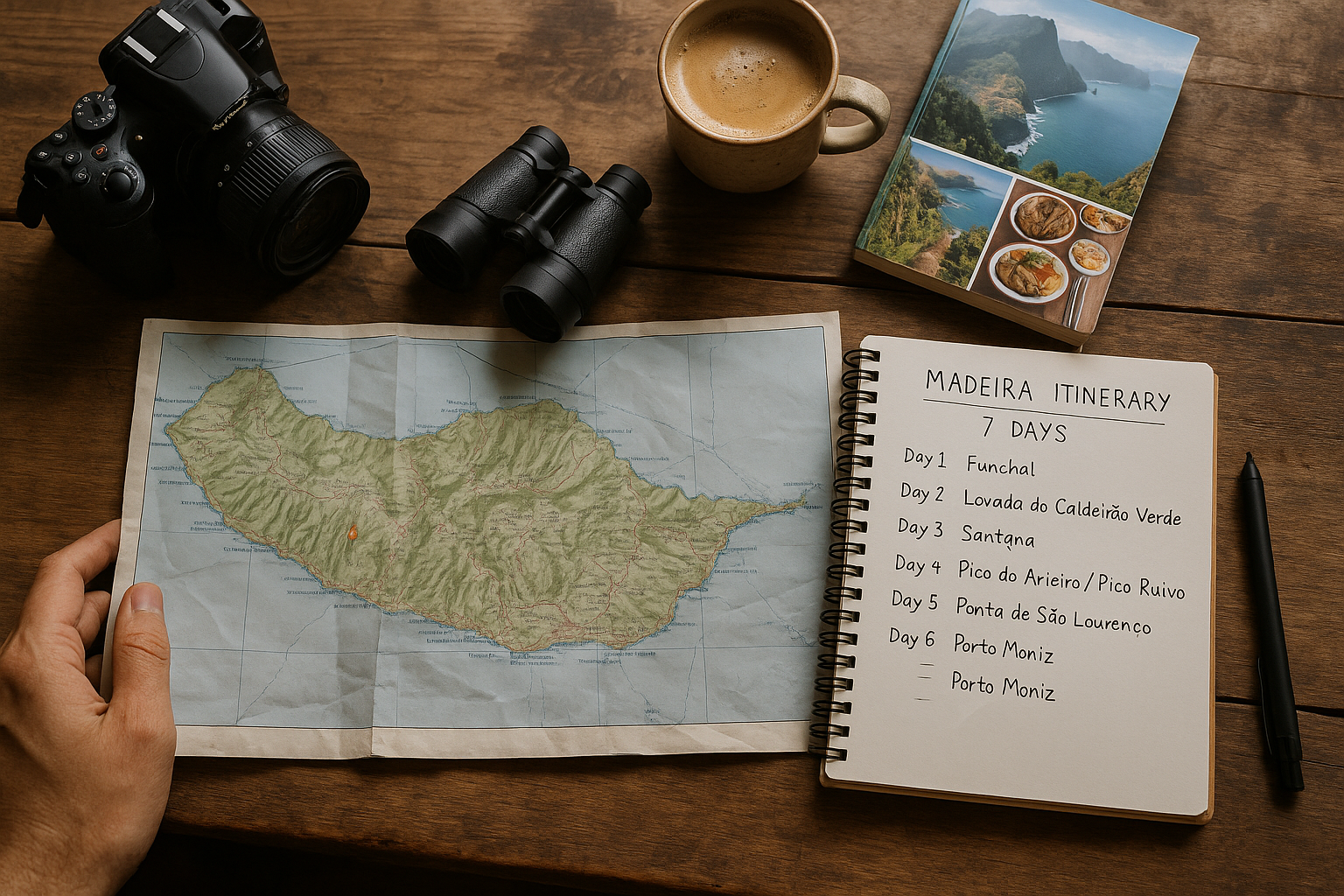
Why Madeira Deserves a Full Week of Your Life
If you’re putting together a Madeira itinerary for 7 days, you’ve already made a smart call. A week is exactly the right amount of time to move through this Atlantic island without feeling rushed — and without leaving with the nagging sense that you missed the best parts. Madeira isn’t a destination you can skim. It rewards slowness, curiosity, and the willingness to take the road that doesn’t appear on the first page of search results.
Madeira is an autonomous region of Portugal, sitting in the Atlantic Ocean roughly 1,000 kilometres from the Portuguese mainland, off the northwest coast of Africa — with Morocco being its closest continental neighbour. It’s part of an archipelago that includes four islands: Madeira itself (the largest and most populated), the beach-focused Porto Santo, and the uninhabited Desertas and Selvagens island groups. But when most travellers talk about Madeira, they mean the main island — a place of dramatic mountain ridges, coastal cliffs, black sand beaches, natural swimming pools, hidden waterfalls, and ancient laurel forests that feel genuinely otherworldly.
Seven days gives you space to hike the highlands, swim in the ocean, eat well, get a little lost, and actually connect with the place rather than just photograph it. Here’s how to spend every one of those days well.
Before You Go: A Few Things Worth Knowing
Getting Around the Island
Madeira has a public bus network that connects most towns and villages, but if you want real freedom — especially for reaching trailheads and viewpoints — renting a car is worth considering. The roads are dramatic (tunnels cut through mountains, and some coastal routes are genuinely steep), but they’re well-maintained and the distances are manageable. If you’d rather not drive, taxis and rideshare apps operate across the island, and organised day tours are widely available for the most popular hiking routes.
Funchal, the island’s capital, is very walkable. For your first day or two, you won’t need anything beyond your own two feet.
When to Visit
Madeira’s climate is famously mild and varied throughout the year. The north and south of the island can feel like completely different weather systems on the same day — the north tends to be greener and cloudier, while the south is sunnier and warmer. Spring and autumn are particularly pleasant for hiking. If you’re planning around guided hiking weeks, operators like Madeira Hiking run scheduled group trips across the year, with departures in late May, June, and October — a useful reference point for timing your visit.
What to Pack
- Layers — temperatures shift dramatically between the coast and the mountains
- Waterproof jacket — even on sunny days, mountain trails can be misty
- Solid hiking boots or trail shoes with grip
- Swimwear — natural pools and ocean platforms are everywhere
- Reusable water bottle — stay hydrated on the trails
- Cash — smaller restaurants and local markets often prefer it
Days 1–2: Arrive, Explore Funchal, and Settle In
Give yourself at least a day and a half in Funchal before you head into the hills. The capital is more interesting than its reputation suggests, and starting slow helps you adjust to island time.
Spend your first morning wandering the Mercado dos Lavradores — the workers’ market in the city centre. It’s the kind of place where you can spend an hour just watching: stalls of tropical fruit, dried herbs, fresh fish, and flowers in colours you don’t quite have names for. Pick up a passion fruit, ask the vendor how to eat it, and let that be your first real conversation on the island.
From there, walk up through the old town. The painted door project along Rua de Santa Maria is worth seeing — local artists have transformed old doorways into small works of art, and the street itself is lined with good places to stop for lunch. Look for restaurants serving espetada (beef skewers cooked over laurel wood) or bolo do caco, the island’s flat bread made with sweet potato and served warm with garlic butter. These are the flavours you’ll keep coming back to.
On your second day, take the cable car up to Monte and walk back down through the botanical garden. The Monte Palace Tropical Garden is genuinely stunning — terraced hillsides, koi ponds, and views over Funchal and the bay below. If you’re feeling spontaneous, try the traditional wicker toboggan ride back down the hill. It’s been a local tradition for well over a century, and it’s exactly as chaotic and fun as it sounds.
Days 3–4: Into the Mountains — Pico do Arieiro and the Levada Trails
Pico do Arieiro
This is one of the most iconic hiking experiences on the island, and it absolutely earns its reputation. Pico do Arieiro sits among the highest peaks on Madeira, and on a clear morning — which you should aim for — the views stretch over a sea of clouds with mountain ridges cutting through like islands above the mist. It’s the kind of landscape that makes you stop mid-sentence.
The trail connecting Pico do Arieiro to Pico Ruivo (the island’s highest point) is one of the most celebrated hikes in the Atlantic. It’s not a casual stroll — expect steep sections, tunnels carved into the rock, and exposed ridge walking — but it’s well-marked and achievable for anyone with reasonable fitness and proper footwear. Start early to avoid the midday heat and the crowds that arrive later in the morning.
If you’re driving, the road up to Pico do Arieiro passes through the centre of the island and gives you a sense of just how dramatically the landscape shifts as you climb. At the top, temperatures can be noticeably cooler than the coast, so bring that extra layer.
Levada Walks
Madeira’s levadas are one of the island’s most distinctive features — a network of irrigation channels built over centuries to carry water from the wet northern mountains to the drier south. The paths that run alongside them have become some of the most popular hiking routes on the island, and for good reason: they’re relatively flat (the channels need to maintain a constant gradient), they pass through extraordinary scenery, and they take you deep into parts of the island that roads simply don’t reach.
The Levada do Caldeirão Verde is a favourite for those who want forest immersion — the trail winds through dense laurel forest, past waterfalls, and through tunnels before reaching a dramatic green caldron-shaped valley. Bring a headlamp for the tunnels. The Levada das 25 Fontes (25 Springs) is another strong choice, leading to a wide waterfall surrounded by moss-covered rocks that looks like something from a fantasy film set.
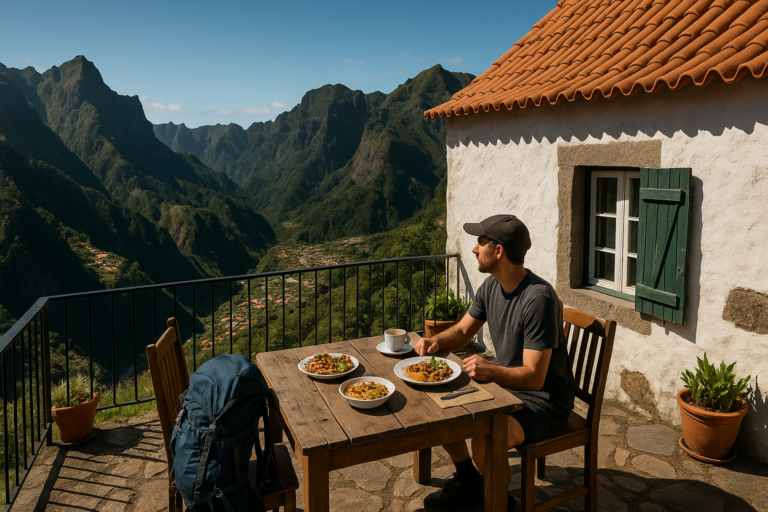
Dedicate a full day to whichever levada trail speaks to you. These walks are rarely rushed, and they shouldn’t be. The point is to move slowly, listen to the water running alongside you, and notice things.
For deeper guidance on trail conditions and route options, Madeira Hiking is a solid resource with detailed information on routes across the island.
Day 5: The East — Ponta de São Lourenço and the Wild Coast
Head east on day five. The eastern tip of Madeira is a completely different landscape from the green interior — arid, wind-sculpted, and dramatic in a way that feels almost North African. The Ponta de São Lourenço peninsula is the island’s easternmost point, and the hike out along its spine is one of the most visually striking walks you’ll do all week.
The trail follows a narrow ridge with the Atlantic dropping away on both sides. The rock formations shift colour as you walk — ochre, rust, grey, and deep red — and the contrast with the deep blue of the ocean below is genuinely arresting. It’s exposed and can be windy, so check the forecast before you go and keep well back from cliff edges. The round trip takes a few hours at a comfortable pace.
On your way back west, stop in the village of Caniçal or Machico for lunch. Machico is one of the island’s oldest settlements and has a relaxed, local feel that’s quite different from the busier tourist areas. Sit somewhere near the seafront, order whatever the daily special is, and take your time.
Day 6: North Coast, Waterfalls, and Hidden Villages
The north coast of Madeira is where the island gets wilder. The road that runs along the northern shore passes through small fishing villages, beneath towering cliffs, and alongside the ocean in a way that’s genuinely spectacular — especially if you’re driving and can stop whenever something catches your eye.
São Vicente is worth a stop: a pretty village at the mouth of a river valley, with whitewashed houses and a small church perched on a rocky outcrop above the sea. From here, you can explore the volcanic caves (formed by ancient lava flows) or simply walk around the village and find somewhere to have lunch.
Further along the coast, Seixal has a black sand beach and a natural swimming pool formed by volcanic rock — one of those spots that’s hard to leave once you’ve settled in. The water is cold and clear, and on a sunny day the contrast between the dark rock, the white foam, and the turquoise water is something you’ll want to photograph about forty times.
The village of Porto Moniz at the island’s northwestern tip has similar natural pools and tends to get more visitors, but it’s still worth seeing. If you want a quieter experience, Seixal is the better call.
End the day by heading back through the mountains via one of the central passes. The drive through the interior at dusk, with the valleys filling with mist and the last light catching the peaks, is one of those travel moments that doesn’t need a filter.
Day 7: Slow Down, Eat Well, and Say Goodbye Properly
Don’t spend your last day rushing to tick off anything you missed. Madeira rewards a slower pace, and your final day should reflect that.
If you haven’t yet made it to one of the island’s natural swimming pools, this is the morning for it. Dip in, dry off in the sun, and let the week settle. If you’re based in Funchal, the lido at the western end of the city is a good option — a large seawater pool complex where locals and visitors share the water without much ceremony.
Spend your last afternoon back in Funchal. Walk the waterfront, pick up some local products to take home — Madeiran wine, local honey, passion fruit jam — and find a spot for a long, unhurried dinner. Traditional Madeiran food is worth one final proper meal: try lapas (limpets grilled with butter and garlic, served on the shell), espada com banana (black scabbardfish with banana, which sounds strange and tastes wonderful), and finish with bolo de mel, the island’s dense, spiced molasses cake.
Sit with it. Have another glass of wine. Let yourself feel a little reluctant to leave — that’s usually the sign of a trip done right.
Practical Tips for Your Madeira Itinerary
- Book accommodation early — Madeira has grown significantly in popularity, and good places in central Funchal or near key hiking areas fill up fast, especially in spring and autumn.
- Start hikes early — trailheads at popular spots like Pico do Arieiro get busy by mid-morning, and starting at dawn means cooler temperatures and better light.
- Respect the levadas — the channels are still functioning infrastructure, not just scenic trails. Stay on the paths and don’t interfere with the water flow.
- Download offline maps — mobile signal can be patchy in the mountains and along remote coastal roads.
- Eat where locals eat — look for restaurants where the menu is handwritten, the portions are generous, and the decor hasn’t been updated since 1998. These are usually the best ones.
- Be flexible — mountain weather can change quickly, and some trails are genuinely dangerous in wet or misty conditions. Have a backup plan for each hiking day.
Making the Most of Seven Days in Madeira
A well-planned Madeira itinerary over 7 days isn’t about cramming in every viewpoint or ticking every trail. It’s about finding a rhythm that lets you actually experience the island — its forests and cliffs, its food and villages, its quiet moments and its dramatic ones. Travel guides across the board suggest that six to seven days is the sweet spot for first-time visitors, and after a week here, you’ll understand why: it’s just enough time to feel like you know the place, and just short enough to leave you wanting to come back.
Madeira is one of those destinations that tends to stay with people. The landscape is unlike anywhere else in Europe. The food is honest and deeply local. The hiking is world-class. And the island has a way of slowing you down — not because there’s nothing to do, but because what’s there is worth doing properly. Plan your week, leave some room for spontaneity, and go find out what the fuss is about. You’ll have your own answer soon enough.
For a broader overview of the island before you travel, the Indie Traveller Madeira guide is a well-rounded starting point with practical context for independent travellers.
This article was produced with AI assistance and reviewed editorially.


Hiking Kamikochi: Your Guide to Japan’s Most Stunning Alpine Adventure

First Time in Japan: What Actually Happens When You Get There


