
North America
Charming College Towns Worth a Detour: Oxford, Chapel Hill & Asheville
Discover charming college towns to visit with vibrant food scenes, local culture, and natural beauty. Explore Chapel Hill, Asheville, and Oxford.

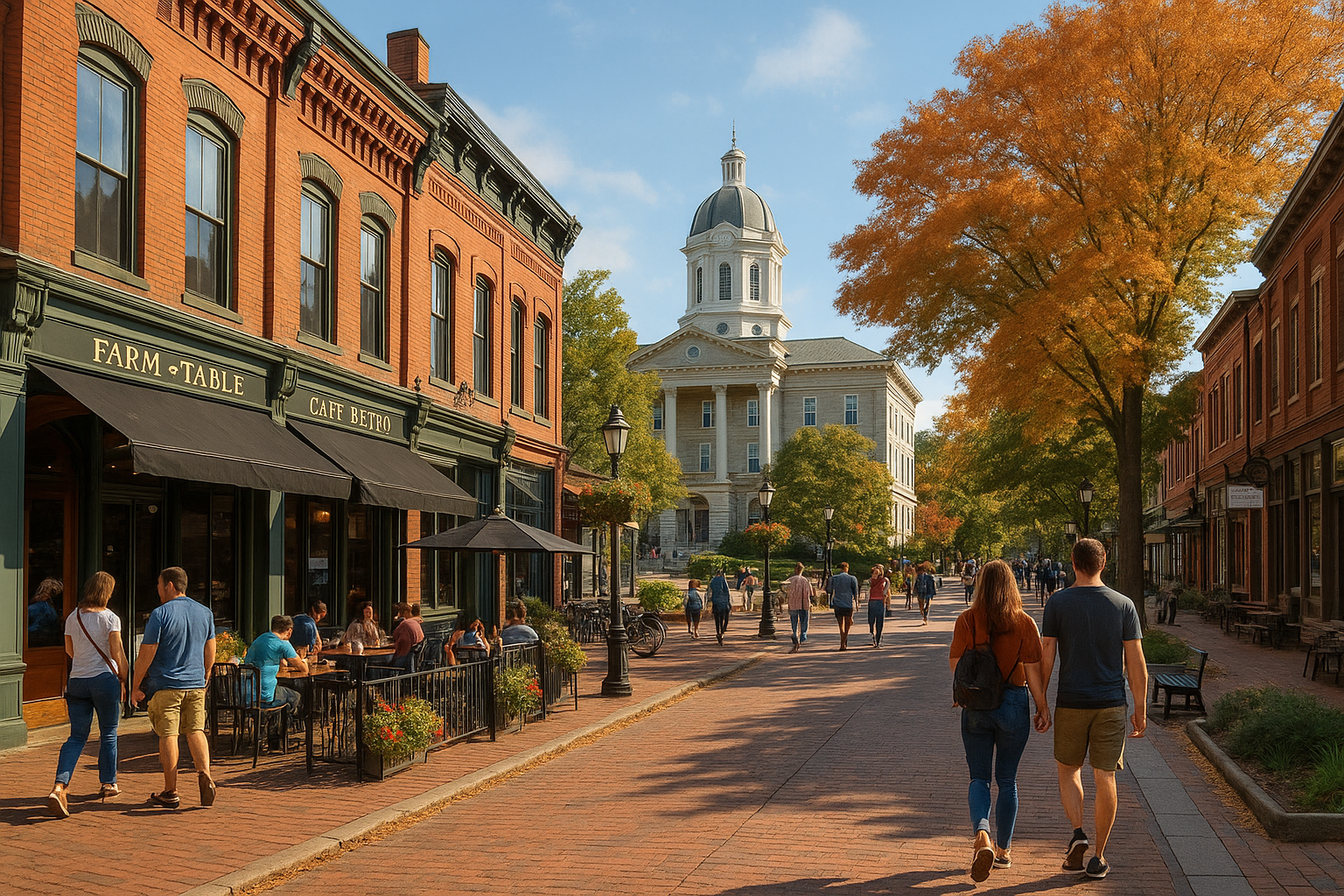
Why College Towns to Visit Should Be at the Top of Your Travel List
If you’ve been scrolling through the same travel feeds and feeling like every destination looks identical, it might be time to rethink where you’re heading. Some of the most genuinely exciting places to explore aren’t the obvious tourist magnets — they’re the college towns to visit that hum with intellectual energy, local pride, creative food scenes, and communities that actually live and breathe culture. Towns like Chapel Hill and Asheville in North Carolina don’t just offer things to do. They offer a feeling. And that feeling is hard to shake once you’ve had it.
This guide digs into what makes these destinations worth a real detour — not just a pin on a map, but a few unhurried days of wandering, eating well, and connecting with places that have genuine character. Whether you’re road-tripping down the East Coast, planning a long weekend, or just looking for somewhere new that won’t feel manufactured, these spots deliver.
Chapel Hill, North Carolina: Where Franklin Street Tells the Whole Story
Chapel Hill is one of those towns that earns its reputation quietly. It’s a university town in North Carolina with a deep sense of identity — shaped by decades of sporting passion, liberal tradition, and a food and music scene that punches well above its size. Walk down Franklin Street, the main drag that runs alongside the university, and you’ll immediately understand why people who visit often end up wanting to stay.
The Energy of a University Town Done Right
There’s a particular kind of energy in a well-established university town. It’s not the frantic buzz of a big city, but it’s not sleepy either. Chapel Hill sits right in that sweet spot. On any given afternoon, you’ll find students debating ideas at outdoor tables, independent bookshops doing brisk business, and coffee shops that feel like they’ve been there forever — because many of them have.
The sporting culture here is serious. Basketball is practically a religion, and the enthusiasm that surrounds game days gives the town a pulse you can feel even if you’re not a fan. Even if sport isn’t your thing, the atmosphere during those periods is something worth experiencing just for the social energy it creates.
Food, Music, and Local Life
Chapel Hill’s food scene reflects the town’s broader character — curious, community-driven, and genuinely good. The area around Chapel Hill and Orange County offers a mix of history, culture, outdoor activities, and local flavors that reward slow exploration. You’re not going to find a lot of chain restaurants dominating the scene here. Instead, you’ll discover locally owned spots that take their ingredients seriously and their menus personally.
The music scene is similarly authentic. Small venues host live acts with real regularity, and the crowd that shows up is genuinely there for the music rather than just the social performance of being seen. It’s the kind of place where you stumble into a show you hadn’t planned on attending and end up staying for the whole set.
Getting Outside in Chapel Hill
Beyond the streets and venues, Chapel Hill and the surrounding Orange County area offer solid outdoor options. Walking trails, green spaces, and easy access to the wider North Carolina landscape mean you can balance a morning of wandering bookshops with an afternoon getting some fresh air. It’s a town that respects the idea of slowing down, which makes it particularly appealing if you’ve been moving fast.
- Spend a morning walking Franklin Street end to end — stop wherever looks interesting
- Find a local coffee shop and actually stay for a while
- Check what’s on at local music venues before you arrive
- Ask locals where they actually eat — the answers will surprise you
- If there’s a game on, find a spot nearby and soak up the atmosphere
For a deeper look at what Chapel Hill has to offer across different interests and travel styles, the official Chapel Hill visitor guide is worth browsing before you go.
Asheville, North Carolina: Mountain Town with a Creative Soul
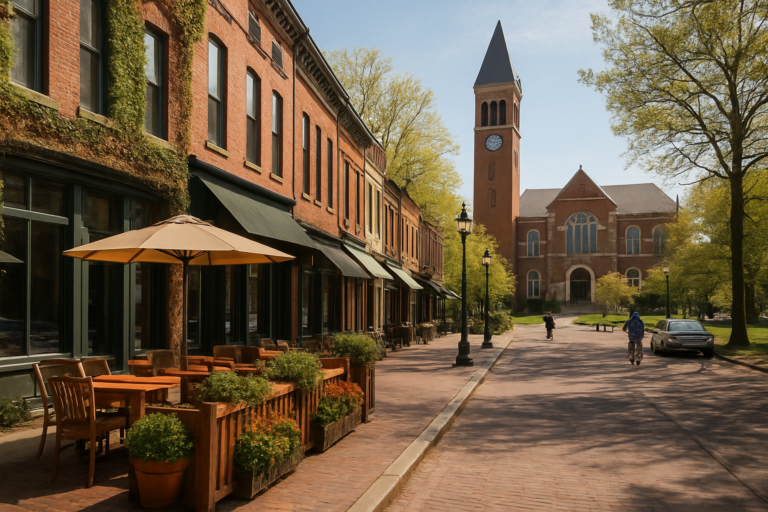
If Chapel Hill is the intellectual heartbeat of North Carolina’s college town scene, Asheville is its artistic, free-spirited cousin — and one of the most compelling college towns to visit anywhere in the American South. Nestled in the Blue Ridge Mountains, Asheville has built a reputation that reaches well beyond its size. It’s known for an eclectic food scene, boutique shops, a thriving brewery culture, and the grand Biltmore estate. But what makes it truly special is harder to describe and easier to feel.
A Food Scene That Takes Itself Seriously
Asheville’s food culture is one of its defining features. The town has developed a genuine identity around eating well — not in a pretentious way, but in a way that reflects real care about ingredients, craft, and community. You’ll find everything from wood-fired spots to creative small plates to international flavors brought in by a genuinely diverse community of chefs and restaurateurs.
The brewery scene deserves its own mention. Asheville has a remarkable concentration of craft breweries for a town its size, and many of them are doing genuinely interesting things. Even if you’re not a beer enthusiast, the spaces themselves — often set in converted industrial buildings or with mountain views — are worth visiting. They function as community hubs as much as drinking establishments.
Boutique Culture and Local Makers
Downtown Asheville rewards the kind of wandering that doesn’t have a fixed agenda. The boutique shops here tend to be genuinely independent — run by local makers, artists, and entrepreneurs who chose Asheville specifically because it’s the kind of place that supports that kind of business. You’ll find handmade ceramics, locally designed clothing, second-hand vinyl, and art galleries showing work by regional artists.
The Biltmore, one of America’s most famous historic estates, sits just outside the downtown core and offers a glimpse into a very different era of American wealth and ambition. It’s the kind of place that’s worth a few hours even if grand historic houses aren’t usually your thing — the scale of it is genuinely hard to comprehend until you’re standing in front of it.
The Blue Ridge Mountains Are Right There
One of Asheville’s greatest advantages is its position as a gateway to the Blue Ridge Mountains and the charming small mountain towns of Western North Carolina. The Blue Ridge Parkway — one of the most scenic drives in the entire country — is easily accessible from Asheville and offers views that shift with the seasons in ways that are genuinely worth planning around.
In autumn, the mountain foliage turns the surrounding landscape into something almost unreal. In summer, the elevation keeps temperatures cooler than the surrounding lowlands. In spring, wildflowers cover the hillsides. There’s no bad time to make the drive, but there’s always a reason to time your visit with what the mountains are doing.
- Drive a section of the Blue Ridge Parkway — even a short stretch is worth it
- Spend an afternoon exploring the independent shops in downtown Asheville
- Visit at least one local brewery and stay for more than one drink
- Explore the smaller mountain towns in the surrounding Western North Carolina area
- Give yourself time at the Biltmore — it takes longer than you think
For a local perspective on day trips and the wider Asheville region, this Asheville day trip guide offers genuinely useful context for planning your time.
What Makes College Towns Different from Other Destinations
It’s worth pausing to think about why college towns to visit consistently deliver such good experiences for young travelers. The answer isn’t complicated, but it is interesting.
University towns tend to attract and retain people who are curious, creative, and invested in their communities. That creates a particular kind of local ecosystem — one where independent businesses thrive, cultural events happen regularly, and the general atmosphere favors conversation and discovery over consumption. There’s usually a built-in audience for live music, good food, independent film, and public events. That audience shapes what the town becomes.
They’re also typically more affordable than major tourist cities. The infrastructure exists to support a large student population, which means accommodation options, food at various price points, and public spaces that are genuinely accessible. You can have a full, rich day in a town like Chapel Hill or Asheville without spending the kind of money a comparable day in a major tourist city would cost.
How to Travel These Towns Well
The best approach to any college town is to resist the urge to plan too tightly. These are places that reward spontaneity — following a side street because something looked interesting, stopping at a café because the music coming from inside sounded good, striking up a conversation with someone at the bar because they recommended the dish you were looking at.
That said, a little preparation goes a long way. Knowing roughly what neighborhoods are worth exploring, having a sense of what the local food scene offers, and understanding the rhythm of the town — whether there’s a big game on, a festival happening, a market running on weekends — will help you make the most of your time without over-scheduling it.
- Stay somewhere central so you can walk rather than drive everywhere
- Talk to locals — bartenders, shop owners, and café staff are usually your best resource
- Check local event listings before you arrive, not after
- Give yourself at least two full days — one is never enough
- Leave room in your itinerary for things you didn’t plan
Planning Your Route: Combining Chapel Hill and Asheville
One of the genuinely great things about Chapel Hill and Asheville is that they work beautifully as part of a North Carolina road trip. The drive between them takes you through the changing landscape of the state — from the rolling Piedmont region around Chapel Hill to the dramatic mountain terrain that surrounds Asheville. It’s not a short drive, but it’s a good one, and the contrast between the two towns makes the journey feel purposeful.
If you’re building a longer trip, you could spend a few days in Chapel Hill absorbing the university-town energy and the Franklin Street scene, then head west toward the mountains and let Asheville’s creative, outdoor-facing culture offer a completely different kind of experience. Together, they give you a version of North Carolina that most visitors never see — one that’s lived in, layered, and genuinely worth the detour.
The best college towns to visit share a quality that’s difficult to manufacture: they feel real. They have histories, contradictions, local arguments, beloved institutions, and places that have been there long enough to mean something to the people who live there. Chapel Hill and Asheville both have that quality in abundance. And that, more than any list of attractions, is what makes them worth your time.
The Takeaway: Go Where the Locals Actually Live
There’s a version of travel that’s about collecting landmarks, and there’s a version that’s about actually experiencing somewhere. College towns tend to pull you firmly toward the second version — because the energy of the place invites participation rather than observation. You don’t just look at Chapel Hill or Asheville. You end up in a conversation at a coffee shop, lingering over dinner longer than you planned, or driving a mountain road because someone told you it was worth it.
That’s the kind of travel that stays with you. Not the photos, but the feeling of being somewhere that had its own rhythm and let you fall into it for a while. If you’re looking for your next destination and you want something that feels genuinely alive, the college towns to visit in this guide are a strong place to start. Pack light, stay curious, and let the town do the rest.
This article was produced with AI assistance and reviewed editorially.


Southeast Asia on a Shoestring: Budget Routes Across Thailand, Vietnam & Cambodia

Southeast Asia Decoded: Hanoi 3-Day Itinerary + Vietnam Misconceptions Debunked


