
Asia
Chiang Mai Beyond the Temples: What 12 Visits Taught Me About Thailand’s Most Misunderstood City
Discover what makes Chiang Mai special beyond tourist sites. This guide covers neighborhoods, local culture, burning season timing, and how to experience Thailand’s most

Why Chiang Mai Keeps Pulling Travelers Back
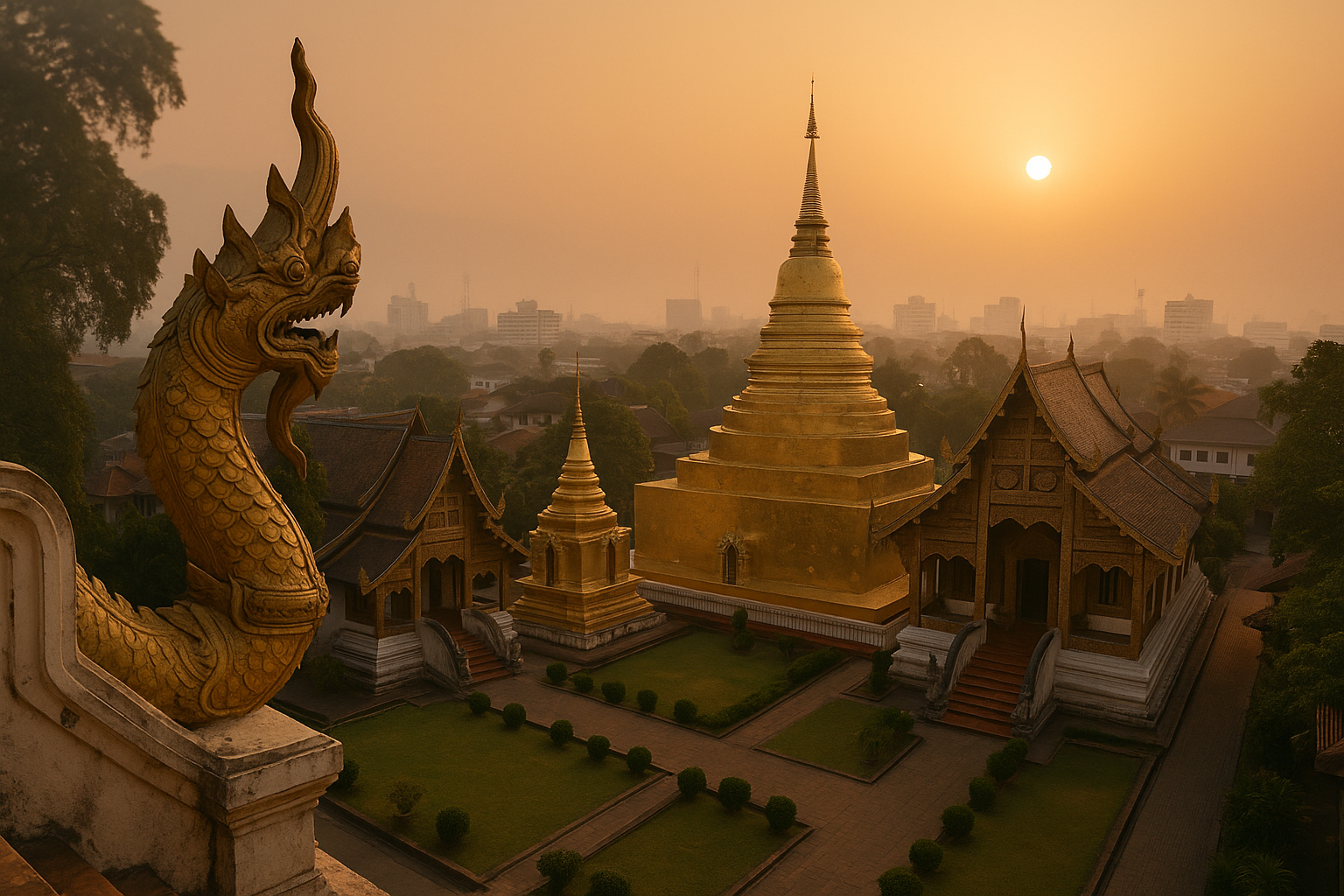
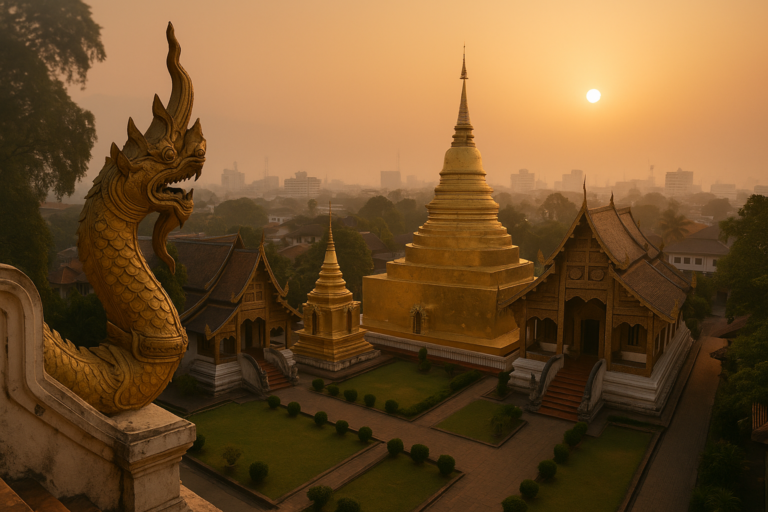
There’s a certain kind of city that gets under your skin the first time you visit — and Chiang Mai is exactly that. Any honest Chiang Mai travel guide will tell you the same thing: this place is layered. It rewards patience, repeat visits, and the willingness to wander without a plan. Considered the spiritual capital of Thailand, Chiang Mai sits in the mountainous north of the country, shaped by centuries of Lanna history that feel nothing like the Bangkok experience most first-timers expect. It’s Thailand’s third-largest city, home to around 200,000 people, and yet it moves at a pace that makes you forget you’re in a city at all.
Most travelers arrive expecting temples and tuk-tuks. They leave having discovered something harder to name — a rhythm, a warmth, a sense that there’s always another street worth turning down. After many visits, that feeling doesn’t fade. It deepens. So here’s what accumulated time in Chiang Mai actually teaches you, beyond what any quick weekend itinerary can capture.
Understanding What Chiang Mai Actually Is
Before you can explore Chiang Mai well, it helps to understand its bones. The Old City sits at the heart of everything, ringed by a moat and the crumbling remains of a retaining wall that dates back to the 13th century, when Chiang Mai served as the capital of the Lanna Kingdom. That history isn’t decorative — it’s alive in the architecture, the temples, the festivals, and the way locals relate to their city.
Chiang Mai was also the favorite city of King Bhumibol Adulyadej, who ruled Thailand until his passing in 2016. That reverence for the city runs deep in Thai culture, and you’ll sense it in the pride residents take in their streets and traditions.
The Old City is where most travelers begin, and it’s genuinely worth your time. The Sunday Night Market draws crowds for good reason — the energy is real, the food is abundant, and it’s one of those rare tourist-friendly events that locals actually attend too. But the Old City is just the starting point, not the whole story.
Head east from the Old City and you reach Tha Phae Gate, the historic entrance that opens into the commercial heart of the city. The area stretching toward the Ping River is dense with markets, street food, guesthouses, and the kind of organized chaos that’s endlessly entertaining to walk through. This is where Chiang Mai breathes differently — less curated, more alive.
The Neighborhoods That Don’t Make the Highlight Reel
One of the most valuable things repeated visits teach you is that the best parts of Chiang Mai aren’t always the most photographed. The Old City is beautiful, but it can feel like a stage set after a while — especially during peak season when tour groups move through in waves. The city’s real personality lives in its neighborhoods.
Nimman and the Creative Quarter
The Nimmanhaemin area — almost always shortened to Nimman — sits west of the Old City and draws a younger, more creative crowd. It’s where you’ll find independent coffee shops tucked into converted houses, bookshops with curated English-language sections, and restaurants that blend Thai flavors with international influence. It’s also a hub for digital nomads and young expats, which means the café culture here is genuinely excellent.
Nimman can feel a little polished compared to other parts of the city, but it’s also where you’re most likely to stumble into a gallery opening, a pop-up market, or a live music session on a Tuesday night for no particular reason. Wander the small sois (side streets) branching off the main road — that’s where the interesting stuff hides.
Along the Ping River
The riverside area east of the Old City has a quieter, more relaxed character. Cafés with garden seating spill toward the water, and the pace slows noticeably. This part of the city attracts a mix of long-term travelers, artists, and locals who want to escape the tourist center without leaving the city entirely. It’s a good place to spend an afternoon doing absolutely nothing productive — which, in Chiang Mai, is often the most rewarding choice.
Beyond the Moat, South and North
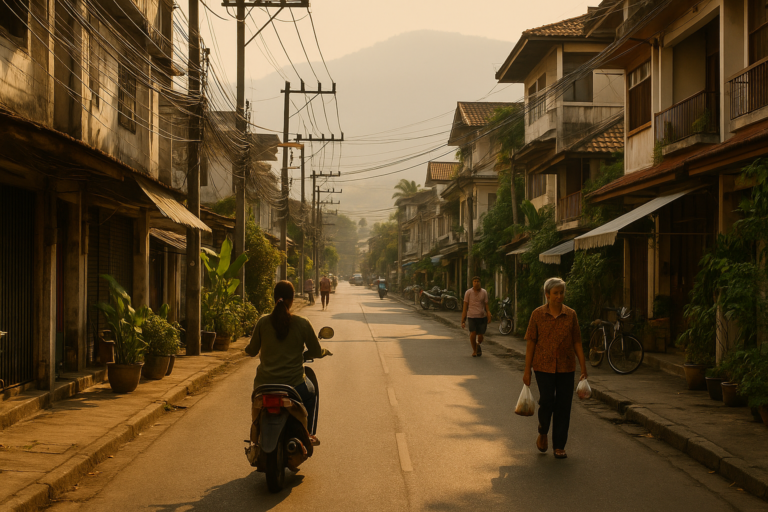
The areas directly south and north of the Old City moat are less glamorous but worth exploring on foot. You’ll find local markets that cater to residents rather than visitors, motorcycle repair shops next to noodle stalls, and temple courtyards that are almost always empty. These streets won’t appear on anyone’s highlight reel, but they’ll give you a more honest sense of what daily life in Chiang Mai actually looks like.
The Burning Season: What You Need to Know Before You Book
This is the part most Chiang Mai travel guides either skip or underplay, and it’s important enough to deserve real attention. Chiang Mai experiences what’s known as the burning season — a period when agricultural burning in the surrounding region, combined with geography and weather patterns, causes air quality to deteriorate significantly. This typically happens in the late dry season, generally somewhere between late February and April, though the exact timing and severity can vary year to year.
During the worst periods, the smoke can be genuinely uncomfortable — and for people with respiratory conditions, asthma, or sensitivities, it can be a real health concern. The mountains that make Chiang Mai’s landscape so beautiful also trap the smoke, which means it doesn’t disperse the way it might in a coastal or flat city.
Here’s the practical advice that experienced travelers consistently offer:
- Check real-time air quality data before and during your trip. Reliable sources like IQAir’s Chiang Mai page give you current AQI readings and forecasts.
- If you’re visiting between February and April, pack an N95 or KN95 mask. Surgical masks offer minimal protection against particulate matter — you want something rated for fine particles.
- Plan outdoor activities — hiking, cycling, visiting outdoor markets — for early morning when conditions are often better, or save them for another time of year entirely.
- If the AQI spikes above 150, consider spending more time in air-conditioned spaces and limiting strenuous outdoor activity.
- Don’t let the burning season scare you away from Chiang Mai entirely, but do factor it into your planning. Many travelers visit during this period without major issues, especially if they take sensible precautions.
The good news is that outside of this window, Chiang Mai’s air quality is generally fine. The cool season, roughly from November through February, is widely considered the most comfortable time to visit — temperatures are lower, the air is clearer, and the city feels at its most vibrant.
Eating in Chiang Mai: Follow the Locals, Not the Signs
Northern Thai cuisine is genuinely distinct from what you’ll find in Bangkok or the south, and Chiang Mai is the best place in the country to explore it. The flavors lean earthier and more herb-forward, with less coconut milk and more fermented ingredients than central Thai cooking.
Khao soi is the dish most travelers discover first — a rich, curry-based noodle soup topped with crispy fried noodles, pickled mustard greens, and shallots. It’s warming, complex, and deeply satisfying. You’ll find it everywhere, but the best versions tend to come from small, unpretentious spots that have been serving the same recipe for decades.
The Sunday Night Market along Wualai Road (different from the more famous Sunday Walking Street near Tha Phae Gate) is a local favorite that’s slightly less overwhelming than its counterpart. The Saturday Night Market on the same road draws a similar crowd. Both are good places to eat your way through northern specialties without committing to a sit-down restaurant.
For everyday eating, look for the spots with plastic stools, handwritten menus, and a queue of locals at lunchtime. A bowl of noodles or a plate of rice with two or three dishes will cost you very little and will almost certainly be better than anything in a tourist-facing restaurant three times the price.
Café culture in Chiang Mai deserves its own mention. The city has developed a genuinely impressive specialty coffee scene over the past decade, driven partly by the fact that northern Thailand grows some excellent beans. You’ll find cafés ranging from minimalist third-wave spots to elaborate themed spaces, and the quality is consistently high. It’s the kind of city where you can spend a productive morning working from a beautiful café, then spend the afternoon exploring, and that rhythm suits a lot of young travelers perfectly.
Getting Around Without Wasting Half Your Day
Chiang Mai is walkable in the Old City and immediately surrounding areas, but the city spreads out enough that you’ll want options for getting further afield. Red songthaews — shared pickup trucks with benches in the back — are the backbone of local transport and cost a fraction of what a private taxi charges. You negotiate the fare before you get in, which sounds intimidating but becomes second nature within a day or two.
Renting a scooter opens up the city considerably, especially if you want to explore the mountain roads and villages outside the urban center. If you’ve never ridden one before, Chiang Mai’s relatively calm traffic (compared to Bangkok) makes it a reasonable place to learn — but be honest with yourself about your comfort level, wear a helmet, and avoid the mountain roads at night.
Ride-hailing apps work well in the city and offer the convenience of fixed pricing without negotiation. For longer trips out of the city — to Doi Inthanon, the highest peak in Thailand, or to the craft villages north of the city — hiring a driver for the day is often the most practical option and can be arranged through your guesthouse or hostel.
Practical Things Worth Knowing Before You Arrive
Chiang Mai is the most popular destination for travelers visiting Thailand after Bangkok and the southern islands, which means the tourist infrastructure is well-developed. Finding accommodation, transport, and food in English is straightforward. But a few things are worth knowing before you land:
- Dress appropriately for temples. Shoulders and knees should be covered when entering religious sites. Many temples keep sarongs available to borrow, but bringing a light scarf saves time.
- Elephant tourism requires research. Not all elephant experiences are ethical. Look for sanctuaries that prioritize the animals’ welfare over entertainment — reputable options don’t offer riding, and they’re transparent about how their elephants are cared for. Resources like World Animal Protection can help you identify responsible operators.
- The cool season books out fast. November through February is peak season, and popular guesthouses and hostels fill up quickly. Book accommodation at least a few weeks in advance if you’re visiting during this window.
- Learn a few words of Thai. Even a basic “sawasdee ka/krap” (hello) and “khob khun ka/krap” (thank you) will be warmly received. Thais appreciate the effort, and it changes the dynamic of interactions in small but meaningful ways.
- Budget generously for experiences, not things. Cooking classes, guided hikes, and day trips to the surrounding region are where Chiang Mai really shines. These experiences don’t cost a fortune, but they’re worth prioritizing over souvenirs.
How Long Should You Actually Stay?
Most travelers passing through Chiang Mai give it three to four days. That’s enough to see the highlights and get a surface-level feel for the city. But Chiang Mai rewards longer stays in a way that few cities do.
A week gives you time to settle into a neighborhood, discover your favorite morning café, take a cooking class, do a day trip into the mountains, and still have an afternoon left over to wander without purpose. Two weeks starts to feel like you’re actually living there, which is exactly the point.
Chiang Mai has one of the largest expat and digital nomad communities in Southeast Asia for a reason. The combination of cost of living, quality of life, food, culture, and connectivity makes it genuinely easy to extend your stay. Many travelers who planned a week end up staying a month. It’s that kind of place.
The Chiang Mai That Stays With You
A good Chiang Mai travel guide can point you toward the temples, the markets, and the mountain views. But what it can’t fully prepare you for is the feeling of the city itself — the way the light falls on the moat at dusk, the sound of monks chanting in the early morning, the smell of lemongrass from a street cart, the unexpected kindness of a stranger who stops to help you find a street you’ve been circling for twenty minutes.
Chiang Mai isn’t misunderstood because people say the wrong things about it. It’s misunderstood because no single visit can capture all of it. The city reveals itself slowly, in layers, to the people willing to come back. And that’s precisely what makes it one of the most compelling destinations in Southeast Asia — not just for a trip, but for a journey that keeps finding new ways to surprise you.
This article was produced with AI assistance and reviewed editorially.


Southeast Asia on a Shoestring: Budget Routes Across Thailand, Vietnam & Cambodia

Southeast Asia Decoded: Hanoi 3-Day Itinerary + Vietnam Misconceptions Debunked


