
Asia
Where to Stay in Koh Lanta: Thailand’s Chill Island (2026)
Discover where to stay in Koh Lanta with our beach-by-beach guide. Explore laid-back accommodation options from Klong Dao to Long Beach on Thailand’s unspoiled island.

Why Koh Lanta Feels Different from Every Other Thai Island
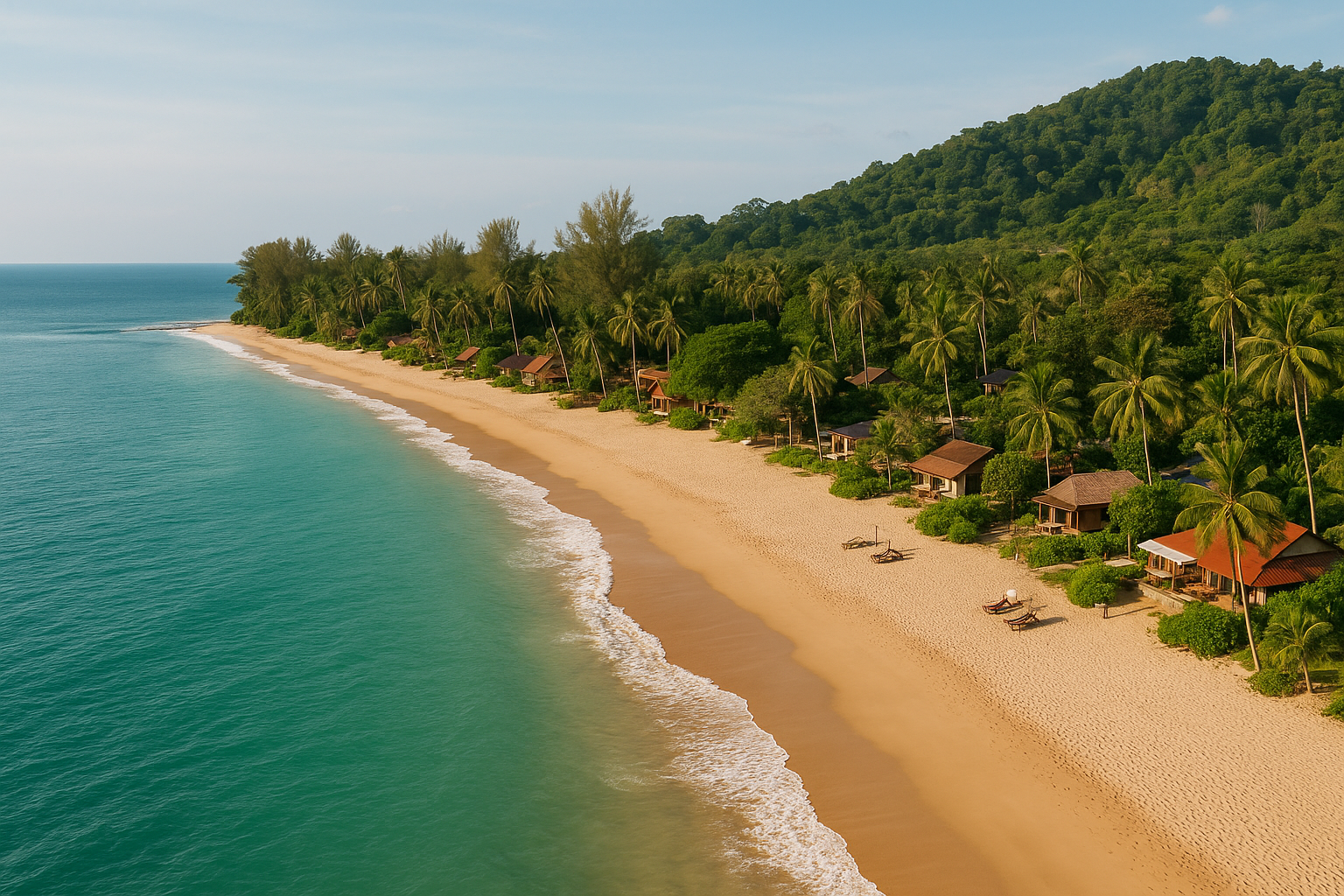
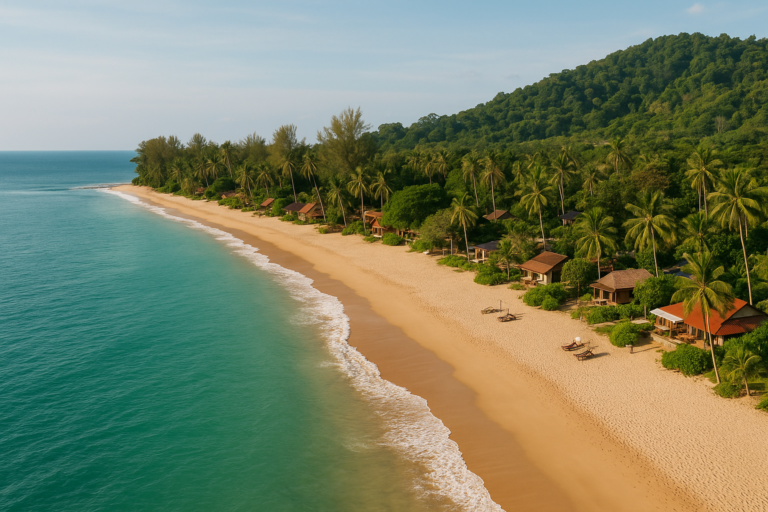
If you’ve been trying to figure out where to stay in Koh Lanta, you’ve probably already noticed something: this island doesn’t follow the usual Thai island playbook. There are no mega-resorts swallowing up the coastline. No neon-lit party strips stretching for kilometres. No crowds of tourists shuffling between the same five Instagram spots. Koh Lanta moves at its own pace — slower, quieter, and more honest than most of its neighbours — and that’s exactly why it deserves a spot on your travel radar.
One of Thailand’s largest islands, Koh Lanta sits south of Krabi and Phuket as part of Krabi Province, stretching roughly 25 kilometres long and 6 kilometres wide. It’s big enough to feel like you’re genuinely exploring, but small enough that you can still find your own corner of it. The island forms part of the Mu Ko Lanta National Park area, which goes a long way in explaining why it’s stayed relatively unspoiled. It’s the kind of place that rewards slow travel — the type where you rent a scooter, follow a dirt road, and end up somewhere you’ll want to keep to yourself.
Southern Thailand has no shortage of beautiful islands, but Koh Lanta has managed to keep its chill vibe without being overdeveloped by massive resorts. That balance is rare, and it’s what makes the question of where to stay genuinely interesting. Because here, your choice of beach shapes your entire experience.
Understanding Koh Lanta’s Beach Personalities
Koh Lanta isn’t one vibe — it’s several, depending on which stretch of coast you plant yourself on. The main beaches run down the western side of the island, each with its own personality and its own crowd. Getting this right is everything.
Klong Dao Beach: The Easygoing Starting Point
Klong Dao is the first major beach you hit when you arrive from the north, and it’s one of the most popular for good reason. The sand is wide and clean, the water is calm, and the whole atmosphere is relaxed without feeling sleepy. It’s the kind of beach where you can spend an entire afternoon doing absolutely nothing and feel completely fine about it.
This beach works well for first-time visitors or anyone who wants a bit of infrastructure around them — think beach bars, small restaurants, and places to rent kayaks — without sacrificing the island’s laid-back character. Accommodation here tends to range from simple guesthouses to comfortable bungalow-style stays set back from the shore. You’re not going to find a glass-fronted luxury tower, and that’s the point. Everything is low-rise, often wooden, and built with the surroundings in mind.
If you’re travelling with a friend or partner and want a beach that’s social but not overwhelming, Klong Dao is a solid base. Sunsets here are genuinely worth stopping for — the sky turns shades of orange and pink over the Andaman Sea, and everyone on the beach seems to pause at the same moment.
Long Beach (Klong Nin Area): Where the Backpacker Soul Lives
Head a little further south and you reach what many travellers consider the heartbeat of the island’s backpacker scene. Long Beach — sometimes referred to alongside the Klong Nin area — is where you’ll find the barefoot and bohemian energy that Koh Lanta is genuinely known for. Think hammocks strung between palm trees, small beach bars with fire shows at night, and a crowd that’s more interested in conversation than cocktail menus.
Accommodation options here lean heavily toward budget-friendly bungalows, guesthouses, and small family-run spots where the owner knows your name by day two. The trade-off is that things can be a bit more basic — don’t expect fast Wi-Fi or air conditioning in every room. But if you’re the kind of traveller who values the experience over the amenities, this is where you’ll feel most at home.
Long Beach is also a great base if you want to explore the island on a scooter. The road that runs the length of Koh Lanta passes through here, giving you easy access to both the northern beaches and the quieter southern stretches. Rent a bike for the day, pick a direction, and see what you find.
Klong Khong Beach: The Creative, Quiet Middle Ground
Klong Khong sits between the busier northern beaches and the wilder south, and it’s developed a reputation as one of the more artistic, independently spirited parts of the island. It attracts a slightly older backpacker crowd, digital nomads, and anyone who wants a quieter base without completely disappearing off the map.
The beach itself is beautiful — long, palm-fringed, and far less crowded than Klong Dao. At low tide, the rocky sections can make swimming a bit trickier, so it’s worth timing your dips with the tides. But for walking, watching the sunset, and generally existing at a pace that feels human, Klong Khong is hard to beat.
Accommodation here tends to be small, independent, and characterful. You’ll find bungalows with outdoor showers, open-air restaurants serving fresh seafood, and the occasional yoga class held on a wooden deck overlooking the sea. It’s the kind of place where you check in for three nights and end up staying for ten.
Southern Koh Lanta: Off the Beaten Path
The further south you travel on Koh Lanta, the quieter it gets. The southern tip of the island is home to some genuinely remote stretches of coast, dense jungle, and the kind of scenery that makes you feel like you’ve stumbled onto something most travellers miss entirely. Roads get narrower, accommodation gets sparser, and the whole experience shifts into something more adventurous.
This part of the island is ideal if you’re comfortable with a bit of uncertainty — fewer restaurants, less reliable internet, and the occasional power cut. But the reward is real solitude, dramatic coastline, and the sense that you’re seeing a version of Thailand that hasn’t been polished for tourist consumption. Some small eco-friendly guesthouses and jungle bungalows operate in this area, catering to travellers who specifically want to disconnect.
If you’re planning to base yourself in the south, make sure you have your own transport. Scooters are the standard, and hiring one for the duration of your stay is both affordable and liberating. The roads through the southern jungle are an adventure in themselves.
Choosing Accommodation by Budget and Travel Style
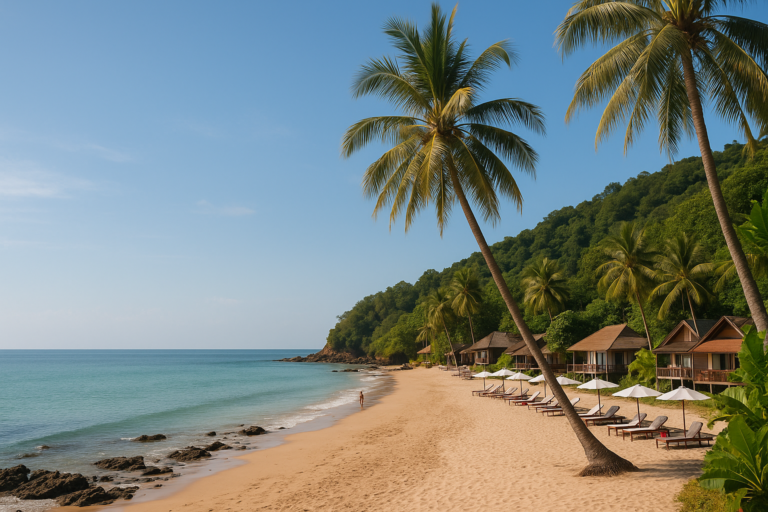
One of the things that makes Koh Lanta genuinely accessible is that it hasn’t priced itself out of the backpacker market while still offering options for those who want a little more comfort. The island bridges the gap between laid-back Thai charm and effortless travel in a way that works across different budgets and travel styles.
Budget Travellers
If you’re watching your spending, Koh Lanta is one of the better Thai islands for stretching your money. Simple fan-cooled bungalows, guesthouses run by local families, and small hostels exist across most of the main beaches. Long Beach and Klong Khong tend to offer the most options at the lower end of the price scale.
- Look for family-run guesthouses rather than branded accommodation — you’ll usually get more for your money and a more authentic experience.
- Eating at local restaurants and market stalls keeps food costs low without sacrificing quality. Thai food on Koh Lanta is genuinely excellent.
- Renting a scooter is almost always cheaper than relying on taxis or tuk-tuks for getting around.
- Booking directly with guesthouses — especially outside peak season — can get you a better deal than going through booking platforms.
Mid-Range Travellers
If you want a bit more comfort — air conditioning, a pool, a proper breakfast included — Koh Lanta has that too, particularly around Klong Dao and the northern beaches. Mid-range bungalow resorts are common, offering a step up in facilities without abandoning the island’s low-key character. You’re still looking at open-air design, natural materials, and a laid-back atmosphere rather than anything corporate or sanitised.
This tier of accommodation is ideal for anyone who wants to explore the island actively during the day but appreciates coming back to something comfortable in the evening. Many mid-range spots have their own restaurant, a small pool, and direct beach access — all the essentials without the excess.
Splurge-Worthy Stays
For those who want to treat themselves, a handful of boutique resorts and more upscale bungalow properties are scattered across the island. These tend to be small, design-conscious, and carefully integrated into the landscape rather than imposing on it. Koh Lanta’s character means that even the higher-end options generally feel more intimate and personal than equivalent properties on more commercialised islands.
If you’re planning a special trip — a milestone birthday, a longer stay where you want a proper base — it’s worth looking at what’s available in the Klong Nin area or some of the quieter southern stretches, where boutique properties tend to have more space and a stronger sense of place.
What to Know Before You Arrive
Getting to Koh Lanta typically involves a combination of transport — flying into Krabi or Phuket, then taking a bus or minivan followed by a short ferry crossing. The journey is part of the experience, and it filters out the kind of mass tourism that descends on more accessible islands. By the time you arrive, you already feel like you’ve earned it a little.
The island’s peak season runs roughly from November to April, when the Andaman Sea is calm and the weather is dry and sunny. Outside of these months, the southwest monsoon brings rain and rougher seas, and many guesthouses close down for the quieter period. Visiting in shoulder season — October or early May — can mean fewer crowds and lower prices, though you’ll want to check that your accommodation of choice is open.
Koh Lanta Old Town, on the island’s eastern coast, is worth a half-day visit regardless of where you’re staying. It’s a small historic settlement with wooden shophouses, a mixed community of Thai Muslims, Chinese-Thai families, and sea gypsies, and a genuinely authentic atmosphere that feels completely separate from the beach scene. It’s a reminder that Koh Lanta has a life beyond tourism — and that’s one of the things that makes it worth visiting in the first place.
For deeper planning, resources like Indie Traveller’s Koh Lanta guide and North Abroad’s Koh Lanta travel guide are genuinely useful for getting into the details of specific beaches and neighbourhoods.
Why Koh Lanta Is Worth Choosing Over More Famous Islands
There’s a reason experienced travellers keep coming back to Koh Lanta while first-timers often overlook it in favour of more famous names. The island doesn’t market itself aggressively. It doesn’t have the party reputation of Koh Phangan or the postcard ubiquity of Koh Phi Phi. What it has instead is something harder to manufacture: genuine character.
The local community is still visible here. You eat at restaurants run by families who’ve been cooking the same recipes for decades. You stay in guesthouses where the owner is also the person who makes your breakfast. The beaches haven’t been carved up by competing resort developments. The jungle still pushes right up to the edges of things. It feels, in the best possible way, like a place that exists on its own terms.
For young travellers who care about authenticity — who want to connect with a place rather than just photograph it — Koh Lanta offers something increasingly rare in popular Southeast Asian destinations. It’s the kind of island that changes your pace without you even noticing, until one afternoon you realise you’ve been sitting in the same spot for three hours and you’re completely at peace with that.
Final Thoughts: Finding Your Place on Koh Lanta
Deciding where to stay in Koh Lanta really comes down to knowing what kind of trip you want. If you want easy access to amenities and a social beach scene, Klong Dao is your starting point. If you want that classic backpacker energy and the freedom to explore, Long Beach delivers. If you want something quieter and more creative, Klong Khong is worth a serious look. And if you want to genuinely get away from it all, the south of the island is waiting.
What all of these options share is the island itself — unhurried, beautiful, and still deeply connected to the culture and community that shaped it. Koh Lanta isn’t trying to be anything other than what it is, and that’s exactly why it works. Whatever beach you choose, whatever kind of accommodation you end up in, you’re going to leave with something that feels more meaningful than a tan. You’ll leave with the feeling of a place that got under your skin — and the quiet certainty that you’ll be back.
This article was produced with AI assistance and reviewed editorially.


Southeast Asia on a Shoestring: Budget Routes Across Thailand, Vietnam & Cambodia

Southeast Asia Decoded: Hanoi 3-Day Itinerary + Vietnam Misconceptions Debunked


