
Asia
Sri Lanka on a Budget: 2-Month Deep Dive Into Beaches, Street Food & Real Traveler Takes
Explore Sri Lanka affordably with insider tips from a 2-month stay. Discover 10 beaches, street food gems, and real traveler advice for budget-conscious explorers.

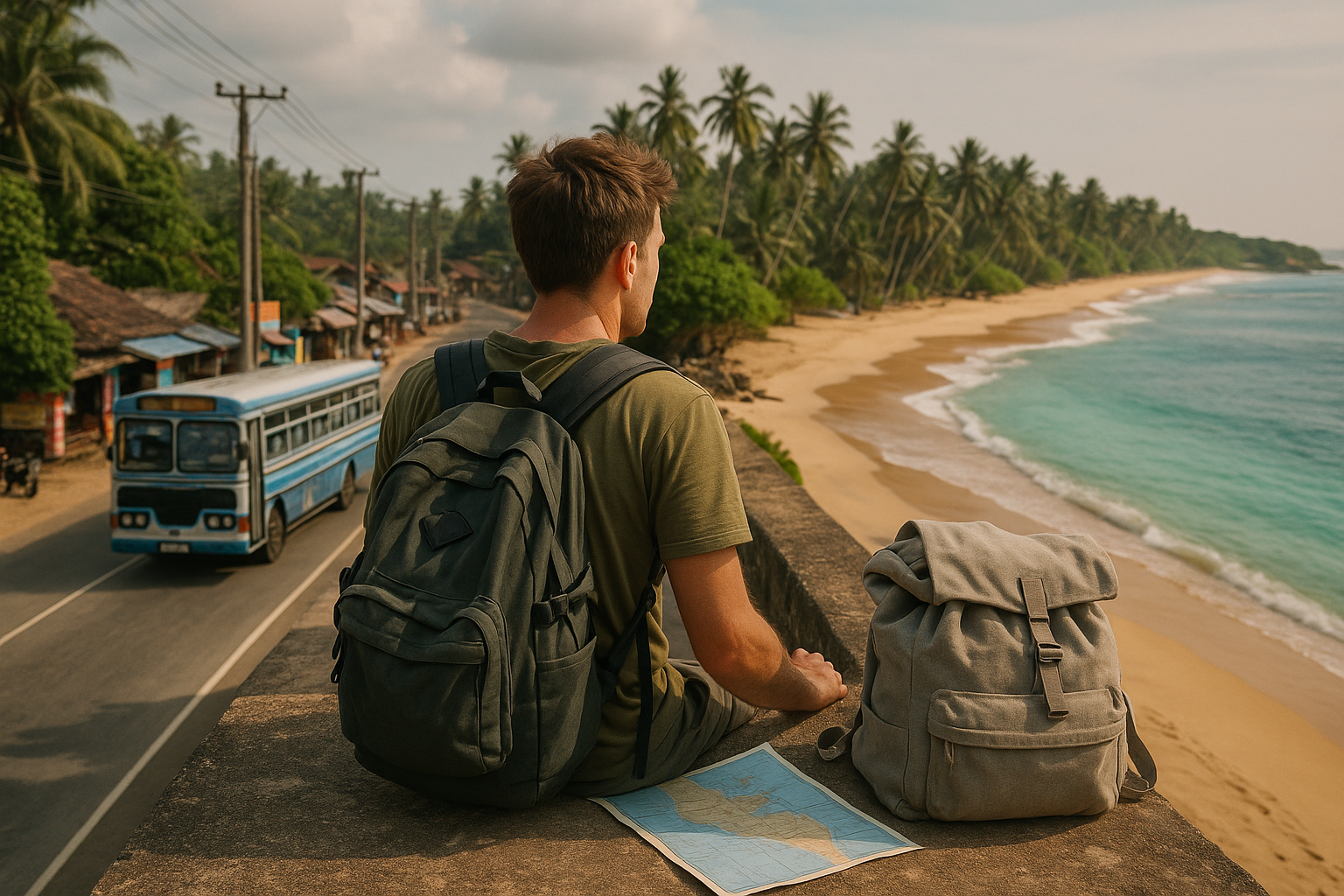
Why Sri Lanka Belongs on Every Young Traveler’s Radar Right Now
If you’ve been scrolling through travel content lately and keep landing on the same teardrop-shaped island off the southern tip of India, there’s a reason for that. Budget travel in Sri Lanka isn’t just possible — it’s one of the most rewarding ways to spend a few weeks or a couple of months on the road. You get ancient temples, jungle-covered hills, a coastline that changes personality every hundred kilometers, and street food that costs next to nothing but tastes like everything. This isn’t a destination you check off a list. It’s one you sink into.
Several seasoned travelers have documented their time here in detail — from those who spent three weeks moving through the south and central regions by bus, train, and tuk-tuk, to others who stretched their stay to two full months and still felt like they hadn’t scratched the surface. The consensus is consistent: Sri Lanka punches well above its weight for the money you spend, and it rewards the curious, the spontaneous, and the patient in equal measure.
This guide pulls together everything you need to plan a meaningful, affordable trip — beaches worth the journey, food you shouldn’t miss, honest takes on getting around, and the kind of practical knowledge that only comes from actually being there.
Understanding Sri Lanka Before You Arrive
Sri Lanka has had a complicated recent history. The country lived through two decades of civil conflict, a devastating tsunami, and a serious economic crisis — all of which shaped the tourism landscape in ways that are still unfolding. What that means for you as a traveler in 2026 is that you’re visiting a place that is genuinely recovering, rebuilding, and opening up in ways that feel fresh rather than over-commercialized.
That context matters. When you spend money locally — eating at family-run restaurants, staying at guesthouses, hiring local guides — you’re contributing directly to communities that have been through a lot. That’s not guilt-tripping; it’s just worth knowing. Travel here with that awareness and it will change how you experience it.
The island is compact enough to move around without a rigid plan, but diverse enough that each region feels like a different country. The south coast has the classic beach-town energy. The central highlands are cool, misty, and covered in tea plantations. The north is quieter, less visited, and historically significant. The east coast has some of the best surf and the most uncrowded beaches. You won’t run out of things to discover.
How to Do Budget Travel in Sri Lanka Without Cutting the Wrong Corners
The goal with budget travel in Sri Lanka isn’t to spend as little as possible — it’s to spend wisely so you can stay longer and do more. There’s a real difference. Here’s how to think about it.
Getting Around
Trains are the most iconic and often the most affordable way to move between destinations. The journey through the hill country — particularly between Kandy and Ella — is one of those travel experiences that genuinely lives up to the hype. Book in advance if you want a reserved seat, but even standing in the doorway watching the tea plantations blur past is worth it.
Buses fill the gaps the train network doesn’t cover. They’re cheap, frequent, and give you a window into daily Sri Lankan life that no guided tour can replicate. Tuk-tuks are ideal for shorter distances and can be negotiated for half-day or full-day hire if you want to explore a specific area at your own pace.
Avoid domestic flights unless you’re seriously short on time. They add cost and skip the scenery. The journey between places in Sri Lanka is often as memorable as the destination itself.
Where to Sleep
Guesthouses and family-run homestays are the backbone of budget accommodation here. You’ll typically get a clean room, a home-cooked breakfast, and local knowledge that no hotel concierge can match. Hostels have grown in number in the main tourist towns, and they’re a solid choice if you want to meet other travelers.
Prices vary significantly by region and season. Coastal areas tend to be pricier during peak surf or whale-watching season. Moving slightly off the main tourist trail — even a few kilometers from a popular beach — can cut your accommodation costs noticeably. Booking a night or two in advance is usually enough; you rarely need to plan weeks ahead unless you’re traveling during a major festival period.
Food and Eating Smart
This is where Sri Lanka genuinely shines for budget travelers. Street food and local restaurants — called “rice and curry” shops — serve generous, flavorful meals for a fraction of what you’d pay at a tourist-facing restaurant. A full plate of rice with multiple curries, dhal, and sambol can cost less than a coffee back home.
Kottu roti is the street food you’ll hear before you see it — the rhythmic chopping of flatbread on a griddle, mixed with vegetables, egg, and your choice of protein. It’s filling, cheap, and deeply satisfying at midnight after a long day of travel. String hoppers, pol sambol, and fresh coconut roti are other staples worth hunting down at local breakfast spots rather than tourist cafés.
Eat where the locals eat. It sounds obvious, but it’s easy to default to the English-menu restaurant near the guesthouse. Walk a few streets further and you’ll eat better and spend less.
10 Beaches Worth Your Time in Sri Lanka
The coastline here is the kind that makes you rethink every beach you’ve been to before. Each stretch has its own character — some are for surfing, some for swimming, some for doing absolutely nothing in the best possible way. Here are ten that genuinely earn their place on your itinerary.
1. Unawatuna
Just south of Galle, Unawatuna is one of the most accessible beaches on the southern coast. The bay is sheltered, the water is calm for swimming, and the strip behind the beach has everything from cheap eats to beachside bars. It gets busy, but for good reason.
2. Mirissa
Mirissa is where you come for whale watching between November and April, and for the laid-back beach atmosphere year-round. The town has grown, but it hasn’t lost its charm entirely. Watch the sunrise from Parrot Rock before the day gets busy.
3. Tangalle
Further east along the south coast, Tangalle is quieter and more spread out. The beaches here are wilder and less crowded. It’s a good place to slow down for a few days if you’ve been moving fast.
4. Hiriketiya
A horseshoe-shaped bay that’s become a favorite among surfers and yogis. The vibe is relaxed and community-oriented, with a mix of local cafés and small guesthouses. It feels like a discovery even though it’s well-known now.
5. Arugam Bay
On the east coast, Arugam Bay is a legendary surf destination. The season runs roughly from May to October, and during that window the town comes alive with surfers from around the world. Outside of surf season it’s quieter, cheaper, and still beautiful.
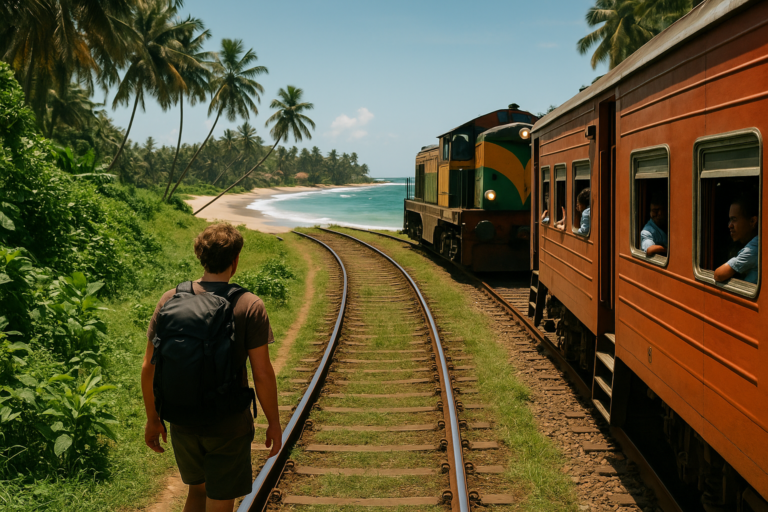
6. Pasikuda
The east coast’s answer to a postcard-perfect beach. Pasikuda has shallow, crystal-clear water that extends far out — ideal for swimming and wading. It’s more remote than the southern beaches, which keeps the crowds manageable.
7. Nilaveli
North of Trincomalee, Nilaveli is one of the most striking beaches in the country. Long, wide, and lined with coconut palms, it has a raw, unhurried quality. From here you can take a boat to Pigeon Island for some of the best snorkeling in Sri Lanka.
8. Uppuveli
Just south of Nilaveli and closer to Trincomalee town, Uppuveli has a slightly more developed infrastructure while still feeling off the beaten path compared to the south. A strong choice for the east coast leg of your trip.
9. Weligama
Weligama is famous for its beginner-friendly surf and the stilt fishermen you’ll see perched over the water at dawn. Surf lessons here are affordable and widely available. Even if you’ve never surfed before, the gentle waves make it a good place to try.
10. Jungle Beach (Rumassala)
Near Unawatuna but reached via a short hike through the forest, Jungle Beach feels like a secret even when other people are there. The snorkeling is excellent, the setting is dramatic, and the effort of getting there keeps the numbers down. Bring your own snacks.
Honest Takes from the Traveler Community
Multiple travel writers and content creators have documented their time in Sri Lanka in recent years, and their accounts share some consistent themes that are worth paying attention to.
Travelers who’ve spent extended time here — some for two weeks, others for a month or more — tend to agree that the country rewards a slower pace. Rushing between highlights burns money on transport and means you miss the texture of daily life that makes Sri Lanka so compelling. The traveler who lingers in a small town, eats breakfast at the same local spot three days in a row, and ends up having a long conversation with the owner — that person leaves with something the itinerary-sprinter doesn’t.
The Never Ending Footsteps budget breakdown for Sri Lanka is one of the more detailed cost analyses available, and it’s worth reading before you set your daily budget expectations. Similarly, Lonely Planet’s guide to Sri Lanka on a budget covers the practical framework well, even if you’ll want to supplement it with more recent firsthand accounts.
One recurring note from travelers: the train system is wonderful but not always on time, and that’s fine. Build flexibility into your schedule. Missing a connection and spending an unplanned afternoon in a small hill town has led to some people’s favorite memories from the trip. Sri Lanka has a way of turning the unplanned into the unforgettable.
Practical Tips Before You Go
Best Time to Visit
Sri Lanka’s weather is shaped by two monsoon seasons, which means the “best” time depends on where you’re going. The south and west coasts are generally best from December to March. The east coast flips — it’s at its best from May to September. The hill country can be visited year-round but gets wet during the southwest monsoon. If you’re spending two months here, you’ll likely experience both and that’s part of the adventure.
Visas
Most nationalities need an Electronic Travel Authorization (ETA) before arriving. Apply online in advance rather than on arrival to save time and occasional hassle. Check the official Sri Lanka immigration website for the most current requirements and fees before you travel.
SIM Cards and Connectivity
Grab a local SIM card at the airport on arrival. Data is cheap and coverage is reasonable across most of the country. It’s useful for navigation, translation, and staying connected without burning through roaming charges.
Respect and Cultural Awareness
Sri Lanka is a deeply spiritual country with a mix of Buddhist, Hindu, Muslim, and Christian communities. Dress modestly when visiting temples — cover shoulders and knees, and remove shoes before entering. The effort is minimal and the respect it shows is significant. Photography at religious sites should always be done with sensitivity and permission where appropriate.
Bargaining and Tipping
Bargaining is expected in markets and with tuk-tuk drivers, but approach it with good humor rather than aggression. The difference between a fair price and a tourist price is often small in absolute terms. Tipping at local restaurants isn’t mandatory but is always appreciated, particularly at family-run spots where the margin is tight.
How Long Do You Actually Need?
Two weeks gives you a solid introduction — enough to cover the south coast, spend time in the hill country, and dip into one or two cultural sites. A month lets you breathe, slow down, and actually get to know a few places rather than just passing through. Two months? That’s when Sri Lanka starts to feel like somewhere you’ve actually lived, even briefly.
The honest answer is: go for as long as you can manage. The country is affordable enough that staying longer is often more economical than rushing and flying home only to wish you’d stayed. Budget travel in Sri Lanka is genuinely accessible for young travelers on a tight timeline, but the experience scales beautifully with the time you invest in it.
Your Sri Lanka Story Is Waiting
Sri Lanka is one of those places that gets under your skin in the best possible way. It’s the kind of destination where you arrive thinking you know what to expect — beaches, temples, tea — and leave realizing it was so much more layered than that. The food alone could keep you busy for months. The people are warm and genuinely curious about you. The landscapes shift so dramatically that traveling a hundred kilometers can feel like crossing into a different world.
Whether you have two weeks or two months, whether you’re chasing surf or silence, whether you’re a first-time solo traveler or a seasoned backpacker looking for something that still feels real — Sri Lanka delivers. Pack light, stay curious, eat everything, and let the island surprise you. That’s the only itinerary you really need.
This article was produced with AI assistance and reviewed editorially.


Southeast Asia on a Shoestring: Budget Routes Across Thailand, Vietnam & Cambodia

Southeast Asia Decoded: Hanoi 3-Day Itinerary + Vietnam Misconceptions Debunked


