
Asia
Thailand Beyond the Tourist Trail: Chiang Mai After 12 Visits (2026 Local’s Guide)
Discover authentic Chiang Mai beyond tourist crowds with insider tips on neighborhoods, temples, and local experiences from someone who’s visited a dozen times.

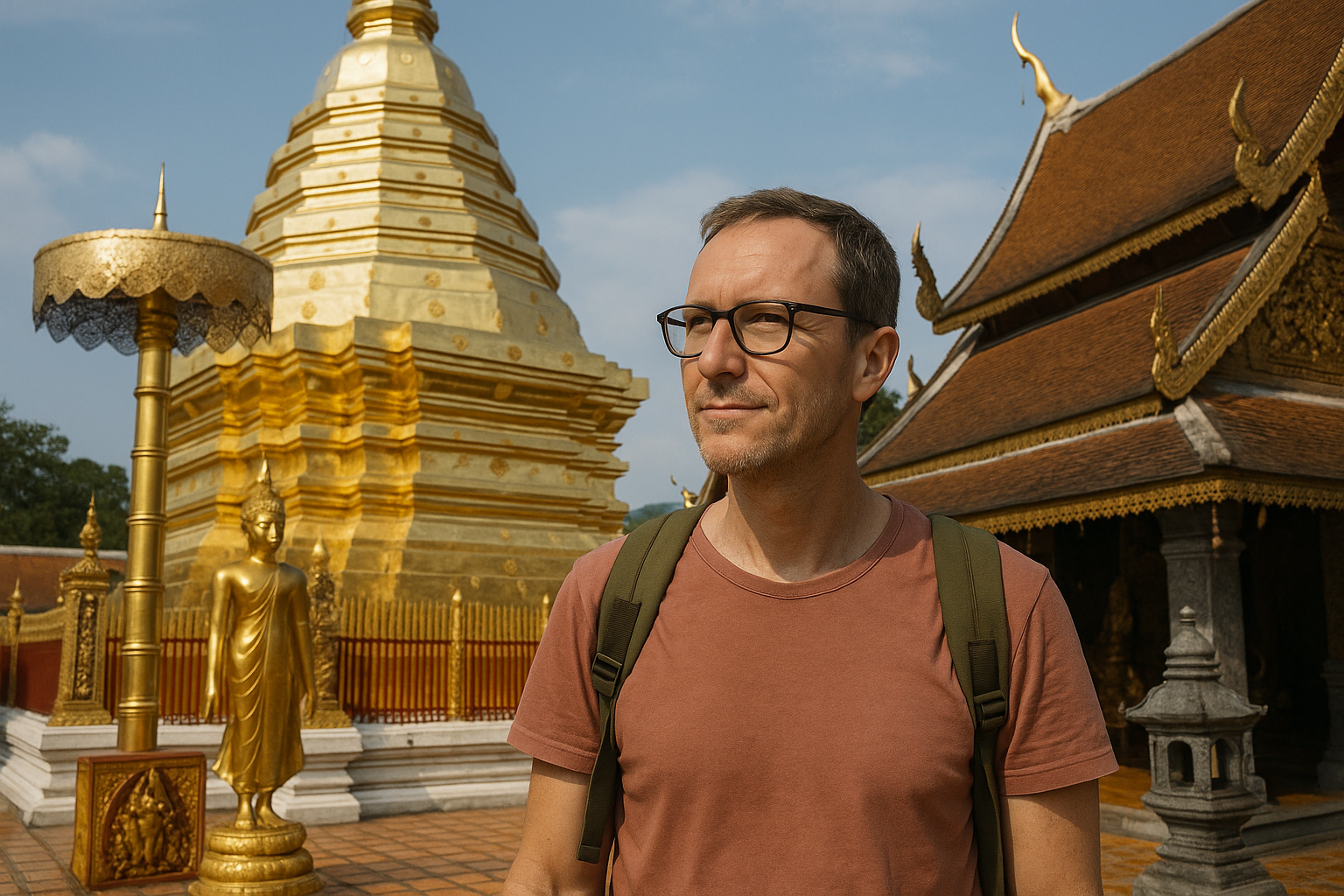
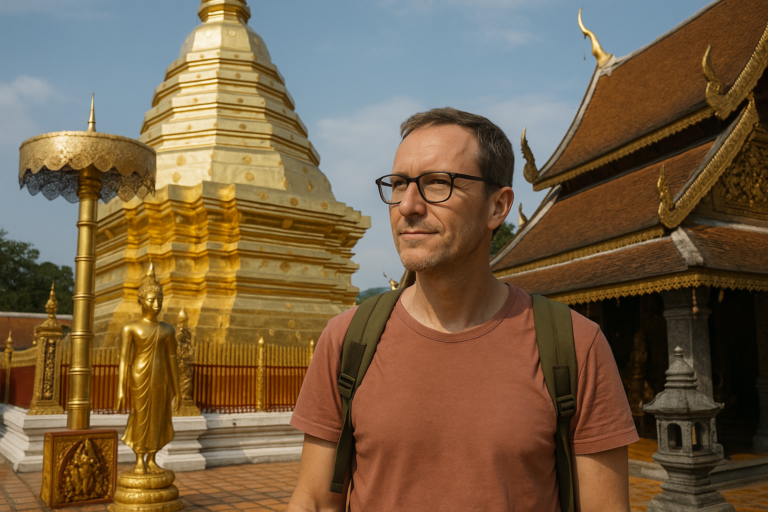
Why Chiang Mai Gets Under Your Skin (And Keeps You Coming Back)
There’s a certain kind of traveler who visits Chiang Mai once and immediately starts planning their return. If you’ve spent any time researching Thailand, you’ve probably stumbled across a solid Chiang Mai local guide or two — and for good reason. This northern city has a way of making Bangkok feel like a distant memory within hours of arriving. The pace is different. The air (especially outside the dry season haze) is different. The whole energy is different.
Chiang Mai sits nestled between mountains and national parks in Thailand’s north, and that geography shapes everything about it. It’s calmer than the capital, more intimate, and far easier to navigate on foot or by bicycle. But “calmer” doesn’t mean boring. It means you actually have the space to notice things — the smell of street food at dawn, the sound of monks chanting in a nearby temple, the way golden light hits ancient walls in the late afternoon.
This guide is built from the kind of knowledge that only comes from multiple visits and genuine curiosity. It’s for travelers who want to go deeper than the highlights reel — and who suspect there’s a whole other Chiang Mai hiding just beyond the tourist trail.
A City With Royal Roots: Understanding Chiang Mai’s Character
Before you explore Chiang Mai, it helps to understand why it carries such a distinctive sense of pride and identity. Chiang Mai was the favorite city of King Bhumibol Adulyadej, who ruled Thailand until his passing in 2016. That connection isn’t just a historical footnote — it’s woven into the city’s atmosphere. You’ll see portraits of the late king displayed with genuine reverence, not just obligation. The city holds its cultural heritage close.
Chiang Mai was once the capital of the ancient Lanna Kingdom, a civilization with its own language, art, and architecture. That history is still visible everywhere — in the moat that encircles the Old City, in the distinctive temple designs, in the local dialect you’ll hear at markets. This isn’t a city that reinvented itself for tourists. It’s a city that remained itself while the world came to visit.
That distinction matters when you’re planning how to spend your time here. The best experiences in Chiang Mai aren’t manufactured for outsiders. They’re just real life — and you’re invited to participate.
Navigating the Neighborhoods: Where to Base Yourself
The Old City: History You Can Sleep Inside
The Old City is exactly what it sounds like — a square kilometer of ancient streets surrounded by a moat and crumbling walls. Staying here puts you within walking distance of more temples than you can visit in a week. It’s the obvious choice for first-time visitors, and it earns that status. Mornings inside the Old City walls are genuinely peaceful. You’ll share the streets with monks collecting alms before the cafés even open their shutters.
The downside? It can feel slightly performative during peak hours. By midday, the main roads fill up with tour groups and tuk-tuks. The trick is to go deeper into the side streets, where you’ll find small shrines, neighbourhood barbershops, and locals going about their day completely unbothered by the tourism economy surrounding them.
Nimman: The Creative Quarter
Nimmanhaemin Road — everyone just calls it Nimman — is where Chiang Mai’s younger, more design-conscious crowd gravitates. It’s full of independent coffee shops, concept stores, art galleries, and restaurants that take their food seriously. If you’re a digital nomad or just someone who appreciates a well-made flat white alongside reliable Wi-Fi, you’ll feel right at home here.
Nimman has its critics — some argue it’s become too polished, too Instagram-ready. And there’s some truth to that. But it’s also genuinely vibrant and walkable, and it sits right next to Chiang Mai University, which keeps the energy young and creative. Spend a Sunday morning at the nearby Nimman Walking Street market and you’ll understand the appeal immediately.
Santitham: The Local’s Choice
If you want to live like an actual Chiang Mai resident, head north of the Old City to Santitham. This neighbourhood rarely appears in mainstream travel guides, which is precisely what makes it worth exploring. The streets are quieter, the restaurants are cheaper, and the clientele is overwhelmingly local. You’ll find excellent Northern Thai food here without the tourist markup. It’s a great base for longer stays when you want to feel like you belong somewhere rather than just passing through.
Eating Your Way Through Chiang Mai: The Food Scene Explained
Northern Thai cuisine is its own distinct tradition, and Chiang Mai is the best place in the world to explore it. Don’t make the mistake of treating it as a variation on what you’ve eaten in Bangkok. It’s a completely different culinary culture.
The Dishes You Need to Try
- Khao Soi: The undisputed icon of Northern Thai cooking. A rich, coconut-curry broth served over egg noodles with crispy fried noodles on top, usually with chicken or beef. Every restaurant has their own version. Trying multiple bowls in a single day is not only acceptable — it’s practically required.
- Sai Oua: Northern Thai sausage packed with lemongrass, galangal, and kaffir lime leaves. You’ll smell it grilling from half a street away. Buy it from a market stall, eat it on the spot, and resist the urge to share.
- Nam Prik Noom: A roasted green chilli dip served with sticky rice and fresh vegetables. Simple, smoky, and completely addictive. It’s the kind of dish that makes you wonder why it isn’t famous everywhere.
- Khao Niao: Sticky rice is the staple of the north. You’ll eat it with almost everything. Learn to roll it into a small ball with your fingers and use it to scoop up other dishes — that’s how locals do it.
- Mango Sticky Rice: Yes, it’s everywhere in Thailand, but Chiang Mai’s version — especially from a good market stall — is hard to beat. The mangoes in season here are extraordinary.
Where the Locals Actually Eat
The most honest food advice anyone can give you in Chiang Mai: follow the plastic chairs. If a restaurant has plastic chairs on the pavement, a handwritten menu, and no English signage, you’re probably in the right place. These spots don’t survive on tourist traffic — they survive because the food is genuinely good.
The Warorot Market (known locally as Kad Luang) in the eastern part of the city is one of the best places to eat like a resident. It’s a working market, not a tourist attraction. Downstairs you’ll find fresh produce, dried goods, and local snacks. The food stalls surrounding it serve breakfast and lunch to market workers and neighbourhood regulars. Show up before 9am for the best experience.
For evening eating, the Saturday and Sunday Walking Streets are worth visiting at least once — but don’t rely on them exclusively. The Saturday market on Wualai Road has a more local feel than the Sunday market on Tha Phae Road, which has grown considerably in size and tourist appeal over the years.
Temples: How to Visit Without Just Ticking Boxes
Chiang Mai has over 300 temples. You are not going to see all of them, and you shouldn’t try. What you should do is slow down at the ones you visit and actually look — at the architecture, the details, the people who are there to pray rather than photograph.
Doi Suthep: The One You Can’t Skip
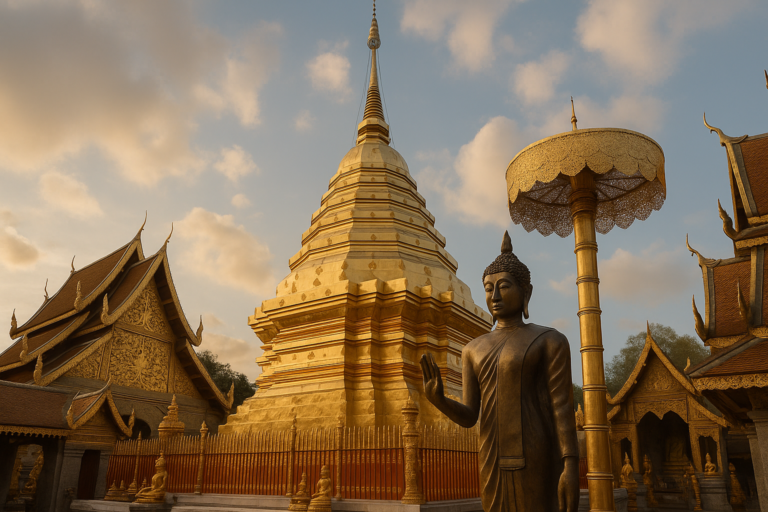
Wat Phrathat Doi Suthep sits on a mountain overlooking the city and is genuinely worth the journey up. Go early — before 8am if possible — to beat the crowds and catch the morning light. The view over Chiang Mai from the temple terrace is one of those moments that makes you stop talking mid-sentence. Take the 306 steps up the Naga staircase rather than the cable car. It’s a short climb and it feels more like an arrival.
The Old City Temples: Go Slow
Inside the Old City walls, Wat Chedi Luang and Wat Phra Singh are the two most visited temples — and they deserve their reputation. But the real discovery comes when you wander away from these anchor points and find the smaller wats tucked into residential streets. Some are barely maintained. Some have monks living on the grounds who are happy to chat if you approach respectfully. These quieter temples are where you’ll feel the city’s spiritual life rather than just observe it.
Temple Etiquette That Actually Matters
- Cover your shoulders and knees. This isn’t optional — carry a light scarf or sarong in your bag.
- Remove your shoes before entering any building.
- Keep your voice low. These are active places of worship.
- Ask before photographing monks or people praying.
- Don’t point your feet toward Buddha images or monks — it’s considered deeply disrespectful.
Experiences That Go Beyond the Surface
Learn Something While You’re Here
Chiang Mai is one of the best cities in Southeast Asia to actually learn a skill rather than just consume experiences. Thai cooking classes are the obvious starting point — and a good one. Look for smaller classes run from someone’s home kitchen rather than large commercial operations. The difference in quality and authenticity is significant.
Beyond cooking, you can study traditional Thai massage, take a silversmithing class (Chiang Mai has a long tradition of silver craft), learn basic meditation at a temple, or join a muay thai training session. These aren’t novelty tourist activities — they’re windows into how people here actually live and what they value.
The Elephant Question
You will be confronted with elephant experiences in Chiang Mai. The ethical options — sanctuaries that prioritize elephant welfare over performance — are genuinely worth your time and money. Do your research before booking. Look for places where elephants roam freely, where riding is not offered, and where the focus is on observation and care rather than entertainment. Responsible elephant sanctuaries in the Chiang Mai area have set a meaningful standard for what ethical wildlife tourism can look like, and supporting them matters.
For guidance on identifying ethical wildlife experiences, resources like World Animal Protection offer useful frameworks for evaluating sanctuaries before you book.
Day Trips That Reward the Effort
The mountains and national parks surrounding Chiang Mai are part of what makes this city special, and getting out of the urban area — even for a day — changes your understanding of the region entirely. Doi Inthanon, Thailand’s highest peak, is reachable in a few hours and offers waterfalls, hill tribe villages, and cooler temperatures that feel genuinely restorative. The drive itself, winding through forested hills, is worth the journey.
Chiang Rai to the north is a popular day trip or overnight destination, and the contrast between the two cities is interesting — Chiang Rai feels even quieter and more off-the-radar than Chiang Mai. The White Temple (Wat Rong Khun) is genuinely unlike anything else you’ll see in Thailand.
Practical Knowledge That Makes a Real Difference
Getting Around
The Old City is walkable. For everything else, you have options. Red songthaews — shared pickup trucks that function as informal buses — are the most local way to get around and cost very little if you’re willing to share with other passengers going in the same direction. Negotiate the price before you get in. Grab and Bolt (ride-hailing apps) work well in Chiang Mai and give you transparent pricing without the negotiation. Renting a bicycle or scooter is popular and genuinely practical for exploring neighbourhoods at your own pace — just be confident on the road before you commit to a scooter.
When to Visit
The cool season — roughly November through February — is widely considered the best time to visit. Temperatures are comfortable, skies are clear, and the city is at its most livable. The downside is that this is also peak tourist season, so popular spots are busier and accommodation prices climb.
March and April bring the infamous smoke season, when agricultural burning in the surrounding hills creates haze and air quality issues that can be significant. If you have respiratory sensitivities, plan around this period. The rainy season from June through October brings lush green landscapes and far fewer crowds — a genuine trade-off worth considering.
A Few Things Worth Knowing Before You Arrive
- Chiang Mai is large enough to feel like a real city but small enough to feel navigable within a day or two.
- The local dialect (Kham Mueang) is distinct from Central Thai. Locals will appreciate any effort to learn even a few words of greeting.
- Cash is still king at markets and smaller restaurants. Keep small bills on you.
- The city has a thriving community of long-term expats and digital nomads — which means excellent coffee, good co-working spaces, and plenty of people who know the city deeply and are often happy to share recommendations.
For a broader orientation to traveling Thailand thoughtfully, the Tourism Authority of Thailand provides practical information on regional travel, local customs, and seasonal considerations worth reviewing before your trip.
The Honest Case for Spending More Time Here
Most travelers give Chiang Mai three days. That’s enough to see the highlights and feel like you’ve experienced something. But the travelers who come back — and many do, again and again — will tell you that three days is just the beginning of understanding this city.
A week in Chiang Mai starts to reveal its rhythms. You find a coffee shop that becomes yours. You figure out which market stall makes the best khao soi on which day of the week. You start recognizing faces. The city stops being a destination and starts being a place you inhabit, however temporarily. That shift — from tourist to temporary local — is what keeps drawing people back.
Using a good Chiang Mai local guide as your starting point is smart. But the best version of this city is the one you discover by wandering, asking questions, and being willing to follow your curiosity down streets that don’t appear on any map. That’s the version worth coming back for.
Your Chiang Mai Starts Here
Chiang Mai isn’t trying to impress you. It doesn’t need to. The city has been drawing travelers, artists, monks, wanderers, and curious souls for centuries — long before Instagram existed, long before travel blogs mapped every corner. It has a quiet confidence that comes from knowing exactly what it is.
Whether you’re arriving for the first time or the fifth, the most valuable thing you can bring is an open schedule and a genuine willingness to slow down. Skip the rush. Eat the food that smells best. Sit in a temple courtyard longer than feels necessary. Talk to the person running the market stall. The experiences that stay with you from Chiang Mai are rarely the ones you planned — they’re the ones that happened in between. That’s what makes this city worth every return visit, and why a thoughtful Chiang Mai local guide will always point you toward the same truth: the real city is there waiting, just beyond the obvious path.
This article was produced with AI assistance and reviewed editorially.


Southeast Asia on a Shoestring: Budget Routes Across Thailand, Vietnam & Cambodia

Southeast Asia Decoded: Hanoi 3-Day Itinerary + Vietnam Misconceptions Debunked


