
Asia
Chiang Mai Beyond the Guidebooks: 12 Visits Reveal What Locals Actually Do
Discover authentic Chiang Mai beyond guidebooks. Learn about the burning season, King Bhumibol’s connection, local neighborhoods, and real cultural experiences from 12 pe

Why Chiang Mai Keeps Pulling You Back
Every solid Chiang Mai travel guide will point you toward the Old City walls, hand you a temple checklist, and send you off with a tuk-tuk recommendation. And honestly? That’s a fine starting point. But Chiang Mai is the kind of city that rewards the traveler who slows down, wanders without a plan, and pays attention to what’s happening just around the corner from the obvious sights. After twelve visits — the kind of visits where you stop counting temples and start noticing which coffee shop has the best view of the mountains — the city reveals a completely different version of itself.
Chiang Mai sits in northern Thailand and is consistently ranked as the country’s third most popular destination, drawing travelers after Bangkok and the southern islands. But calling it third place undersells it. This city has a distinct identity, a layered history, and a pace of life that feels genuinely different from the rest of Thailand. It’s considered the spiritual capital of the country, and once you spend a few days here, that description starts to make sense in ways you can’t quite articulate.
The Historical Weight of the City
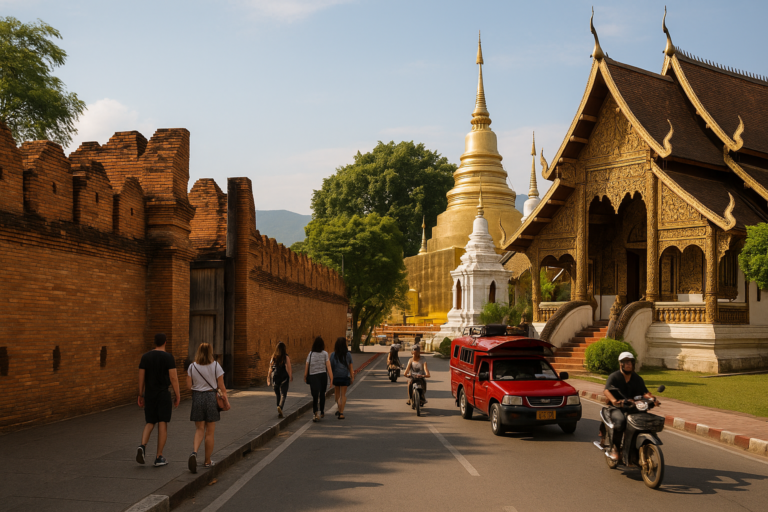
Chiang Mai isn’t just old — it carries its history in a way that feels present rather than preserved. The Old City is the physical and emotional heart of the place, enclosed by ancient walls and a moat that still hold their shape after centuries. Inside those walls, you’ll find temples, markets, and the famous Sunday Night Market weaving through streets that haven’t changed their bones in generations.
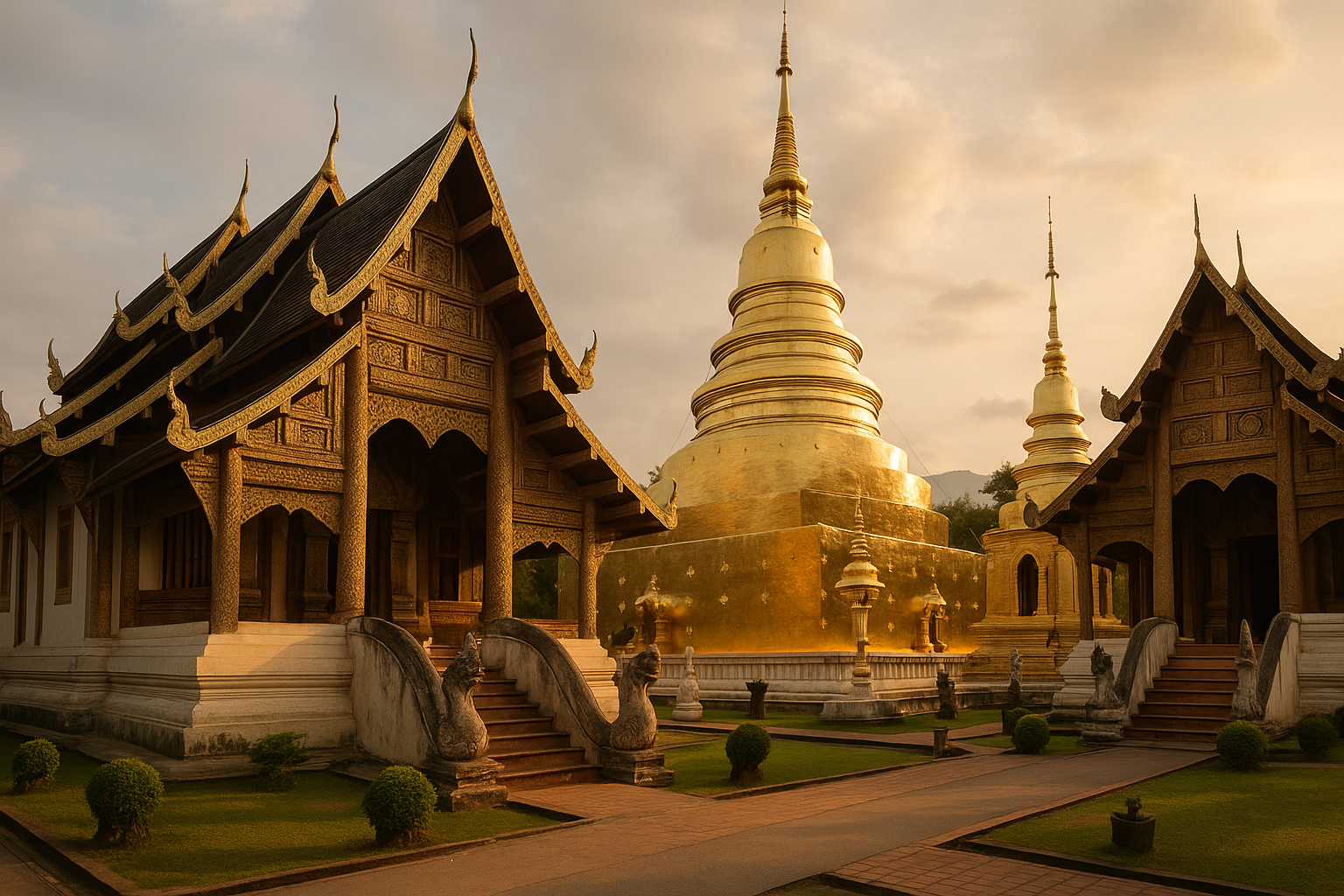
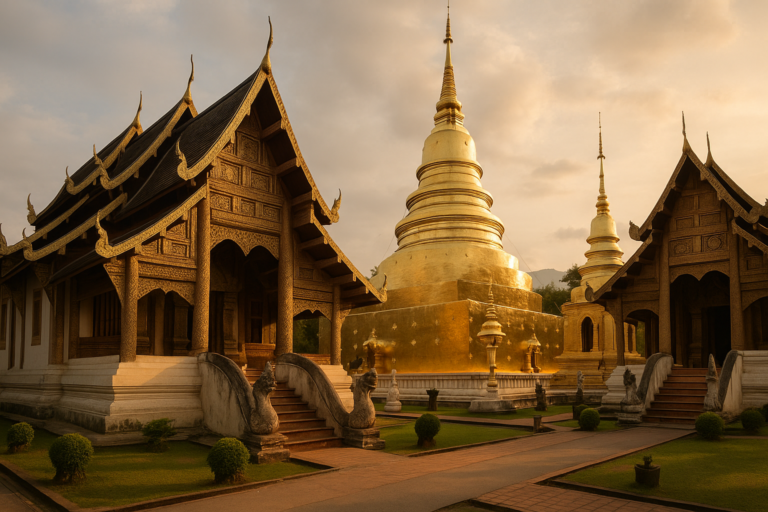
One of the most iconic temples you’ll encounter is Wat Phra Singh, a complex that manages to feel both grand and intimate at the same time. Arrive early in the morning before the heat builds and you might catch monks in saffron robes going about their daily rituals — a moment that feels quietly extraordinary.
Then there’s Wat Palad, a hidden temple tucked into the forested hillside on the way up to Doi Suthep. Most visitors drive straight past it. Don’t. The jungle setting, the moss-covered statues, and the near-silence make it feel like a discovery even on a busy day. This is the kind of place that doesn’t make it onto most itineraries, which is exactly why it should be on yours.
Few people know that King Bhumibol Adulyadej, who ruled Thailand until his passing in 2016, considered Chiang Mai his favorite city. That connection adds a layer of meaning to the reverence you feel throughout the city — in the way temples are maintained, in the portraits you’ll see in shop windows, in the quiet pride locals carry about their home. The city wasn’t just a royal retreat; it was genuinely loved.
For a more unconventional piece of history, seek out the Foreign Cemetery — a quiet, often overlooked site that tells the story of the missionaries, traders, and adventurers who made Chiang Mai their home in earlier centuries. It’s a thoughtful place to spend half an hour, and it connects the city to a broader global story that most travel guides skip entirely.
Understanding the Burning Season Before You Book
Here’s the thing most travel guides either gloss over or bury in a footnote: Chiang Mai has a burning season, and if you’re planning a visit, you need to know about it before you land.
The burning season typically falls in the months leading up to the rainy season — roughly late winter through spring — when agricultural burning in the surrounding hills and across the wider region creates a haze that settles over the city. On the worst days, the air quality drops significantly, the mountains disappear behind a grey curtain, and being outdoors for extended periods becomes genuinely uncomfortable. For travelers with respiratory conditions, asthma, or even just a sensitivity to smoke, this period can be difficult.
That said, the burning season is not a reason to never visit Chiang Mai. It’s a reason to time your visit thoughtfully.
- Check air quality forecasts before and during your trip. Resources like IQAir’s Chiang Mai page give you real-time air quality index readings so you can plan your outdoor activities around the better days.
- Carry a well-fitting mask. Not the paper kind — a proper N95 or equivalent mask makes a real difference on high-pollution days.
- Adjust your expectations for mountain views. Doi Suthep and the surrounding peaks can be completely invisible during peak burning weeks. If a clear mountain backdrop is important to your trip, aim for a different time of year.
- Lean into indoor experiences. Chiang Mai’s coffee shops, cooking classes, art studios, and night markets are all still fully enjoyable even when the outdoor air is hazy.
- Consider visiting outside this window. The cool season — roughly late autumn through early winter — offers clear skies, comfortable temperatures, and the city at its most visually stunning.
Being honest about the burning season isn’t meant to scare you off. It’s meant to help you have the trip you actually want. Locals live with it, adapt to it, and carry on — and you can too, with the right preparation.
Life Beyond the Old City Walls
The Old City is where most visitors spend most of their time, and it’s genuinely worth it. But Chiang Mai’s real community life happens in the neighborhoods that stretch beyond those ancient walls, and you’ll miss a huge part of the city if you don’t venture out.
Nimman Road and the Creative Quarter
The Nimmanhaemin area — usually just called Nimman — is where Chiang Mai’s creative energy concentrates. Independent coffee shops with serious pour-over programs sit next to galleries, design boutiques, and restaurants run by young Thai chefs experimenting with northern flavors. It’s the neighborhood where digital nomads set up for weeks at a time, and where locals in their twenties come to spend a Sunday afternoon. The coffee scene here is genuinely impressive — this isn’t just café culture for the sake of Instagram, it’s a community of people who care deeply about what’s in the cup.
Santitham and the Local Rhythm
If you want to see Chiang Mai functioning as an actual city rather than a tourist destination, spend some time in Santitham. This residential neighborhood north of the Old City is full of local markets, family-run restaurants, and the kind of everyday life that reminds you that most of the people here aren’t on vacation — they’re just living. Morning markets here start early and wind down by mid-morning, selling fresh produce, prepared foods, and snacks you won’t find at the tourist-facing stalls.
The Night Bazaar Area
East of the Old City, the Night Bazaar district has a different energy — more commercial, more chaotic, and honestly more fun than its reputation suggests. Yes, there are souvenir stalls. But there are also street food vendors doing extraordinary things with grilled meats and noodle soups, live music spilling out of open-fronted bars, and the kind of spontaneous encounters that make travel memorable. Don’t write it off because it feels touristy. Touristy places are touristy for a reason.
Eating Like You Actually Live Here
Northern Thai food is its own cuisine, distinct from what you’ll find in Bangkok or on the southern islands. The flavors are earthier, often less sweet, and built around ingredients grown in the cooler mountain climate. If you only eat at restaurants with English menus and photos on the walls, you’re missing the point entirely.
Khao soi — a rich, coconut-based curry noodle soup topped with crispy fried noodles — is the dish most associated with Chiang Mai, and for good reason. But don’t stop there. Sai oua (northern Thai herb sausage), nam prik ong (a tomato and pork chili dip served with vegetables and pork rinds), and kaeng hang le (a slow-cooked Burmese-influenced pork curry) are all dishes that tell you something real about where you are.
The best approach is to eat where you see locals eating. Markets, simple shophouses, and roadside stalls with plastic stools and no English signage are often where the most memorable meals happen. Point at what looks good, smile, and trust the process. You’ll rarely be disappointed.
For a more structured food experience, a cooking class is genuinely worth your time — not as a tourist activity, but as a way to understand the logic of the cuisine. Learning why certain pastes are built the way they are, or why a particular dish uses fresh turmeric instead of dried, gives you a framework that makes every subsequent meal more interesting. Indie Traveller’s Chiang Mai guide covers some practical recommendations for getting oriented in the city.
Practical Things Worth Knowing in 2026
Chiang Mai is well set up for independent travelers, but a few practical realities are worth understanding before you arrive.
- Getting around: The city is large enough that walking everywhere isn’t always practical, but small enough that ride-hailing apps work well. Renting a scooter gives you genuine freedom, especially for exploring beyond the city center — but be honest with yourself about your riding experience before you do.
- Temple etiquette: Cover your shoulders and knees when entering temples. Most sites have wraps available if you forget, but it’s respectful to come prepared. Remove your shoes before entering any indoor temple space.
- Timing your days: The heat in the middle of the day — particularly outside the cool season — is intense. Plan active outdoor exploration for early morning and late afternoon, and use the midday hours for indoor experiences, a long lunch, or a nap without guilt.
- The Sunday Night Market: This is genuinely one of the best markets in Southeast Asia. It takes over the streets around the Old City and runs well into the evening. Come hungry, wear comfortable shoes, and leave room in your bag.
- Ethical tourism choices: Chiang Mai has historically been associated with elephant tourism, and the range of experiences on offer varies enormously in terms of animal welfare. Do your research carefully before booking anything involving animals, and prioritize sanctuaries that focus on observation and rehabilitation over performances or riding.
The Feeling of Chiang Mai That No Guide Quite Captures
There’s a particular quality to Chiang Mai that’s difficult to put into words but easy to feel. It’s a city that takes spirituality seriously without being solemn about it. It’s a place where ancient temples and specialty coffee shops exist on the same block without any apparent contradiction. It moves at a pace that invites you to slow down without making you feel like you’re wasting time.
The fact that King Bhumibol Adulyadej chose this city as his favorite says something about its character. There’s a warmth here, a sense of community, and a pride in local identity that you feel in the way people talk about their city, cook their food, and maintain their temples. Chiang Mai isn’t trying to be Bangkok, and it has no interest in competing with the beaches of the south. It’s entirely itself.
After twelve visits — or two, or twenty — the city keeps offering something new. A neighborhood you haven’t walked through, a temple hidden in the forest, a coffee shop that didn’t exist last year, a conversation with someone who’s been here their whole life and sees the place completely differently from how you do. That’s the thing about Chiang Mai: it rewards curiosity more than almost anywhere else in Thailand.
How to Make the Most of Your Visit
Whether this is your first time or your fifth, a few principles will serve you well in Chiang Mai.
- Give yourself more time than you think you need. Three days feels like enough until you’re on day two and realizing how much you haven’t seen.
- Stay inside or very close to the Old City for at least part of your trip — the convenience of walking to temples and markets in the early morning is hard to overstate.
- Talk to people. Guesthouse owners, market vendors, other travelers who’ve been here longer than you — the best recommendations almost always come from conversation rather than a list.
- Get up early at least once. Chiang Mai at dawn, before the heat and the crowds arrive, is a different city entirely.
- Let yourself get a little lost. The Old City’s grid is forgiving, and the best discoveries often happen when you stop following directions.
A good Chiang Mai travel guide can open the door. But the real experience — the one you’ll still be thinking about on the flight home — is the one you build yourself, one unexpected turn at a time. The city has been here for centuries, and it’s in no hurry. Neither should you be.
This article was produced with AI assistance and reviewed editorially.


Southeast Asia on a Shoestring: Budget Routes Across Thailand, Vietnam & Cambodia

Southeast Asia Decoded: Hanoi 3-Day Itinerary + Vietnam Misconceptions Debunked


