
Asia
Chiang Mai Beyond the Guidebook: 12 Visits Later, Here’s What Actually Matters
Discover what makes Chiang Mai special beyond temples and markets. This Chiang Mai travel guide reveals neighborhood secrets, local experiences, and seasonal timing that

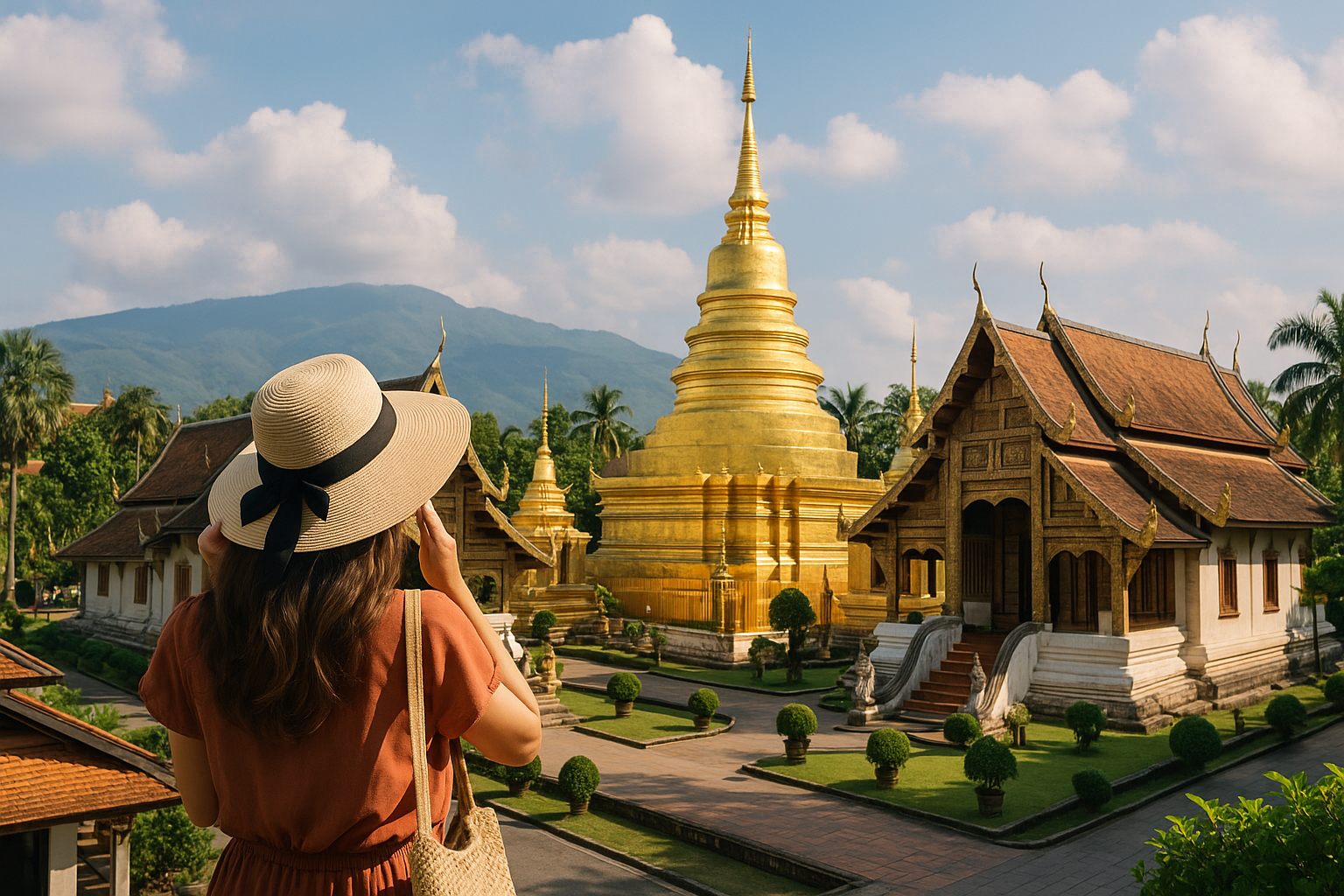
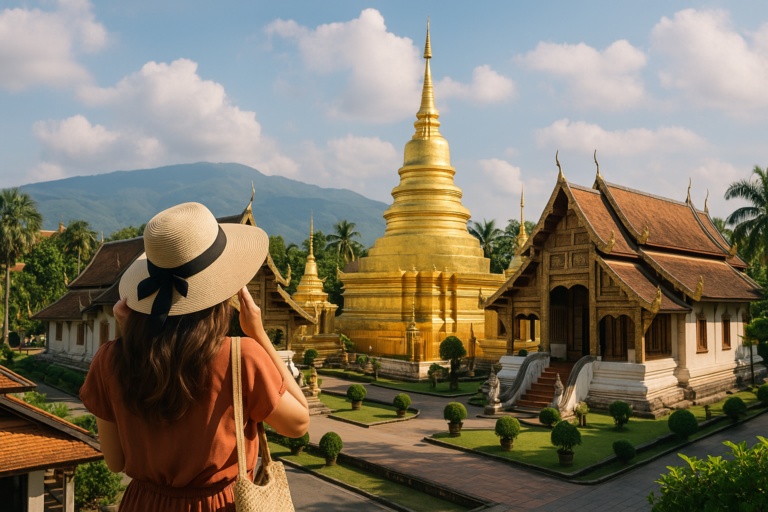
What a Chiang Mai Travel Guide Won’t Tell You — Until Now
Most first-timers arrive in Chiang Mai with a list: temples, night markets, a cooking class, maybe a trek into the hills. And honestly? That list isn’t wrong. But if you’ve spent serious time in this city — the kind of time that takes you past the guesthouses and into the rhythm of actual daily life — you start to see a completely different place underneath. This Chiang Mai travel guide isn’t here to repeat what you already know. It’s here to show you what most visitors miss, what genuinely matters, and how to make your time in Northern Thailand’s biggest city count for something real.
Chiang Mai sits in the mountainous north of Thailand, surrounded by jungle-covered peaks and threaded through with a culture that feels distinct from Bangkok’s coastal energy. It’s the kind of city that rewards slow travel. The longer you stay, the more it gives you. And the more you understand about its rhythms — its seasons, its neighborhoods, its unspoken rules — the better your experience becomes.
Understanding Chiang Mai: More Than a Stopover
Chiang Mai is the largest city in Northern Thailand, and it carries a weight of history and cultural identity that sets it apart from the rest of the country. It was famously the favorite city of the late King Bhumibol Adulyadej, who ruled Thailand until his passing in 2016 — a fact that speaks volumes about the city’s character. There’s a grace here, a sense of pride in tradition, that you feel even in casual interactions.
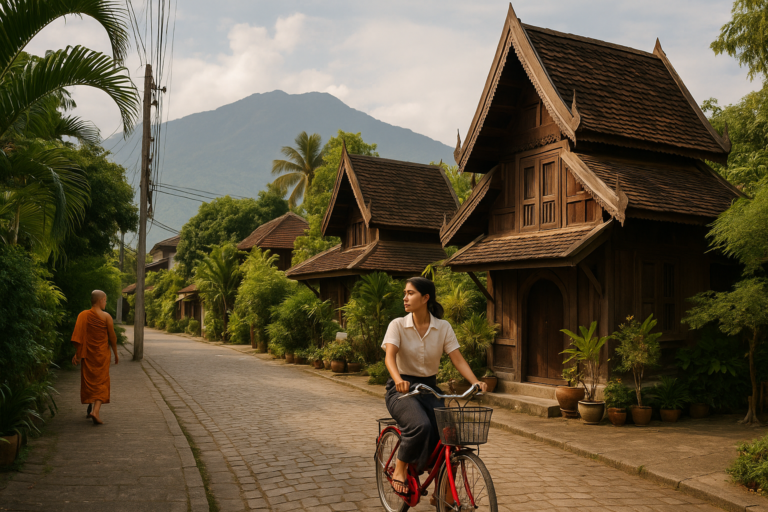
The city isn’t trying to be Bangkok. It doesn’t need to be. Where Bangkok dazzles with scale and speed, Chiang Mai draws you in with texture. Ancient temple walls rise beside coffee shops run by art school graduates. Street food vendors set up next to independent bookstores. Monks walk past backpackers at sunrise. It’s a city of contrasts that somehow feel completely natural together.
For young travelers especially, Chiang Mai offers something rare: a destination where you can go deep rather than just wide. You can spend a week here and still feel like you’ve only scratched the surface. That’s not a warning — it’s an invitation.
The Old City: Where History Lives and Breathes
The Old City is the historical and geographical heart of Chiang Mai. Enclosed within ancient walls and a moat, it’s a compact, walkable square that holds an extraordinary concentration of temples, guesthouses, cafés, and local life. This is where most visitors base themselves, and for good reason — it’s genuinely one of the most atmospheric urban spaces in Southeast Asia.
Walking the Old City early in the morning, before the heat builds and the tour groups arrive, is one of those experiences you carry with you long after you’ve gone home. The streets are quiet. Monks in saffron robes make their alms rounds. The smell of incense drifts from temple courtyards. It feels ancient and alive at the same time.
The Sunday Night Market runs through the heart of the Old City, transforming the streets into a vibrant corridor of local crafts, street food, and live music. It’s busy — there’s no pretending otherwise — but it’s also genuinely good. Local artisans sell handmade goods, and the food stalls offer some of the most accessible Northern Thai cooking you’ll find anywhere in the city. Go hungry, go early, and take your time.
Beyond the market, the Old City rewards exploration. Duck into temple courtyards when you see open gates. Stop at the small shrines tucked between shophouses. Let yourself get slightly lost — the walls mean you’ll always find your bearings again.
Temples Worth Your Time
Chiang Mai has so many temples that it can feel overwhelming. The instinct is to try to see as many as possible, but that approach tends to produce temple fatigue rather than genuine appreciation. A more rewarding strategy is to choose a handful and actually spend time in them.
Wat Doi Suthep is the one temple that genuinely deserves its reputation. Sitting high on the mountain that overlooks the city, it requires a journey to reach — either by songthaew (a shared red truck taxi) up a winding mountain road, or on foot via a forested trail if you’re up for the climb. The views from the temple terrace over the city below are worth every step. Arrive early to avoid the crowds and to experience the morning calm that makes the place feel genuinely sacred rather than simply scenic.
Within the Old City itself, several temples offer a quieter, more intimate experience. Many of them are free to enter, though a respectful dress code applies — shoulders and knees covered, shoes removed before entering any building. Keep this in mind when you’re packing for a day of exploring.
The key is to approach temples as living places of worship rather than photo opportunities. You’ll get more out of them — and you’ll be a more respectful visitor — if you observe what’s happening around you before reaching for your camera.
Eating Like You Actually Live There
Northern Thai food is its own culinary universe, and Chiang Mai is the best place in the world to explore it. The cuisine here is distinct from the dishes you’ll find in Bangkok or on the southern islands — earthier, more herbal, with flavors that build slowly rather than hitting you all at once.
Khao Soi is the dish you need to know. A Northern Thai specialty, it’s a rich, coconut-based curry soup served over egg noodles, topped with crispy fried noodles, and usually accompanied by pickled mustard greens, shallots, and lime. It’s warming and complex and completely addictive. You’ll find it everywhere in Chiang Mai, from humble roadside stalls to more established restaurants, and the variation between versions is genuinely interesting — part of the fun is developing your own opinion on what makes the perfect bowl.
Beyond Khao Soi, the city’s food scene rewards curiosity. Morning markets offer an overwhelming spread of fresh produce, prepared dishes, and snacks that locals pick up on the way to work. The Warorot Market, just east of the Old City, is one of the most vibrant — a multi-story covered market where you can eat your way through Northern Thai breakfast staples for next to nothing.
For a more relaxed eating experience, the neighborhoods surrounding the Old City are full of small restaurants and cafés that cater more to locals than to tourists. Prices drop, quality stays high, and you’re more likely to end up in a conversation with the person running the place. Those are often the meals you remember longest.
Navigating the Seasons: What You Need to Know Before You Go
Timing your visit to Chiang Mai matters more than it does in many other destinations, because the city’s seasons vary dramatically in ways that directly affect your experience.
The cool season, roughly from late November through February, is widely considered the most comfortable time to visit. Temperatures are mild, skies are clear, and the surrounding mountains are at their most accessible. This is peak season, which means more visitors and slightly higher prices, but the conditions genuinely justify the popularity.
The hot season arrives from March onward, and with it comes what locals and regular visitors refer to as burning season. During this period, agricultural burning in the region — combined with naturally dry conditions — can create significant air quality issues across the city and surrounding areas. Haze settles over the mountains, visibility drops, and for anyone with respiratory sensitivities, it can be genuinely uncomfortable. It’s worth checking current air quality data before you travel during these months, and keeping an eye on updates closer to your departure date. Resources like the IQAir Chiang Mai page provide real-time air quality readings that can help you make informed decisions about when to visit and how to plan outdoor activities.
The rainy season, which runs roughly from June through October, brings its own character. The city turns lush and green, crowds thin out noticeably, and prices soften. Rain tends to come in afternoon bursts rather than all-day downpours, which means mornings are often perfectly clear for exploring. If you’re traveling on a tighter budget and don’t mind the occasional soaking, the rainy season is genuinely underrated.
Getting Around: Practical Advice That Actually Helps
Chiang Mai is navigable in a way that many Southeast Asian cities aren’t. The Old City is compact enough to walk entirely, and the broader city is well-served by a combination of songthaews, tuk-tuks, and ride-hailing apps. Renting a scooter is popular among longer-stay visitors and gives you real freedom to explore the surrounding countryside — but only do this if you’re genuinely comfortable on two wheels and have appropriate insurance.
Songthaews — the iconic red shared trucks — are one of the most practical ways to get around. They operate on loose routes but will often negotiate a direct fare if you’re heading somewhere specific. Agree on the price before you get in, and you’ll avoid any misunderstanding at the end of the journey.
For day trips into the mountains or to more remote temples, hiring a driver for the day is often the most sensible option. It’s more affordable than you might expect, and a good local driver can show you places that don’t appear on any map. Ask your guesthouse or accommodation for recommendations — personal referrals tend to be more reliable than random street approaches.
Where to Stay: Thinking Beyond the Old City
Staying inside the Old City walls puts you close to the temples and the Sunday Night Market, and it’s a great choice for a first visit. But if you’re spending more than a few days in Chiang Mai, it’s worth considering the neighborhoods that sit just outside the moat.
The Nimmanhaemin area, to the northwest of the Old City, has a distinctly different energy — more cafés, more co-working spaces, more of the creative and digital nomad community that has made Chiang Mai one of Southeast Asia’s most popular long-stay destinations. It’s a good base if you want a mix of local daily life and reliable connectivity.
The area east of the Old City, along the Ping River, offers a quieter, more residential feel. Guesthouses and boutique hotels here tend to be calmer, and the riverside setting adds a dimension that the Old City’s landlocked streets can’t offer. Early morning walks along the river, before the city fully wakes up, are genuinely lovely.
Whatever neighborhood you choose, look for accommodation that connects you to the local area rather than insulating you from it. Smaller guesthouses run by local families tend to offer better insight into the city than larger international hotels — and the conversations you have over breakfast can be worth as much as any tour.
Experiences That Go Beyond the Tourist Trail
Chiang Mai’s reputation as a tourist destination is well-established, which means there’s a well-worn path of experiences designed specifically for visitors. Some of them are genuinely worthwhile. Others are more about convenience than authenticity. The difference usually comes down to who benefits and who’s actually involved.
A Thai cooking class is one of those experiences that lives up to the hype — particularly if you choose one that takes you to a local market first to source ingredients. Learning to make Khao Soi from scratch, understanding why certain pastes are built the way they are, and eating what you’ve cooked with a group of strangers: that’s a genuinely good afternoon. For inspiration on what to look for in a quality cooking experience, Lonely Planet’s Chiang Mai guide offers useful orientation on setting expectations before you book.
Meditation retreats and temple stays are available for those who want to go deeper into Thai Buddhist practice. These range from a single morning session to multi-day immersive experiences, and they offer a kind of stillness that’s hard to find in the middle of a busy travel itinerary. You don’t need to be spiritual to find value in them — you just need to be genuinely curious and respectful.
Hiking and trekking into the hills surrounding Chiang Mai is another experience that rewards careful choice of operator. Look for guides who work with local communities and are transparent about where your money goes. The landscape is genuinely spectacular — forested ridges, hill tribe villages, waterfalls that see a fraction of the visitors that the city’s temples do.
A Few Things to Know Before You Arrive
- Dress respectfully at temples. Shoulders and knees should be covered. Sarongs are often available to borrow at major sites, but having your own lightweight layer is more practical.
- Negotiate fairly, not aggressively. Bargaining is normal at markets, but the amounts involved are usually small. A fair deal is one where both sides feel good about it.
- Learn a few words of Thai. Even basic greetings go a long way. People appreciate the effort, and it changes the tone of interactions immediately.
- Check air quality during burning season. If you have respiratory issues or are traveling with children, pay close attention to air quality forecasts during the March-to-May window.
- Give yourself more time than you think you need. Chiang Mai is one of those cities where the best moments tend to happen when you’re not rushing.
- Eat at the markets. Some of the most memorable food in the city costs almost nothing and is eaten standing up at a plastic table. Don’t overlook it in favor of restaurant comfort.
- Respect the monarchy. Thailand’s laws around this are strict and seriously enforced. Be mindful of what you say and share publicly.
Why Chiang Mai Keeps Pulling People Back
There’s a reason experienced travelers keep returning to Chiang Mai. It’s not just that the city is pleasant or convenient, though it is both. It’s that the city has layers — and each visit reveals something new. The temple you walked past on your first trip becomes the one you sit in for an hour on your third. The neighborhood that seemed unremarkable turns out to have the best coffee you’ve ever had. The cooking technique you learned in a class starts informing the way you think about food at home.
This is what a good Chiang Mai travel guide is ultimately trying to give you: not a checklist, but a framework for paying attention. The city is generous with its rewards, but you have to show up with genuine curiosity rather than a fixed itinerary. The travelers who get the most out of Chiang Mai are almost always the ones who arrived with open schedules and open minds.
Whether this is your first visit or your fifth, Chiang Mai has something left to show you. Go slowly, eat everything, talk to people, and let the city surprise you. That’s always been the best way to travel here — and it always will be.
This article was produced with AI assistance and reviewed editorially.


Southeast Asia on a Shoestring: Budget Routes Across Thailand, Vietnam & Cambodia

Southeast Asia Decoded: Hanoi 3-Day Itinerary + Vietnam Misconceptions Debunked


