
Asia
Chiang Mai Travel Guide: 12 Visits Later, Here’s What You Actually Need to Know (2026)
A comprehensive Chiang Mai travel guide covering neighborhoods, temples, food, and seasonal timing from someone with deep local knowledge and multiple visits.

Why Chiang Mai Keeps Pulling Travelers Back
There are cities you visit once and tick off the list. Then there are cities that get under your skin — places you find yourself booking flights back to before you’ve even unpacked from the last trip. Chiang Mai is firmly in the second category. This Chiang Mai travel guide isn’t built from a single weekend visit or a quick scroll through someone else’s highlights. It’s built from the kind of layered, return-trip knowledge that only comes from spending real time in a place — watching it change, discovering its rhythms, and learning which experiences are genuinely worth your time.
Chiang Mai sits in northern Thailand, surrounded by mountains and jungle, and it carries a very different energy from Bangkok. It’s slower, more reflective, and somehow more welcoming. It was the favorite city of King Bhumibol Adulyadej, who ruled Thailand until his passing in 2016 — and once you spend time here, it’s easy to understand why. The city blends ancient temple culture with a thriving creative scene, world-class street food with specialty coffee, and deep local traditions with a genuinely open, international community.
Whether you’re arriving for the first time or coming back for another chapter, here’s what you actually need to know.
Understanding the City Before You Arrive
The Layout That Changes How You Explore
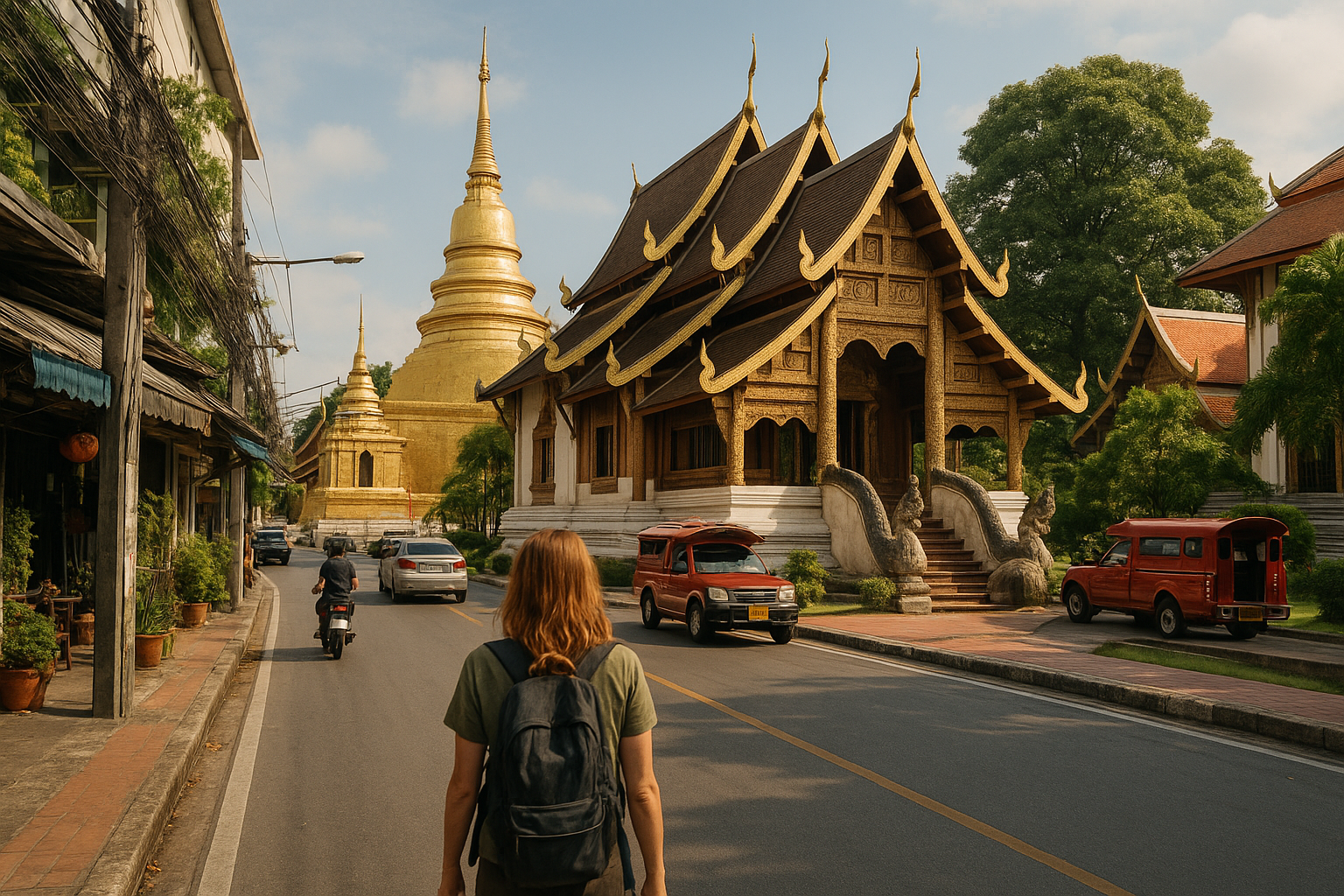
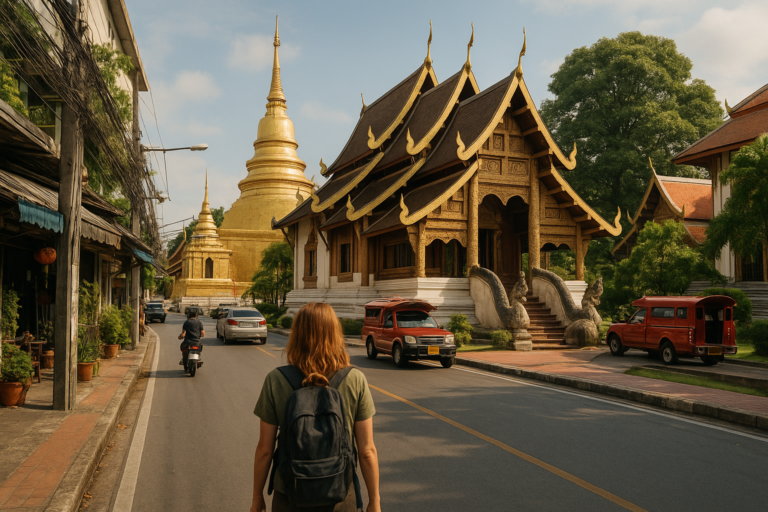
Chiang Mai is surprisingly easy to navigate once you understand its basic geography. The Old City sits at the heart of everything — a square area surrounded by a moat and remnants of an ancient wall. Inside that boundary, you’ll find temples on nearly every corner, the famous Sunday Night Market, cozy coffee shops, and some of the best food in the city. It’s compact enough to walk, which is one of its greatest strengths.
Beyond the Old City walls, the city opens up into distinct neighborhoods, each with its own personality. Nimman Road (short for Nimmanhaemin) is the creative, café-heavy district where digital nomads gather and independent boutiques line the streets. The Night Bazaar area is more commercial and tourist-facing, but still worth an evening wander. And if you head further out, you’ll find local markets, riverside communities, and the kind of everyday Chiang Mai that most visitors never see.
Understanding this layout matters because it shapes how you spend your time. Staying inside the Old City puts you close to the temples and the Sunday market. Staying in Nimman gives you a more modern, local-feeling base. Neither is wrong — it depends on the experience you’re chasing.
When to Go (and What to Avoid)
The best time to visit Chiang Mai is between November and February. The weather is cooler, the skies are clear, and the city feels alive with festivals and outdoor activity. This is when Chiang Mai is at its most photogenic and most comfortable to explore on foot.
March through May brings a different story. This is the burning season — a period when agricultural burning across the region creates significant air quality issues, particularly in the north of Thailand. Haze can settle over the city for weeks, limiting visibility and, more importantly, affecting your health. It’s not a reason to never visit during this period, but it’s something you should research before booking, check air quality forecasts for, and factor into your plans — especially if you have respiratory sensitivities.
The rainy season runs roughly from June through October. Showers are frequent but often short, and the landscape turns lush and green. Crowds thin out, prices drop, and the city takes on a quieter, more local feel. If you don’t mind occasional rain and you’re traveling on a budget, this is actually a fantastic window to visit.
The Temples: More Than Just a Photo Stop
Chiang Mai has hundreds of temples — Wats, as they’re called in Thai — and visiting them is one of the defining experiences of any time spent here. But there’s a difference between rushing through a checklist and actually letting these places affect you.
Doi Suthep
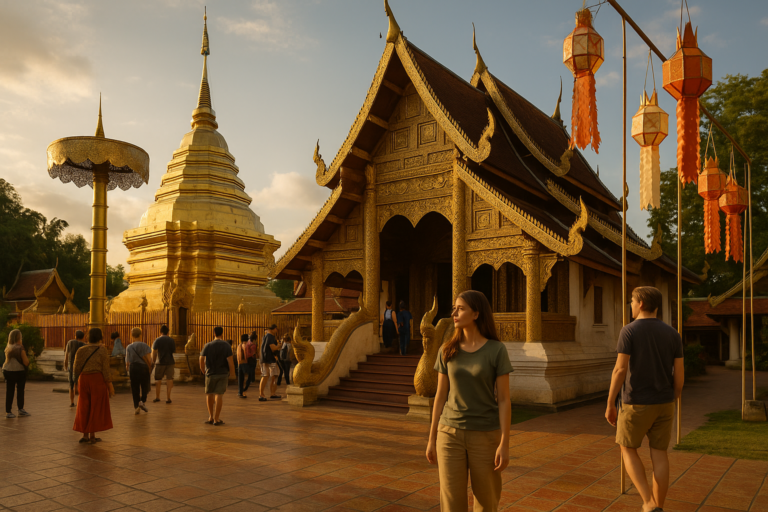
Wat Phra That Doi Suthep sits on a mountain overlooking the city, and the view alone makes the journey worthwhile. You’ll climb a long staircase flanked by serpentine naga sculptures to reach the golden chedi at the top. Go early in the morning if you can — before the tour groups arrive and while the monks are still chanting. The atmosphere at that hour is genuinely moving.
Wat Chedi Luang
Inside the Old City, Wat Chedi Luang is one of the most impressive temple complexes in northern Thailand. The partially ruined chedi dates back centuries and gives the site a raw, unpolished quality that more restored temples sometimes lack. In the evenings, monks sometimes participate in open conversations with visitors — a rare and genuinely memorable opportunity to connect across cultures.
Wat Suan Dok
Less visited than some of the bigger sites, Wat Suan Dok is worth seeking out — both for its striking white chedis and for the monk chat programs it hosts. It’s a good reminder that temples in Chiang Mai aren’t just historic monuments. They’re living, active communities.
A note on temple etiquette: dress modestly (shoulders and knees covered), remove your shoes before entering buildings, and be mindful of noise and behavior. These are places of worship first and tourist attractions second. Respecting that makes the experience better for everyone.
Food: Where Chiang Mai Genuinely Shines
Northern Thai cuisine is distinct from what you’ll find in Bangkok or on the islands, and Chiang Mai is the best place in the world to explore it. The flavors are earthier, less sweet, and often more complex — influenced by neighboring Myanmar, Laos, and Yunnan province in China.
Dishes You Need to Try
- Khao Soi: A rich, coconut-based curry noodle soup topped with crispy fried noodles. This is the dish Chiang Mai is most famous for, and for good reason. Every restaurant has its own version — try several and develop your own opinion.
- Sai Oua: Northern Thai sausage seasoned with lemongrass, galangal, and kaffir lime leaves. You’ll smell it cooking at markets before you see it.
- Nam Prik Ong: A tomato-based chili dip served with fresh vegetables and pork rinds. It’s the kind of dish that quietly becomes your favorite thing you ate on the whole trip.
- Kao Tom: Thai rice porridge, typically eaten for breakfast or late at night. Simple, warming, and deeply comforting.
- Mango Sticky Rice: Available across Thailand, but the mango quality in the north during peak season is exceptional.
Where to Eat Like a Local
The Sunday Night Market along Wualai Road is one of the best food markets in the city — less chaotic than some of the bigger bazaars and genuinely loved by locals. Arrive hungry and graze your way through. The Warorot Market (known locally as Kad Luang) is a covered market near the river where you can find fresh produce, dried goods, and snacks that rarely make it onto tourist itineraries. It’s a sensory experience in itself.
For Khao Soi specifically, seek out the small, family-run spots rather than the restaurants with the most Instagram presence. The best bowl you’ll have is probably at a place with plastic stools and a handwritten menu. That’s just how it works.
Neighborhoods Worth Exploring Slowly
Nimman Road and the Creative Quarter
Nimmanhaemin Road has evolved into Chiang Mai’s most cosmopolitan strip, and it’s genuinely worth spending an afternoon here. Independent coffee shops (Chiang Mai has a remarkable coffee culture — the region grows some excellent beans), art galleries, bookshops, and design boutiques line the side streets. It’s a neighborhood that rewards slow walking and spontaneous turns.
The area around Maya Mall and the university brings a younger, more local crowd. Sit in a café, watch the city move, and you’ll start to understand Chiang Mai beyond its temples.
The Old City After Dark
The Old City transforms in the evening. Street food carts appear, fairy lights come on, and the pace shifts. The Sunday Night Market is the obvious draw — it stretches along Wualai Road and fills with handmade crafts, clothing, art, and food. It’s busy, but it’s one of those experiences that earns its reputation.
Beyond the market nights, the Old City has a handful of low-key bars and live music spots that cater to a mix of travelers and locals. Nothing too loud or overwhelming — more the kind of place where you end up staying three hours longer than you planned because the conversation got interesting.
Beyond the City: Day Trips That Deliver
One of Chiang Mai’s greatest advantages is its location. Within a few hours, you can reach mountain villages, jungle waterfalls, elephant sanctuaries, and rice terraces that look like they belong in a painting.
- Elephant sanctuaries: Choose carefully. Look for ethical sanctuaries that prioritize elephant welfare — places where you can observe and interact without riding or performing shows. Do your research before booking. TripAdvisor’s Chiang Mai activities section includes reviews that can help you identify well-regarded options.
- Doi Inthanon National Park: Thailand’s highest peak, surrounded by forest, waterfalls, and hill tribe villages. A full day here feels like a completely different country.
- Chiang Rai: A longer day trip or overnight, but the White Temple (Wat Rong Khun) and the Blue Temple are unlike anything else in Thailand.
- Pai: A small mountain town about three hours north of Chiang Mai, popular with backpackers and travelers looking for a slower pace. The road to get there is winding and dramatic — take motion sickness medication if you’re prone to it.
Practical Things That Actually Matter
Getting Around
Inside the Old City, walking is your best option. The area is compact and most of the major sights are within comfortable walking distance of each other. For longer distances, red songthaew trucks (shared pickup trucks that function as informal buses) are the most local way to get around — affordable and an experience in themselves. Grab taxis and ride-hailing apps work well for convenience, especially at night or when you’re carrying bags.
Renting a scooter is popular and gives you real freedom to explore beyond the city, but only do it if you’re genuinely comfortable riding one. Traffic in Thailand has its own logic, and the roads outside the city can be challenging. If you’re new to scooters, this isn’t the place to learn.
Money and Budget
Chiang Mai is one of the most affordable cities in Southeast Asia for travelers. Street food meals cost very little, guesthouses and hostels offer excellent value, and even mid-range restaurants won’t stretch your budget far. That said, some tourist-facing activities — elephant sanctuaries, cooking classes, guided treks — carry higher price tags, and they’re often worth it. Budget accordingly and don’t cut corners on experiences that matter.
ATMs are widely available, but many charge foreign transaction fees. Bringing some cash from home or withdrawing larger amounts less frequently helps minimize the hit.
Staying Connected and Finding Your Feet
A local SIM card with a data plan is cheap and easy to pick up at the airport or at any convenience store. It makes navigating, translating menus, and staying in touch effortless. Most cafés and guesthouses offer free Wi-Fi, but having your own data gives you freedom.
For deeper planning before you arrive, Indie Traveller’s Chiang Mai travel guide is one of the most thorough and honest resources available — written with the kind of detail that comes from genuine familiarity with the city.
Respecting the Culture While You’re There
Chiang Mai is a deeply Buddhist city, and that shapes everyday life in ways that aren’t always obvious to visitors. Monks are a constant presence — at temples, at markets, on the streets in the early morning. There are specific customs around interacting with monks (women should not touch or hand anything directly to a monk, for example), and being aware of these shows basic respect.
The city has absorbed a lot of tourism, and in some areas that’s created a version of Chiang Mai that exists primarily for visitors. The best antidote is curiosity — go where locals go, eat where locals eat, and approach every interaction as a genuine exchange rather than a transaction. Chiang Mai rewards that approach more than almost anywhere else in Southeast Asia.
Learn a few words of Thai. Even a basic greeting or thank you lands differently than silence. People notice, and it opens doors — sometimes literally.
Your Chiang Mai Story Starts Here
Every good Chiang Mai travel guide will give you the temples, the food, the neighborhoods, and the logistics. But what no guide can fully prepare you for is the feeling of the city itself — the way the mountains frame the skyline at dusk, the smell of incense mixing with street food, the sound of monks chanting before the rest of the city wakes up. Those things have to be experienced.
What makes Chiang Mai worth returning to — again and again — is that it keeps revealing new layers. A neighborhood you walked past a dozen times suddenly has a new café worth spending an afternoon in. A temple you’ve visited before feels different in a different season, at a different hour, with a different mindset. The city doesn’t get smaller the more you know it. It gets bigger.
So whether this is your first trip or your fifth, approach Chiang Mai with genuine curiosity, leave room for the unexpected, and resist the urge to optimize every hour. The best moments here tend to be the ones you didn’t plan. That’s not a cliché — it’s just how this city works.
This article was produced with AI assistance and reviewed editorially.


Southeast Asia on a Shoestring: Budget Routes Across Thailand, Vietnam & Cambodia

Southeast Asia Decoded: Hanoi 3-Day Itinerary + Vietnam Misconceptions Debunked


