
Portugal
Surfing in Ericeira, Portugal: A Complete Guide for Beginners (2026)
Learn to surf in Ericeira, Portugal—Europe’s first World Surfing Reserve just 35km from Lisbon. Discover beginner-friendly breaks, lesson costs, budget stays, and authent

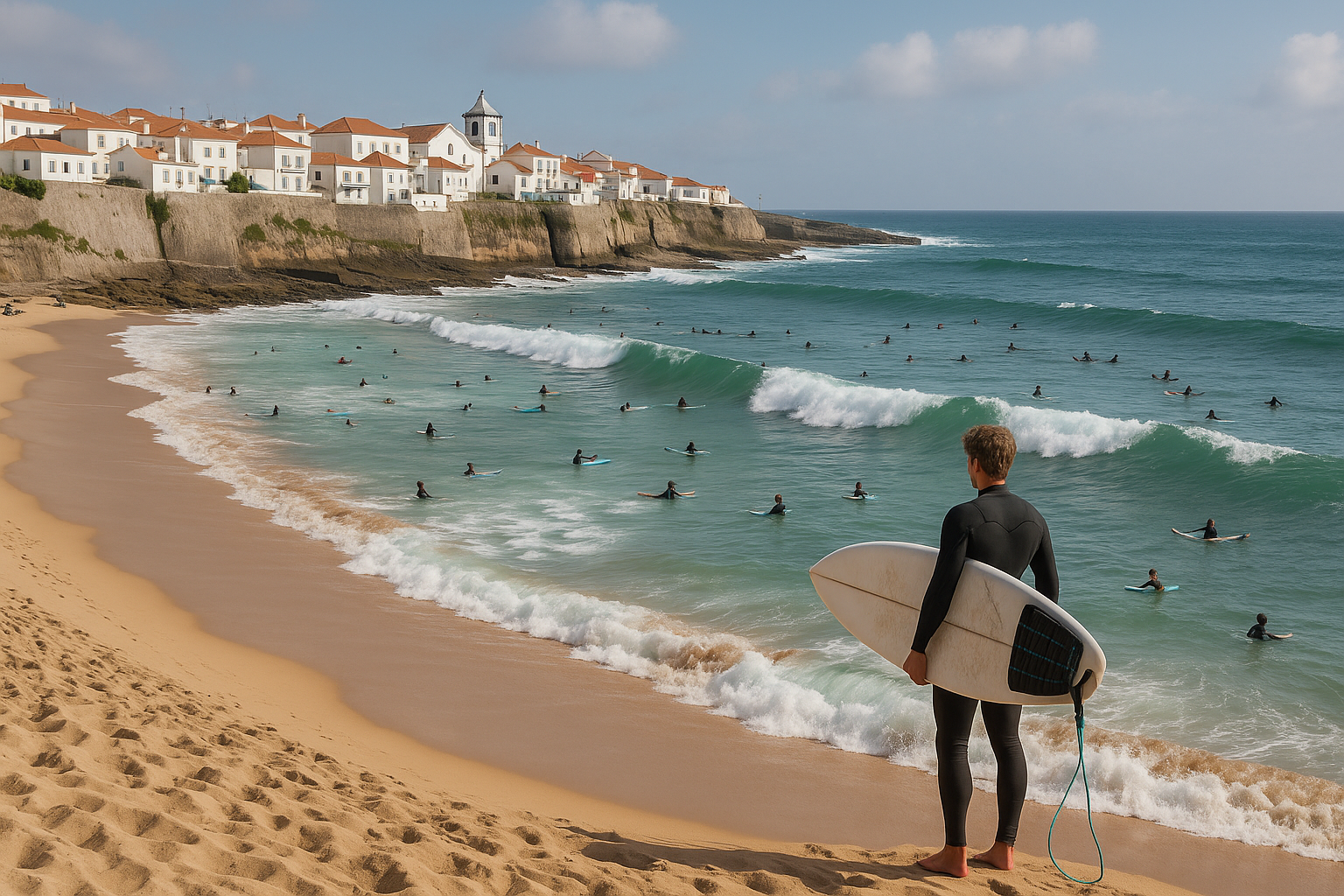
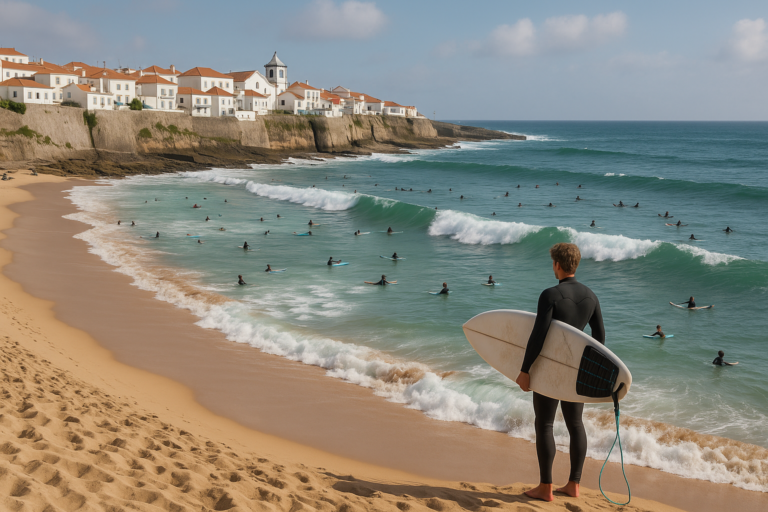
Why Surfing in Ericeira, Portugal Should Be on Your Radar
If you’ve been dreaming about learning to surf somewhere that feels genuinely alive — not just a tourist machine built around surf culture — then surfing in Ericeira, Portugal deserves a serious look. This small Atlantic fishing village, sitting just 30 to 35 minutes from Lisbon Airport, packs more wave variety, more character, and more soul into a few kilometres of coastline than most destinations manage across an entire region. It’s the kind of place where you paddle out at sunrise, eat grilled fish at a table on a cobblestone street at noon, and spend the evening swapping stories with people from a dozen different countries who all ended up here for the same reason: the ocean pulled them in.
What makes Ericeira genuinely special isn’t just the waves. In 2011, it became Europe’s first World Surfing Reserve, a designation that recognises both the quality of its breaks and the community’s commitment to protecting them. That status matters. It means the coastline is taken seriously, the surf culture runs deep, and the local energy is authentic rather than manufactured. Whether you’ve never stood on a board before or you’re looking to push past the beginner stage, Ericeira has something real to offer you.
The Coastline: What You’re Actually Getting Into
Here’s the thing about Ericeira that surprises most first-time visitors: a dozen distinct surf spots are packed into just four kilometres of coastline. That’s a remarkable concentration of variety in a very small stretch of Atlantic shore. Each break has its own character, its own ideal conditions, and its own crowd dynamic. As a beginner, this works in your favour in a big way — you’re not stuck at one beach hoping the conditions cooperate. There’s almost always somewhere along this stretch that’s manageable, approachable, and worth paddling into.
The water temperature is another thing that makes Ericeira more welcoming than its Atlantic location might suggest. Temperatures never drop below 16°C (61°F), which means you won’t be shivering through your first lesson even if you visit in the cooler months. You’ll still want a wetsuit — the Atlantic is the Atlantic — but you won’t be dealing with the kind of cold that makes beginners want to quit after twenty minutes.
The breaks themselves range from gentle, forgiving beach breaks ideal for first-timers to more powerful reef breaks that attract experienced surfers chasing serious waves. Most surf schools and camps operate at the more beginner-friendly spots, so when you book a lesson, your instructor will take you somewhere appropriate for your level. The diversity of the coastline means that as you progress, there’s always a next challenge waiting just down the road.
Surfing Ericeira, Portugal as a Complete Beginner
What Your First Lesson Actually Looks Like
You don’t need any experience to start here. That’s the honest truth. Every day, people who have never touched a surfboard show up in Ericeira, take a two-hour lesson, and walk away standing up — or at least understanding why they didn’t, and feeling motivated to try again. The surf school scene is well-developed without being overwhelming, and instructors are used to working with nervous beginners who aren’t sure what they’ve signed up for.
A standard beginner lesson typically runs about two hours and covers the basics on the sand before you ever touch the water: how to read a wave, how to position yourself on the board, how to pop up, and how to fall safely. That last part matters more than most people expect. Once you’re in the water, instructors stay close, read the waves for you, and give you pushes at the right moment. It’s genuinely accessible, and the learning curve in those first sessions can feel surprisingly fast.
Beginner surf lessons in Ericeira start from around €42 to €45 per day for a two-hour session. That price point is reasonable for Western Europe, and most schools include board and wetsuit rental in that cost. Some surf camps offer multi-day packages that bring the per-day cost down further, which makes sense if you’re planning to stay for a week and really commit to learning.
Choosing the Right Surf School or Camp
Ericeira has a solid range of surf schools and camps, from small independent operations run by local instructors to larger camps that combine accommodation, lessons, and meals into one package. For beginners, the camp format can be particularly good value — you’re immersed in the experience, surrounded by other people at a similar level, and you don’t have to think about logistics. You just show up, surf, eat, and sleep.
When choosing a school, look for a few key things: small group sizes (ideally no more than six or eight students per instructor), instructors with recognised surf coaching qualifications, and clear communication about which breaks you’ll be using. A good school will ask about your experience level before assigning you to a group, and won’t put nervous beginners anywhere near waves they can’t handle yet. You can browse verified options and read reviews through platforms like CheckYeti’s Ericeira surf listings to compare what’s available and what past students have said.
When to Go: Seasons and Conditions
Ericeira has rideable waves almost year-round, which is one of its genuine strengths as a destination. But the best time to visit depends on what you’re looking for and where you are in your surfing journey.
Summer (June to August)
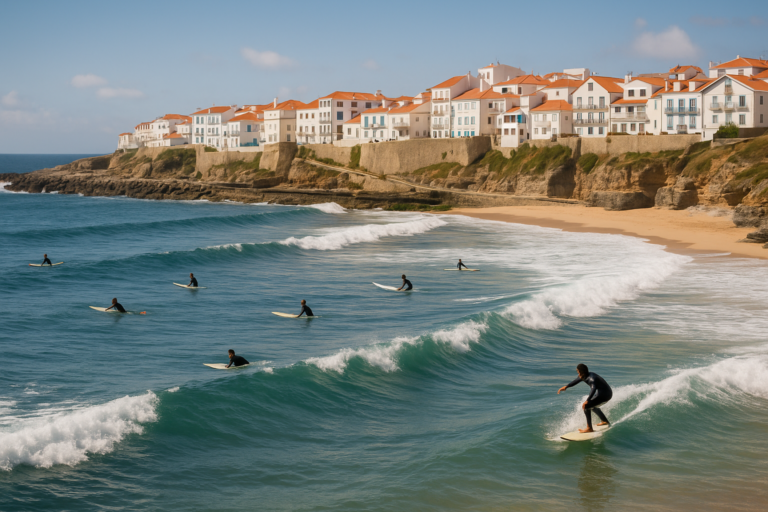
Summer is the easiest season for beginners. The swells are generally smaller and more manageable, the weather is warm and sunny, and the overall vibe of the town is at its most social and energetic. If you’re coming for your first surf experience and want the most forgiving conditions possible, summer is your window. The trade-off is that this is also the busiest time of year. Ericeira fills up with travellers, and the surf schools get booked out quickly. If you’re planning a July or August trip, aim to book your accommodation and lessons three to four months in advance. That’s not a guideline — it’s a practical necessity.
Late Spring and Early Autumn
Late spring (May to early June) and early autumn (September to October) are genuinely excellent times to visit, possibly the best overall window if you have flexibility. The waves are a step up from summer — more consistent, with a bit more power — which makes them ideal for progression. You’re past the pure beginner stage and ready to start reading waves more independently, catching more of them, and building real confidence. The crowds thin out noticeably compared to peak summer, and you can often book with just six to eight weeks of lead time. The weather is still pleasant, the water is warm enough, and the town feels more like itself.
Winter (November to March)
Winter brings the most powerful Atlantic swells, and Ericeira’s breaks can get serious. This is the season for experienced surfers who want challenging, high-quality waves. If you’re a beginner, winter isn’t the time to start — the conditions are genuinely difficult, and even intermediate surfers need to be selective about where and when they paddle out. That said, if you’re travelling with a mixed group where some people surf well and others don’t, Ericeira in winter still has plenty to offer on land. The town is quieter, prices drop, and the atmosphere has a more local, unhurried quality that’s worth experiencing in its own right.
Budget and Accommodation: What to Expect
Ericeira is not a luxury destination, and that’s part of its appeal. You can have a genuinely full week here — surfing, eating well, exploring — without spending a fortune. Weekly costs per person break down roughly as follows: budget travellers can expect to spend around €540 to €660 for the week, covering accommodation, food, and lessons. Mid-range sits at around €700 to €780, and a more comfortable setup runs €780 to €900. These figures give you a realistic picture of what to plan for, and they compare favourably with other surf destinations in Western Europe.
Accommodation options range from surf hostels and guesthouses to surf camp packages that bundle everything together. Hostels in Ericeira tend to have a strong community feel — you’ll meet other travellers at breakfast, share tips about the waves, and often end up heading to the beach together. If you’re travelling solo, this kind of environment makes it easy to connect with people quickly. Private rooms in guesthouses are available for those who want a bit more space and quiet after a long day in the water.
For food, Ericeira’s character as a working Portuguese fishing village means the local food scene is genuinely rooted in something real. Fresh seafood, simple grilled dishes, and hearty Portuguese meals are available at prices that won’t stress your budget. Markets, bakeries, and small local restaurants are all part of daily life here — eating well doesn’t require spending much, and the quality reflects a place that actually cares about its food rather than just catering to passing tourists.
The Town Itself: More Than Just Waves
One of the things that sets Ericeira apart is that it’s a real place with a real identity. It’s a working Portuguese fishing village that has absorbed global surf and creative culture without losing itself in the process. The whitewashed buildings, the blue-tiled streets, the fishing boats still going out in the early morning — these aren’t decorative. They’re the actual texture of daily life here.
Walking through the town centre, you’ll find surf shops sitting next to traditional bakeries, and small art galleries a few doors down from places where locals have been eating lunch for decades. The surf community and the local community coexist in a way that feels genuinely integrated rather than awkward. You’ll hear Portuguese spoken everywhere, and making even a small effort to engage with that — learning a few words, greeting people properly — goes a long way.
The creative scene that’s grown up around the surf culture is worth paying attention to. Street art, independent coffee shops, small music venues, and a general sense that interesting people have chosen to be here make the town feel alive in the evenings as well as during the day. After a full day in the water, there’s always something worth wandering toward.
Practical Tips Before You Go
- Book early for summer. Three to four months ahead for July and August is the realistic minimum if you want good options for accommodation and lessons.
- Bring a wetsuit or plan to rent one. Most surf schools include wetsuit rental in their lesson price, but if you’re planning multiple sessions independently, renting by the week is more economical than daily rates.
- Respect the lineup. Even at beginner-friendly breaks, there are unwritten rules about wave priority. Your instructor will cover the basics, but going in with some awareness of surf etiquette makes you a better guest in the water.
- Sun protection is non-negotiable. The Atlantic coast can be deceptively bright, and you’ll be on the water for hours. A good reef-safe sunscreen applied before you paddle out will save you a painful evening.
- Get off the beach occasionally. Ericeira has a coastline worth exploring on foot, and the surrounding countryside — rolling hills, small villages, quiet roads — rewards anyone willing to rent a bike or walk beyond the town centre.
- Learn a little Portuguese. Even basic phrases — obrigado (thank you), bom dia (good morning) — are genuinely appreciated and open doors that staying in tourist-English mode keeps closed.
- Check the forecast before paddling out independently. Once you’re past the lesson stage, apps and surf forecast sites will become your best friends. Conditions can change, and knowing what you’re heading into matters.
Is Ericeira Right for You?
If you want somewhere that combines genuine surf quality with real cultural depth, a town that feels lived-in rather than staged, and conditions that work for beginners without boring more experienced surfers — Ericeira is a strong answer. It’s close enough to Lisbon to be easy to reach, but far enough from the city to feel like its own world. The designation as Europe’s first World Surfing Reserve isn’t just a title; it reflects a coastline and a community that take what they have seriously.
You don’t need to be an experienced surfer to get something meaningful out of a week here. You just need to be willing to get in the water, accept that you’ll fall more than you stand up at first, and stay curious about the place you’re in when you’re not surfing. That combination — the ocean, the culture, the community — is what makes surfing in Ericeira, Portugal worth more than a passing mention on a bucket list. It’s the kind of experience you’ll still be talking about a year later, not because everything went perfectly, but because it felt real.
Start planning your trip, book your first lesson, and give yourself the chance to discover what all the fuss is about. The Atlantic is waiting, and Ericeira is one of the best places in Europe to meet it for the first time.
This article was produced with AI assistance and reviewed editorially.


Japan for First-Timers: A 2-Week Itinerary Beyond the Guidebook

The Solo Travel Confidence Guide: How to Travel Alone Without the Anxiety


