
Asia
Chiang Mai After 12 Visits: A Local’s Deep-Dive Travel Guide (2026)
Discover Chiang Mai like a local with this comprehensive travel guide covering temples, food, neighborhoods, and why King Bhumibol loved this northern Thai city.

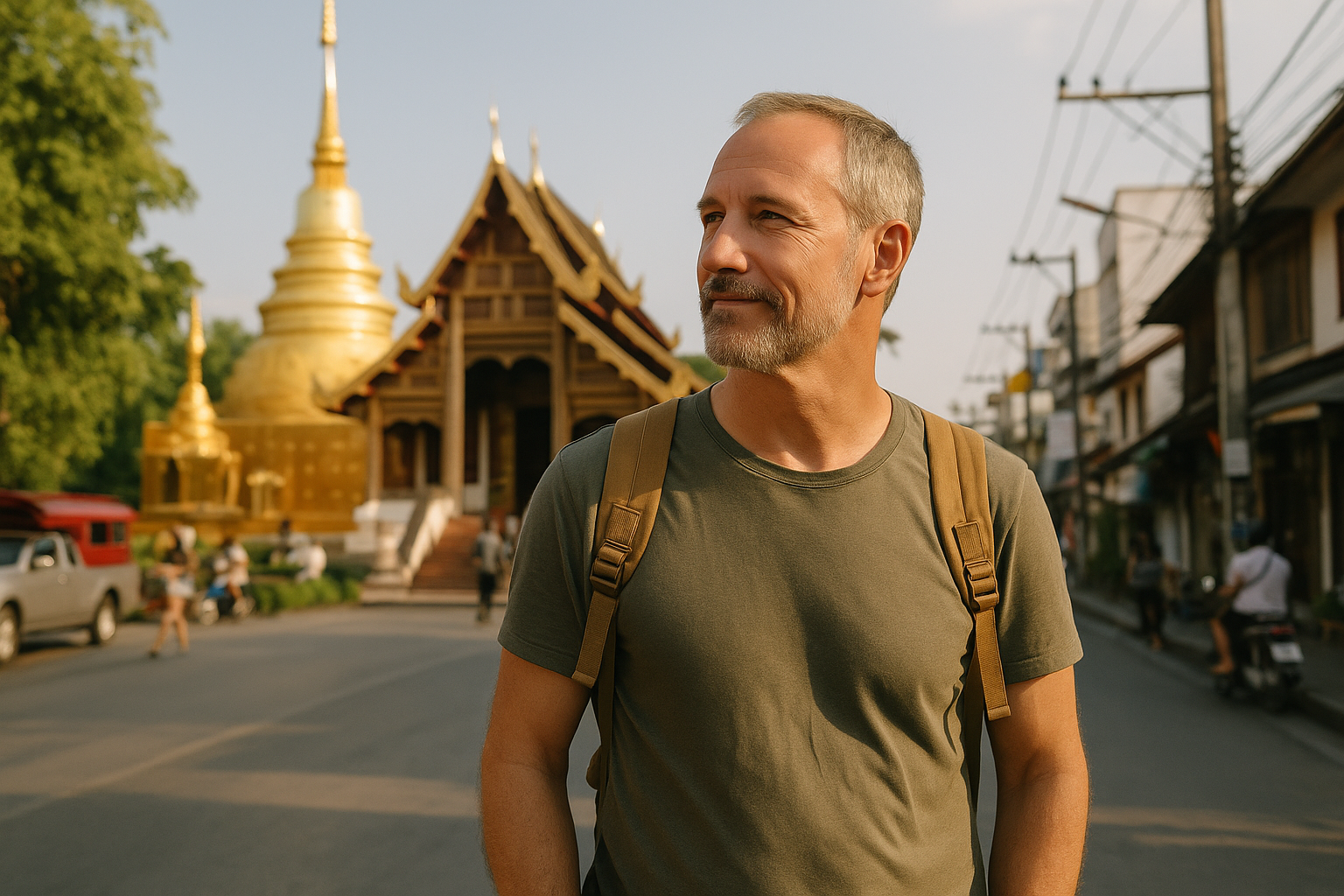
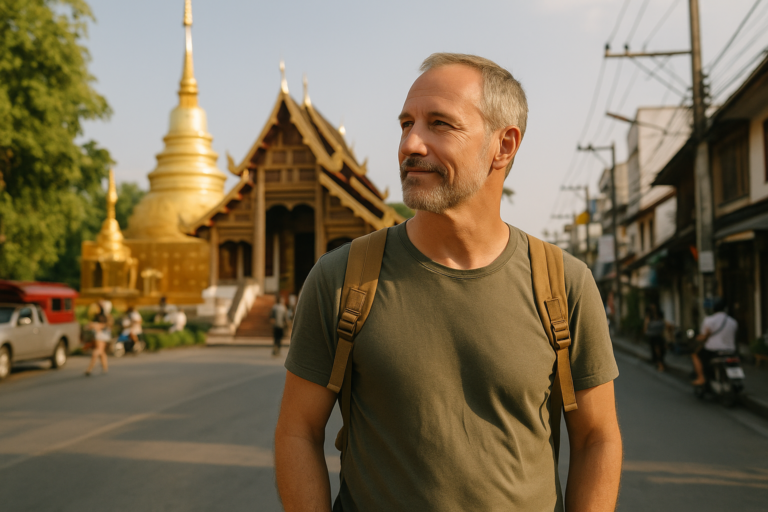
Your Complete Chiang Mai Travel Guide: Going Beyond the Tourist Trail
There’s a reason Chiang Mai keeps pulling people back. You arrive once, thinking you’ll tick off the temples, eat some khao soi, and move on. Then something shifts. The pace of the city gets under your skin. The food gets better every day. The people are warm in a way that feels genuine rather than performative. Before you know it, you’re planning your next trip before you’ve even left. This Chiang Mai travel guide isn’t just a checklist of things to see — it’s a real look at what makes this city one of the most compelling destinations in all of Southeast Asia, and how to experience it the way it deserves to be experienced.
Why Chiang Mai Is Unlike Any Other City in Thailand
Chiang Mai is the largest and most popular city in northern Thailand, and yet it carries none of the frantic energy you’d expect from a major urban hub. With a population of around 200,000 people, it’s compact enough to feel like a community but rich enough in culture, food, and history to keep you genuinely busy for weeks.
At the heart of the city sits the old town — a square of ancient streets enclosed by a moat and the crumbling remains of a retaining wall that dates back to the 13th century, when Chiang Mai served as the capital of the Lanna Kingdom. Walking those streets, especially early in the morning before the heat builds and the crowds arrive, gives you a real sense of the city’s layered history. This isn’t a place that has been rebuilt for tourists. The bones of something much older are still visible here.
It’s also worth knowing that Chiang Mai was the favorite city of King Bhumibol Adulyadej, who ruled Thailand until his passing in 2016. That connection says something about the city’s character — its beauty, its cultural depth, its sense of calm. When a place earns that kind of affection, it tends to mean there’s something genuinely special happening there.
The Temples: How to See Them Without Just Going Through the Motions
Chiang Mai has dozens of beautiful temples, and yes, you should visit some of them. But temple fatigue is real, and if you approach them like items on a checklist, you’ll start tuning out by the third one. The trick is to slow down and actually spend time in each place rather than rushing from one to the next.
Doi Suthep, the temple that sits on the mountain overlooking the city, is genuinely worth the effort. Go early — before nine in the morning if you can manage it — and you’ll experience something far quieter and more reflective than the midday crowds allow. The view over the city from the top is the kind of thing you’ll still be thinking about days later.
Inside the old city, the temples are woven into everyday life in a way that feels natural rather than staged. Monks walk the streets at dawn collecting alms. Locals stop in to pray during their lunch breaks. If you sit quietly and observe rather than immediately reaching for your phone, you’ll pick up on a rhythm that’s easy to miss when you’re moving too fast.
- Visit temples in the early morning or late afternoon to avoid peak heat and crowds
- Dress respectfully — cover your shoulders and knees; sarongs are usually available to borrow at the entrance
- Remove your shoes before entering any temple building
- Take your time in each place rather than rushing through several in a single morning
- Look for smaller, less-visited temples tucked into residential streets — they’re often the most memorable
Eating in Chiang Mai: A City That Takes Food Seriously
If there’s one thing that consistently brings people back to Chiang Mai, it’s the food. Northern Thai cuisine is distinct from what you’ll find in Bangkok or on the southern islands, and once you’ve tasted it properly, everything else feels like a pale imitation.
Khao soi is the dish everyone talks about, and for good reason. It’s a rich, coconut-based curry soup served over egg noodles, topped with crispy fried noodles, and usually accompanied by pickled mustard greens, shallots, and lime. It sounds simple. It is extraordinary. Every restaurant has its own version, and comparing them across the city becomes a genuinely enjoyable obsession.
Beyond khao soi, explore the night markets with real curiosity. The Sunday Walking Street along Wualai Road and the Saturday market are both worth your evening. But don’t just walk through — stop, eat, talk to the vendors. The food markets in Chiang Mai are brimming with incredible options, from grilled meats and sticky rice to fresh fruit and things you won’t find anywhere else.
For a deeper understanding of the local food culture, consider taking a cooking class. Several excellent options exist in and around the city, many of which include a morning visit to a local market before you cook. It’s one of those experiences that sounds touristy but ends up being genuinely educational — and you leave with skills you’ll actually use.
Local Eating Tips Worth Knowing
- Eat where locals eat — small shophouse restaurants with plastic chairs and handwritten menus are almost always the best
- Breakfast in Chiang Mai is worth waking up for: look for jok (rice porridge) and fresh-pressed juices at morning markets
- Don’t overlook the vegetarian options — northern Thai food has a strong tradition of plant-based dishes
- Prices at local spots are genuinely low; eating well here doesn’t require a big budget
- If you see a queue, join it — locals don’t wait in line for mediocre food
Neighborhoods Worth Exploring Beyond the Old City
The old city gets most of the attention, and it deserves it. But Chiang Mai rewards those who venture beyond its moat. The area along the Ping River, stretching east from the old town, has a quieter, more residential feel. You’ll find independent cafés, small galleries, and a pace of life that feels genuinely local. It’s the kind of neighborhood where you might sit down for a coffee and end up staying for three hours because the conversation is good and nobody is rushing you out.
Nimman Road — formally known as Nimmanhaemin Road — is where Chiang Mai’s creative and digital nomad community tends to gather. It’s more polished than the old city, with specialty coffee shops, design-forward restaurants, and a young, international crowd. It can feel a little bubble-like if you spend too much time there, but it’s a genuinely enjoyable part of the city and worth at least a day of your time.
Chiang Mai has become one of the main digital nomad hubs in Southeast Asia, and that community has shaped the city in interesting ways. There’s excellent infrastructure for remote workers — fast internet, comfortable co-working spaces, and a social scene built around people who are curious about the world. If you’re traveling solo, it’s one of the easier cities in the region to meet people and find your footing.
Getting Out of the City: Day Trips and Surrounding Landscapes
Chiang Mai sits in a valley surrounded by mountains, and the landscapes beyond the city are genuinely stunning. Getting out into that terrain — even for a day — adds a completely different dimension to your visit.
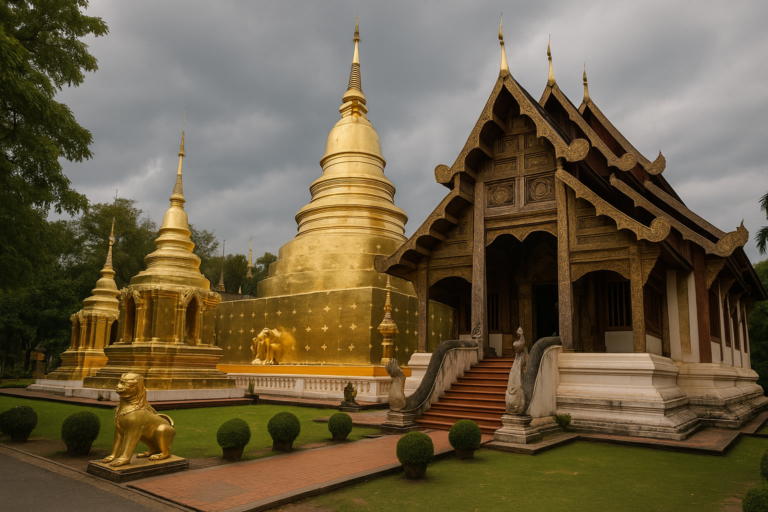
The mountain roads north and west of the city wind through forest and hill tribe villages, past waterfalls and rice terraces. Renting a scooter is the most flexible way to explore if you’re comfortable riding one; alternatively, songthaews (shared red trucks that act as informal taxis) and organised day trips are widely available and easy to arrange.
Doi Inthanon National Park, Thailand’s highest peak, is within day-trip distance and offers hiking trails, dramatic viewpoints, and a cool climate that feels like a world away from the city heat. The park is large, so going with some sense of what you want to see — whether that’s the summit, the waterfalls, or the twin royal pagodas — will help you make the most of the day.
Elephant sanctuaries are another popular option in the area, and it’s worth doing your research before booking. Look for sanctuaries that operate on ethical principles — where elephants roam freely, are not ridden, and are treated with genuine care. Nomadic Matt’s Chiang Mai guide covers some of the practical considerations worth knowing before you go.
Practical Things to Know Before You Arrive
Chiang Mai is a relatively easy city to navigate, but a few practical details will make your trip smoother from the start.
Getting Around
The city doesn’t have a metro system, but it doesn’t really need one. Songthaews (the red shared trucks) cover most routes and are cheap. Tuk-tuks are available but always negotiate the fare before you get in. Renting a bicycle is a genuinely pleasant way to explore the old city and nearby areas, and the flat terrain makes it accessible even if you’re not a confident cyclist.
Weather and When to Visit
Chiang Mai has three distinct seasons. The cool season, running roughly from November through February, is the most comfortable time to visit — warm days, cool evenings, and generally clear skies. The hot season from March to May brings intense heat and, importantly, smoke from agricultural burning that can significantly affect air quality. If you have respiratory sensitivities, this period is worth avoiding. The rainy season from June through October brings lush green landscapes and fewer tourists, though expect afternoon downpours most days.
Budget and Money
Chiang Mai is genuinely affordable without feeling like you’re compromising on quality. Street food meals cost very little. Guesthouses and hostels offer excellent value, and even mid-range hotels are reasonably priced by international standards. ATMs are widely available, but be aware of withdrawal fees — withdrawing larger amounts less frequently is usually the smarter approach.
Respect and Cultural Awareness
- The Thai monarchy is deeply respected — be mindful and respectful in any related conversations
- Public displays of frustration or anger are considered deeply inappropriate; stay calm in all situations
- The concept of “saving face” is important in Thai culture — approach interactions with patience and good humour
- Always greet people with a smile; it genuinely matters here
- Learn a few words of Thai — even basic greetings go a long way and are always warmly received
How to Make the Most of Your Time: A Flexible Framework
Rather than a rigid itinerary, think of your time in Chiang Mai as a series of layers. Spend your first day or two getting oriented — walk the old city, visit a temple or two, eat at a night market, and get a feel for the pace. Let yourself be a little lost. That’s where the good discoveries happen.
From there, go deeper. Take a cooking class. Explore a neighbourhood you haven’t been to yet. Rent a bicycle and follow a road until it leads somewhere interesting. Head up to Doi Suthep for sunrise. Find a café that feels like it belongs to you and spend a morning there with a good book.
If you have a week or more, consider building in a day trip or two to the surrounding mountains and national parks. The contrast between the city and the landscape around it is part of what makes this part of Thailand so compelling. You can have a completely different experience every day without ever feeling like you’re forcing it.
For more detailed planning resources, Indie Traveller’s in-depth Chiang Mai guide is a well-researched starting point that covers practical logistics in useful detail.
Why Chiang Mai Stays With You
Every good Chiang Mai travel guide will tell you about the temples, the food, and the mountains. What’s harder to capture in words is the feeling of the city itself — the way it manages to be vibrant and unhurried at the same time, the way its history is present without being preserved behind glass, the way strangers become familiar faces after just a few days.
Chiang Mai is the kind of city that rewards curiosity. The more you explore, the more it gives you. The more you slow down, the more you notice. It’s not trying to impress you. It doesn’t need to. It’s simply itself — layered, warm, complex, and genuinely alive — and that’s more than enough to make you want to come back.
Whether this is your first visit or you’ve already lost count, the city has a way of meeting you exactly where you are. Go with an open schedule, a genuine appetite, and a willingness to wander without a plan. That’s when Chiang Mai really opens up — and that’s when it starts to feel less like a destination and more like somewhere you actually belong.
This article was produced with AI assistance and reviewed editorially.


Southeast Asia on a Shoestring: Budget Travel Guide to Border Crossings & Regional Itineraries

London Beyond the Eye: 8 Walks from Landmarks to Hidden Neighborhoods (2026)


