
Asia
Southeast Asia’s Most Underrated Cities: Phnom Penh, Malacca & Langkawi
Discover three underrated cities Southeast Asia that offer real depth beyond typical tourist trails. Explore Phnom Penh, Malacca, and Langkawi’s hidden gems.

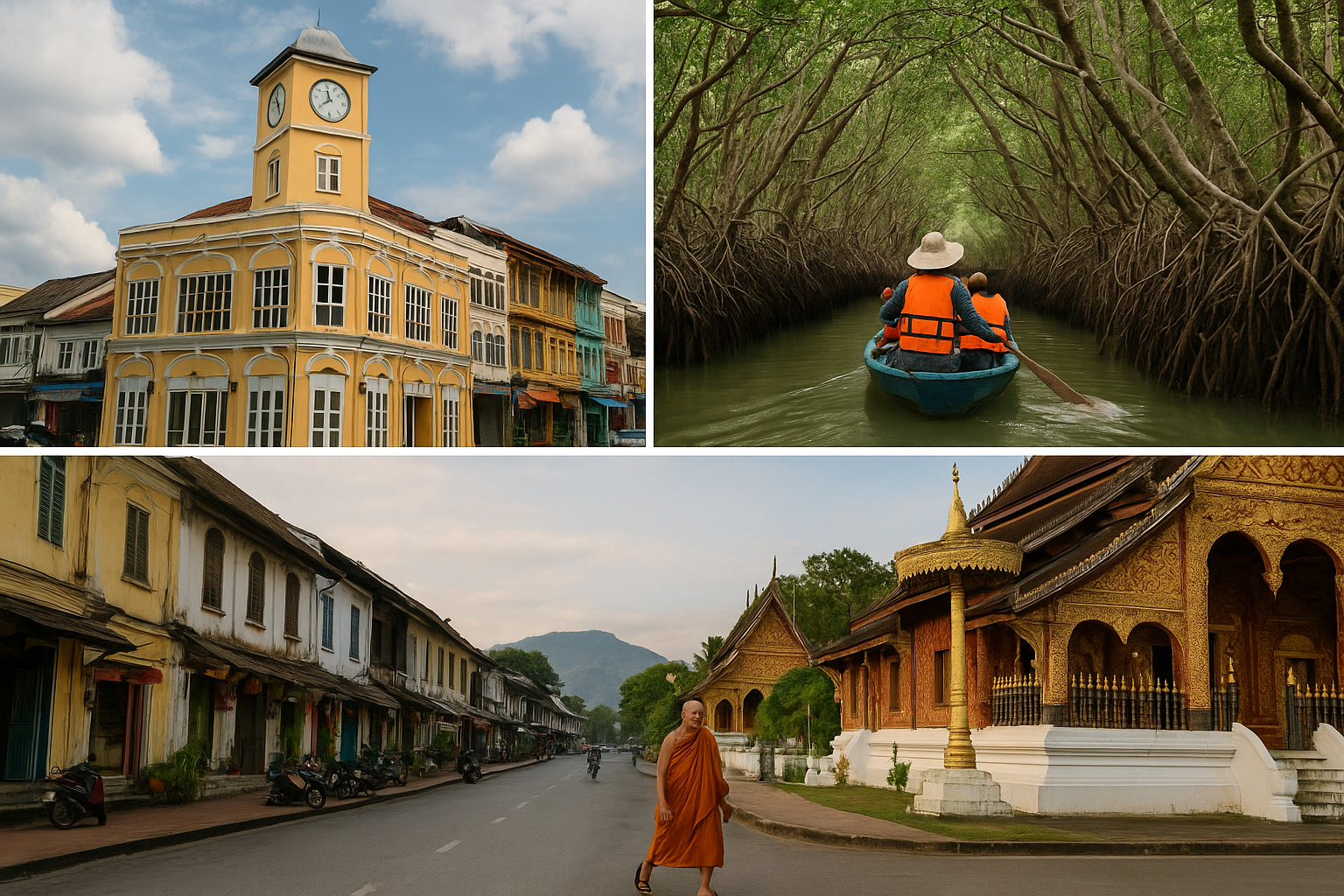
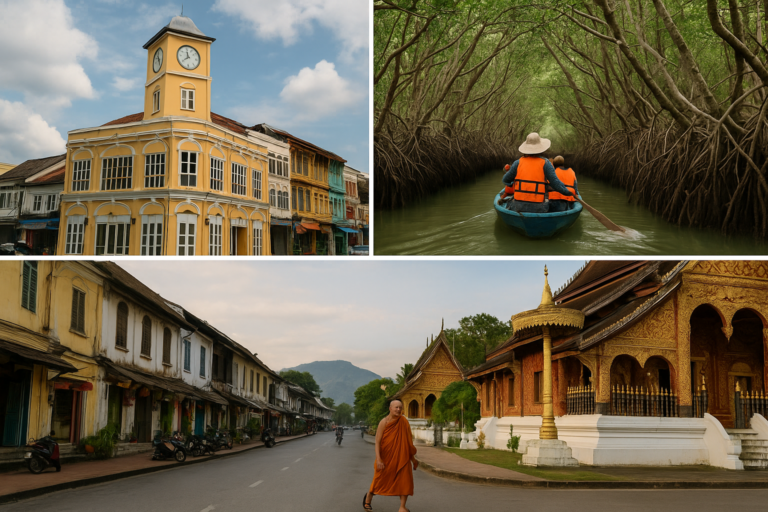
Southeast Asia’s Most Underrated Cities Are Waiting for You
Everyone has a Southeast Asia list. Bangkok. Bali. Siem Reap. Hanoi. These are brilliant places — no argument there. But if you’ve already ticked those off, or if you’re simply curious about what lies beyond the well-worn tourist trail, there’s a whole other version of this region waiting to be discovered. The underrated cities of Southeast Asia don’t always make the front page of travel magazines, but they’re often the ones that stay with you longest. This guide focuses on three of them: Phnom Penh, Malacca, and Langkawi. Each one offers something genuinely different — history you can feel in the streets, flavors that catch you off guard, and moments you won’t find in a highlight reel.
Why Underrated Cities in Southeast Asia Deserve More Attention
There’s a pattern in how travelers move through Southeast Asia. You fly into a major hub, hit the famous temples, snap the iconic shots, and move on. It’s a perfectly valid way to travel. But it also means millions of people are having roughly the same experience at the same time.
The underrated cities of Southeast Asia operate differently. They’re not trying to compete with the big names. They’re just living their lives — and that’s exactly what makes them so compelling to explore. You get to wander through places where the tourism industry hasn’t completely reshaped the atmosphere. Where locals aren’t performing a version of their culture for visitors, but simply going about their day. Where you can sit in a café, get genuinely lost, and have an afternoon that feels entirely your own.
There’s also a practical side to this. Fewer crowds often mean lower prices, more availability, and a slower pace that lets you actually absorb where you are. You’re not rushing from one landmark to the next — you’re settling in.
Phnom Penh: Cambodia’s Capital That Refuses to Be Rushed
Phnom Penh sits at one of the most dramatic river confluences in the region. The Tonlé Sap, the Bassac, and the Mekong all meet here, giving the city a waterfront energy that feels both ancient and alive. It’s a place that rewards patience. Come in expecting a quick stopover and you’ll leave wishing you’d stayed longer.
What sets Phnom Penh apart from many of its Southeast Asian neighbors is something almost architectural in nature — or rather, the absence of something. Unlike cities that have rushed headlong into modernization, Phnom Penh hasn’t yet been buried under steel and glass high-rises. The skyline still breathes. You can walk through neighborhoods where French-influenced buildings sit beside traditional Khmer shophouses, and the whole thing feels layered rather than overwritten.
The Weight of History and the Lightness of Now
Phnom Penh carries a complex, often heavy history. The Tuol Sleng Genocide Museum and the Killing Fields at Choeung Ek are places every visitor should take the time to engage with thoughtfully. They’re difficult, but they’re important. Understanding what Cambodia has been through gives you a completely different lens for appreciating how vibrant and forward-looking the city feels today.
Because Phnom Penh is also genuinely fun. The riverside promenade fills up in the evenings with families, street food vendors, and a social energy that’s hard to replicate. The café culture here has grown into something real — not just tourist-facing coffee shops, but neighborhood spots where you can spend a couple of hours reading, people-watching, and ordering one more iced coffee than you probably needed.
What to Actually Do There
- Visit the Royal Palace and Silver Pagoda early in the morning before the heat sets in — the grounds are stunning and the light is perfect.
- Spend a morning at the Russian Market, where you’ll find everything from fresh produce to handmade crafts and local street food.
- Take a sunset boat ride on the Mekong — it’s one of those simple experiences that feels genuinely cinematic.
- Explore the BKK1 neighborhood for independent restaurants, bookshops, and the kind of coffee that makes you want to sit still for a while.
- Give yourself an afternoon with no plan. Just walk. The city reveals itself slowly and generously to anyone willing to wander.
Phnom Penh is the kind of place that changes how you think about Cambodia. It’s not a stopover on the way to Angkor Wat. It’s a destination in its own right — one that’s still finding its footing on the international travel map, which means right now is exactly the right time to go.
Malacca: Where Centuries of Culture Live on the Same Street
Malacca — also spelled Melaka — is located just under two hours from Kuala Lumpur by car. That proximity makes it an easy addition to any Malaysia itinerary, but it also means some travelers treat it as a day trip and miss the point entirely. Malacca rewards staying overnight. It rewards slowing down.
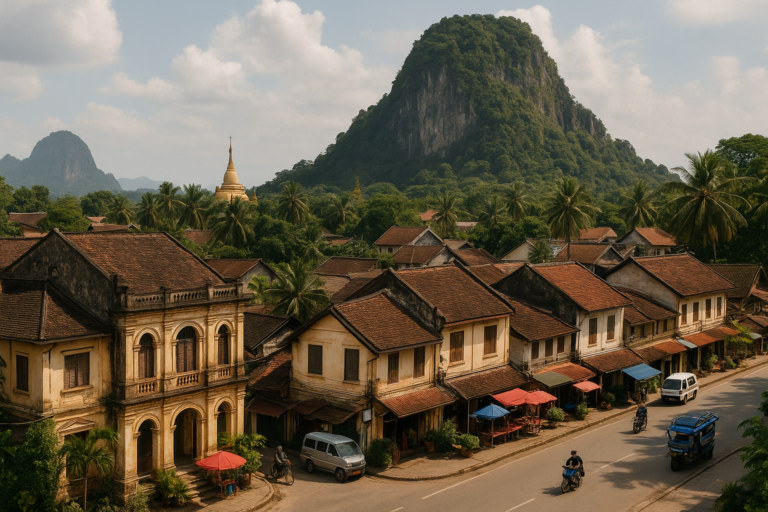
The city is a genuine cultural mash-up, shaped by centuries of customs, religions, food traditions, and communities layering on top of one another. Portuguese, Dutch, British, Chinese, Malay, Indian — all of these influences left something behind in Malacca, and the result is a city that feels unlike anywhere else in the region. Walking through the historic center, you’ll pass a Dutch colonial church, a Chinese temple, a Hindu shrine, and a row of Peranakan shophouses within the space of a single block.
The Food Alone Is Worth the Journey
If you care about food — and if you’re traveling through Southeast Asia, you absolutely should — Malacca will stop you in your tracks. The Peranakan or Nyonya cuisine here is one of the most distinctive culinary traditions in all of Malaysia. It blends Chinese cooking techniques with Malay spices and ingredients, and the result is something that’s genuinely hard to describe but impossible to forget.
Look for chicken rice balls, which are a Malacca specialty. Try a bowl of asam laksa. Wander Jonker Street in the evening when the night market comes alive and the whole street smells of grilled satay and fresh coconut. This is street food culture at its most authentic — not curated for visitors, but simply part of how the city eats.
What to Actually Do There
- Climb St. Paul’s Hill to the ruins of the old Portuguese church — the view over the city and the river is genuinely worth the short walk up.
- Explore the Baba Nyonya Heritage Museum, which gives you a real sense of Peranakan domestic life and craftsmanship.
- Take a slow walk along the Malacca River in the late afternoon, when the light catches the painted murals and old boathouses.
- Visit the Stadthuys — the distinctive red Dutch colonial building at the heart of the historic district — and spend some time in the surrounding square.
- Get genuinely lost in the backstreets behind Jonker Street. That’s where the city lives when the day-trippers have gone home.
Malacca is a UNESCO World Heritage city that somehow still feels like a secret. It’s compact enough to explore on foot, deep enough to keep surprising you, and the kind of place that makes you want to cancel your onward plans and just stay another day.
Langkawi: More Than Just a Beach Destination
Langkawi gets a reputation as a beach resort island, and to be fair, the turquoise waters here are genuinely extraordinary. But if you only come for the beach, you’re leaving most of the island unexplored — and that would be a real shame.
The island sits off the northwest coast of Malaysia, close to the Thai border, and it has a geography that feels almost improbably varied. Mangrove forests line the estuaries. Jungle-covered hills rise sharply from the coast. Eagles — the island’s unofficial symbol — circle overhead with a casual confidence that never gets old to watch.
Getting Beyond the Resort Strip
The most memorable experiences in Langkawi tend to happen away from the main tourist areas. Renting a scooter or a car and heading into the interior of the island opens up a completely different side of the place. You’ll find rice paddies, small fishing villages, and roadside stalls selling fresh coconut and local snacks to people who actually live here.
The mangrove tours in the Kilim Karst Geoforest Park are worth your time. You glide through narrow waterways surrounded by ancient limestone formations and dense mangrove roots, occasionally spotting monitor lizards and kingfishers going about their business. It’s quiet in a way that feels almost meditative — a real contrast to the busier parts of the island.
The cable car up to Gunung Mat Cincang is another experience that shifts your perspective. You rise above the jungle canopy and suddenly the whole island spreads out below you, with the Andaman Sea glittering in every direction. It’s the kind of view that reminds you why you travel in the first place.
What to Actually Do There
- Take a mangrove kayak or boat tour through the Kilim Karst Geoforest Park — it’s one of the most distinctive natural experiences in Malaysia.
- Rent a scooter and explore the island’s interior villages, rice fields, and roadside food stalls.
- Watch the sunset from Pantai Cenang beach, then stay for dinner at one of the casual seafood restaurants right on the sand.
- Ride the Langkawi Cable Car for panoramic views over the island and across to Thailand.
- Visit the Langkawi Craft Cultural Complex to understand the island’s artistic traditions beyond the tourist market stalls.
Malaysia as a whole is one of the most underrated countries to travel in Southeast Asia, and Langkawi embodies that perfectly. It offers world-class natural beauty, genuine cultural depth, and a pace of life that encourages you to slow down and actually absorb where you are. You can find more inspiration for exploring the region through resources like Nomadic Samuel’s guide to Malaysia, which captures exactly why this country deserves far more attention than it typically receives.
Practical Tips for Exploring These Destinations
A few things worth knowing before you go:
- Getting between cities: Malacca and Kuala Lumpur are well connected by bus, making the journey easy and affordable. Langkawi is best reached by flight from KL or Penang, or by ferry from the mainland. Phnom Penh has an international airport with connections across the region.
- Best time to visit: For Malaysia, the dry season generally runs from roughly November to April on the west coast (which covers Malacca and Langkawi). Cambodia’s cooler dry season runs from around November to February, making it the most comfortable time to explore Phnom Penh on foot.
- Budget: All three destinations are genuinely budget-friendly. You can eat extraordinarily well in Malacca and Phnom Penh for very little money. Langkawi has options across the full price range, but the street food and local markets keep costs down even on the island.
- Respect local customs: In all three destinations, modest dress is appreciated when visiting temples, mosques, and religious sites. Take your cues from locals and you’ll rarely go wrong.
- Stay longer than you think you need to: This is the most important tip of all. These cities reward the extra day. Give yourself the time to wander without a plan.
The Real Point of Going Off the Beaten Path
There’s a version of Southeast Asia travel that’s essentially a greatest hits tour. It’s fine. But there’s another version — the one where you stumble into a night market nobody told you about, or sit by a river watching the light change, or have a conversation with someone whose life is completely different from yours — and that version tends to stick with you in a deeper way.
The underrated cities of Southeast Asia are where that second version of travel lives. Phnom Penh, Malacca, and Langkawi aren’t trying to be the next Bali or Bangkok. They’re just themselves — layered, surprising, generous with their stories, and quietly confident that anyone willing to show up with genuine curiosity will leave with something real.
You don’t need a packed itinerary. You don’t need a perfect plan. You just need to show up open, stay a little longer than feels comfortable, and let the place do the rest. These destinations will meet you more than halfway — and that’s exactly what makes them worth discovering.
This article was produced with AI assistance and reviewed editorially.


Southeast Asia on a Shoestring: Budget Travel Guide to Border Crossings & Regional Itineraries

London Beyond the Eye: 8 Walks from Landmarks to Hidden Neighborhoods (2026)


