
Greece
Hidden Island Gems Beyond the Guidebook: Milos, Gran Canaria & the Isles of Scilly
Discover three hidden island destinations offering authentic experiences away from crowds. Explore Milos’s volcanic beaches, Gran Canaria’s culture, and the Isles of Scil

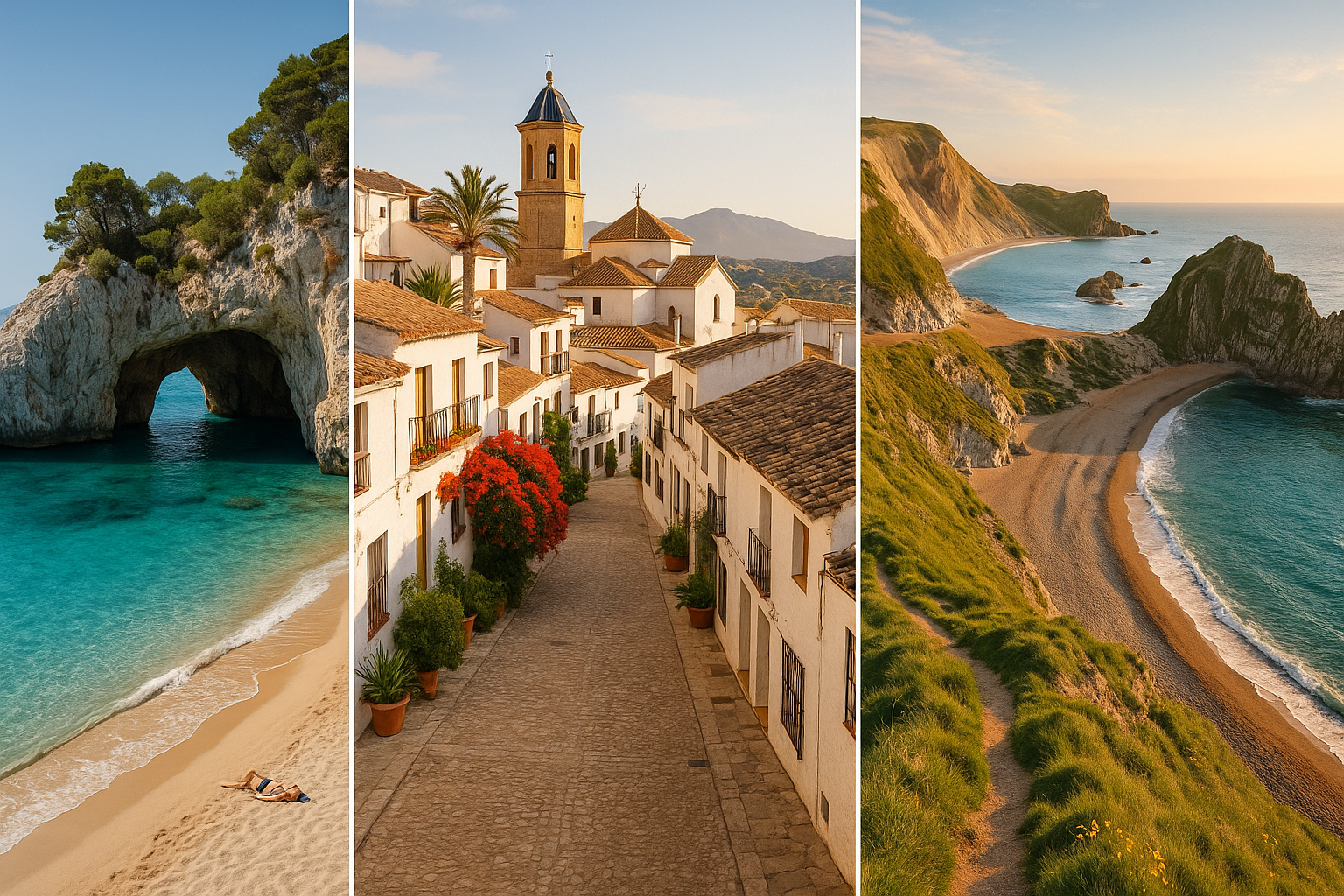
Hidden Island Destinations That Go Way Beyond the Guidebook
There’s a particular kind of travel magic that happens when you land somewhere and realise — with quiet satisfaction — that most people have no idea this place exists. Or they’ve heard of it, but never quite made it here. That’s exactly the feeling that the best hidden island destinations deliver. Not the kind of secrecy that requires a secret handshake, but the kind that rewards curious travelers who look just slightly past the obvious. This guide is for those travelers. We’re talking about Milos in Greece, Gran Canaria in the Canary Islands, and the Isles of Scilly off the southwest tip of England — three islands that each offer something genuinely distinct, genuinely memorable, and genuinely worth your time.
Milos, Greece: The Island That Earns Every Superlative
Let’s start with Milos, because once you’ve been, it’s hard to talk about anything else. Sitting in the Aegean Sea as part of the Cyclades island group, Milos has built a reputation — slowly, quietly, and deservedly — as one of the most sought-after islands in Greece. And yet, it remains unspoilt and genuinely lesser-known, drawing a fraction of the crowds you’d find on Santorini or Mykonos. That contrast is exactly what makes it special.
The island’s scenery is unlike anything else in the Mediterranean. Milos sits on a volcanic base, and that geological history has shaped everything — the colours of the cliffs, the texture of the rock formations, the way the light hits the coastline at different times of day. You don’t just look at Milos. You feel it.
Sarakiniko Beach: A Landscape From Another World
If you’ve ever scrolled past a photo of a white, lunar-looking beach carved from smooth volcanic rock and wondered where on earth that could possibly be — it was Sarakiniko. This beach on the northern coast of Milos is one of those places that genuinely doesn’t look real until you’re standing on it. The white pumice rock formations curve and dip into the deep blue sea in shapes that look almost sculpted. Early morning is the best time to visit. The light is softer, the crowds are thinner, and you get the sense that you’ve stumbled onto something private.
Bring something to read, bring water, and plan to stay longer than you think you need to. Sarakiniko rewards patience.
Kleftiko: Sea Caves You Access by Boat
Kleftiko is another landmark destination in Milos, and it’s the kind of place that makes you feel like an explorer rather than a tourist. Located on the southwestern coast, Kleftiko is a cluster of dramatic white rock formations and sea caves that you reach by boat. The water here shifts between shades of turquoise and deep blue, and the caves themselves are large enough to swim through.
Book a boat trip early in your stay — ideally for a morning departure. The afternoon light is beautiful, but the morning trips tend to be quieter. You’ll spend a few hours swimming, snorkelling, and drifting through caves that feel genuinely ancient. It’s one of those experiences that doesn’t need any filter.
Whitewashed Towns and Village Life
Beyond the beaches, Milos has whitewashed towns nestled along cliffs with tiny laneways full of character and history. Wandering through these villages — where cats sleep on doorsteps and fishing boats bob in small harbours — is one of the island’s quietest and most rewarding pleasures.
Mandrakia is a tiny village worth seeking out. It’s the kind of place where the houses are painted in bright colours, the streets are narrow enough to touch both walls at once, and the whole thing feels completely undisturbed by tourism. Grab something to eat at a local taverna, sit near the water, and let the afternoon disappear.
The food across Milos is wonderful — fresh seafood, local cheeses, simple dishes made with good ingredients. Don’t overthink it. Eat where the locals eat, order what they recommend, and you’ll rarely be disappointed.
When to Visit and How to Avoid the Crowds
Milos is best visited in late spring or early autumn — roughly May to June, or September to October. During these shoulder months, the weather is warm and reliable, the sea is swimmable, and the island hasn’t yet filled with peak-season visitors. July and August are busy across the Greek islands, and while Milos remains quieter than its more famous neighbours, you’ll still notice the difference.
If you do visit in summer, structure your days around the early morning and late afternoon. The midday hours are hot, the popular spots fill up, and the light is harsher for photography anyway. Rise early, explore while the island is still waking up, and save the afternoons for slower, shadier activities.
For more on planning a trip to Milos, Stoked to Travel’s Milos guide is a solid starting point with practical, experience-focused advice.
Gran Canaria: The Island That’s Been Misunderstood for Too Long
Gran Canaria has a reputation problem, and it’s almost entirely undeserved. For years, the island has been associated with package holidays and dated resorts — the kind of trip where you don’t leave the hotel complex and come home with a sunburn and a hangover. That version of Gran Canaria exists, yes. But it’s only a small slice of a much more interesting place.
The real Gran Canaria is one of the more compelling hidden island destinations in Europe precisely because so many people have written it off. While other travelers crowd the Canary Islands’ more fashionable neighbours, Gran Canaria quietly gets on with being genuinely diverse, genuinely beautiful, and genuinely worth exploring.
Beyond the Beach Resorts
The southern coast of Gran Canaria is where you’ll find the resort strips — and if sun, sand, and easy access to the sea is what you need, there’s nothing wrong with that. The beaches here are long, the weather is reliably warm year-round, and the infrastructure for tourists is well-developed.
But venture inland or head to the north and centre of the island, and the landscape shifts dramatically. Gran Canaria is sometimes called a “continent in miniature,” and that description holds up. Within a relatively short drive, you can move from coastal dunes to pine forests to volcanic mountain terrain. The central highlands offer cooler temperatures, dramatic viewpoints, and small towns where life moves at a completely different pace from the coastal resorts.
Roque Nublo — a volcanic rock formation that rises from the island’s interior — is one of Gran Canaria’s most iconic landscapes and one that many beach-focused visitors never see. The hike up is manageable, the views stretch across the island, and on a clear day you can see Teide on Tenerife in the distance. It’s the kind of reward that makes you wonder why you ever stayed near the pool.
Local Towns Worth Your Time
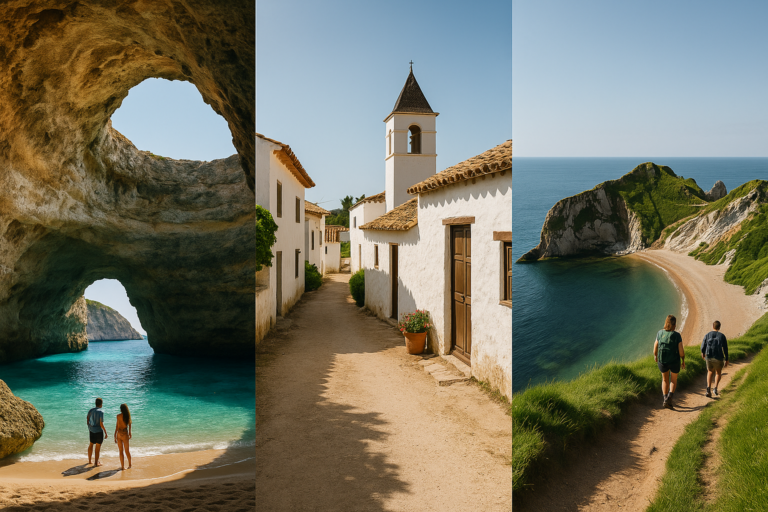
Las Palmas, the island’s capital, is a genuinely vibrant city with a historic quarter called Vegueta that feels a world away from the resort towns in the south. The streets are lined with colonial architecture, local markets, independent cafés, and cultural spaces. Spend a morning wandering without a plan and you’ll find enough to fill the day.
Tejeda, a small mountain village in the island’s interior, is another place that rewards travelers who make the effort. It sits at high altitude surrounded by dramatic rocky landscapes, and the pace of life there is slow in the best possible way. The local food — including almond-based sweets and cheeses that the region is known for — is worth seeking out.
For a deeper look at Gran Canaria’s lesser-known corners, Hidden Gem Guide’s Gran Canaria feature covers spots that most package tourists never discover.
When to Visit Gran Canaria
One of Gran Canaria’s genuine advantages is its climate. The island sits close enough to the African coast to enjoy warm, stable weather across most of the year, which means there’s rarely a truly bad time to visit. Spring and autumn are excellent — comfortable temperatures, manageable crowds, and lower prices than the peak summer and winter holiday periods.
Winter is actually a popular time for northern Europeans escaping the cold, so if you’re visiting between December and February, book accommodation early. The weather is mild and pleasant, but the coastal resorts do fill up. Visiting in the shoulder months of April, May, October, or November gives you the best of both worlds — good weather without the crowds.
The Isles of Scilly: Britain’s Most Surprising Secret
Most people who haven’t been to the Isles of Scilly don’t quite believe they exist in the way they do. A small archipelago located off the southwestern tip of Cornwall, the Scilly Isles sit in the Atlantic with a climate and character that feels entirely unlike the rest of the United Kingdom. The water is clear and genuinely turquoise. The beaches are wide and often empty. The pace of life is slow in a way that feels earned rather than forced.
There are five inhabited islands — St Mary’s, Tresco, St Martin’s, Bryher, and St Agnes — each with its own distinct personality. Getting between them is part of the experience. Small passenger boats connect the islands, and hopping from one to another across calm, bright water is one of those simple pleasures that stays with you.
What Makes Scilly Different
The Isles of Scilly are one of those hidden island destinations that feel genuinely remote without requiring an epic journey to reach. You can fly from several regional UK airports or take a ferry from Penzance, and within a few hours you’re somewhere that feels like it belongs to a different era. Cars are minimal. The loudest sounds are often the sea and the birds. The villages are small, the communities are tight-knit, and visitors who take the time to slow down and engage tend to leave with a completely different experience from those who rush through.
Tresco is home to the Abbey Garden — a remarkable subtropical garden that thrives in the mild Atlantic climate and contains plants from across the world. It’s one of those places that surprises you with its ambition and rewards you with its beauty. St Martin’s is known for its long, sweeping beaches that rival anything you’d find in more tropical destinations. Bryher is the smallest of the inhabited islands and has a wild, windswept quality that feels genuinely elemental on blustery days.
Food, Community, and the Scilly Way of Life
The food culture on the Scilly Isles leans heavily on what the sea provides. Fresh crab, lobster, and locally caught fish feature prominently, and eating at a small restaurant or café here feels genuinely connected to the place in a way that’s increasingly rare. The farming community on the islands — particularly the flower-growing tradition — gives Scilly a distinctive local economy that visitors can engage with rather than simply consume.
Talking to locals here is easy and rewarding. The community is small enough that people know each other, and visitors who approach with curiosity rather than entitlement tend to find themselves invited into conversations and stories that no guidebook could provide.
When to Visit the Isles of Scilly
Late spring and early summer are widely regarded as the best time to visit the Isles of Scilly. The wildflowers are at their peak, the days are long, the weather is mild, and the islands haven’t yet reached their summer capacity. September is also excellent — the summer crowds have thinned, the sea is at its warmest, and the light has that golden quality that makes everything look slightly more beautiful than it is.
Avoid the busiest weeks of July and August if you can. The islands are small, accommodation is limited, and the experience is noticeably better when you have a little more space to breathe.
How to Approach Hidden Island Destinations Without Ruining Them
There’s a responsibility that comes with discovering places like these. The very thing that makes them worth visiting — the quietness, the authenticity, the sense that they haven’t been overrun — is also the thing that’s most fragile. Here are a few principles worth keeping in mind.
- Travel in the shoulder season. May, June, September, and October are almost always better than peak summer for all three of these destinations. You’ll spend less, experience more, and put less pressure on local infrastructure.
- Stay in locally owned accommodation. Guesthouses, family-run hotels, and small rental properties keep money within the community in a way that large chains don’t.
- Eat where the locals eat. This is both practical advice and a philosophy. The best food is rarely in the most tourist-facing restaurant. Walk a little further, ask around, and follow the locals.
- Move slowly. The temptation to see everything in a short trip is real, but these islands reward lingering. Spend an extra day somewhere unexpected. Let plans change. Some of the best travel memories come from the afternoon you didn’t plan.
- Leave things as you find them. Beaches, natural sites, and village streets are not backdrops. They’re living places. Treat them accordingly.
Three Islands, Three Entirely Different Stories
What’s striking about Milos, Gran Canaria, and the Isles of Scilly is how different they are from each other — and yet how much they share in spirit. Each one has been underestimated. Each one has been overlooked in favour of more famous neighbours. And each one rewards the traveler who shows up with curiosity, patience, and a willingness to go slightly off-script.
Milos gives you volcanic drama, extraordinary beaches, and the quiet satisfaction of discovering a Greek island that hasn’t been smoothed out for mass tourism. Gran Canaria gives you a whole continent’s worth of landscapes compressed into a single island, plus a cultural depth that its package-holiday reputation has long obscured. The Isles of Scilly give you something rarer still — a genuine sense of escape, right on the edge of Britain, where the sea is clear and the pace of life feels genuinely human.
These are the kinds of hidden island destinations that don’t just give you a holiday. They give you a story. The kind you’ll still be telling a year later, when someone asks where they should go next and you pause — just for a second — before deciding whether to share the secret.
Start planning. Your next island is waiting, and it’s probably not where everyone else is going.
This article was produced with AI assistance and reviewed editorially.


Mountain Towns in the US Rockies: Where to Stay in Vail, Telluride & Glacier National Park

Japan & Turkey for Budget Backpackers: Fukuoka & Bodrum Neighborhood Guides


