
Paraguay
Paraguay
Explore Paraguay with this comprehensive travel guide covering Asunción, Jesuit ruins, and authentic South American experiences off the beaten path.

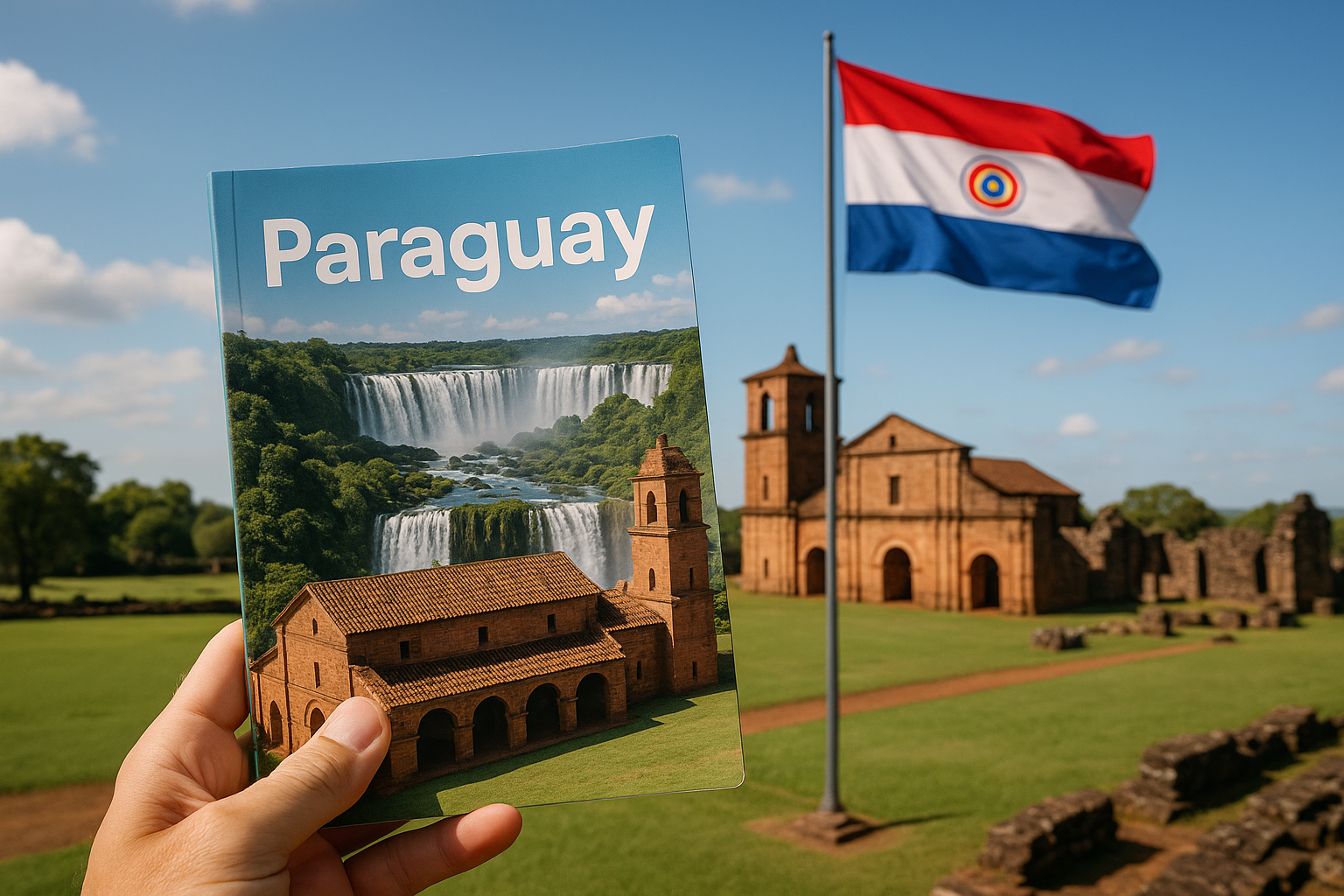
Paraguay: The South American Adventure You Haven’t Planned Yet (But Should)
If you’re building your South American bucket list and you want to go somewhere that still feels genuinely undiscovered, it’s time to take a serious look at Paraguay. This paraguay travel guide is here to help you plan a trip that goes beyond the obvious — beyond the tourist trails, beyond the Instagram crowds, and into something that actually feels real. Paraguay sits at the heart of South America, landlocked between Brazil, Argentina, and Bolivia, and it remains one of the continent’s least-visited countries. That’s not a warning. That’s an invitation.
Why Paraguay Deserves a Spot on Your Travel Radar
Let’s be honest — most people planning a South American trip think about Buenos Aires, Rio de Janeiro, or Machu Picchu. Paraguay rarely makes the shortlist. And that’s exactly what makes it so compelling right now.
Paraguay gained independence from Spain in 1811, and its history since then has been anything but quiet. It’s a country shaped by resilience, cultural fusion, and a deep connection to its indigenous roots. The Guaraní language is still widely spoken alongside Spanish, which gives the country a cultural identity you won’t find anywhere else on the continent. When you hear locals switching effortlessly between both languages in a single conversation, you start to understand that Paraguay operates on its own terms.
The tourism infrastructure is still developing, which means you’ll encounter fewer crowds, more authentic interactions, and prices that make your travel budget stretch further than almost anywhere else in the region. This is the kind of place where you can wander into a local market, strike up a conversation, and end up invited to someone’s home for lunch. Those moments don’t happen as easily when a destination is overrun with tour groups.
Asunción: Getting to Know the Capital
Every good paraguay travel guide starts with Asunción, and for good reason. The capital is the country’s beating heart — a city that mixes colonial architecture, vibrant street art, riverside promenades, and a nightlife scene that quietly surprises most visitors.
Asunción is one of the oldest continuously inhabited cities in South America. Walk through the historic center and you’ll pass government buildings that feel frozen in time, crumbling colonial facades draped in bougainvillea, and open plazas where locals gather in the late afternoon to talk, drink tereré (the cold herbal drink that’s practically Paraguay’s national pastime), and watch the day wind down.
The Palacio de los López — the presidential palace — sits right on the waterfront and is one of those buildings that stops you mid-stride. The riverfront area, known as the Costanera, has been developed into a long walkway where you can jog, cycle, or simply sit and watch the Paraguay River roll past. In the evenings, food stalls set up along the path and the whole stretch comes alive.
The Mercado 4 is where you want to go if you want to understand how the city actually functions. It’s chaotic, colorful, and completely absorbing — a sprawling market where you can find everything from fresh produce and street food to electronics and handmade crafts. Go hungry. Try the chipa (a cheesy bread made from cassava flour) and the empanadas. You won’t regret it.
For nightlife, the Villa Morra and Carmelitas neighborhoods are where the younger crowd tends to gather. Bars, live music venues, and restaurants fill up late — this is South America, after all — and the atmosphere is relaxed and welcoming.
Beyond the Capital: Exploring Paraguay’s Landscapes and History
Once you’ve had your fill of Asunción, the rest of the country opens up in ways that genuinely reward curiosity.
The Jesuit Mission Ruins
One of Paraguay’s most historically significant and visually striking destinations is its collection of Jesuit mission ruins. These are the remnants of a remarkable social experiment — communities built by Jesuit missionaries and the Guaraní people between the 17th and 18th centuries, designed as self-sufficient settlements that combined European and indigenous culture in ways that were genuinely progressive for their time.
The missions were eventually dismantled, but what remains is extraordinary. The stone ruins of churches, plazas, and living quarters sit quietly in the countryside, partially reclaimed by vegetation, and carry a weight of history that’s hard to shake. Walking through them, you get a real sense of what was built here and what was lost. Several of the ruins in the region are recognized as UNESCO World Heritage Sites, which speaks to their global cultural significance.
The towns of Trinidad and Jesús de Tavarangue are the most accessible starting points for exploring this part of Paraguay. Getting there requires some planning — public transport exists but is infrequent — so renting a car or joining a small group tour from Asunción makes the logistics much smoother.
The Chaco: Paraguay’s Wild Interior
The Gran Chaco is one of South America’s last great wildernesses, and a large portion of it falls within Paraguay’s borders. This vast, flat expanse of subtropical dry forest and wetlands is home to extraordinary biodiversity — jaguars, giant anteaters, tapirs, and hundreds of bird species live here. It’s remote, it’s raw, and it’s not for the faint-hearted.
Visiting the Chaco requires preparation. The roads can be rough, the heat is intense, and facilities are limited. But if you’re the kind of traveler who values the feeling of being somewhere genuinely off the beaten path, the Chaco delivers that in full. Indigenous communities in the region have lived here for centuries, and some offer cultural tourism experiences that provide a window into ways of life that have remained largely unchanged.
Encarnación and the South
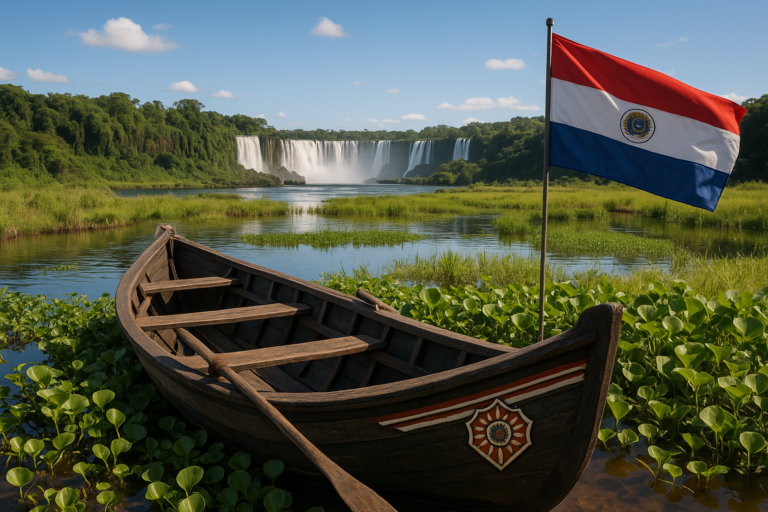
Down in the south of the country, the city of Encarnación sits on the Paraná River, facing the Argentine city of Posadas across the water. Encarnación has a reputation for its beaches — yes, river beaches — which fill up during the summer months with locals enjoying the warm, sandy banks. The city is also known for its lively carnival celebrations, which draw visitors from across the region every year.
Practical Things You Need to Know
Language and Communication
Spanish is the official language, but Guaraní is equally present in daily life. English proficiency among the general population is low, so learning a few basic Spanish phrases before you arrive will go a long way. Even a simple “buenos días” and “gracias” will be appreciated and will open doors that stay closed for travelers who don’t make the effort.
Safety and Travel Advisories
Like any destination, Paraguay comes with its own safety considerations. Canada’s travel advisory recommends exercising a high degree of caution when visiting, and the U.S. Department of State advises travelers to exercise increased caution as well. This doesn’t mean Paraguay is off-limits — it means you should travel smart, stay aware of your surroundings, avoid displaying expensive items, and take the same common-sense precautions you’d apply in any unfamiliar city.
Stick to well-traveled areas, especially at night. Use registered taxis or ride-hailing apps rather than flagging down unmarked vehicles. Keep copies of your important documents stored separately from the originals. For the most current and detailed safety information, check the official advisories from your government before you travel — resources like the Government of Canada’s travel advisory for Paraguay are regularly updated and worth reading before you book.
Getting Around
Within Asunción, taxis and ride-hailing apps are the most practical options for getting around. The city isn’t particularly well set up for walking long distances, especially in the heat, so having reliable transport makes a real difference.
For traveling between cities, long-distance buses are the most common option and are generally comfortable and affordable. Renting a car gives you more flexibility, especially if you’re planning to visit the Jesuit ruins or explore the Chaco — but be prepared for road conditions that vary significantly once you leave the main highways.
Currency and Costs
Paraguay uses the Guaraní as its currency. Cash is widely used, especially outside of Asunción, so it’s worth keeping some on hand at all times. ATMs are available in the capital and larger cities, but less reliable in rural areas. Paraguay is generally affordable by South American standards, and your money will go further here than in many neighboring countries.
Best Time to Visit
Paraguay has a subtropical climate, which means it can get seriously hot and humid, particularly between November and March. The cooler, drier months from May to September are generally considered the most comfortable time to visit, especially if you’re planning to explore outdoors. That said, the summer months bring their own energy — festivals, lively markets, and a vibrant social scene that’s worth experiencing if you can handle the heat.
Connecting with Paraguayan Culture
One of the most rewarding parts of any trip to Paraguay is the culture itself. This is a place where traditions run deep and community matters enormously. Tereré — the cold version of yerba mate, drunk through a metal straw from a shared cup — is more than just a drink. It’s a social ritual. When someone offers you tereré, they’re inviting you into their circle. Accept it.
Music is another thread running through everyday life here. The Paraguayan harp is one of the country’s most iconic instruments, and live performances pop up in restaurants, plazas, and cultural centers. The polka paraguaya — a lively, syncopated style of music — sounds nothing like European polka and everything like Paraguay. If you get the chance to hear it live, don’t walk past.
Handcrafted goods are worth seeking out, particularly the intricate lacework known as ñandutí, which translates roughly to “spider web” in Guaraní. The town of Itauguá, not far from Asunción, is famous for it. Watching artisans work on these delicate circular patterns is genuinely mesmerizing, and bringing one home is a far more meaningful souvenir than anything you’d find in an airport gift shop.
A Final Word on Traveling to Paraguay
This paraguay travel guide can point you in the right direction, but the real magic of Paraguay is the kind you discover for yourself — in unexpected conversations, in quiet moments by the river, in the taste of something unfamiliar that you end up loving. Paraguay rewards travelers who arrive with an open mind and genuine curiosity. It doesn’t hand you its best moments; it shares them with people who take the time to look. If you’re ready to explore a South American country that still feels like a genuine discovery, Paraguay is waiting — and it’s well worth the journey.
This article was produced with AI assistance and reviewed editorially.


Quito, Ecuador: From Stopover to 10-Day Adventure in the Andes

Ecuador & South America’s Gateway: Quito as a Base for Adventure


