
LATAM
Island Hopping in the Caribbean & Pacific: Belize, Hawaii & Beyond (2026)
Explore island hopping in the Caribbean with our 2026 guide. Discover Belize’s reefs, Barbados culture, and unique island experiences across the region.

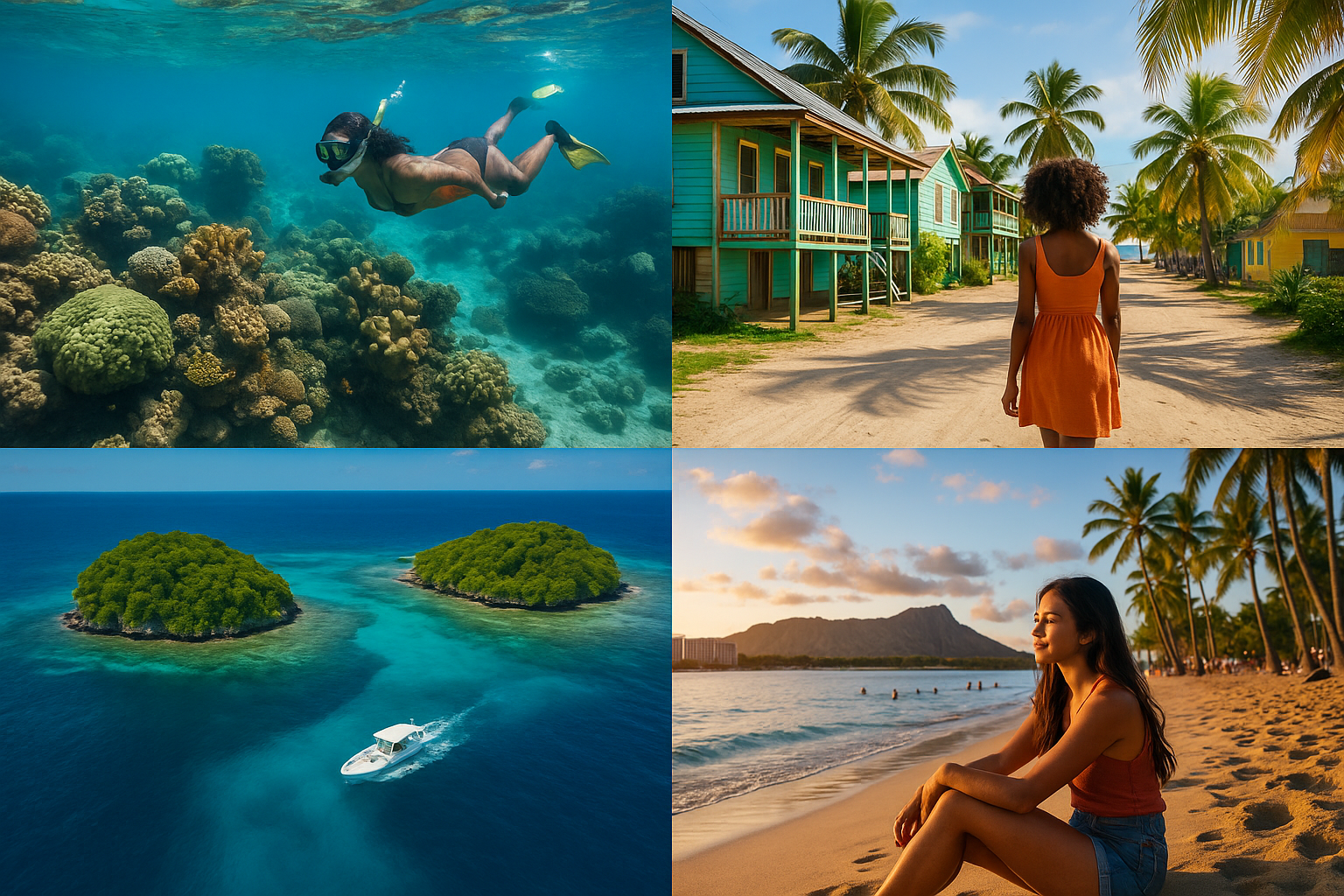
Island Hopping in the Caribbean: Your 2026 Guide to Exploring the Islands
There’s a particular kind of freedom that comes from stepping off a boat onto a new island, knowing that the one you just left is already becoming a memory. Island hopping in the Caribbean delivers exactly that feeling — a rhythm of discovery that keeps moving, keeps surprising, and keeps rewarding you with something different around every corner. Whether you’re drawn to the underwater world of Belize, the rum-soaked beaches of Barbados, or the lush volcanic landscapes of Grenada, the Caribbean is one of the most rewarding multi-island destinations on the planet for young travelers who want more than just a sun lounger and a cocktail.
This guide is for the curious ones. The ones who want to actually understand a place — its culture, its food, its people — not just photograph it from a distance. If that sounds like you, keep reading.
Why the Caribbean Is Made for Island Hopping
The Caribbean isn’t one destination. It’s dozens of distinct worlds packed into a relatively compact region, each island shaped by its own history, culture, and geography. That’s exactly what makes island hopping in the Caribbean so compelling. You’re not just moving between beaches — you’re moving between entirely different experiences.
Barbados has a different energy than Grenada. Tobago feels different from St. Vincent. Belize carries the weight of ancient Mayan civilization alongside its Caribbean coastal culture in a way that’s completely its own. When you hop between these islands, you start to notice the contrasts, and those contrasts are what turn a holiday into a real journey.
The logistics are more accessible than you might think. Caribbean vacation packages are available starting from approximately $558 to $573, which makes multi-island travel genuinely within reach for budget-conscious travelers. Ferries, small regional flights, and sailing routes connect many of the islands, so you don’t need to be wealthy to piece together an itinerary that covers serious ground.
Belize: Where Mayan History Meets Caribbean Coast
Belize is one of those places that earns a permanent spot in your memory. It’s a country that offers Mayan and Caribbean cultures side by side, with stunning beaches and world-class scuba diving that pulls in travelers from every corner of the globe. But what makes Belize genuinely special for young travelers is how layered the experience is.
On one hand, you have the coast — turquoise water, white sand, the kind of scenery that makes you forget what day it is. On the other hand, you have an interior filled with ancient Mayan ruins, jungle wildlife, and communities that have been living in this landscape for thousands of years. Belize lets you move between those two worlds in a single trip.
Diving and the Natural World
The diving in Belize is genuinely world-class. The country sits alongside one of the most extraordinary marine ecosystems in the Western Hemisphere, and for anyone who’s ever wanted to explore underwater, this is one of the most rewarding places to do it. Whether you’re already certified or you want to get your open water qualification while you travel, Belize is a destination that delivers.
Beyond the water, the jungle is just as alive. Howler monkeys, toucans, jaguars — the biodiversity here is staggering. If you spend a few days on the coast and then head inland, you’ll feel like you’ve visited two completely different countries. That contrast is part of what makes Belize such a strong starting point for island hopping in the Caribbean region.
Culture and Community
Belize’s cultural identity is genuinely unique. The blend of Mayan heritage and Caribbean influence creates a community that’s warm, proud, and deeply connected to its history. Eating local food, visiting community-run sites, and simply spending time in smaller towns rather than rushing between tourist checkpoints will give you a much richer understanding of what this place actually is.
Belize is also one of the few Central American and Caribbean destinations where English is the official language, which makes it particularly accessible if you’re a first-time solo traveler or someone still building their confidence on the road.
Barbados, St. Vincent, Grenada, and Tobago: The Eastern Caribbean Circuit
If Belize is your western anchor, the eastern Caribbean offers a completely different set of islands worth exploring. Barbados, St. Vincent, Grenada, and Tobago each bring something distinct to a multi-island itinerary, and traveling between them gives you a real sense of how varied the Caribbean actually is.
Barbados: Energy and Culture
Barbados has a reputation for being lively, and it earns it. The island has a strong local culture — music, food, sport, community pride — that makes it more than just a beach destination. Spend time in Bridgetown, talk to locals, eat where the neighborhood eats rather than where the resort recommends, and you’ll find a place with genuine character.
The beaches are beautiful, but the culture is what stays with you. Barbados has a way of making you feel like a guest rather than a tourist, which is a distinction that matters when you’re traveling for authentic experiences rather than manufactured ones.
St. Vincent and the Grenadines: Off the Beaten Path
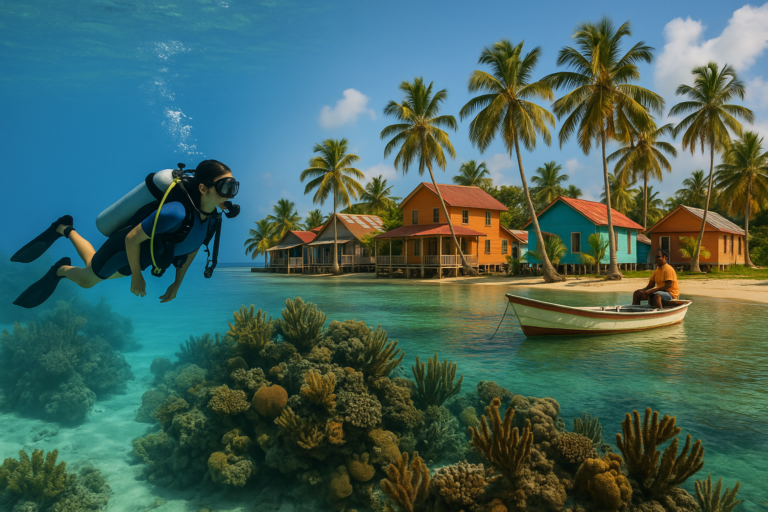
St. Vincent and the Grenadines is the kind of destination that rewards travelers who are willing to go slightly off the main tourist circuit. The islands here are less developed than some of their neighbors, which means fewer crowds, more genuine interactions, and a pace of life that feels genuinely relaxed rather than performatively so.
The sailing culture around the Grenadines is legendary among those who know it. Even if you’re not a sailor yourself, spending time on the water between these islands — watching the landscape shift, the color of the water change — is one of those experiences that’s hard to fully describe until you’ve had it.
Grenada: The Spice Island
Grenada is known as the Spice Island, and the name tells you something important about the place. This is an island with a strong agricultural identity — nutmeg, cinnamon, cloves — and a culture built around that connection to the land. The food here is exceptional, and the markets are worth exploring slowly rather than rushing through.
The landscape is lush and volcanic, with waterfalls, rainforest hikes, and an interior that most visitors never bother to explore because they stay on the beach. That’s their loss. Getting into the hills of Grenada, even for a single afternoon, gives you a completely different perspective on the island.
Tobago: Quiet and Authentic
Tobago sits slightly apart from the main Caribbean tourist trail, and that’s a big part of its appeal. The island is quieter, less developed, and home to some genuinely pristine natural environments. If you’ve been moving fast through your island hopping itinerary and you need somewhere to slow down without losing the sense of discovery, Tobago delivers.
The coral reefs around Tobago are among the healthiest in the region, making it another strong destination for snorkeling and diving. The local community is welcoming, the food is excellent, and the pace of life is exactly what you need after a few weeks of constant movement.
How to Plan Your Caribbean Island Hopping Route
Planning a multi-island Caribbean trip doesn’t need to be complicated, but a few practical decisions will shape the whole experience.
- Start with a clear anchor point. Choose one island as your arrival and departure hub. This simplifies flights and gives your itinerary a logical shape. Barbados and Belize both work well as anchor points depending on which part of the Caribbean you want to prioritize.
- Don’t try to see everything. The Caribbean has dozens of islands, and the temptation to cram in as many as possible is real. Resist it. Three or four islands explored properly will give you a far richer experience than seven islands seen from a beach chair.
- Mix your pace. Alternate between more active, culturally dense islands and quieter, slower-paced ones. This rhythm keeps you energized rather than exhausted.
- Look into regional flights and ferry connections. LIAT and other regional carriers connect many eastern Caribbean islands. Ferry services exist between several island groups. Research these options before booking, as they can save money and add to the adventure.
- Budget realistically. Caribbean vacation packages starting from around $558 to $573 exist, but your total trip cost will depend on how many islands you visit, how you travel between them, and where you choose to stay. Build in a buffer for spontaneous decisions — some of the best experiences on a trip like this are unplanned.
- Travel with flexibility. Weather, boat schedules, and local events can all shift your plans. That’s not a problem — it’s part of the experience. Some of the best island hopping stories start with a missed ferry and end with an unexpected adventure.
What to Keep in Mind Before You Go
Island hopping in the Caribbean is one of the most rewarding ways to travel, but it helps to go in with realistic expectations and genuine respect for the places you’re visiting.
The Caribbean isn’t a theme park. These are real communities with real histories — many of them complex and shaped by colonial legacies that still influence daily life. Traveling with curiosity and humility, taking the time to learn about a place before you arrive, and spending your money locally rather than exclusively through international chains all make a meaningful difference.
Learn a few words of the local language or Creole wherever you go. Eat at local spots. Ask questions. Listen more than you talk. These aren’t just tips for being a better traveler — they’re the things that turn a trip into something you’ll actually remember.
For deeper research into specific Caribbean destinations and what to expect on the ground, resources like The Chica Travelista’s Caribbean island guide and Journey Latin America’s Belize destination page are genuinely useful starting points that go beyond the standard brochure content.
The Right Mindset for Island Hopping
Here’s the thing about island hopping in the Caribbean that nobody really tells you before you go: the islands themselves are only part of the experience. The rest of it is the movement — the feeling of being in transit, of not quite knowing what the next place will feel like until you’re standing in it.
That uncertainty is a gift. It keeps you present. It keeps you curious. It reminds you that travel isn’t about executing a perfect plan — it’s about staying open to what each place has to offer on its own terms.
Whether you’re 18 and this is your first big trip, or you’re 28 and you’ve been traveling for years, the Caribbean has a way of giving you exactly what you need — as long as you show up willing to receive it. The islands are waiting. The water is warm. Your next story is already out there, somewhere between one shore and the next.
This article was produced with AI assistance and reviewed editorially.


Planning Your First Solo Trip: A Step-by-Step Blueprint for Unforgettable Travel

Teaching English Abroad in 2026: Top Countries, Visa Requirements & Real Salaries


