
Asia
Chiang Mai Beyond the Tourist Trail: What 12 Visits Taught Me About Thailand’s Heart
Discover authentic Chiang Mai through an insider’s perspective. Explore local temples, neighborhoods, food culture, and seasonal rhythms that reveal Thailand’s heart.

Why Chiang Mai Gets Under Your Skin (And Keeps Pulling You Back)
Every traveler who has spent real time in Northern Thailand will tell you the same thing: a single trip to Chiang Mai is never enough. This city has a way of revealing itself slowly, layer by layer, rewarding curiosity and punishing rush. If you’re putting together a Chiang Mai travel guide for yourself, the most important thing to understand upfront is that this place operates on its own rhythm — and the sooner you surrender to it, the better your experience will be. Chiang Mai is the third most visited destination in Thailand after Bangkok and the southern islands, yet it somehow manages to feel intimate, local, and genuinely alive in a way that bigger tourist hubs rarely do.
Founded in 1296 by King Mangrai of the Lanna kingdom, Chiang Mai carries centuries of history in its streets, its temples, its food, and its people. That history isn’t just preserved in museums — it breathes through the city every single day. Here’s what repeated visits and deep exploration have taught us about how to experience it properly.
Understanding the Old City: Your Starting Point, Not Your Whole Story
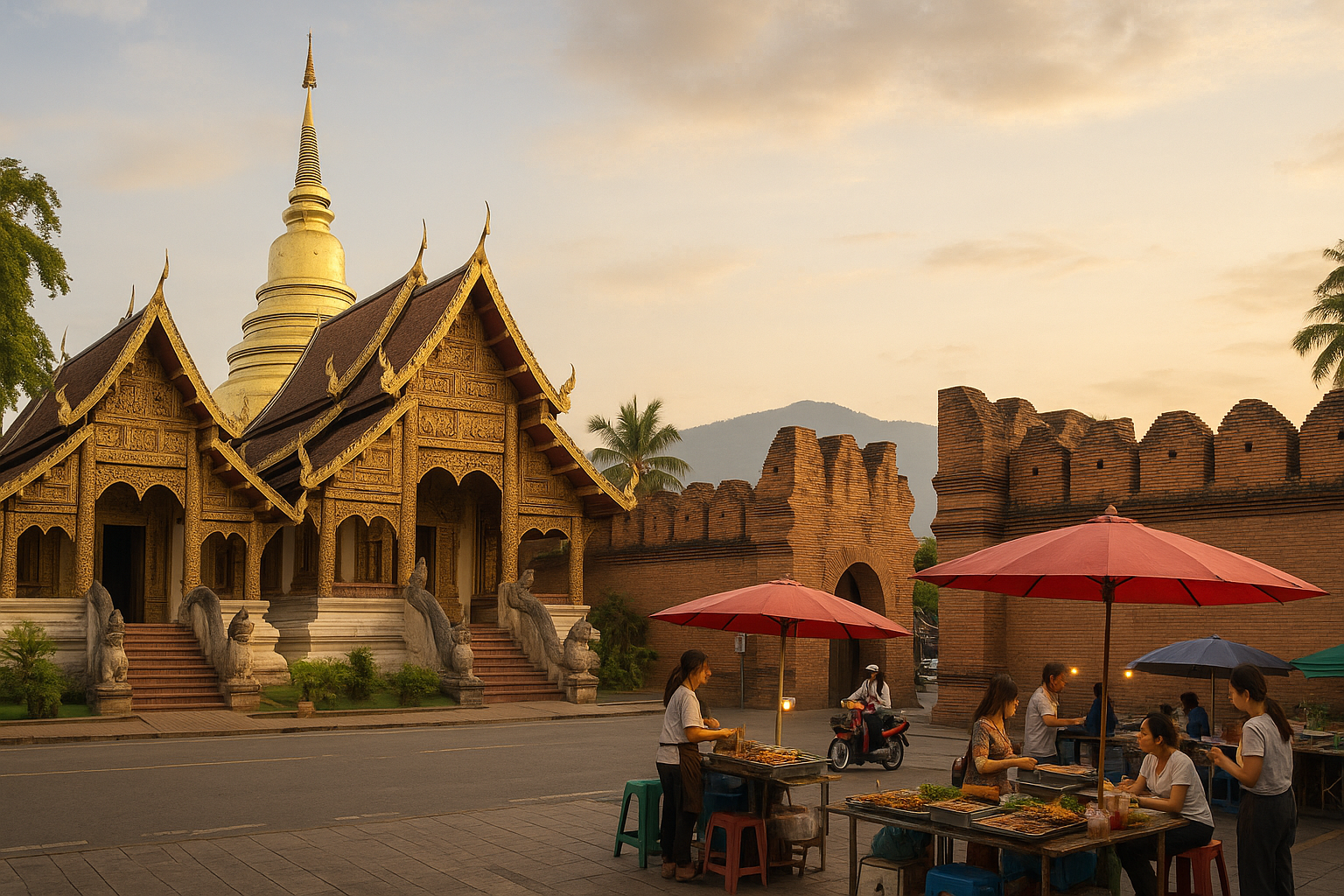
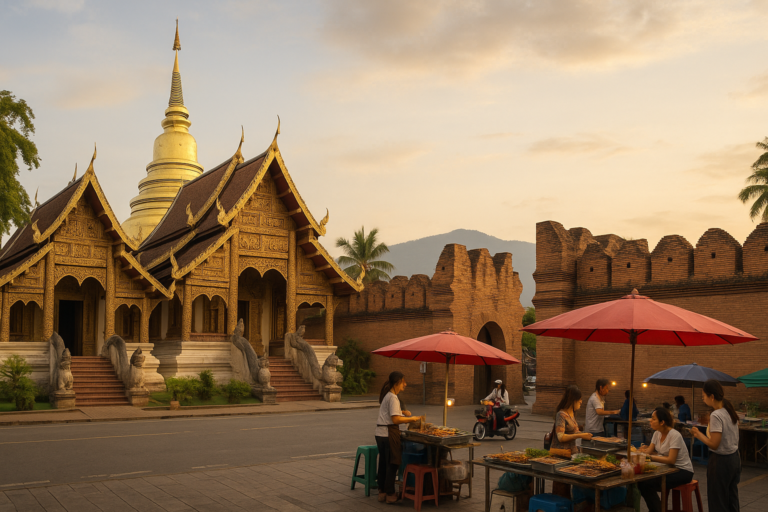
The Old City is the ancient heart of Chiang Mai, surrounded by a historic moat and remnants of a city wall that has stood for hundreds of years. Most first-time visitors base themselves here, and honestly, it’s a solid choice. The temples are within walking distance, the streets are navigable on foot, and the Sunday Night Market transforms the neighborhood into one of the most atmospheric evening experiences in Southeast Asia.
But here’s the thing: if you spend your entire trip inside the Old City walls, you’re only reading the first chapter of a much longer story.
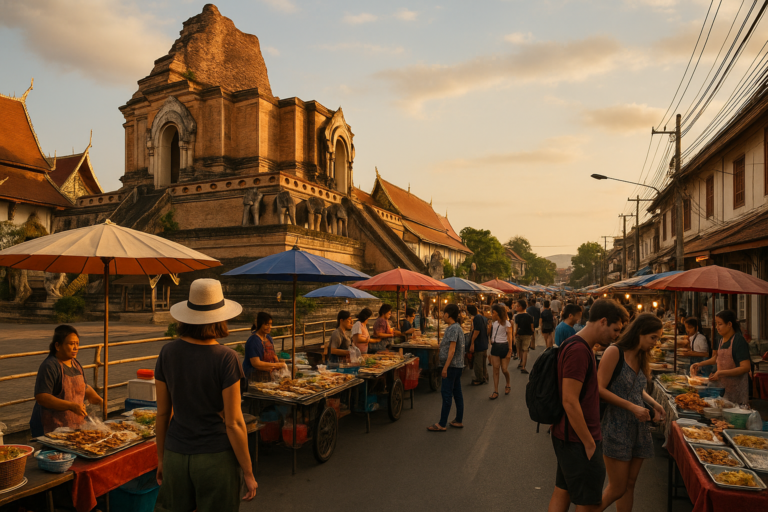
The Sunday Night Market is genuinely worth your time — local artisans, street food vendors, handmade goods, and a crowd that’s a mix of travelers and Chiang Mai residents actually doing their weekend shopping. Arrive early, walk slowly, and eat everything that looks interesting. That’s the rule.
Beyond the market, spend your mornings in the Old City wandering before the heat builds. The side streets between the main roads hide small shrines, neighborhood coffee shops, and quiet corners where monks walk in the early light. This is when the Old City feels most like itself — before the tour groups arrive and the souvenir stalls fully open.
The Temples That Actually Matter
Chiang Mai is widely described as the spiritual capital of Thailand, and that title isn’t just marketing. The city is home to hundreds of temples, each with its own character, history, and atmosphere. The challenge isn’t finding temples — it’s knowing which ones to visit with intention rather than just ticking them off a list.
Wat Phra Singh
This is one of the most revered temples in the city, and for good reason. The architecture reflects the finest traditions of Lanna craftsmanship, with intricate wooden carvings, gilded details, and a sense of scale that genuinely impresses. Visit in the early morning when the light is soft and the atmosphere is contemplative rather than crowded. Dress respectfully — shoulders and knees covered — and take your time moving through the grounds rather than heading straight for the photo spots.
Wat Ket
Located in a quieter neighborhood east of the Old City, Wat Ket sits near the Ping River and attracts far fewer visitors than the central temples. The surrounding area has a relaxed, residential feel that gives you a sense of everyday Chiang Mai life. The temple itself has a distinctive character shaped by both Lanna and Burmese influences, and the riverside setting makes it one of the more peaceful spots in the city.
Wat Palad
If you’re willing to venture into the forested hillside west of the city, Wat Palad is the kind of discovery that stays with you. Tucked into the trees on the slopes of Doi Suthep mountain, it’s a working temple with a genuinely serene atmosphere. The forest surroundings, the sound of running water, and the relative quiet make it feel completely removed from the city below. The hike up through the trees is part of the experience — wear comfortable shoes and bring water.
Neighborhoods Worth Exploring Beyond the Walls
Chiang Mai’s character changes dramatically as you move between neighborhoods. Each area has its own energy, its own community, and its own reasons to linger.
Nimmanhaemin Road and the Creative Quarter
Nimman, as locals call it, is where Chiang Mai’s creative and coffee culture has taken root. The streets here are lined with independent cafés, design studios, bookshops, and galleries. It’s popular with students from the nearby university, digital nomads, and young locals who are shaping what modern Chiang Mai looks like. You can spend an entire afternoon moving between coffee shops, catching up on work or reading, and watching the neighborhood move around you. It doesn’t feel performative or overly curated — it feels genuinely lived-in.
The Ping River Area
The stretch of city along the Ping River has a slower, more reflective quality. Old teak houses sit alongside contemporary restaurants and art spaces. In the evenings, the river reflects the last of the daylight in a way that makes you want to sit still for a while. This is also where some of the city’s better independent restaurants have set up, drawing a crowd that values quality over convenience.
The Area Around the Night Bazaar
The Night Bazaar area is undeniably touristy, but it has its own energy that’s worth experiencing at least once. Beyond the main market strip, the surrounding streets have good street food, local bars, and a lively atmosphere that’s different from the Old City’s more curated character. Don’t write it off entirely — just navigate it with your eyes open.
Eating in Chiang Mai: The Real Education
Northern Thai cuisine is distinct from what you’ll find in Bangkok or on the southern islands, and Chiang Mai is where you eat it properly. The flavors here lean toward earthier, richer profiles — fermented ingredients, fresh herbs, and dishes that reflect the region’s mountain geography and Lanna heritage.
Khao soi is the dish most travelers discover first, and it deserves every bit of its reputation. A rich, slightly spicy coconut curry broth served with egg noodles, crispy fried noodles on top, and your choice of protein — it’s one of those dishes that manages to be both comforting and complex at the same time. Find a small local shop rather than a tourist-facing restaurant, and you’ll understand why people come back to Chiang Mai just to eat it again.
The markets are where the real food education happens. Chiang Mai has both day and night markets scattered across the city, and the best approach is to arrive hungry, walk the full circuit before committing to anything, and then eat slowly and deliberately. The vendors who have been there for years are usually the ones with the longest queues of local customers — follow that signal every time.
Chiang Mai also has a genuinely impressive coffee culture. The region surrounding the city grows its own coffee beans, and the café scene reflects that — independent roasters, thoughtful brewing methods, and a culture of sitting and staying rather than grabbing and going. If you’re someone who takes coffee seriously, you’ll find this city surprisingly satisfying.
Timing Your Visit: What the Season Changes
Chiang Mai’s experience shifts significantly depending on when you arrive. The cool season, running roughly from late November through February, is widely considered the most comfortable time to visit. Temperatures are lower, the air is clearer, and the surrounding mountains take on a quality of light that makes everything look slightly more cinematic. This is also when the city hosts some of its most celebrated festivals, drawing visitors from across Thailand and beyond.
The hot season that follows brings intense heat but also thinner crowds in some areas. If you’re visiting during this period, adjust your schedule accordingly — move in the early mornings and evenings, rest during the hottest part of the afternoon, and use the quieter atmosphere to access places that feel overcrowded in peak season.
The rainy season transforms the landscape dramatically. The mountains turn an almost impossibly deep green, waterfalls that are dry streams in other months rush with real force, and the city takes on a different, more introspective quality. Traveling during the rains requires flexibility and a tolerance for unpredictable afternoons, but it also means lower prices, fewer tourists, and a version of Chiang Mai that feels genuinely unfiltered.
One period to be aware of: the burning season in late February through April, when agricultural burning in the surrounding region can affect air quality significantly. If you’re sensitive to air quality or traveling for outdoor activities, this is worth factoring into your planning. You can find current air quality information through resources like IQAir’s Chiang Mai monitoring page.
The Mountains Are Part of the Experience
Chiang Mai sits in a valley surrounded by forested mountains, and that geography shapes the city’s identity in ways that go beyond scenery. The mountains are where you go for hiking, for waterfalls, for a perspective on the city from above, and for a kind of quiet that the city itself can’t quite offer.
Doi Suthep, the mountain that rises directly west of the city, is the most accessible and most visited. The temple at its summit — Wat Phra That Doi Suthep — is one of the most significant religious sites in Northern Thailand and offers views across the entire valley on clear days. Getting there on a songthaew (a red shared truck taxi) is part of the experience; the road winds up through the trees in a way that makes the arrival feel earned.
Beyond Doi Suthep, the national parks and forested areas surrounding Chiang Mai offer more serious hiking and nature experiences. If the outdoors is a priority for you, build at least a day or two into your itinerary for the mountains. They’re not an optional add-on — they’re central to understanding why Chiang Mai feels the way it does.
Practical Things That Make a Real Difference
A good Chiang Mai travel guide shouldn’t skip the practical stuff, because the small logistical decisions genuinely affect your experience.
- Getting around: Red songthaews are the traditional way to move around the city — they run fixed routes but can also be hired for specific destinations. Ride-hailing apps also work well in Chiang Mai and are useful for getting to places that aren’t on the main songthaew routes.
- Renting a scooter: If you’re comfortable riding, a scooter opens up the city and the surrounding area in a way that public transport can’t match. Check the rental condition carefully, wear a helmet, and get familiar with the traffic flow before heading onto busier roads.
- Staying in the Old City vs. outside it: The Old City is convenient for temple visits and the Sunday market, but it can feel enclosed after a few days. Staying in Nimman or near the Ping River gives you a different base and a different daily experience.
- Respect at temples: Cover your shoulders and knees, remove your shoes when required, and keep your voice low. These aren’t tourist rules — they’re how you show genuine respect for active places of worship.
- Learning a few words in Thai: Even basic greetings go a long way in Chiang Mai. The city is used to travelers, but making the effort to communicate in Thai — even imperfectly — shifts the dynamic of every interaction in a positive direction.
For deeper planning, resources like Meet Me Off Grid’s Chiang Mai guide offer well-organized practical information that complements on-the-ground exploration.
What Keeps People Coming Back
The travelers who return to Chiang Mai again and again aren’t chasing new attractions — they’re chasing a feeling. It’s the feeling of a city that has figured out how to be both ancient and contemporary without losing either quality. It’s the morning light on temple rooftops, the smell of street food in the evening air, the sound of monks chanting at dawn, and the way the mountains frame everything with a reminder that there’s always more to explore just beyond the edge of the city.
Chiang Mai rewards the traveler who slows down. It rewards curiosity over efficiency, conversation over itineraries, and presence over documentation. Every visit surfaces something that the last one missed — a neighborhood café that opened recently, a temple festival that happens to be on, a conversation with a vendor that turns into an hour-long exchange about food, history, and the city’s future.
That’s the real lesson that any honest Chiang Mai travel guide has to convey: this isn’t a city you experience once and understand. It’s a city you return to, each time a little more prepared to see what was always there. Start planning your first visit — or your next one — with that mindset, and Chiang Mai will give you far more than you came looking for.
This article was produced with AI assistance and reviewed editorially.


Southeast Asia on a Shoestring: Budget Travel Guide to Border Crossings & Regional Itineraries

London Beyond the Eye: 8 Walks from Landmarks to Hidden Neighborhoods (2026)


