
LATAM
Central America’s Underrated Cities: Santa Ana, Estelí & Beyond (2026 Travel Guide)
Discover underrated Central America cities like Santa Ana and Estelí. Explore colonial architecture, volcanoes, coffee culture, and authentic local experiences beyond typ

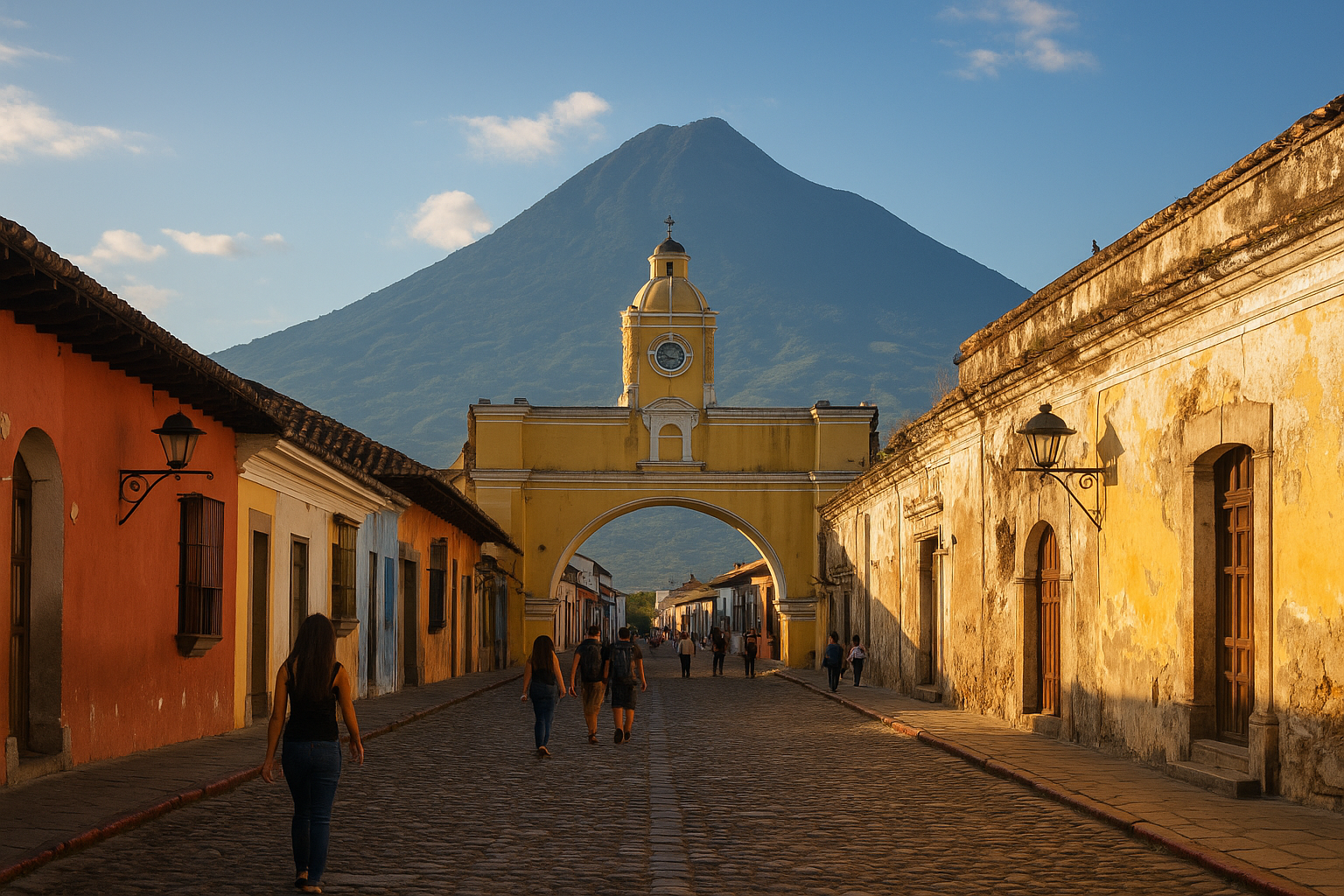
Central America’s Underrated Cities: Why Santa Ana, Estelí, and Beyond Deserve a Spot on Your Map
Everyone talks about Granada, Antigua, and San José. They’re beautiful, they’re iconic, and they’re absolutely worth visiting — but they’re also packed with tourists, priced accordingly, and sometimes feel more like a theme park version of Central America than the real thing. If you’re looking for the underrated Central America cities that most travelers skip right past, you’re about to discover something genuinely different. Places where the streets belong to locals, the food hasn’t been adjusted for foreign palates, and the experiences you collect feel entirely your own. Santa Ana in El Salvador and Estelí in Nicaragua are two cities that belong firmly in that conversation — and this guide is going to show you exactly why.
What Makes Central America So Compelling Right Now
Central America is one of those regions that rewards curiosity more than almost anywhere else on Earth. It’s compact enough to explore in a few weeks, yet wildly diverse in what it offers. Within a single trip, you can walk through colonial plazas that echo centuries of history, hike up active volcanoes, eat your way through markets bursting with flavour, and fall asleep to the sound of the jungle. The region is home to volcanoes, rainforests, Mayan civilization heritage, and coastlines on both the Caribbean and Pacific sides — which means you’re never short of reasons to keep moving.
What makes it especially appealing for young travelers right now is the value. Countries like Nicaragua and El Salvador are among the most budget-friendly destinations in the entire region, which means your money stretches further without you having to compromise on experience. You can stay in comfortable guesthouses, eat well at local comedores, and spend your days doing genuinely memorable things — all without draining your savings account.
The culture here is layered and fascinating. Central America reflects a blend of Indigenous traditions, European colonial influence, and immigrant communities, all woven together in the food, the architecture, the music, and the way people move through their daily lives. That cultural richness is exactly what makes the lesser-known cities so worth exploring. You’re not just seeing a place — you’re stepping into a living, breathing story.
Santa Ana, El Salvador: Colonial Streets, Coffee, and Volcano Views
El Salvador is one of those countries that gets unfairly overlooked. Travelers sometimes pass through on their way somewhere else, but Santa Ana — the country’s second-largest city — has a strong argument for being one of the most rewarding underrated Central America cities you can visit. It sits in the western highlands, surrounded by fertile volcanic landscape, and it carries a sense of everyday Salvadoran life that you simply won’t find in more tourist-heavy destinations.
The Colonial Heart of the City
The central plaza is the kind of place you could spend an entire morning without realising the time has passed. The cathedral is one of the most striking pieces of colonial architecture in the country — a neo-Gothic structure that looks almost out of place in the best possible way. Nearby, the Teatro de Santa Ana is another landmark that speaks to the city’s history and cultural ambition. Walking these streets early in the morning, when vendors are setting up and locals are heading to work, gives you a sense of the city’s rhythm that no guided tour can replicate.
The streets around the plaza are lined with buildings that carry decades of character — faded paint, ornate ironwork, doorways that open onto courtyards you’d never guess existed from the outside. It’s the kind of city where wandering without a destination is genuinely rewarding.
Volcanoes and the Landscape Around Santa Ana
One of the most compelling reasons to base yourself in Santa Ana is access to the volcanic landscape surrounding it. The region sits within reach of some seriously dramatic natural scenery — crater lakes, lush highland trails, and viewpoints that make you understand why this part of El Salvador feels so different from the coast. Hiking in this area requires some planning and ideally a local guide, but the effort is absolutely worth it. The views from higher elevations look out over a patchwork of coffee farms, forest, and distant peaks.
Speaking of coffee — the highlands around Santa Ana are serious coffee country. El Salvador produces some genuinely excellent coffee, and being in this region gives you the chance to connect with that culture directly. Local cafés in the city serve coffee grown nearby, and if you’re curious about the process, there are farms in the surrounding area where you can learn more about how the beans go from plant to cup. It’s the kind of experience that makes your morning coffee feel completely different once you’re back home.
Eating and Connecting in Santa Ana
The food scene in Santa Ana is rooted in Salvadoran staples done properly. Pupusas — thick corn tortillas filled with cheese, beans, or meat — are the national dish, and you’ll find them made fresh at comedores and street stalls throughout the city. Eating here isn’t a tourist activity; it’s just what people do. Pull up a plastic stool, order a plate, and watch the city go about its day around you. That’s the kind of travel moment that sticks.
The city also has a younger creative energy that’s been growing quietly. Small coffee shops, independent bookstores, and community spaces have been appearing in recent years, giving Santa Ana a subtle cultural vibrancy that rewards travelers who take the time to explore beyond the main plaza.
Estelí, Nicaragua: Highland Character and Local Life
Nicaragua is consistently described as one of the cheapest countries in Central America, known for its beaches and colonial cities — but Estelí, tucked up in the northern highlands, represents something distinct from the colonial showpieces of Granada or León. It’s a working city with a strong local identity, a cooler climate than the lowlands, and a character that feels genuinely its own.
A City with a Story
Estelí has a history that shaped it deeply, and that history is visible in the murals that cover walls throughout the city. Street art here isn’t decoration — it’s documentation. Walking through Estelí’s streets feels like reading a visual record of the community’s identity, its struggles, and its pride. It’s one of the most striking examples of public art you’ll encounter anywhere in Central America, and it gives the city an atmosphere that’s hard to describe but immediately felt.
The central park and surrounding streets have the unhurried quality of a city that exists for its residents rather than its visitors. That’s not a criticism — it’s exactly what makes it interesting. You’re not competing with tour groups for space. You’re just there, part of the daily flow of a city that has its own things going on.
The Highlands and What’s Around Estelí
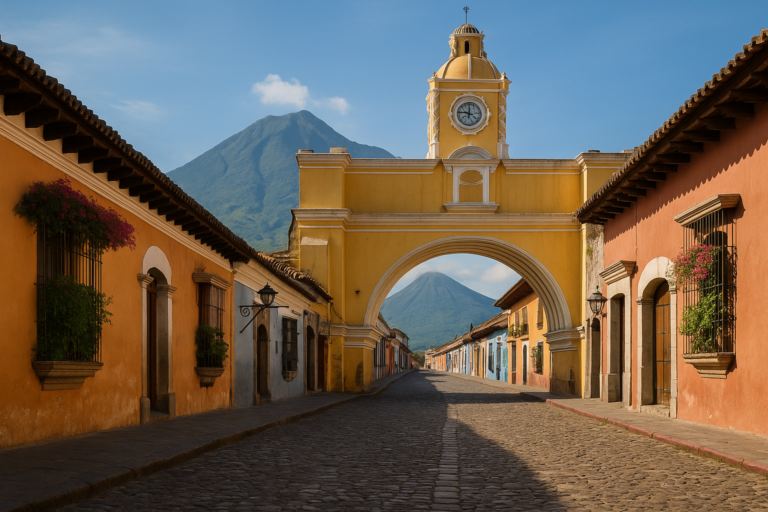
The landscape around Estelí is one of the most underappreciated in the region. The northern highlands offer cooler temperatures, dramatic canyon scenery, and natural reserves that are genuinely off the beaten path. There are canyons nearby where you can hike, swim in natural pools, and spend time in landscapes that feel completely removed from the tourist trail. Getting out of the city and into the surrounding countryside is one of the best things you can do here.
The region is also known for tobacco — Estelí is considered one of the world’s notable cigar-producing areas, and the connection between the land and what it produces is something locals are proud of. Even if cigars aren’t your thing, understanding that relationship between place and craft adds texture to how you experience the city.
Getting Around and Getting Into It
One of the things that makes Estelí feel adventurous for young travelers is the approach to getting around. Motorbike taxis are common, local buses connect the city to surrounding towns, and the general culture of independent movement means you’re encouraged to figure things out as you go. That spontaneity is part of the appeal. You don’t need a curated itinerary here — you need curiosity and a willingness to ask questions.
The local market is essential. Markets in cities like Estelí are where you see the real economy of a place — the produce coming down from the hills, the vendors who’ve been in the same spot for years, the food that nobody photographs for social media because it’s just lunch. Spend an hour wandering through it and you’ll learn more about the city than any guidebook can tell you.
Practical Considerations for Traveling These Cities
Getting There
Both Santa Ana and Estelí are accessible by bus from their respective countries’ capital cities. El Salvador’s transport network connects San Salvador to Santa Ana regularly, and the journey is manageable. In Nicaragua, buses from Managua head north toward Estelí with reasonable frequency. Neither city has an airport, so you’re arriving overland — which, honestly, is part of the experience. The journey gives you context. You see the landscape change, you share space with locals, and you arrive with a sense of how the place fits into its surroundings.
Safety and Awareness
Safety in Central America is a topic that deserves honest engagement rather than either dismissal or exaggeration. El Salvador has made significant strides in recent years, and cities like Santa Ana have a calmer atmosphere than the reputation of the country as a whole might suggest. That said, basic travel awareness applies everywhere: keep your valuables secure, avoid displaying expensive equipment unnecessarily, and take time to understand the local context before you arrive. Connecting with your accommodation host for up-to-date local advice is always a smart first step.
Nicaragua has its own complexities, and it’s worth checking current travel advisories from your home country’s foreign affairs department before you go. Resources like the Broke Backpacker’s Central America guide offer practical, experience-based perspectives on navigating the region safely as an independent traveler. The key principle across both destinations is the same: stay informed, be respectful, and trust your instincts.
Budget and Accommodation
Both cities are genuinely affordable. Hostels and guesthouses in Santa Ana and Estelí cater to independent travelers without the inflated prices you sometimes find in more tourist-heavy destinations. Eating at local comedores and markets keeps food costs low. The overall cost of a day in either city — accommodation, food, local transport, and an activity — is very manageable even on a tight travel budget. That affordability is part of what makes these places so valuable for young travelers who want to stretch their time in the region.
Activities Beyond the Obvious
The best experiences in cities like Santa Ana and Estelí aren’t on any official tourist map. They’re the things you find when you slow down and pay attention. Here are some directions worth exploring in both cities:
- Join a community project or volunteer day: Both cities have active local organizations working on community development, environmental projects, and cultural preservation. Even a short visit can connect you with people doing meaningful work.
- Take a cooking class with a local family: Learning to make pupusas or a traditional Nicaraguan dish in someone’s kitchen is an experience that stays with you long after the meal is over.
- Explore the surrounding countryside by local transport: Chicken buses, motorbike taxis, and shared rides are how locals get around — and using them takes you through landscapes and communities you’d never see from a tourist van.
- Visit during a local festival or market day: Both cities have cultural events tied to the local calendar. Arriving during a festival transforms the experience entirely.
- Talk to people: This sounds obvious, but it’s the most underused travel tool there is. A conversation at a café, a question asked at a market stall, a shared table at a local restaurant — these are where the real stories come from.
For broader inspiration on where these cities fit within a larger Central American journey, resources like Indie Traveller’s Central America guide offer a useful regional perspective that helps you plan a connected itinerary across multiple countries.
Why These Cities Represent the Best of Central America Travel
The underrated Central America cities on this list — Santa Ana, Estelí, and the many others like them — share something important. They haven’t been smoothed out for easy consumption. They have edges, character, and a sense of place that comes from being lived in rather than curated. That’s exactly what makes them worth seeking out.
When you travel somewhere that doesn’t expect you, you have to show up differently. You have to be more curious, more patient, more willing to figure things out. And in return, you get something that no highlight reel can capture: the feeling of being genuinely somewhere, rather than just passing through.
Central America as a whole is a region that rewards travelers who are willing to look beyond the obvious. Its volcanoes, rainforests, colonial history, Indigenous heritage, and layered cultural identity make it one of the most compelling destinations in the world for young, curious travelers. The cities that don’t make the front cover of every travel magazine are often the ones that leave the deepest impression — and Santa Ana and Estelí are proof of that. Start planning, stay open to the unexpected, and give yourself permission to discover Central America on your own terms. The stories you’ll come home with will be entirely, unmistakably yours.
This article was produced with AI assistance and reviewed editorially.


Southeast Asia on a Shoestring: Budget Travel Guide to Border Crossings & Regional Itineraries

London Beyond the Eye: 8 Walks from Landmarks to Hidden Neighborhoods (2026)


