
Italy
L’Aquila
Discover L’Aquila Italy, a historic mountain city in Abruzzo with seven centuries of history. Italian Capital of Culture 2026 with authentic local experiences.

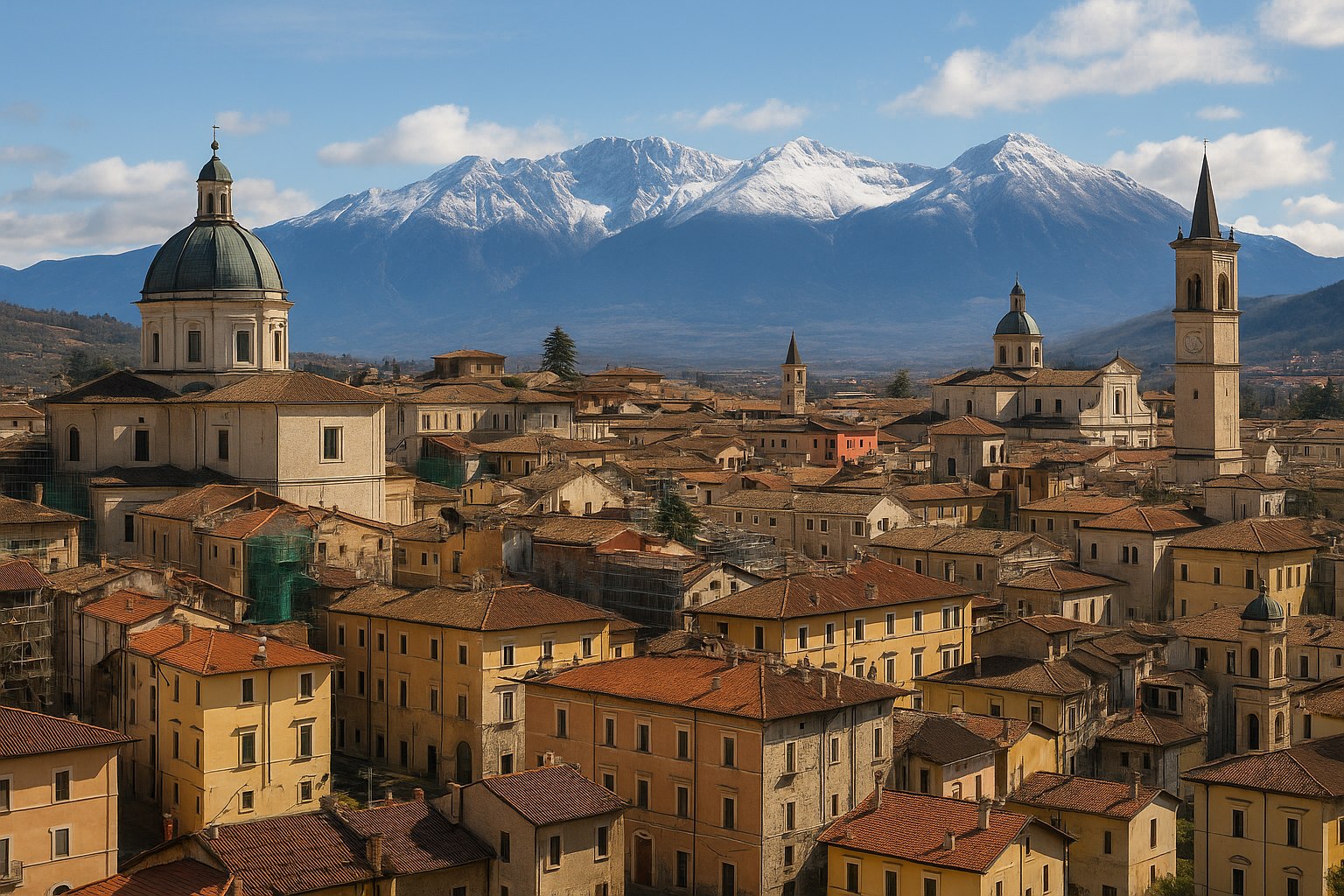
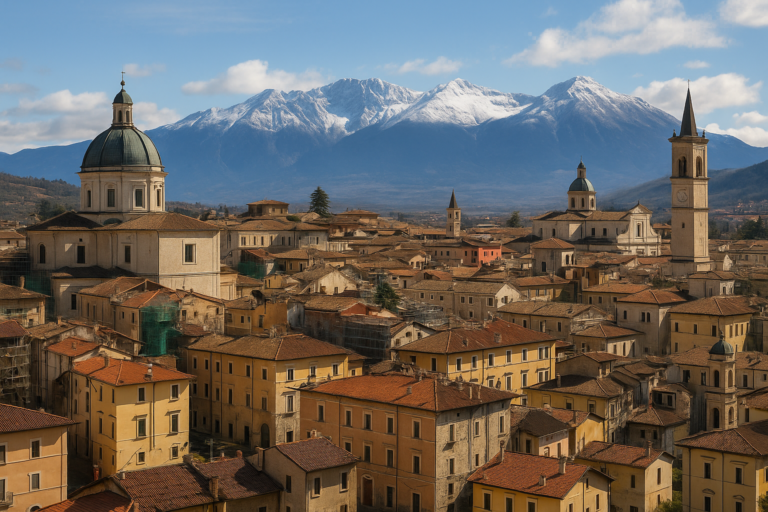
L’Aquila, Italy: The Mountain City You Haven’t Discovered Yet
There’s a certain kind of travel magic that happens when you stumble onto a destination before everyone else does. Right now, that destination is L’Aquila, Italy. Perched high in the Apennine mountains at 714 metres above sea level, this city sits roughly 120 kilometres from Rome — close enough for a weekend escape, far enough to feel like a completely different world. It’s the capital of the Abruzzo region, it carries more than seven centuries of history, and in 2026 it holds the title of Italian Capital of Culture. If you’ve been searching for somewhere that rewards the curious traveler, you’ve just found it.
Why L’Aquila Deserves a Spot on Your Radar Right Now
Most young travelers heading to Italy follow the same well-worn path: Rome, Florence, Venice, repeat. And look, those cities are genuinely worth it. But Italy has layers, and L’Aquila lives in one of those deeper, richer layers that most people never reach.
Being named the Italian Capital of Culture for 2026 has put this mountain city in the spotlight in a way it hasn’t experienced before. That means festivals, exhibitions, concerts, and cultural events are filling the calendar throughout the year. You’re not just visiting a beautiful historic city — you’re arriving at a moment when the whole place is buzzing with creative energy.
And because L’Aquila is still flying under the radar for international backpackers, you’ll find something increasingly rare in Italy: a city that still belongs to its locals. The restaurants serve food for residents, not tourists. The streets aren’t clogged with tour groups. The pace is slower, the interactions more genuine. That’s exactly the kind of travel experience that stays with you.
A City With a Story Worth Knowing
L’Aquila was founded in 1240 by Holy Roman Emperor Frederick II, making it a city with nearly eight centuries of layered history woven into every street and square. That kind of age shows up in the architecture, in the rhythms of daily life, and in the pride locals carry for their hometown.
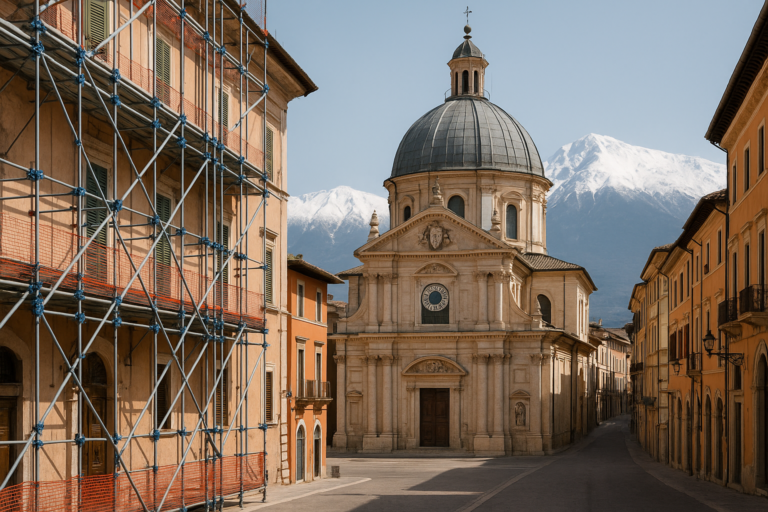
But L’Aquila’s story isn’t only about the distant past. In 2009, the city was devastated by a powerful earthquake that caused widespread destruction across the historic centre. What happened next says everything about the character of this place. Rather than simply rebuilding and moving on, the community of L’Aquila fought hard to restore what was lost — both the physical fabric of the city and its cultural identity. Walking through the streets today, you’ll see scaffolding still standing alongside fully restored baroque facades. It’s a city in the middle of its own story, and that makes it more compelling, not less.
Understanding this history before you arrive changes how you experience the city. You start to notice the details differently. A freshly restored church doorway isn’t just beautiful — it represents years of painstaking work. A square that feels alive with people carries the weight of everything that was almost lost. L’Aquila rewards travelers who pay attention.
What to See and Do in L’Aquila, Italy
Explore the Historic Centre on Foot
The best way to get to know L’Aquila is simply to walk. The historic centre is compact enough to explore without a map, and getting lost is part of the experience. You’ll pass churches, piazzas, and Renaissance-era buildings at every turn. The architecture reflects the city’s long and layered history — there are echoes of medieval construction sitting alongside baroque flourishes and more recent restoration work.
One of the most striking landmarks on the main square is the Santa Maria di Suffragio, a church featuring a rebuilt baroque facade that has become one of the defining images of the city’s ongoing recovery and resilience. Standing in front of it, you get a real sense of how much effort has gone into bringing L’Aquila back to life.
As you wander, look up. The mountain setting means that around almost every corner, you’ll catch a view of the surrounding Apennines. The combination of historic architecture and dramatic natural landscape is something genuinely hard to find anywhere else in Italy.
Experience the Perdonanza Celestiniana
If your timing is right, don’t miss the Perdonanza Celestiniana — the Celestian Pardoning festival, which is the primary annual celebration in L’Aquila. This is one of the oldest festivals in the world, rooted in a papal decree from the late thirteenth century. It draws locals and visitors together in a way that feels deeply authentic rather than performed for tourists.
The festival involves processions, historical reenactments, music, and a genuine sense of community celebration that you simply can’t manufacture. If you’re the kind of traveler who wants to feel like part of a place rather than just passing through, attending the Perdonanza is one of the most memorable things you can do in L’Aquila. Check local listings closer to your travel dates for the exact schedule and events planned for the year.
Get Into the Mountains
L’Aquila sits at the edge of some seriously spectacular mountain terrain. The Gran Sasso massif — one of the highest peaks in the Apennines — is practically on the city’s doorstep. In winter, this means skiing and snowboarding within easy reach of the city centre. In summer and autumn, the same landscape transforms into hiking and trekking territory with trails suited to everyone from casual walkers to experienced hikers.
The contrast between the urban experience of L’Aquila and the wild, open mountain landscape surrounding it is one of the things that makes this destination genuinely exciting. You can spend the morning exploring baroque churches and be watching the sun set over mountain ridges by the afternoon. Not many cities in Europe offer that kind of range.
Eat and Drink Like a Local
Abruzzo has a food culture that deserves far more international attention than it gets. The region is known for hearty mountain cooking — think slow-cooked lamb, handmade pasta, cured meats, and cheeses that have been produced the same way for generations. L’Aquila, as the regional capital, is a great place to explore this culinary tradition.
Look for small, family-run trattorias rather than restaurants with menus displayed in multiple languages. Sit down, order the pasta of the day, and let the meal unfold at its own pace. Abruzzo also produces some excellent wines and a saffron that’s considered among the finest in Italy — keep an eye out for it used in local dishes. Eating well here doesn’t require a big budget, which is always welcome news for young travelers.
Practical Things to Know Before You Go
Getting There from Rome
L’Aquila’s location — approximately 120 kilometres from Rome — makes it very manageable as either a day trip or a longer stay. Regular bus services connect Rome’s main bus terminals with L’Aquila, and the journey typically takes around an hour and a half to two hours depending on the route and stops. It’s one of the more affordable ways to make the connection, which suits a backpacker budget well.
If you’re traveling by car, the drive through the mountains is genuinely scenic and worth it for the views alone. Just be aware that the mountain roads require a bit more attention than motorway driving, especially in winter conditions when snow is possible at this elevation.
When to Visit
L’Aquila is worth visiting in any season, but each offers a different experience. Spring brings mild temperatures, wildflowers on the surrounding hillsides, and the city coming alive after winter. Summer is warm and lively, with the Cultural Capital programming in full swing throughout 2026. Autumn is arguably the most atmospheric — the mountain light turns golden, the crowds thin out, and the food culture reaches its seasonal peak with harvest produce filling the markets. Winter is cold and occasionally snowy, but if you’re interested in skiing or simply experiencing a mountain city wrapped in frost, it has its own quiet appeal.
Where to Stay
L’Aquila has a range of accommodation options from budget-friendly guesthouses and B&Bs to small boutique hotels in the historic centre. Given the city’s ongoing recovery and the boost from its Capital of Culture status, it’s worth booking ahead, particularly if you’re planning to visit during festival periods or the summer months of 2026. Staying in or close to the historic centre puts you within walking distance of almost everything worth seeing.
Language and Getting Around
English is less widely spoken in L’Aquila than in the major tourist hubs, which is actually part of its charm. Learning a handful of basic Italian phrases before you arrive goes a long way — locals genuinely appreciate the effort, and it opens doors that staying in tourist-English mode never would. The city centre is very walkable, and most of the key sights are within comfortable reach on foot.
For more detailed practical planning, the Wikivoyage guide to L’Aquila is a solid resource with up-to-date travel logistics and local information.
The Bigger Picture: Why This Kind of Travel Matters
Visiting a city like L’Aquila isn’t just about ticking off another destination. It’s about choosing to engage with a place that has real depth — history, resilience, culture, and community all woven together in a way that takes time to appreciate. When you travel somewhere that’s still finding its footing after hardship, your presence as a respectful, curious visitor actually means something. You’re contributing to a local economy that needs it, and you’re witnessing a story that’s still being written.
That’s the kind of travel that changes your perspective. Not because the destination is selling you an experience, but because you’re actually living one. L’Aquila, Italy isn’t a theme park version of Italian culture — it’s the real thing, in a mountain setting that takes your breath away, with a community that’s proud of what it’s built and what it’s rebuilding.
Final Thoughts: Go Before Everyone Else Does
There’s a version of L’Aquila that will exist in five years when the restoration is more complete, the Cultural Capital buzz has faded, and the travel blogs have caught up. That version will still be worth visiting. But the version that exists right now — raw, resilient, culturally energized, and genuinely off the beaten path for most international travelers — is something rarer. It’s a city in the middle of its comeback story, surrounded by mountains, steeped in history, and ready to be discovered by the kind of traveler who knows that the best experiences rarely come with a crowd. Pack your bag, learn a few words of Italian, and go find out what L’Aquila has been quietly waiting to show you.
This article was produced with AI assistance and reviewed editorially.


Japan for First-Timers: A 2-Week Itinerary Beyond the Guidebook

The Solo Travel Confidence Guide: How to Travel Alone Without the Anxiety


