
Portugal
7-Day Madeira Itinerary: Hiking, Coastal Villages & Local Food (2026 Guide)
Explore Madeira in a week with this local guide covering levada hikes, coastal villages, authentic food, and hidden spots beyond typical tourist routes.

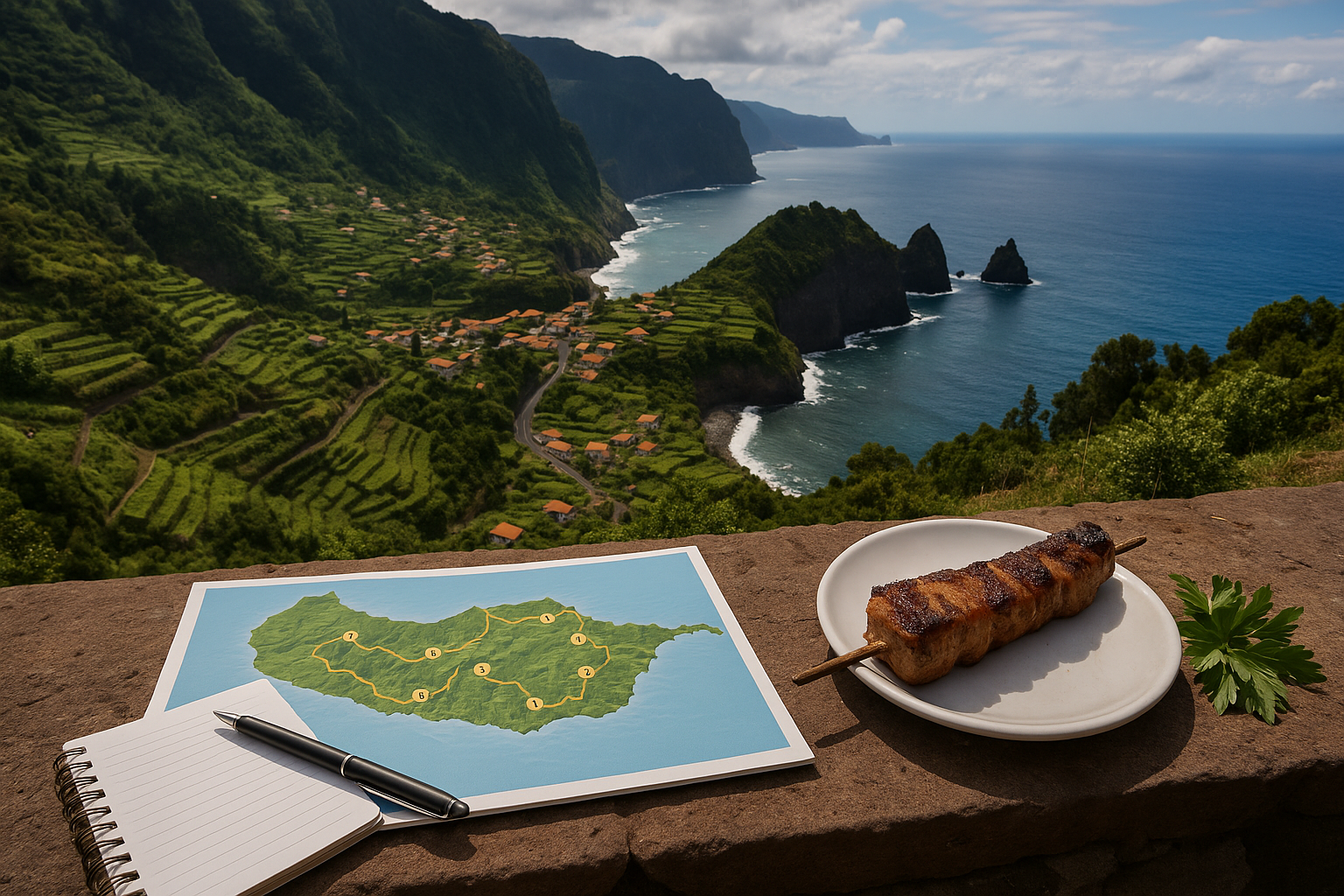
Your Complete Madeira 7 Day Itinerary for 2026
Picture yourself standing on the edge of a volcanic peak, clouds drifting below you, the Atlantic stretching endlessly in every direction. That’s Madeira — and it’s one of those places that genuinely surprises you. This Madeira 7 day itinerary is designed for curious, active travelers who want more than a beach holiday. You’re here for the levada walks, the coastal villages, the food markets, and the moments that don’t make it onto postcards. Madeira is an autonomous region of Portugal sitting in the Atlantic Ocean, off the northwest coast of Africa — closer to Morocco than to Lisbon — and it packs an extraordinary amount of variety into a relatively small island. Seven days is enough time to explore it properly, and this guide will show you exactly how.
Why Madeira Deserves a Full Week
Some islands reward a long weekend. Madeira rewards patience. The landscape here is rugged, subtropical, and volcanic — dramatic in a way that photos barely capture. Jagged mountain ridges drop into coastal cliffs. Waterfalls appear around corners on forest trails. Natural rock pools sit right at the edge of the ocean. Black sand beaches sit beside lush green valleys.
What makes Madeira genuinely special for younger travelers is how much it rewards exploration on foot. The island’s network of levadas — ancient irrigation channels that cut through the landscape — doubles as a hiking trail system unlike anything else in Europe. You can walk through laurel forests that have existed for millions of years, following channels of running water through tunnels and along cliff edges. It’s not just scenic. It’s an adventure.
And then there’s the food. The local cuisine is honest and satisfying — grilled fish, espetada (beef skewers cooked over laurel wood), bolo do caco (a flatbread made with sweet potato), and poncha (a local spirit made from aguardente). Eating well in Madeira doesn’t require a big budget. It requires knowing where to look.
Getting Around: Car, Bus, or Tours?
Good news: you don’t need to rent a car to explore Madeira. A well-planned Madeira 7 day itinerary is entirely doable using a combination of public buses, taxis, cable cars, and organized day tours. Buses connect Funchal to most major towns and trailheads, and the city itself is walkable. That said, having a car does give you more freedom, especially for early morning hikes when you want to beat the crowds to a viewpoint. If you’re comfortable driving on mountain roads, it’s worth considering for at least a few days.
For longer hikes, many travelers book guided tours that include transport to and from trailheads — this is a smart option if you’re visiting solo or don’t want to figure out bus schedules in remote areas.
Day 1: Arrive in Funchal and Find Your Feet
Land in Funchal, drop your bags, and resist the urge to plan everything immediately. Spend your first afternoon wandering the Old Town — the Zona Velha. The streets here are narrow and painted with murals, the kind of neighborhood that rewards slow walking. Stop at the Mercado dos Lavradores, the city’s main covered market, and let yourself get slightly overwhelmed by the smell of exotic fruit and fresh flowers. This is where you start to understand what makes Madeira different.
In the evening, find a spot along the waterfront and eat something simple. Grilled limpets with butter and garlic are a classic Madeiran starter and the perfect introduction to local flavors. You’ll find them at almost any restaurant near the seafront.
Day 2: Monte Palace Gardens and the Toboggan Ride
Take the cable car up to Monte, the hillside neighborhood above Funchal, and spend the morning exploring the Monte Palace Tropical Garden. It’s one of Madeira’s most visited attractions — and for good reason. The gardens are layered across steep hillsides, filled with exotic plants, koi ponds, and tile panels depicting Portuguese history. It’s genuinely beautiful and surprisingly easy to spend two hours here without noticing.
After the gardens, do what everyone does and take the famous wicker toboggan ride back down toward Funchal. Two men in white linen suits steer a wooden sledge down the cobblestone streets. It’s old-fashioned, slightly absurd, and completely worth doing. Spend the afternoon exploring Funchal’s food scene — look for a local pastelaria and try a pastel de nata with an espresso.
Day 3: Pico do Arieiro and the Mountain Peaks
This is the day you go high. Pico do Arieiro is one of Madeira’s most iconic viewpoints, sitting at around 1,800 meters above sea level. On a clear morning, you’re above the clouds, looking out over a jagged volcanic landscape that feels like another planet. Get there early — the light is extraordinary at sunrise, and the crowds haven’t arrived yet.
From Pico do Arieiro, experienced hikers can tackle the trail to Pico Ruivo, Madeira’s highest peak. It’s a challenging route that takes you through tunnels, along exposed ridges, and past some of the most dramatic scenery on the island. The trail takes around three to four hours one way, so plan accordingly. If you’d rather take it easier, simply enjoy the views from the summit and head back down for a long lunch in a mountain village.
Day 4: The PR6 Levada Walk — 25 Fontes and Risco Falls
Day four is for the levadas. The PR6 trail to 25 Fontes and Risco Falls is one of Madeira’s most celebrated hikes, and it earns that reputation. The walk takes you through ancient laurel forest — a UNESCO-listed ecosystem — along a narrow levada channel, and eventually to a wide natural pool surrounded by waterfalls on three sides. It’s the kind of place that makes you stop talking and just look.
The full trail is around eight kilometers return and takes roughly three to four hours at a relaxed pace. Wear layers — the forest can be cool and misty even in summer — and bring waterproof shoes if you have them. The path passes through tunnels where the rock drips overhead. It’s atmospheric and a little wild. This is the heart of any great Madeira 7 day itinerary.
You can reach the trailhead by organized tour from Funchal, or by public bus to Rabacal. Check current transport options before you go, as schedules can vary seasonally. The Travel Conscious Madeira itinerary guide has useful practical notes on getting to key trailheads without a car.
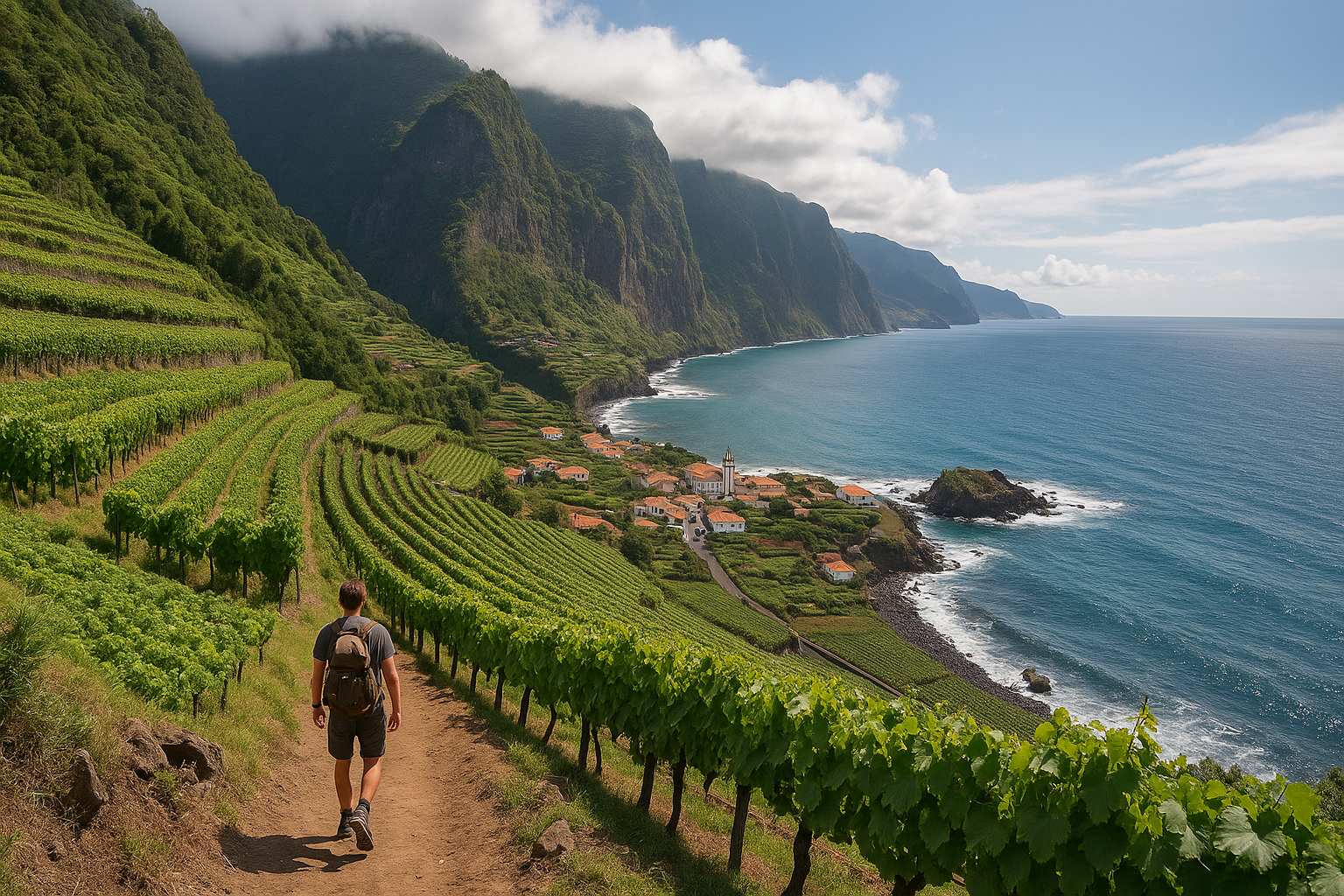
Day 5: Whale Watching and the Western Coast
Madeira sits in some of the richest cetacean waters in the Atlantic. Whale and dolphin watching tours depart regularly from Funchal marina, and the chances of spotting something are genuinely high. Common dolphins, bottlenose dolphins, sperm whales, and pilot whales all pass through these waters. It’s not a gimmick — it’s one of the most memorable things you can do on the island.
Book a morning tour and spend the afternoon exploring the western coast. The village of Câmara de Lobos — a small fishing village just west of Funchal — is worth a stop. Colorful boats line the harbor, fishermen mend nets on the quay, and the cliffs above the village drop dramatically into the sea. It’s a working place, not a tourist set piece, and that’s exactly what makes it worth visiting.
Further west, the Cabo Girão viewpoint offers one of the highest sea cliffs in Europe. A glass-floored platform extends over the edge — not for the faint-hearted, but unforgettable if you can handle it.
Day 6: The Northeast — Santana, Faial, and the Wild Coast
The north and northeast of Madeira feel like a different island. The landscape is greener, wilder, and less visited. The village of Santana is known for its traditional A-frame thatched houses — small, colorful, and genuinely charming. It’s a quick visit, but worth including as you drive or tour through the region.
From Santana, head toward Faial and the dramatic viewpoint at Penha de Águia — a massive basalt rock that rises from the coast like a fortress. The road along the northeast coast winds through tiny villages, past terraced fields and banana plantations, with the ocean always visible below.
If you have the energy, the levada walk at Caldeirão Verde is one of the island’s best-kept secrets — a trail through dense laurel forest that ends at a waterfall inside a natural amphitheater of rock. It’s longer and less crowded than the PR6, which makes it even better. For more route ideas and regional planning tips, the Journeys 6 Senses 7-day Madeira guide covers the northeast beautifully.
Day 7: Slow Morning, Local Market, and One Last Sunset
Your last day doesn’t need to be packed. Wake up without an alarm. Find a café in Funchal’s Old Town and eat a proper breakfast — fresh bread, local cheese, and a galão (a milky coffee that’s become a morning ritual by now). Let the city move around you at its own pace.
If it’s a Saturday, the Mercado dos Lavradores is at its most vibrant. Pick up local honey, passion fruit jam, or a bottle of Madeira wine to take home. Talk to the vendors — many speak English and are genuinely happy to explain what you’re looking at.
Spend the afternoon revisiting a spot that stayed with you during the week. Maybe it’s a levada trail you want to walk one more time. Maybe it’s a café terrace with a view. In the evening, find a restaurant that grills espetada over laurel wood and order it properly — skewered on a long stick, hanging from a hook above the table. It’s the kind of meal that ends a trip on exactly the right note.
Practical Tips for Your Madeira Trip in 2026
- Best time to visit: Madeira’s subtropical climate means it’s worth visiting year-round, but spring and early autumn offer the most comfortable hiking temperatures. Summer is busier and warmer. Winter brings more rain on the north coast but remains mild in Funchal.
- Getting there: Madeira’s main airport, Cristiano Ronaldo International Airport, is well connected to major European cities. Flight times from the UK and mainland Europe are typically between two and four hours.
- Budget: Madeira is generally affordable compared to other Portuguese destinations. Eating at local restaurants rather than tourist-facing places saves money and tastes better.
- Hiking gear: Bring proper walking shoes, a waterproof layer, and a small daypack. Levada trails can be slippery and narrow. Trekking poles are useful for longer mountain routes.
- Connectivity: Mobile coverage is generally good across the island, including in most hiking areas, though some tunnels and remote valleys have limited signal.
- Language: Portuguese is the official language. English is widely spoken in Funchal and tourist areas, less so in remote villages — a few words of Portuguese go a long way.
- Respect the trails: Stick to marked paths, take your litter with you, and don’t pick plants. The laurel forest is ancient and irreplaceable.
What Makes Madeira Different From Other Island Destinations
Madeira isn’t trying to be Ibiza or Tenerife. It’s not built around beach clubs or all-inclusive resorts. The island’s identity is rooted in its landscape, its food, and its people — and that’s precisely what makes it so compelling for travelers who want something with more substance.
You’ll find that a well-structured Madeira 7 day itinerary naturally balances physical adventure with cultural discovery. One day you’re gasping at the view from a mountain ridge. The next you’re sitting in a harbor village eating grilled fish and watching the boats come in. The contrast is what makes the week feel full.
It’s also a destination that rewards repeat visits. Most travelers who spend a week here leave with a list of things they didn’t get to — trails they want to walk, villages they passed through too quickly, restaurants they meant to go back to. That’s not a failure of planning. That’s just what Madeira does to people.
Ready to Start Planning?
A week in Madeira is genuinely one of the most rewarding travel experiences available to young, active travelers right now. The island is accessible, affordable, and endlessly interesting — the kind of place where every day feels different and every evening ends with a story worth telling. Whether you’re a seasoned hiker, a first-time solo traveler, or somewhere in between, this Madeira 7 day itinerary gives you a framework that’s flexible enough to make your own. Pack your walking shoes, leave some space in your schedule for the unexpected, and go find out what the clouds look like from above.
This article was produced with AI assistance and reviewed editorially.


7-Day Madeira Itinerary: Hiking, Coastal Villages & Local Food (2026 Guide)

L’Aquila


