
Asia
Chiang Mai Beyond the Tourist Season: Burning Season, Costs, and Real Life (12 Visits)
Honest Chiang Mai travel guide covering 12 visits, burning season reality, monthly costs, neighborhood picks, and how the city has changed over time.



What Chiang Mai Actually Feels Like After Many Visits
Every serious traveler has that one city they keep returning to. Not because it’s perfect, but because it pulls you back in ways you can’t quite explain. For a lot of young adventurers, that city is Chiang Mai — and any honest Chiang Mai travel guide will tell you that the place rewards repeat visits in a way that few destinations do. Multiple experienced travel writers, including contributors to platforms like Indie Traveller and Trip Jaunt via Yahoo Travel, have documented twelve separate visits to this northern Thai city — and still found new things to say about it. That should tell you something.
This isn’t a list of temples to tick off or a hotel ranking. This is the honest version — the one that covers the smoke in the air, the shifting costs, the neighborhoods that still feel real, and the parts of Chiang Mai that have changed almost beyond recognition. If you’re planning your first visit, your third, or your tenth, this is what you actually need to know.
Why Chiang Mai Keeps Drawing People Back
Chiang Mai sits in the mountains of northern Thailand, surrounded by jungle and dotted with over three hundred ancient temples. It has a slower pace than Bangkok, cooler temperatures for much of the year, and a creative, community-driven energy that’s hard to find in most Southeast Asian cities its size.
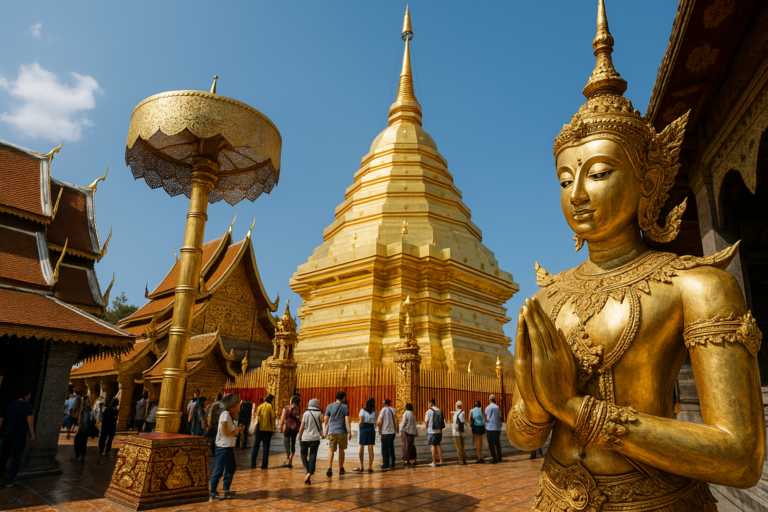
The city was famously the favorite of King Bhumibol Adulyadej, who ruled Thailand until his passing in 2016 — and you can feel that cultural reverence woven into the city’s identity. There’s a pride here, a sense of place, that goes deeper than tourism. The Old City, enclosed by a moat and ancient walls, still anchors everything. Step inside those walls and you’re surrounded by golden temple rooftops, crumbling brick, and the smell of incense drifting from courtyards that have been active for centuries.
But Chiang Mai is also a city that evolves. The coffee scene has exploded. Co-working spaces have multiplied. Rooftop bars and boutique guesthouses have appeared in alleys that once held only noodle stalls. The city was already recognized as the world’s most popular digital nomad hub back in 2011 — and it has changed significantly since then. Whether that change feels like progress or loss depends on what you came looking for.
The Burning Season: What No One Tells You Before You Book
Let’s talk about the thing that most travel content glosses over. Every year, roughly around February through April, northern Thailand experiences what locals and travelers call the burning season. Agricultural burning across the region — combined with forest fires and weather patterns that trap smoke in the valley — turns Chiang Mai’s air into something genuinely difficult to breathe.
By March, Chiang Mai frequently appears on lists of cities with the worst air quality on the planet. That’s not an exaggeration. On bad days, the mountains that ring the city disappear entirely behind a thick grey haze. The sun turns orange. Your throat feels it within hours of being outside. Temples that should be stunning look muted and distant through the smog.
If you’re sensitive to air quality — or if you have asthma, allergies, or any respiratory condition — this is a serious consideration, not a minor inconvenience. Even healthy travelers often find themselves reaching for masks and staying indoors more than they planned. Some people cut their trips short. Others arrive without knowing about it at all and spend their first days wondering why they feel vaguely unwell.
How to Navigate Burning Season If You’re Already There
- Download an air quality monitoring app before you arrive and check it daily. AQI (Air Quality Index) readings above 150 are considered unhealthy; above 200 is when you should seriously limit time outdoors.
- A standard surgical mask does very little against fine particulate matter. If you’re going to be outside for extended periods, an N95 or equivalent respirator is worth carrying.
- Spend more time in indoor spaces — coffee shops, galleries, cooking classes, Thai massage studios. Chiang Mai has enough of these to fill a week without stepping outside much.
- Consider day trips to higher elevations, where the air can sometimes be cleaner, though this isn’t guaranteed.
- If you have flexibility in your travel dates, aim for November through January for the clearest skies and the most comfortable temperatures.
The honest truth is that burning season doesn’t make Chiang Mai not worth visiting — it just means you need to go in with realistic expectations. The city is still there underneath the haze. The food is still extraordinary. The temples are still beautiful. But if your vision of Chiang Mai involves hiking through jungle and cycling through countryside under blue skies, burning season is not your window.
Understanding the Seasons: When to Actually Go
Chiang Mai has three distinct seasons, and each one offers a genuinely different experience of the city.
The cool season, running roughly from November through February, is widely considered the best time to visit. Temperatures are mild — sometimes surprisingly cool in the evenings, especially in the mountains. The air is clear, the skies are blue, and the surrounding landscape is green and lush after the rains. This is peak tourist season, so expect higher prices and more crowds at popular spots, but the conditions are hard to argue with.
The hot season arrives in March and overlaps directly with burning season, making it a double challenge. Temperatures climb significantly, and the combination of heat and smoke is genuinely uncomfortable. If you visit during this period, plan your days around the cooler morning hours and embrace the city’s indoor culture.
The rainy season, which typically runs from around May through October, gets a bad reputation it doesn’t entirely deserve. Yes, it rains — often heavily, usually in the late afternoon — but the mornings are frequently clear, the landscape is vibrantly green, and the tourist crowds thin out considerably. Prices drop, guesthouses are easier to book, and the city has a more local, unhurried feel. If you’re on a tighter budget and don’t mind occasional downpours, this is an underrated time to visit.
The Real Cost of Chiang Mai: Budget, Mid-Range, and Beyond
One of the reasons Chiang Mai became a magnet for young travelers and digital nomads is the cost of living — or at least, the cost of living relative to what you’d spend in Europe, North America, or Australia. The city remains genuinely affordable by most standards, though it’s worth being honest that prices have risen over the years as the city’s international profile has grown.
Street food is still one of the great pleasures of being here, and it’s still cheap. A bowl of khao soi — the northern Thai coconut curry noodle soup that is essentially the city’s signature dish — from a local spot will cost you very little. Fresh fruit from a market stall, a plate of pad see ew from a night market vendor, a cup of Thai iced tea from a cart: these remain accessible pleasures that don’t require a budget calculation.
Accommodation covers a wide range. Guesthouses in and around the Old City can be found at backpacker-friendly prices if you’re willing to share a dorm or take a simple private room. At the mid-range level, you’ll find genuinely lovely boutique guesthouses with pools and character for prices that would feel like a bargain in most Western cities. At the higher end, there are luxury resorts outside the city center that offer a very different kind of Chiang Mai experience.
Transport within the city is where costs can add up unexpectedly if you’re not careful. Songthaews — the red shared pickup trucks that serve as informal buses — are cheap and fun once you understand how they work. Ride-hailing apps operate here too, which makes getting around straightforward. Renting a scooter gives you the most freedom, especially if you want to explore the surrounding countryside, though you should be honest with yourself about your comfort level with Thai traffic.
Neighborhoods Worth Knowing
The Old City is the obvious starting point, and it earns its reputation. Walking those ancient streets early in the morning, before the heat builds and the tour groups arrive, is one of the genuinely memorable experiences Chiang Mai offers. Monks in saffron robes making their alms rounds, temple bells, the smell of jasmine offerings — it’s the kind of scene that stays with you.
Nimman (short for Nimmanhaemin Road) is where much of the city’s modern creative energy lives. Coffee shops with serious brewing setups, independent boutiques, galleries, and co-working spaces cluster here. It’s polished and a little self-conscious, but it’s also genuinely vibrant. If you’re working remotely or just want excellent coffee and fast Wi-Fi, this is your neighborhood.
The area around the Night Bazaar and Riverside has a more tourist-facing character, but the riverside stretch in particular has its own charm in the evenings. Live music spills out of bars, the Ping River reflects the lights, and the pace slows in a way that invites you to stay longer than you planned.
Venture further — to the Saturday Walking Street on Wualai Road, or the Sunday Walking Street on Ratchadamnoen Road — and you’ll find a mix of locals and travelers that feels more balanced than many of the city’s busier spots. These weekly markets are worth planning your weekend around.
How Chiang Mai Has Changed — And What Still Feels Real
It would be dishonest to pretend Chiang Mai is the same city it was even a decade ago. The digital nomad wave that peaked around 2011 transformed certain neighborhoods, and the years since have brought more development, more international attention, and the inevitable smoothing of some of the rough edges that made the city feel so alive and unpredictable.
Some travelers mourn this. They arrive expecting a version of Chiang Mai they read about years ago and find instead a city with specialty coffee menus and Instagram-ready interiors. That disappointment is real, but it’s also worth questioning. Cities change. People change. And Chiang Mai, even in its more polished current form, still offers more authentic texture than most destinations that attract this level of international interest.
The temples haven’t been sanitized. The food culture remains deeply rooted in tradition. The surrounding mountains and villages exist largely on their own terms. Doi Suthep, the mountain temple that watches over the city, still requires the same climb and still delivers the same sweeping view. The cooking schools that teach you to make real northern Thai food — not a tourist approximation of it — are still there and still worth your time. For a broader look at what the Chiang Mai experience involves for different types of travelers, honest perspectives from writers who’ve spent real time there are invaluable.
Practical Things to Know Before You Arrive
- Dress respectfully when visiting temples. Shoulders and knees should be covered. Many temples offer sarongs to borrow at the entrance, but bringing a light scarf is easier.
- Learn a few words of Thai. Even basic greetings are genuinely appreciated and will change how locals interact with you.
- Negotiate songthaew fares before you get in — agree on the price upfront to avoid confusion at your destination.
- The Sunday Walking Street shuts down Ratchadamnoen Road through the Old City. Plan your movements accordingly if you’re trying to get somewhere by car or scooter.
- If you’re renting a scooter, make sure your travel insurance covers it — many standard policies don’t, and you’ll want to check before you need it.
- Carry cash. While card payments are increasingly accepted in tourist-facing businesses, markets, street food stalls, and smaller guesthouses still operate on cash.
- The tap water is not safe to drink. Carry a reusable bottle and refill it at filtered water stations, which are widely available and very cheap.
Is Chiang Mai Right for You?
Not every traveler will fall in love with Chiang Mai. If you need a beach, you’ll have to travel south. If you want a megacity’s energy and pace, Bangkok delivers that in a way Chiang Mai doesn’t try to. If you’re visiting during burning season without knowing what you’re walking into, you might leave feeling underwhelmed.
But if you’re curious about a city that layers ancient history over a genuinely modern creative culture — if you want to eat extraordinarily well without spending much, explore temples that feel alive rather than preserved, and find a community of travelers and locals that makes you want to stay longer than you planned — Chiang Mai will deliver. The writers who keep returning, visit after visit, aren’t coming back out of habit. They’re coming back because the city keeps offering something worth discovering.
This Chiang Mai travel guide can point you toward the right seasons, warn you about the smoke, and sketch the shape of the neighborhoods — but the real version of the city only reveals itself when you’re actually there, walking those streets, following your curiosity down an alley that isn’t on any map. That’s the Chiang Mai worth traveling for. Go find it for yourself.
This article was produced with AI assistance and reviewed editorially.


Southeast Asia on a Shoestring: Budget Travel Guide to Border Crossings & Regional Itineraries

London Beyond the Eye: 8 Walks from Landmarks to Hidden Neighborhoods (2026)


