
Asia
Chiang Mai Beyond the Guidebook: 12 Visits Later, Here’s What Actually Matters
After 12 trips to Chiang Mai, discover what makes this city special beyond temples and markets. Learn the best neighborhoods, when to visit, and where locals actually spe

What a Chiang Mai Travel Guide Usually Gets Wrong
Most versions of a Chiang Mai travel guide will hand you a list: visit Doi Suthep, walk the Sunday Night Market, rent a scooter, eat mango sticky rice. And honestly? None of that advice is wrong. But after multiple trips to Thailand’s northern capital — each one peeling back another layer of what makes this city genuinely extraordinary — you start to realize that the standard checklist barely scratches the surface.
Chiang Mai is a city with a population of around 200,000 people, a moat-encircled old town dating back to the 13th century, and a reputation as the spiritual capital of Thailand. It has drawn monks, artists, digital nomads, backpackers, and long-term expats for decades. Some travelers visit once and never return. Others find themselves booking flights back before their current trip is even over. If you want to understand why the second group keeps coming back, this guide is for you.
Understanding Chiang Mai Before You Arrive
A City With Deep Historical Roots
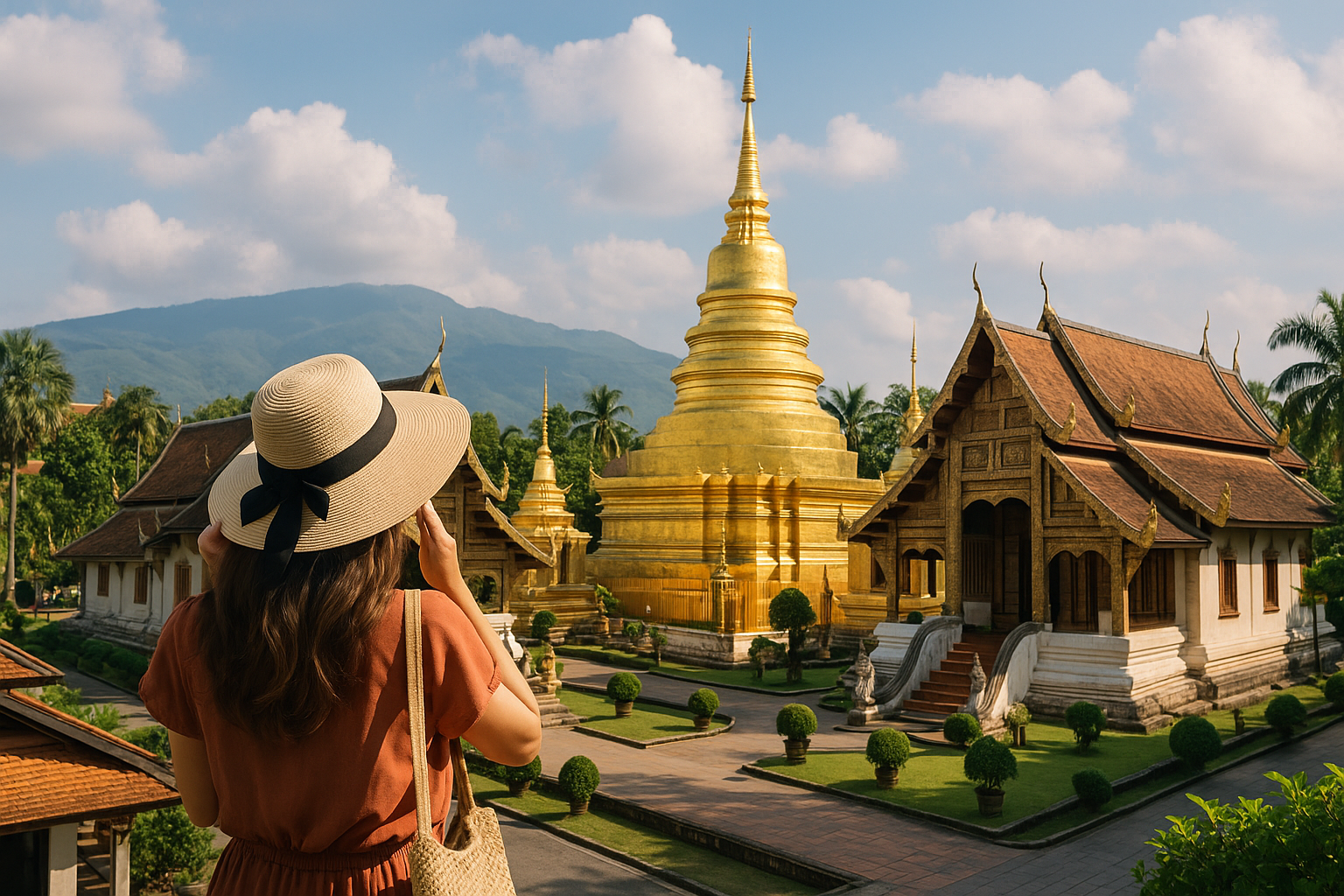
The Old City at the heart of Chiang Mai is surrounded by a moat and the crumbling remains of ancient walls — the remnants of its days as the capital of the Lanna Kingdom in the 13th century. That history isn’t just decorative. It shapes the culture, the architecture, the food, and the way people move through the city. Lanna traditions are distinct from central Thai culture, and you’ll notice that difference in the temples, the local dialect, the cuisine, and the festivals if you pay attention.
Chiang Mai was also the favorite city of King Bhumibol Adulyadej, who ruled Thailand for decades until his passing in 2016. That connection runs deep in the local consciousness. You’ll see portraits of the late king throughout the city, and the reverence locals hold for the monarchy is something to approach with genuine respect.
Why So Many Travelers Keep Coming Back
There’s something about Chiang Mai that defies easy explanation. It has the energy of a city without the chaos of Bangkok. It has world-class food without the price tags of a tourist hotspot. It has temples on nearly every corner, yet it never feels like a museum. The pace is slower here. The air (outside of certain seasons — more on that shortly) is cooler. And the community of people who end up staying longer than planned is genuinely one of the most interesting you’ll find anywhere in Southeast Asia.
Some travelers spend every winter here for months at a stretch. Digital nomads set up routines. Backpackers arrive for a week and stay for a month. That’s not a coincidence — it’s a sign that Chiang Mai rewards time and curiosity.
Navigating the Neighborhoods
The Old City: Where History Lives
The Old City is the natural starting point for any first-time visitor — and it remains worth your time on every return trip. Enclosed within its moat and ancient walls, it’s home to a dense concentration of temples, guesthouses, coffee shops, and street food stalls. The famous Sunday Night Market stretches through these streets, drawing both locals and visitors into a slow, wandering kind of evening that’s hard to replicate anywhere else.
Staying inside the Old City puts you close to everything, but it also means you’re in the thick of tourist traffic. That’s fine for a few nights, especially when you’re getting your bearings. The streets are walkable, tuk-tuks are easy to find, and the temples are genuinely beautiful — particularly in the early morning before the tour groups arrive. Wake up early, walk to a nearby wat, and you might find yourself alone with monks in saffron robes going about their morning rituals. That’s the kind of moment that stays with you.
Tha Phae Gate and the Ping River Area
Just to the east of the Old City, the Tha Phae Gate area along the Ping River functions as the commercial heart of Chiang Mai. This is where you’ll find markets, riverside restaurants, and a more local rhythm of daily life. The Ping River itself is worth exploring — the neighborhoods along its banks are quieter than the Old City, with a mix of traditional wooden houses, boutique hotels, and small cafés that don’t make it onto most tourist maps.
This area is a good choice if you want to feel slightly more embedded in the city’s everyday life while still being close enough to the Old City to explore it easily. The markets here, particularly the ones that run on weekday evenings, tend to attract more locals than the famous Sunday market, which means the atmosphere is different — less performative, more genuine.
Nimman and Beyond
The Nimman area (short for Nimmanhaemin Road) sits to the northwest of the Old City and has evolved into Chiang Mai’s creative and café district. It’s where you’ll find independent coffee roasters, design studios, co-working spaces, and a younger crowd of both locals and expats. If you’re a digital nomad or just someone who likes to work from a good café in the morning before exploring in the afternoon, this neighborhood has a lot going for it.
It’s also where you’ll find some of the city’s most interesting dining options — places that blend northern Thai flavors with contemporary cooking styles. The food here isn’t dumbed down for tourists. It’s genuinely good, and it reflects the creative energy that Chiang Mai has been cultivating for years.
The Burning Season: What You Actually Need to Know
Here’s the part of any honest Chiang Mai travel guide that most glossy travel content skips over: the burning season. Every year, typically in the months running from late winter into spring, agricultural burning in the surrounding region creates significant air quality issues across northern Thailand. Chiang Mai can experience some of the worst air pollution in the world during this period.
This isn’t a minor inconvenience. The haze can be thick enough to obscure the mountains, and the air quality index can reach levels that are genuinely harmful, particularly for people with respiratory conditions, children, or anyone who plans to spend time outdoors. Travelers who arrive during this period without knowing what to expect are often caught off guard.
The timing of the burning season can shift from year to year depending on weather patterns, agricultural cycles, and regional policy enforcement. As a general rule, the period from roughly late February through April tends to carry the highest risk, though this varies. Before you book flights, it’s worth checking current air quality forecasts and recent traveler reports for the specific window you’re considering. Resources like Lonely Planet’s Chiang Mai guide offer useful context on seasonal considerations.
If you do find yourself in Chiang Mai during a period of poor air quality, a well-fitting N95 or equivalent respirator mask makes a real difference. Spending more time in air-conditioned spaces, limiting outdoor exercise, and staying hydrated are all practical steps. But the most straightforward advice is this: if you have flexibility in your travel dates, aim for outside this window.
When to Visit Chiang Mai
The Cool Season: November to February
This is widely considered the most comfortable time to visit. Temperatures are cooler, the air is clearer, and the landscape around the city is at its greenest. The famous Yi Peng Lantern Festival, which typically falls in November, draws visitors from around the world — thousands of lanterns released into the night sky is one of those experiences that photographs can’t fully capture. If you’re able to time your visit around it, it’s worth the effort.
The cool season is also peak tourist season, which means accommodation prices rise and popular spots get busy. Book ahead, especially if you’re visiting around major festivals.
The Hot Season: March to May
This overlaps significantly with the burning season, making it the most challenging time to visit. Temperatures climb, the air quality deteriorates, and the city loses some of its charm when you’re squinting through haze. Unless you have a specific reason to visit during this window, it’s generally better to plan around it.
The Rainy Season: June to October
The rainy season gets underrepresented in travel content, and that’s a shame. Yes, it rains — sometimes heavily and often in the late afternoon. But the city is lush and green, the crowds thin out noticeably, and prices drop across the board. Many experienced Chiang Mai visitors actually prefer this time of year. The rain tends to come in bursts rather than all-day downpours, which means mornings are often clear and beautiful. Carry a light rain jacket, embrace the rhythm, and you’ll find a quieter, more local version of the city.
Local Experiences Worth Seeking Out
Temples Without the Rush
Chiang Mai has hundreds of temples — estimates vary, but the number is genuinely staggering for a city this size. The most famous ones, like Doi Suthep on the mountain above the city, are absolutely worth visiting. But the experience changes dramatically depending on when you go. Arrive at Doi Suthep at 7am on a weekday and you’ll share the space with monks and a handful of other early risers. Arrive at 11am on a weekend and you’re navigating a crowd.
Some of the most memorable temple experiences in Chiang Mai happen in places that don’t appear on the first page of search results. Wander the Old City on foot and duck into wats that catch your eye. Many of them are quietly beautiful, free to enter, and almost entirely empty. That’s where you find the real atmosphere.
The Food Scene: Go Where the Locals Go
Northern Thai cuisine is genuinely distinct from what you’ll find in Bangkok or on the islands. Khao soi — a coconut curry noodle soup — is the dish most associated with Chiang Mai, and for good reason. But the local food scene goes far deeper than that one dish. Look for restaurants and street food stalls that have menus in Thai only, or where the plastic stools are full of locals. That’s usually a reliable indicator that the food is the point, not the ambiance.
The markets are also worth treating as food destinations rather than shopping experiences. The Saturday and Sunday Night Markets are famous, but the smaller neighborhood markets that run on weekday evenings offer food that’s often just as good with far less competition for a spot at the table.
Day Trips Into the Surrounding Region
Chiang Mai’s location in northern Thailand makes it an ideal base for exploring the surrounding mountains, villages, and national parks. Doi Inthanon, Thailand’s highest peak, is within day-trip distance and offers a dramatically different landscape from the city. The drive alone — through terraced fields and forested hills — is worth it.
The region also has a network of smaller towns and villages that reward slower exploration. Pai, to the northwest, has its own distinct character. Chiang Rai, to the north, is home to the extraordinary White Temple. These are well-known destinations, but they’re well-known for good reasons, and approaching them with curiosity rather than just a checklist makes all the difference.
Practical Things That Actually Matter
- Getting around: Renting a scooter gives you the most freedom, but be honest with yourself about your comfort level in traffic. Songthaews (red shared trucks) are the local transport of choice and are cheap, reliable, and a genuinely fun way to move around the city. Ride-hailing apps also work well in Chiang Mai.
- Dress respectfully at temples: Shoulders and knees should be covered when entering religious sites. Many temples have sarongs available to borrow, but carrying a light scarf or wrap is easier and shows you came prepared.
- Cash is still king: While digital payments are increasingly common, many street food vendors, small guesthouses, and local markets operate on cash. Keep some Thai baht on hand.
- Learn a few words in Thai: Even basic greetings go a long way. Locals appreciate the effort, and it opens doors — sometimes literally.
- Slow down: The biggest mistake first-time visitors make is trying to see everything in two or three days. Chiang Mai rewards a slower pace. Give yourself at least a week if you can.
For a deeper dive into logistics and seasonal planning, Indie Traveller’s Chiang Mai guide is one of the more thorough resources available for independent travelers.
The Chiang Mai That Keeps Calling You Back
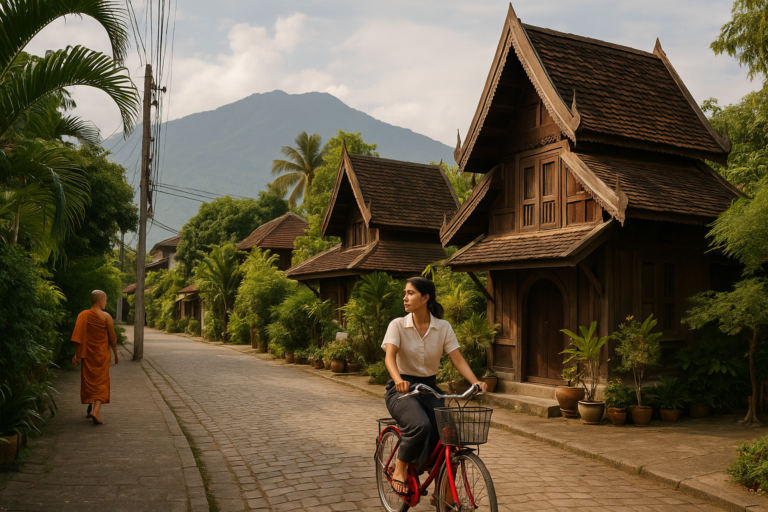
The best Chiang Mai travel guide isn’t a list of attractions — it’s an invitation to pay attention. To notice the smell of incense drifting out of a temple courtyard at dawn. To sit with a bowl of khao soi that costs almost nothing and tastes like it took all day to make. To find a coffee shop tucked inside a century-old teak house and spend an afternoon there, watching the city move at its own unhurried pace.
Chiang Mai is a city that reveals itself gradually. The first visit gives you the highlights. The second starts to show you the texture. By the time you’ve been back several times, you start to understand why so many people — travelers, expats, artists, wanderers — end up calling it a second home. It’s not about ticking off temples or finding the most photogenic market. It’s about the feeling of a place that has genuine depth, genuine warmth, and a way of making you feel like you belong there, even if you just arrived. That’s what keeps people coming back. And it’s probably what will keep you coming back too.
This article was produced with AI assistance and reviewed editorially.


Southeast Asia on a Shoestring: Budget Routes Across Thailand, Vietnam & Cambodia

Southeast Asia Decoded: Hanoi 3-Day Itinerary + Vietnam Misconceptions Debunked


