
North America
Where to Stay in US National Parks & Mountain Towns: 2026 Guide
Find the best accommodation options across America’s national parks and mountain towns. Compare lodges, cabins, campgrounds, and gateway towns for your next adventure.

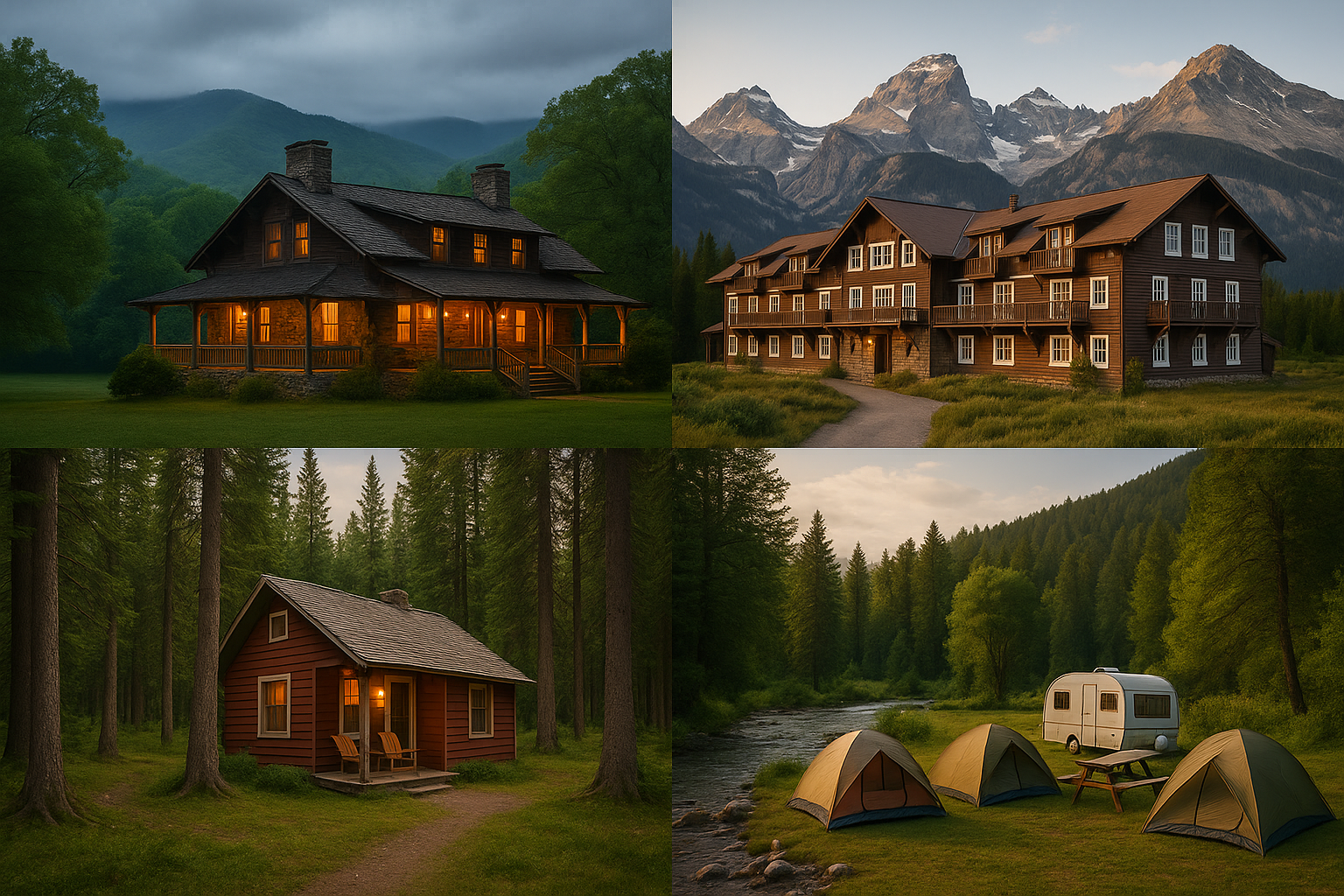
Where to Stay in National Parks and Mountain Towns Across the USA
Planning a trip to America’s wild places is one of the most exciting things you can do with a free week and an adventurous mindset. But figuring out where to stay in national parks — and in the mountain towns surrounding them — can feel genuinely overwhelming. Do you camp? Book a lodge inside the park? Stay in a gateway town and drive in each morning? The answer depends on your travel style, your budget, and how deep into the wilderness you actually want to go. This guide breaks it all down, destination by destination, so you can spend less time scrolling and more time actually planning the trip.
Why Your Accommodation Choice Shapes the Whole Experience
Here’s something most travel guides don’t tell you: where you sleep during a national park trip changes the entire vibe of the adventure. Staying inside the park means waking up surrounded by nature, catching the golden hour light before the day-trippers arrive, and feeling genuinely immersed in the landscape. Staying in a nearby mountain town means more food options, more social energy, and often a much lower price tag — plus the chance to explore a local community that has its own character.
Neither option is wrong. But knowing the difference before you book saves you from disappointment. A lodge deep in the Smokies hits differently than a motel off the highway in a tourist town. And a cozy cabin rental near a trailhead is a completely different experience from a hostel dorm in a lively mountain hub. Think about what kind of memories you want to make, then work backwards from there.
Great Smoky Mountains: Tennessee, North Carolina, and the Towns Between
Great Smoky Mountains National Park, straddling the border of Tennessee and North Carolina, is one of the most visited parks in the entire country — and for good reason. The landscapes are dramatic, the hiking is accessible for a wide range of fitness levels, and the surrounding region has a personality all its own.
Staying Inside the Park
The park has several campgrounds spread across both states, ranging from developed sites with facilities to more primitive backcountry spots for experienced hikers. If you want to wake up with mist rolling through the trees and birdsong as your alarm clock, camping inside the park is the move. Book well in advance — this is one of the busiest parks in the country, and spots fill up fast, especially from late spring through summer.
LeConte Lodge is the only true lodge inside the park, and it’s accessible only by trail. It’s rustic, remote, and genuinely unforgettable. Reservations open months in advance and go quickly, so if this is on your radar, plan early.
Gateway Towns Worth Knowing
Gatlinburg sits right at the park entrance on the Tennessee side and offers everything from budget motels to cabin rentals perched above the treeline. It’s lively, walkable, and full of places to eat and recover after a long day on the trails. If you prefer something quieter, Cherokee on the North Carolina side has a more grounded, community-rooted atmosphere and is an excellent base for exploring the southern entrances to the park.
Boone, North Carolina — further east but still within reach — brings an Appalachian State university energy that makes it one of the most welcoming mountain towns in the South. It’s vibrant, relatively affordable, and surrounded by stunning Blue Ridge scenery that’s worth exploring even if the Smokies are your main destination.
Rocky Mountain National Park: Colorado’s Crown Jewel
Rocky Mountain National Park in Colorado is the kind of place that makes you stop mid-hike and just stare. Alpine meadows, elk grazing at dawn, Trail Ridge Road cutting through the sky — it’s genuinely spectacular. And the surrounding area gives you real options for where to base yourself.
Inside the Park
The park has multiple campgrounds, and the timed entry permit system (which has been in place during peak periods) means planning ahead is essential. Summer — June through August — is peak season here, and accommodation of any kind should be booked at least six months in advance if you’re visiting during that window. That’s not an exaggeration. The demand is real.
Estes Park: The Classic Base Camp
Estes Park is the main gateway town, sitting right at the eastern entrance. It’s charming without being overdone, with independent restaurants, local shops, and views that make even a quick walk feel worthwhile. Cabin rentals are popular here, and they range from simple and affordable to genuinely luxurious — so you can find something that fits your budget without much trouble.
Grand Lake on the western side of the park is quieter, smaller, and often overlooked. If you want fewer crowds and a more local feel, it’s a strong alternative. Fall is a particularly good time to visit this side — September and October bring aspen color that’s hard to describe and even harder to forget.
Bend, Oregon: Adventure Town with Real Character
Bend isn’t a national park, but it’s one of those mountain towns that belongs on every outdoor traveler’s radar. It sits in central Oregon with the Cascade Range on one side and high desert on the other, and it has built a reputation as a hub for hiking, mountain biking, skiing, and river adventures.
Accommodation in Bend runs the full spectrum. There are hostels and budget-friendly guesthouses for travelers keeping costs low, mid-range hotels in the downtown area, and vacation rentals in quieter neighborhoods for those who want a kitchen and a bit more space. The downtown core is walkable and genuinely lively — local breweries, independent coffee shops, and a food scene that punches above its weight for a city of its size.
If you’re using Bend as a base for exploring Crater Lake or the surrounding Cascade wilderness, staying centrally makes logistical sense. But if your main goal is trail access, look for rentals closer to the Deschutes National Forest trailheads on the western edge of town.
Pacific Northwest Mountain Towns: Leavenworth and Sandpoint
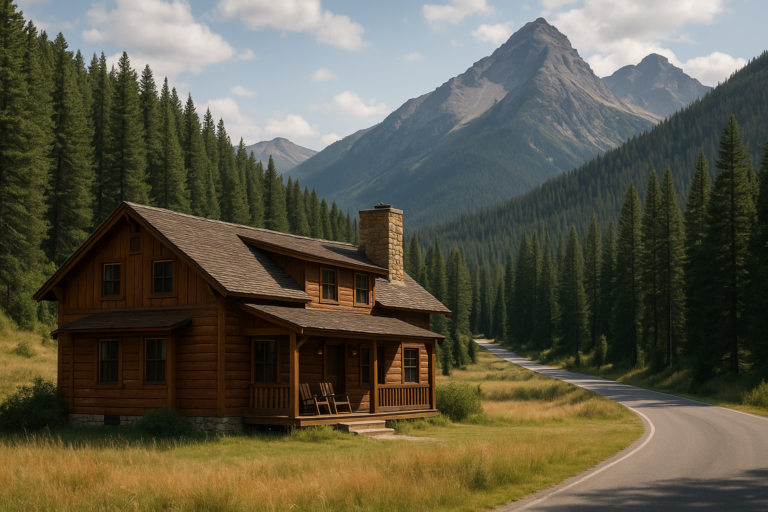
The Pacific Northwest has no shortage of places that feel like they were designed specifically for people who love mountains and don’t mind getting a little lost. Two towns worth knowing are Leavenworth, Washington and Sandpoint, Idaho.
Leavenworth, Washington
Leavenworth is a Bavarian-style Cascade town that sounds like a gimmick until you actually arrive and realize it works completely. The setting is stunning — surrounded by peaks and pine forests — and the town has become a genuine destination for hikers, skiers, and people who appreciate a place with a strong sense of identity. Accommodation ranges from small inns to vacation rentals scattered through the surrounding valley. It’s also increasingly popular with remote workers, which means the infrastructure (coffee shops, reliable Wi-Fi, good food) is better than you might expect for a town of its size.
Sandpoint, Idaho
Sandpoint sits on the northern tip of Lake Pend Oreille and offers a combination of lake life and mountain access that’s genuinely rare. In summer, the lake draws swimmers, kayakers, and paddleboarders. In winter, Schweitzer Mountain Resort brings skiers and snowboarders. It’s the kind of place where the locals actually live the outdoor lifestyle they talk about, and that energy is contagious. Budget options are available, though Sandpoint has become more popular in recent years, so booking ahead during peak seasons is wise.
Affordable Mountain Towns: Where to Stay Without Overspending
One of the biggest myths about national park and mountain town travel is that it has to be expensive. It doesn’t. Knowing where to look makes a significant difference.
Eureka Springs, Arkansas is consistently cited as one of the most affordable mountain towns in the country. With a median home price well below most comparable destinations and a quirky, arts-forward community vibe, it’s a genuine hidden gem for travelers who want natural beauty without the price tag that often comes with more famous destinations. The surrounding Ozark landscape offers solid hiking, and the town itself has a character that rewards slow exploration.
For national parks specifically, camping is almost always the most budget-friendly option — and often the most memorable. Arriving with a tent and a sleeping bag and waking up inside the park beats any hotel stay for pure immersion. Many parks also have first-come, first-served sites that don’t require advance booking, though these require early arrivals and some flexibility.
Timing Your Trip: When to Go and Why It Matters
The when matters almost as much as the where when it comes to national park travel. Each season offers something different, and understanding the rhythm of the year helps you choose the right destination at the right time.
- Spring (April–May): Ideal for avoiding summer crowds. Wildflowers bloom across California deserts and Texas Hill Country, and the parks are quieter and more accessible. Shoulder season prices on accommodation are generally lower.
- Summer (June–August): Peak season across Alaska, the Pacific Northwest, and the Northern Rockies. Everything is open, the days are long, and the energy is high — but so is demand. Book accommodation at least six months ahead for popular destinations during this window.
- Fall (September–November): Arguably the most beautiful time to visit Colorado and Utah, when aspen trees turn gold. New England foliage peaks during this period too, making it a strong season for anyone exploring the northeastern corner of the country.
- Winter: Quieter, colder, and often deeply atmospheric. Some facilities close, but the solitude and the light can be extraordinary for those prepared for the conditions.
Types of Accommodation to Consider
Understanding your options before you start searching makes the whole process faster and less stressful. Here’s a practical breakdown of what you’ll typically find in and around national parks and mountain towns.
- Campgrounds inside the park: The most immersive option. Ranges from developed sites with toilets and running water to primitive backcountry spots requiring a permit. Reservation systems vary by park — check the official Recreation.gov platform for availability and booking.
- Park lodges: Often historic, always atmospheric. These book out months in advance for peak season. Worth the effort if you can get a reservation.
- Cabin rentals in gateway towns: A sweet spot for many travelers — close to the park, more comfortable than camping, and often priced reasonably outside peak weeks.
- Hostels and budget guesthouses: More common in larger gateway towns and mountain hubs like Bend. Great for meeting other travelers and keeping costs low.
- Vacation rentals: Good for groups or anyone who wants a kitchen and more space. Can be cost-effective when split between several people.
- Hotels and motels: Available in most gateway towns. Quality varies widely, so reading recent reviews is worth the time.
Practical Tips Before You Book
A few things that experienced national park travelers know — and first-timers often learn the hard way.
- Check whether the park uses a timed entry permit system before you arrive. Several of the most popular parks have introduced these in recent years to manage visitor numbers, and showing up without one can mean turning around at the entrance.
- If you’re visiting multiple parks on one trip, look into the America the Beautiful annual pass. It covers entrance fees at national parks and federal recreational lands and pays for itself quickly if you’re hitting more than a couple of destinations.
- Cell service inside national parks is often limited or nonexistent. Download offline maps before you go, and let someone know your plans if you’re heading into backcountry areas.
- Gateway towns fill up fast during holidays and long weekends. If your dates are flexible, mid-week stays are almost always cheaper and quieter.
- For up-to-date information on specific parks — trail conditions, permit requirements, campground availability — the National Park Service website is the most reliable source you’ll find.
Choosing the Right Base for Your Travel Style
There’s no single right answer to where to stay in national parks — it genuinely depends on what kind of traveler you are. If you want total immersion and don’t mind roughing it a little, camping inside the park is the experience you’re looking for. If you want a comfortable bed, good food, and a local community to explore after the hike, a gateway town is your best bet. And if you’re traveling with a group and want flexibility, a cabin rental or vacation property near the park entrance often hits the right balance of comfort and access.
The mountain towns covered in this guide — from Estes Park to Bend to Leavenworth to Eureka Springs — each have their own personality, and part of the adventure is figuring out which one fits yours. Some are lively and social; others are quiet and contemplative. Some are built for summer; others shine in winter or fall. The common thread is that they all sit at the edge of something wild and worth exploring.
America’s national parks and mountain towns are some of the most extraordinary places on the planet. You don’t need a huge budget or a complicated itinerary to experience them — you just need a plan, a bit of flexibility, and the willingness to show up. The landscapes will take care of the rest.
This article was produced with AI assistance and reviewed editorially.


Vietnam Uncovered: Beyond the Chaos, Into the Real Story

Beyond the Guidebook: What Hanoi Actually Feels Like


