
Asia
Chiang Mai Beyond the Tourist Trail: 12-Visit Local’s Deep Dive (2026)
Discover Chiang Mai like a local with this in-depth guide covering burning season realities, authentic neighborhoods, and where residents actually eat and gather.

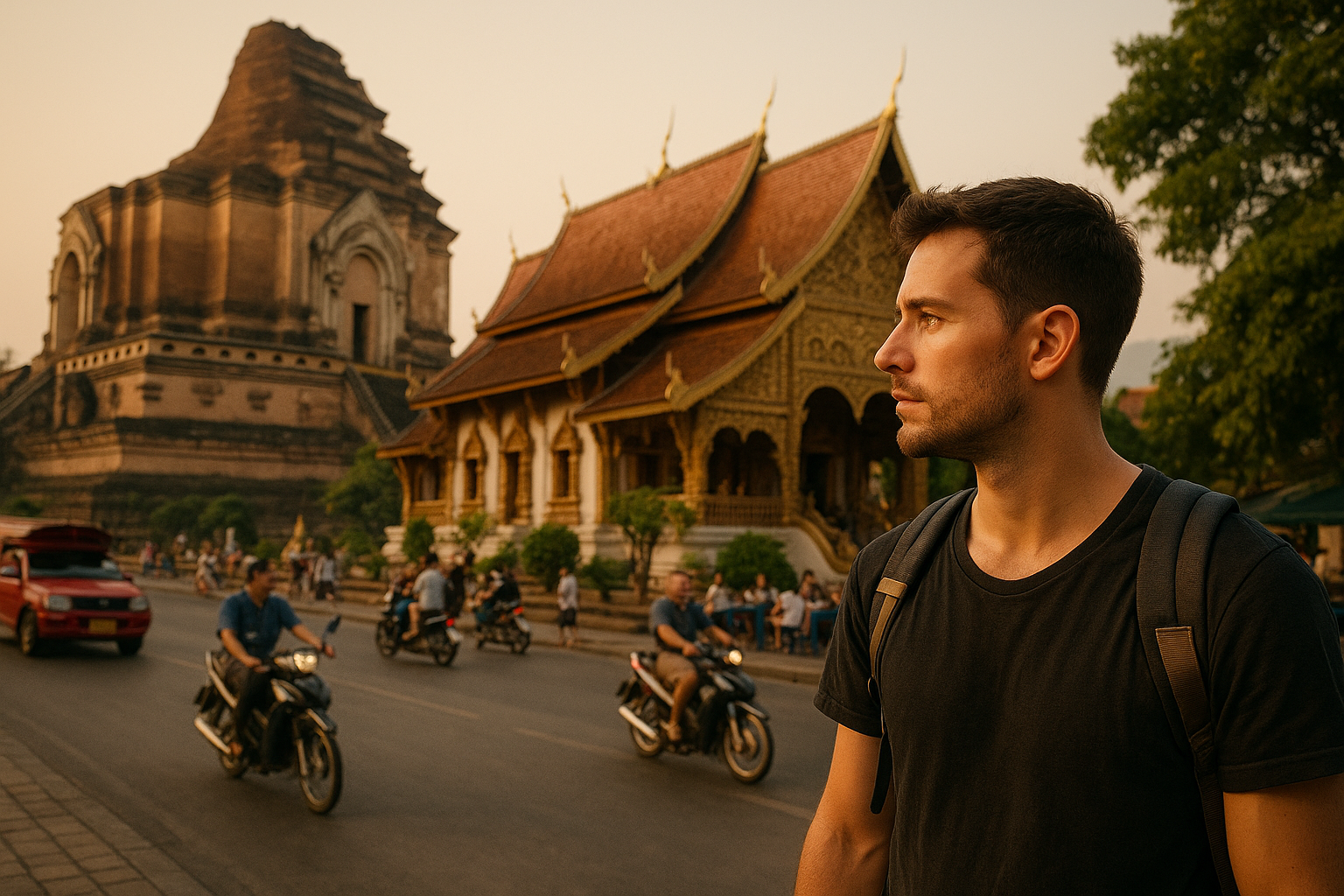
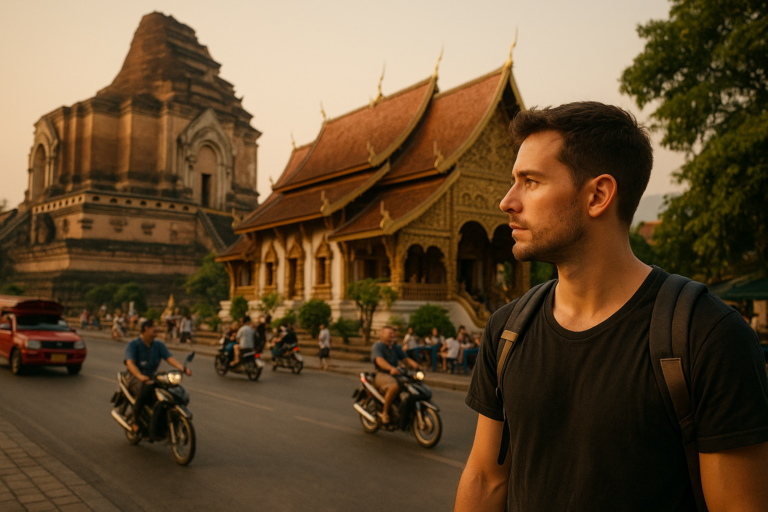
Why Chiang Mai Gets Under Your Skin
There’s a reason so many travelers arrive in Chiang Mai planning to stay a week and end up rearranging their entire trip around it. This city in northern Thailand has a quality that’s genuinely hard to explain until you’ve felt it yourself — a slower rhythm, a warmth in the streets, a sense that the place has something real to offer beyond the usual tourist circuit. If you’re looking for a Chiang Mai local guide that goes deeper than temple lists and tuk-tuk tips, you’re in the right place. This is the version of Chiang Mai that takes multiple visits to understand, and it’s worth every single one of them.
Chiang Mai is considered the spiritual capital of Thailand, and that title carries genuine weight. The city is shaped by centuries of Lanna history — a distinct northern Thai culture with its own architecture, cuisine, language dialects, and artistic traditions that set it apart from Bangkok in every meaningful way. Walking through the Old City isn’t just sightseeing. It’s stepping into a living, breathing legacy that locals are still proud of and actively preserving.
King Bhumibol Adulyadej, who ruled Thailand until his passing in 2016, held a deep personal connection to Chiang Mai. The city was his favorite, and that affection is still visible in the reverence locals carry for him. You’ll see portraits in shopfronts, guesthouses, and temples throughout the city. Understanding that connection helps you understand why Chiang Mai feels different — it’s a city that has always been cherished.
The Burning Season: What You Actually Need to Know
No honest Chiang Mai local guide skips this topic, and you deserve the full picture before you book flights. The burning season is a real phenomenon in northern Thailand, typically occurring in the months leading into the hot season — roughly from late winter through spring. During this period, agricultural burning in surrounding regions and across the border sends smoke into the valley where Chiang Mai sits, and air quality can deteriorate significantly.
This doesn’t mean you should avoid Chiang Mai during those months entirely — but it does mean you should go in with your eyes open. Some days are fine. Others are genuinely uncomfortable, especially if you have respiratory sensitivities. Here’s what experienced travelers tend to do:
- Check real-time air quality data before and during your trip using a reliable AQI monitoring site or app.
- Pack a quality mask rated for fine particulate matter — not just a cloth face covering.
- Plan outdoor activities and day trips for early morning when air tends to be clearer.
- Have indoor backup plans: cooking classes, Thai massage courses, museum visits, and café-hopping all work beautifully when the air outside isn’t cooperating.
- Consider building flexibility into your itinerary so you can extend your stay if conditions improve, or shift plans if they worsen.
The best windows for clear skies and comfortable temperatures are generally the cooler months from late autumn through early winter, and then again after the rains clear in the autumn. The rainy season itself is underrated — the city is lush, the crowds thin out, and the air stays clean. If you can handle occasional afternoon showers, it’s one of the more pleasant times to visit.
Getting Past the Old City: Neighborhoods Worth Exploring
The Old City — the square moat district at Chiang Mai’s historic center — is where most first-time visitors spend the bulk of their time. And honestly, it deserves that attention. The temples here are genuinely extraordinary, and the energy of the Sunday and Saturday Night Markets is something you should experience at least once. But if you stop there, you’re only seeing a fraction of what the city offers.
Nimman Road and the Creative Quarter
Nimman Road, short for Nimmanhaemin, is where Chiang Mai’s younger, more design-conscious crowd gravitates. You’ll find independent coffee shops that take their craft seriously, boutique clothing stores featuring local designers, and a gallery or two tucked between the restaurants. It can feel a little polished compared to other parts of the city, but spend enough time here and you’ll find the genuine creative community underneath the surface. The side streets off the main road are where things get more interesting — smaller cafés, local lunch spots, and art spaces that don’t advertise loudly.
The Riverside Area
The Ping River runs through Chiang Mai, and the neighborhoods along its banks have a quieter, more reflective character. The Riverside area is home to some of the city’s older wooden architecture, a handful of excellent independent restaurants, and a pace of life that feels genuinely unhurried. Evening walks along the river are one of those simple pleasures that stick with you long after you’ve left.
Santitham and Local Life
If you want to see how residents actually live — not the expat-facing version, but the everyday Chiang Mai — spend time in neighborhoods like Santitham, north of the Old City. The markets here are for locals. The food stalls serve food priced for locals. The rhythm is quieter and the experience is more honest. This is the kind of area that doesn’t make it into many travel articles, which is exactly why it’s worth going.
Where Locals Actually Eat
Chiang Mai’s food scene is one of the best reasons to visit northern Thailand, and it’s built around a cuisine that’s distinct from the dishes you’ll find in Bangkok or on the southern islands. Northern Thai food — known broadly as Lanna cuisine — is earthier, often less sweet, and features ingredients and preparations you won’t encounter elsewhere in the country.
The dishes worth seeking out include khao soi, a rich coconut curry noodle soup that’s become something of a city icon; sai oua, a fragrant northern Thai sausage packed with lemongrass and galangal; and nam prik noom, a roasted green chili dip served with vegetables and sticky rice. These aren’t hard to find, but the quality varies enormously depending on where you eat.
As a general rule: follow the plastic stools. The best food in Chiang Mai tends to come from small, family-run spots with minimal décor and maximum flavour. Morning markets are an excellent starting point — arrive early, point at what looks good, and eat standing up if you have to. It’s one of the most authentic food experiences the city offers.
For a more structured approach, consider joining a local cooking class that takes you to a market first. This isn’t just a tourist activity — it’s genuinely educational, and it changes how you eat for the rest of your trip. You start to understand what you’re tasting, which makes every subsequent meal more interesting.
Temples Without the Rush: Experiencing Chiang Mai’s Spiritual Side
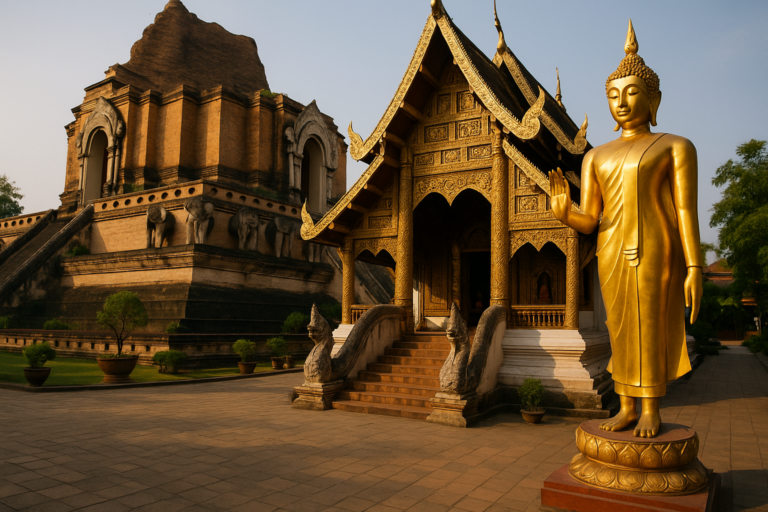
Chiang Mai has more than 300 temples, and that number can feel overwhelming. The instinct is to tick off the famous ones — Doi Suthep on the mountain, Wat Chedi Luang in the Old City, Wat Phra Singh — and move on. And yes, those are worth visiting. But the way to really experience Chiang Mai’s spiritual character is to slow down and visit a few temples properly rather than photographing thirty of them quickly.
Go early in the morning when monks are active and the light is soft. Remove your shoes and sit quietly for a few minutes inside the main hall. Watch how locals interact with the space — the offerings, the prayers, the quiet respect. You don’t need to participate in any specific way; simply being present and attentive is enough to shift the experience from sightseeing to something more meaningful.
Doi Suthep deserves its reputation. The temple sits above the city on a mountain, and on a clear day the views over Chiang Mai are genuinely moving. Go on a weekday morning if you can, before the tour buses arrive. The climb up the naga staircase — a long flight of steps flanked by serpent sculptures — is part of the experience. Take your time with it.
Day Trips That Go Beyond the Obvious
The area around Chiang Mai is rich with things to explore, and a good Chiang Mai local guide will push you to get out of the city at least once or twice. The obvious options — elephant sanctuaries, zip-lining, white-water rafting — are popular for good reason, but there’s more nuance available if you look for it.
Doi Inthanon National Park
Thailand’s highest peak sits within comfortable day-trip distance of the city. The national park surrounding it contains waterfalls, hill tribe villages, and a landscape that feels completely different from the urban Chiang Mai experience. The twin chedis near the summit, built to honor the Thai royal family, are architecturally striking and set against a backdrop of cloud forest. If you’re visiting during the cooler months, bring a layer — the summit gets genuinely cold by Thai standards.
Elephant Sanctuaries: Choosing Wisely
Chiang Mai’s elephant tourism industry has evolved significantly, and there are now a number of sanctuaries operating on ethical principles — no riding, no performances, and genuine rehabilitation focus. Do your research before booking. Look for places that allow elephants to roam freely, that are transparent about their practices, and that prioritize the animals’ wellbeing over visitor entertainment. Indie Traveller’s Chiang Mai guide touches on this distinction and is worth reading alongside your planning.
Chiang Rai and the Golden Triangle
If you have an extra day or two, Chiang Rai to the north is reachable by bus or minivan and offers a completely different character — smaller, quieter, and home to some genuinely striking contemporary temples alongside traditional ones. The Golden Triangle, where Thailand, Laos, and Myanmar meet at the Mekong River, is a historically layered destination that rewards curious travelers.
Practical Things That Make a Real Difference
Being an informed traveler in Chiang Mai isn’t complicated, but a few practical points make the experience significantly smoother — especially if this is your first visit to northern Thailand.
- Getting around: Songthaews — red shared pickup trucks — are the backbone of local transport and far cheaper than tuk-tuks for most journeys. Learn to flag them down and negotiate fares confidently. Renting a scooter opens up the surrounding countryside, but only do this if you’re genuinely comfortable riding one.
- Dress codes: Temple visits require covered shoulders and knees. Keep a light scarf or sarong in your bag — it weighs nothing and solves the problem instantly.
- Timing your visit: The cooler, drier months between November and February are the most comfortable and most popular. If you want fewer crowds and don’t mind heat or occasional rain, consider the shoulder seasons on either side.
- Learning a few words: Even a handful of Thai phrases — a greeting, a thank you, a polite apology — will be received warmly. Locals appreciate the effort in a way that genuinely changes interactions.
- Staying longer: A week is a good minimum if you want to move beyond the highlights and into something resembling a real experience of the city. Three days is enough for the temples and a market; it’s not enough to find your own rhythm.
- Connectivity: Grab a local SIM card at the airport. Data is affordable and reliable, and having maps and translation tools on your phone makes independent exploration much easier.
For deeper planning resources, Global Gallivanting’s Chiang Mai itinerary offers solid structural advice that complements this kind of experiential guide well.
The Chiang Mai That Stays With You
What makes a truly useful Chiang Mai local guide isn’t the list of temples or the restaurant recommendations — it’s the understanding that this city rewards patience. The more time you give it, the more it gives back. The traveler who spends three days here leaves with a collection of photographs. The one who spends two weeks leaves with something harder to articulate — a sense of the place, relationships with people they’ve eaten next to every morning, a favourite coffee shop, a temple they visited alone at dawn.
Chiang Mai’s Lanna heritage isn’t a museum exhibit. It’s alive in the way food is prepared, in the festivals that fill the streets, in the architecture that survived centuries and still stands. The spiritual capital of Thailand isn’t a marketing tagline — it’s something you feel when you sit quietly inside Wat Chedi Luang as the afternoon light shifts, or when you watch monks walk in procession through the Old City at sunrise.
The city has changed over the years, and it will keep changing. New cafés open, neighbourhoods shift, the expat and digital nomad community ebbs and flows. But the core of what makes Chiang Mai worth returning to — that quality of place, that depth of culture, that genuine warmth — has proven more durable than trends. It’s the kind of city that doesn’t need to try hard to impress you. It just does.
So plan your trip, do your research, check the air quality before you book flights for burning season months, pack light, eat everything, and give yourself more time than you think you need. Chiang Mai has a way of making you glad you stayed longer — and making you start planning the next visit before you’ve even left.
This article was produced with AI assistance and reviewed editorially.


Vietnam Uncovered: Beyond the Chaos, Into the Real Story

Beyond the Guidebook: What Hanoi Actually Feels Like


