
Asia
Chiang Mai After 12 Visits: What a Repeat Traveler Knows That First-Timers Miss
Discover Chiang Mai beyond temples and night markets. Learn seasonal insights, neighborhood secrets, and local experiences that first-time travelers miss.

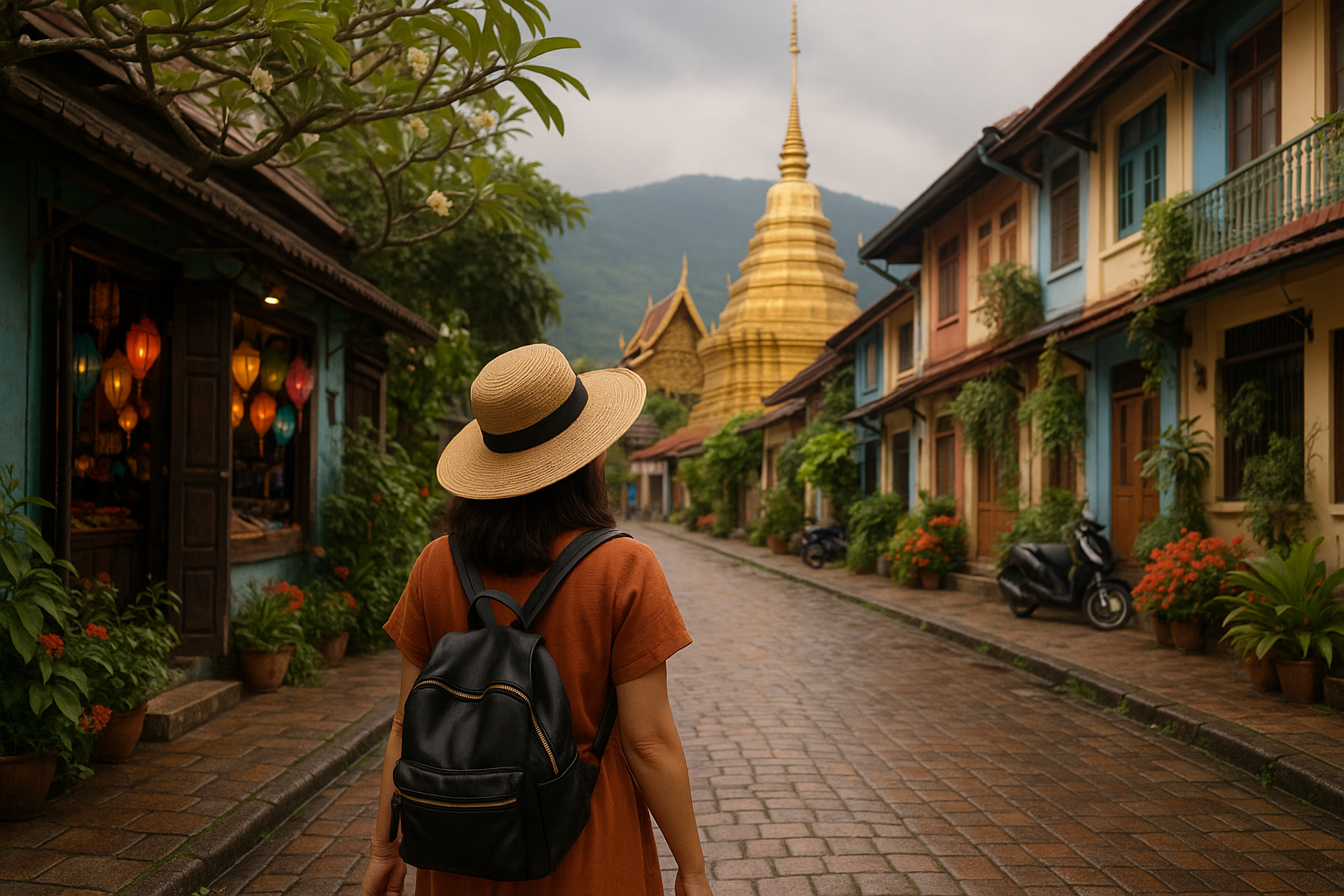
Why Chiang Mai Keeps Pulling Travelers Back
Every seasoned traveler has that one city — the one they return to not because they haven’t seen enough, but because it keeps revealing new layers. For a lot of young adventurers exploring Southeast Asia, that city is Chiang Mai. If you’re putting together a Chiang Mai travel guide for your first visit, you’ll find plenty of temple lists and night market tips online. But what most guides don’t tell you is how much you miss the first time around — and how much more the city offers once you start paying attention beyond the obvious.
Chiang Mai is Thailand’s second largest city and the unofficial capital of the north. It sits in a mountainous region that feels worlds away from the beach resorts of the south and the relentless pace of Bangkok. It has history, culture, food, community, and an energy that’s hard to define until you’ve spent a few evenings wandering its streets without a plan. This guide is for first-timers who want to travel smarter — and for anyone already plotting their return.
Understanding What Makes Chiang Mai Different
Before you even land, it helps to understand why Chiang Mai carries such deep cultural weight within Thailand. The city was the beloved home of King Bhumibol Adulyadej, who ruled Thailand until his passing in 2016. His connection to Chiang Mai is something locals speak about with genuine warmth, and it adds a layer of reverence to the city that you’ll feel even if you don’t immediately understand its source. Visiting temples, attending local festivals, or simply spending time with residents — you’ll sense that this place holds meaning far beyond its appeal as a tourist destination.
That cultural depth is part of why so many travelers return. Chiang Mai isn’t trying to perform for visitors. It has its own rhythm, its own traditions, and its own community life that continues whether or not tourists are paying attention. The more you slow down and observe, the more you start to see it.
The Old City: Starting Point, Not the Whole Story
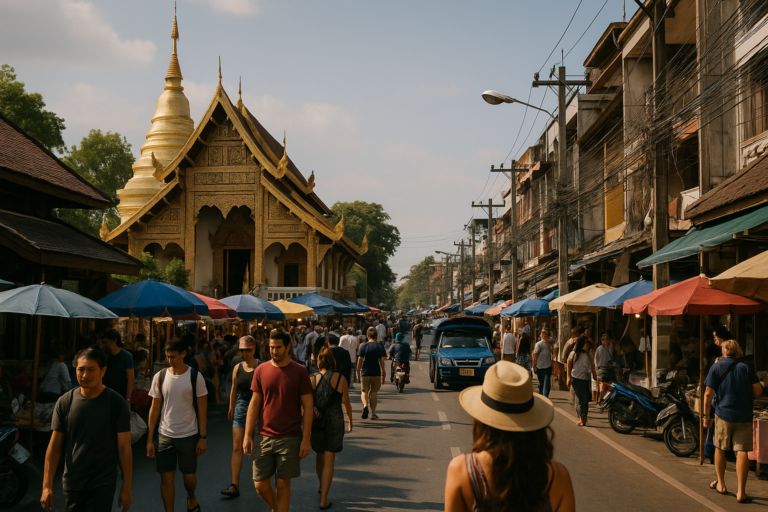
Almost every Chiang Mai travel guide begins with the Old City, and for good reason. Surrounded by a historic moat and remnants of ancient walls, it’s the geographical and cultural heart of the city. Inside you’ll find an extraordinary concentration of temples — over 30 within the walls alone — along with the famous Sunday Night Market that draws both locals and visitors every week.
Wat Chedi Luang is one of the most striking landmarks you’ll encounter here. The partially ruined chedi dates back centuries and still dominates the skyline of the Old City in a way that makes you stop mid-stride. Visit early in the morning before the heat builds and before the tour groups arrive. You’ll have a different experience entirely — quieter, more contemplative, more real.
But here’s what first-timers often don’t realize: the Old City is a starting point, not the destination itself. Spend a day or two exploring it, absolutely. Then start walking outward. The neighborhoods surrounding the moat are where the city’s daily life actually unfolds, and that’s where things get genuinely interesting.
Navigating the Neighborhoods Like Someone Who Lives There
Nimman: Creative Energy and Coffee Culture
Nimmanhaemin Road — usually just called Nimman — is the neighborhood that attracts young creatives, digital nomads, and design-conscious travelers. The streets here are lined with independent coffee shops, art galleries, boutique clothing stores, and restaurants that blend Thai flavors with international influences. If you work remotely or just want a reliable place to sit with a laptop and good coffee, this is your neighborhood.
It can feel a little polished compared to other parts of the city, but that’s not necessarily a bad thing. Nimman has its own authentic energy — it’s just a different kind. The Maya Mall area and the surrounding sois (side streets) reward exploration. Duck into the smaller lanes and you’ll find local spots that haven’t made it onto any algorithm-generated list yet.
Riverside: Slower Pace, More Character
The area along the Ping River has a different atmosphere altogether. It’s quieter, more laid-back, and home to some of the city’s most characterful guesthouses, art spaces, and independent restaurants. If you’re the kind of traveler who prefers a slower morning and a long afternoon with a book and a view, the riverside area will suit you well.
It also tends to attract a slightly older crowd of long-term travelers and expats, which means the conversations you’ll have here often go deeper than the usual hostel small talk. There’s a community feeling to this part of the city that’s worth seeking out.
East of the Old City: Local Life Without the Crowds
The area immediately east of the moat, stretching toward the Ping River, is one of the most underrated parts of Chiang Mai for young travelers. You’ll find local markets, neighborhood temples that see almost no tourist traffic, affordable food stalls, and the kind of ordinary street life that reminds you why you came to Southeast Asia in the first place.
This is where you eat breakfast at a plastic table on the pavement, pay almost nothing, and have the best meal of your trip. It’s where you stumble across a monk’s alms-giving ceremony at dawn that nobody told you about. It’s where Chiang Mai stops being a destination and starts feeling like somewhere you actually belong.
The Burning Season: What You Need to Know Before You Go
No honest Chiang Mai travel guide skips this topic, and you shouldn’t skip it when planning your trip either. Every year, roughly between late February and mid-April, northern Thailand experiences what’s commonly called the burning season. Agricultural burning in the surrounding region, combined with dry weather and the geography of the mountain valleys, causes air quality in Chiang Mai to deteriorate significantly during this period.
The haze can range from noticeable to genuinely concerning, and in the worst years it affects outdoor activities, visibility, and health — particularly for anyone with respiratory sensitivities. It’s not a reason to never visit Chiang Mai, but it is a reason to plan carefully.
- Check air quality before and during your visit. Resources like IQAir’s Chiang Mai page give you real-time AQI readings so you can make informed decisions about outdoor activities.
- Carry a quality mask. An N95 or equivalent mask is worth packing if you’re visiting during or near this window.
- Plan indoor activities for bad air days. Cooking classes, museum visits, café hopping, and temple interiors are all good alternatives when outdoor air quality dips.
- Consider timing your trip differently. November through February offers cooler, clearer weather and is widely regarded as the most comfortable time to visit. The rainy season (roughly June to October) brings lush green landscapes and far fewer crowds.
Being aware of the burning season doesn’t mean avoiding Chiang Mai during that period entirely — some travelers plan their visits around it deliberately, knowing the city is quieter and accommodation is cheaper. But go in informed, not surprised.
What to Actually Do: Beyond the Standard Checklist
Take a Cooking Class (But Choose Carefully)
Yes, everyone says take a cooking class in Chiang Mai. And yes, you should — because northern Thai cuisine is genuinely distinct from what you’ll eat elsewhere in the country, and learning to make it is one of the most enjoyable afternoons you can spend here. But not all classes are created equal. Look for ones that start with a market visit, that keep group sizes small, and that teach dishes you’ll actually want to recreate at home. The experience of wandering a local market with a chef who explains what they’re picking and why is worth more than any recipe card.
Get Into the Mountains
One of the biggest advantages Chiang Mai has over other Thai cities is its proximity to the mountains. Doi Inthanon, Thailand’s highest peak, is within day-trip distance. The drive up takes you through hill tribe villages, misty forest, and past waterfalls that look like they belong in a nature documentary. You don’t need to be a serious hiker to enjoy it — but if you are, there are trails that will genuinely challenge you.
Closer to the city, Doi Suthep temple sits above the urban sprawl and offers views across the valley that are particularly stunning in the early morning or just before sunset. The temple itself is one of the most important in northern Thailand — arrive with respect for that, and you’ll leave with something more than a photograph.
Spend Time at Local Markets
The Saturday and Sunday Night Markets on Wualai Road and in the Old City are famous, and they’re worth experiencing. But the markets that will stay with you are the smaller, less-photographed ones. Talat Warorot, near the river, is a genuine local market where residents shop for food, flowers, and everyday goods. It’s busy, sensory, and completely unpretentious. Go hungry and eat your way through it.
Slow Down in a Temple Courtyard
Chiang Mai has so many temples that it’s tempting to rush through them like items on a checklist. Resist that impulse. Pick two or three that genuinely interest you, arrive early, and spend real time there. Sit in a courtyard. Watch the monks go about their morning. Notice the details in the architecture. Some of the city’s smaller temples — the ones without crowds, without entrance fees, without souvenir stands — are the ones you’ll remember most clearly years later.
Practical Things First-Timers Always Wish They’d Known
- Rent a bicycle or scooter for exploring. The Old City is walkable, but getting between neighborhoods on foot in the heat is exhausting. A bicycle works well for shorter distances; a scooter opens up the whole city and the surrounding hills. If you rent a scooter, wear a helmet and drive cautiously — traffic patterns here take some adjustment.
- Download a translation app before you arrive. English is widely spoken in tourist areas, but venture into local neighborhoods and markets and you’ll be glad you have a way to communicate.
- Dress respectfully for temples. Cover your shoulders and knees. Most temples provide wraps if you forget, but it’s better to come prepared and avoid the awkwardness.
- Eat where locals eat. The best food in Chiang Mai is almost never in a restaurant with an English sign out front. Follow the crowds of locals, look for places where the tables are full at lunchtime, and order whatever looks like it’s being made fresh.
- Be thoughtful about elephant experiences. Elephant tourism is a significant part of northern Thailand’s tourist economy, but not all operators treat their animals well. Research sanctuaries carefully and look for those that prioritize the elephants’ welfare over performance. Lonely Planet’s Chiang Mai guide touches on this and is worth reading before you book anything.
- Give yourself more time than you think you need. Most first-timers underestimate Chiang Mai and leave wishing they’d stayed longer. A minimum of four or five days lets you breathe. A week starts to feel like you’re actually living there, which is exactly the point.
The Feeling You Can’t Plan For
There’s something about Chiang Mai that’s difficult to put into a travel guide, no matter how thorough it is. It’s the feeling of sitting at a street food stall after dark, surrounded by the sounds of a city that’s completely at ease with itself. It’s the moment a temple courtyard empties out and you’re left alone with centuries of history and the smell of incense. It’s the conversation you have with a guesthouse owner who’s lived here their whole life and tells you something about the city that no article ever could.
That feeling is why people come back. Not because they missed a temple or didn’t try the right noodle dish — but because Chiang Mai is one of those places that rewards presence. The more attention you bring, the more it gives you in return.
Your Chiang Mai Journey Starts Before You Arrive
The best version of your trip begins with good preparation — not over-planning, but genuine curiosity about what you’re walking into. Read about the history. Understand the cultural context. Check the seasonal conditions. Think about which neighborhoods match your travel style. And then, once you’re there, be willing to set the guide down and follow your instincts.
Whether this is your first visit or you’re already plotting your return, Chiang Mai has a way of meeting you exactly where you are. It’s a city that doesn’t demand anything from you — it just opens itself up and lets you discover it at your own pace. That’s rarer than you’d think. And it’s exactly why this city, more than almost anywhere else in Southeast Asia, keeps finding its way back onto people’s itineraries year after year.
This article was produced with AI assistance and reviewed editorially.


Vietnam Uncovered: Beyond the Chaos, Into the Real Story

Beyond the Guidebook: What Hanoi Actually Feels Like


