
Asia
Chiang Mai Beyond the Burning Season: What to Expect & Safety Tips (2026)
Navigate Chiang Mai during burning season (Feb–May) with honest air quality context, 7 safety tips, and guidance on when to visit for the best experience.

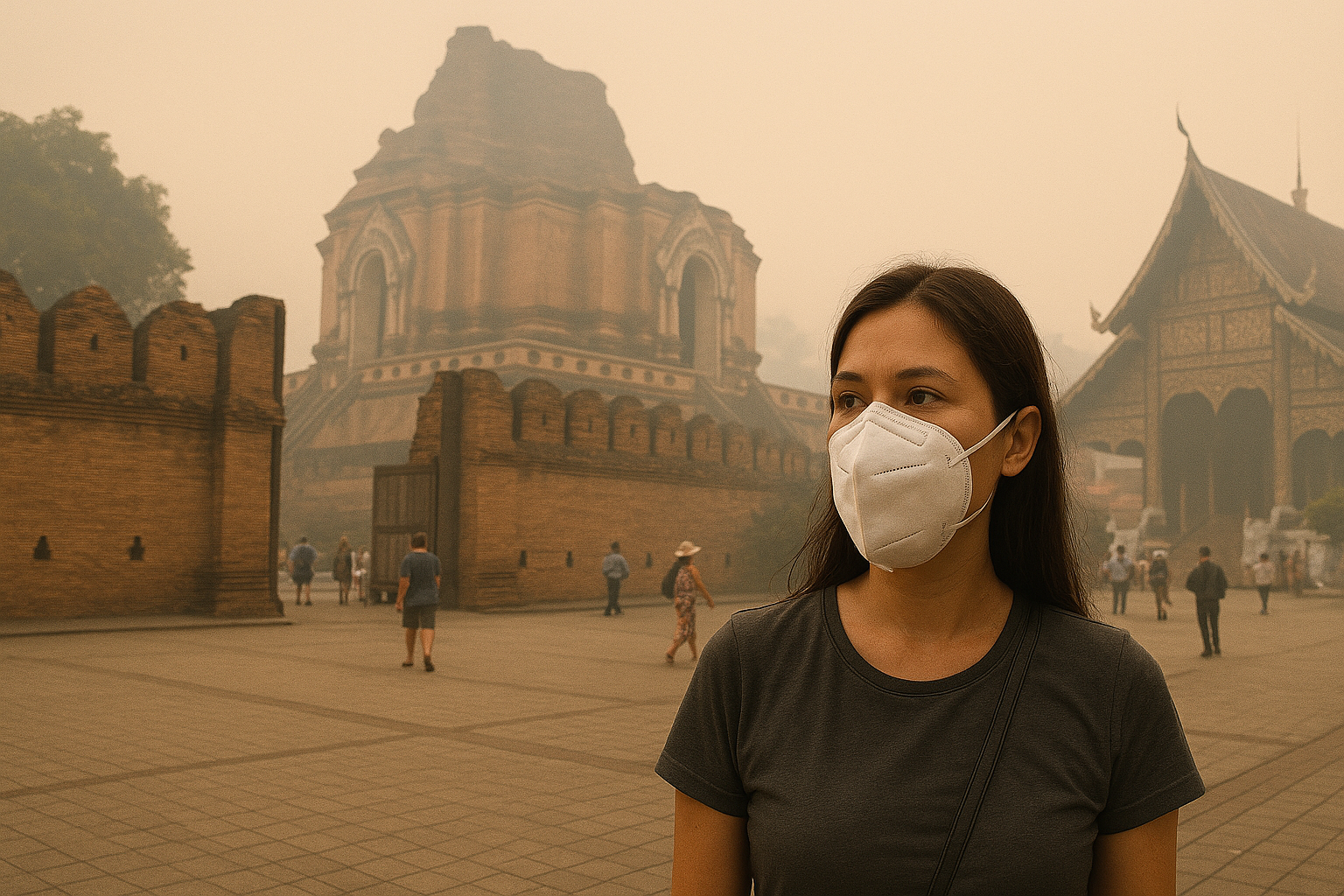
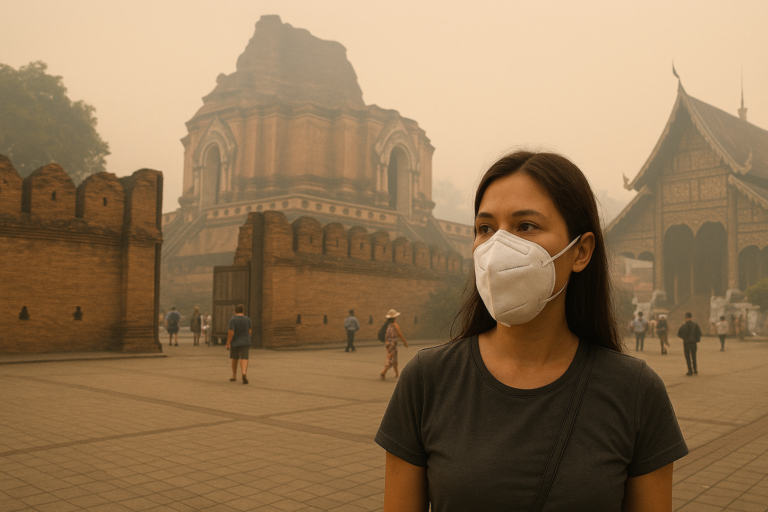
Chiang Mai During Burning Season: What Every Young Traveler Needs to Know
Chiang Mai is one of those cities that gets under your skin. Ancient temples rising out of misty mountains, street food that costs less than a coffee back home, a creative scene that somehow feels both deeply traditional and effortlessly cool. But if you’re planning a trip to northern Thailand between late February and May, there’s one thing you need to understand before you book: the Chiang Mai burning season. It’s real, it affects your experience, and it’s something every traveler deserves honest information about — not just a vague warning buried in a forum post.
This guide doesn’t try to scare you away from one of Southeast Asia’s most compelling cities. It gives you the full picture so you can decide when to go, how to prepare, and how to make the most of Chiang Mai no matter what time of year you visit.
What Is the Burning Season and Why Does It Happen?
Every year, from roughly late February through to May, agricultural burning sweeps across northern Thailand and into northern Laos. Farmers burn crop stubble and clear forest land ahead of the growing season — a practice that has deep roots in the region’s agricultural calendar. The problem is that the smoke doesn’t go anywhere fast. Chiang Mai sits in a valley surrounded by mountains, which traps the haze and concentrates it over the city.
The result is an air quality situation that ranges from noticeable to genuinely uncomfortable depending on the week. During the peak of the Chiang Mai burning season — typically March into early April — the sky can turn a flat, hazy white, and the mountains that normally frame the city disappear behind a curtain of smoke. The famous views from Doi Suthep, the mountain temple that overlooks the city, can be significantly reduced during this period.
It’s worth being clear: this isn’t a catastrophe or a crisis unique to 2026. It’s a recurring seasonal phenomenon that the city lives with every year. But it does affect your trip in ways worth understanding before you arrive.
Understanding Air Quality During Burning Season
Air quality is measured using the Air Quality Index, or AQI. The scale runs from 0 (clean air) up through color-coded zones — green, yellow, orange, red, and beyond. In late March 2026, Chiang Mai’s AQI was sitting in the yellow-to-orange zone, around 75. That’s elevated but not extreme — it’s the kind of air quality that most healthy adults can move around in with some precautions, though it’s worth taking seriously if you have asthma, respiratory conditions, or allergies.
Peak burning days can push the AQI higher, and the conditions shift quickly depending on wind patterns and how much burning is happening in surrounding areas. If you’re planning to visit during this window, check a reliable air quality tracker regularly — apps and websites that pull live AQI data are your best friend for making day-to-day decisions about outdoor activities.
For context, the US EPA’s AQI guide is a useful reference for understanding what different index levels actually mean for your health and activity level.
When Is the Best Time to Visit Chiang Mai?
If you have flexibility, the sweet spot for visiting Chiang Mai is between November and February. The air is cleaner, the temperatures are cooler, and the city feels alive in a different way. You can hike through jungle trails without the haze, watch sunrise from mountain viewpoints with actual visibility, and spend evenings at the Night Bazaar without sweating through your clothes.
November also brings Loi Krathong and Yi Peng — the lantern festivals that have made Chiang Mai famous around the world. Thousands of paper lanterns rise into a clear night sky while candlelit floats drift down the Ping River. It’s one of those experiences that stays with you long after you’ve gone home.
December through February is peak tourist season, which means slightly higher prices and more crowds at popular temples, but the trade-off in weather and air quality is absolutely worth it for most travelers.
That said, if burning season is the only window you have — don’t write off Chiang Mai entirely. It just requires a different approach.
Safety During the Chiang Mai Burning Season: Practical Tips
Thailand remains one of the safest and most visitor-friendly destinations in Southeast Asia, and Chiang Mai is generally a safe city for travelers. The burning season doesn’t change that fundamental reality. What it does require is some extra thought around your health and how you plan your days.
Invest in a Quality Mask
A basic surgical mask won’t cut it when the AQI climbs. If you’re visiting during burning season, pack an N95 or KN95 respirator mask — the kind with a proper seal around your nose and mouth. You’ll see plenty of locals wearing them during peak haze days, and there’s no reason to be shy about it. Your lungs will thank you, especially if you’re spending time outdoors or on a motorbike.
Track the AQI Daily
Conditions during burning season can shift dramatically from one day to the next. A windy day can clear the air surprisingly well; a still, hot day can push the haze to uncomfortable levels. Get into the habit of checking the AQI each morning before you plan your activities. On cleaner days, head out to temples, markets, and outdoor spots. On heavier haze days, explore the city’s incredible indoor culture — cooking classes, art galleries, coffee shops, and traditional craft workshops.
Stay Hydrated and Protect Your Eyes
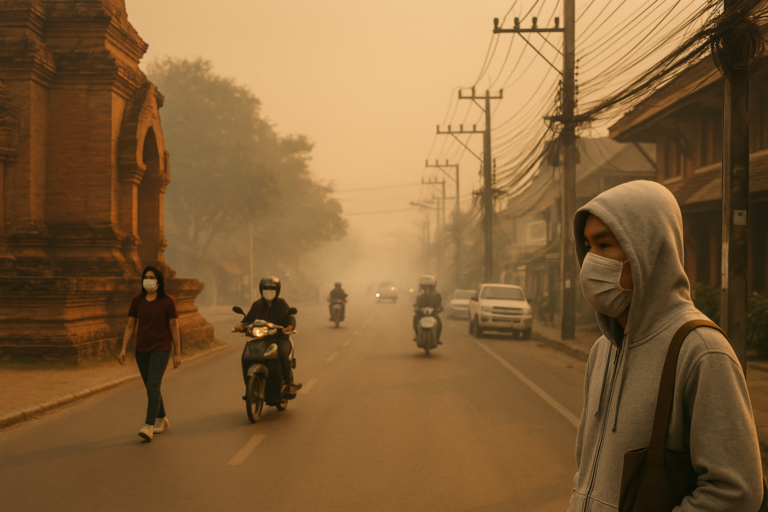
Smoke and particulate matter are irritating to more than just your lungs. Your eyes and throat can feel the effects too. Drink more water than you think you need, carry eye drops if you wear contacts, and consider wearing sunglasses as a light barrier against airborne particles when you’re outdoors.
Choose Accommodation Wisely
If you’re visiting during burning season, look for accommodation with air conditioning and, ideally, air purifiers. Many guesthouses and hotels in Chiang Mai have upgraded their facilities in response to seasonal air quality concerns. Spending time in a clean-air environment — especially while sleeping — makes a meaningful difference to how you feel throughout your trip.
Limit Intense Outdoor Exercise
If you’re a runner, a cyclist, or someone who loves hiking, burning season will require some adjustments. Intense physical activity means you’re breathing harder and pulling more air — and more particles — into your lungs. Save the big hikes and outdoor workouts for the cleaner months, or at minimum, check the AQI before heading out for anything strenuous. Indoor yoga studios and gyms are plentiful in Chiang Mai and make a solid alternative.
Be Flexible with Your Plans
One of the best things you can do during burning season is build flexibility into your itinerary. Don’t lock yourself into a rigid schedule of outdoor activities. If the air quality spikes for a few days, have a list of indoor experiences ready to swap in. Chiang Mai has an extraordinary food scene, a thriving arts community, and more temples than you could visit in a month — most of which are worth exploring at a slower pace anyway.
Consider Basing Yourself Elsewhere for Day Trips
If you’re traveling through northern Thailand during burning season but want to minimize your exposure, consider basing yourself in a different town and making Chiang Mai a day trip or a short stop. Pai, Chiang Rai, and other northern destinations are affected too, but valley geography and local burning patterns mean air quality can vary significantly between locations. Do your research before committing to a base.
What You Can Still Experience During Burning Season
Here’s the thing about Chiang Mai that the air quality conversation can obscure: the city is genuinely extraordinary, and much of what makes it special is accessible year-round.
The Old City — a moated, walled historic quarter at the heart of Chiang Mai — contains more than 30 temples, each with its own story, architecture, and atmosphere. Wat Chedi Luang, Wat Phra Singh, and the dozens of smaller wats tucked into quiet sois are worth hours of wandering. Inside temple courtyards, the air is often calmer, and the experience of watching monks go about their morning rituals is something no amount of haze can diminish.
The food scene is another reason Chiang Mai holds a special place in the hearts of travelers who’ve been. Northern Thai cuisine is distinct from what you’ll find in Bangkok or on the islands — richer, spicier, with influences from Lanna, Shan, and Yunnan traditions. Khao soi, the creamy coconut curry noodle soup that’s become something of a city symbol, is worth traveling for on its own. The Sunday Walking Street and the Night Bazaar are vibrant even during haze season.
The city’s creative and digital nomad scene has also made Chiang Mai one of the most interesting places in Southeast Asia to spend a longer stretch of time. Co-working spaces, independent coffee roasters, ceramics studios, and cooking schools give you plenty to do on days when the outdoors isn’t calling.
Responsible Travel Around Burning Season
It’s worth taking a moment to think about the broader context of burning season. The agricultural burning that drives the haze isn’t a simple story of careless farmers damaging the environment. It’s tied to land tenure, economic pressures, and agricultural systems that have evolved over generations. Many of the communities involved have limited access to alternative methods of clearing land, and the issue sits at the intersection of environmental policy, rural poverty, and regional governance.
As a traveler, you’re not going to solve that. But you can engage with it thoughtfully. Support local organizations working on reforestation and sustainable agriculture. Buy from farmers’ markets where producers are working toward more sustainable practices. And if you talk to locals about burning season — and you should, because it’s part of their reality — listen more than you speak.
For a deeper look at air quality and health guidance for travelers in the region, the World Health Organization’s air quality fact sheet is a reliable starting point.
The Bottom Line: Should You Visit During Burning Season?
The honest answer is: it depends on you. If you have respiratory conditions, if clean mountain air is central to your trip vision, or if you’re planning a physically demanding outdoor itinerary, then visiting between November and February is the smarter call. The Chiang Mai burning season is a real phenomenon that genuinely affects air quality and outdoor visibility, and there’s no point pretending otherwise.
But if burning season is your only window, or if you’re drawn to Chiang Mai for its culture, food, temples, and creative energy rather than its mountain vistas, you can absolutely have a meaningful and enjoyable trip with the right preparation. Pack a good mask, track the AQI, stay flexible, and lean into everything the city offers indoors and in its sheltered spaces.
Chiang Mai is a city built on centuries of Lanna culture, and that depth doesn’t disappear behind a layer of haze. It’s still one of the most rewarding places in Southeast Asia to spend time — a city that rewards curiosity, rewards slow travel, and rewards the kind of traveler who wants to understand a place rather than just photograph it. Go with your eyes open, prepare sensibly, and Chiang Mai will give you stories worth telling for years.
This article was produced with AI assistance and reviewed editorially.


Caye Caulker Slow Travel: Snorkeling, Street Food, and Why You Should Stay Longer

Southeast Asia on a Shoestring: Budget Routes Across Thailand, Vietnam & Cambodia


