
Asia
Southeast Asia’s Best Kept Secrets: Koh Lanta, Chiang Mai & the Cao Bang Loop
Discover three hidden Southeast Asia travel destinations: Thailand’s quiet Koh Lanta island, Chiang Mai’s local culture, and Vietnam’s scenic Cao Bang Loop motorbike rout

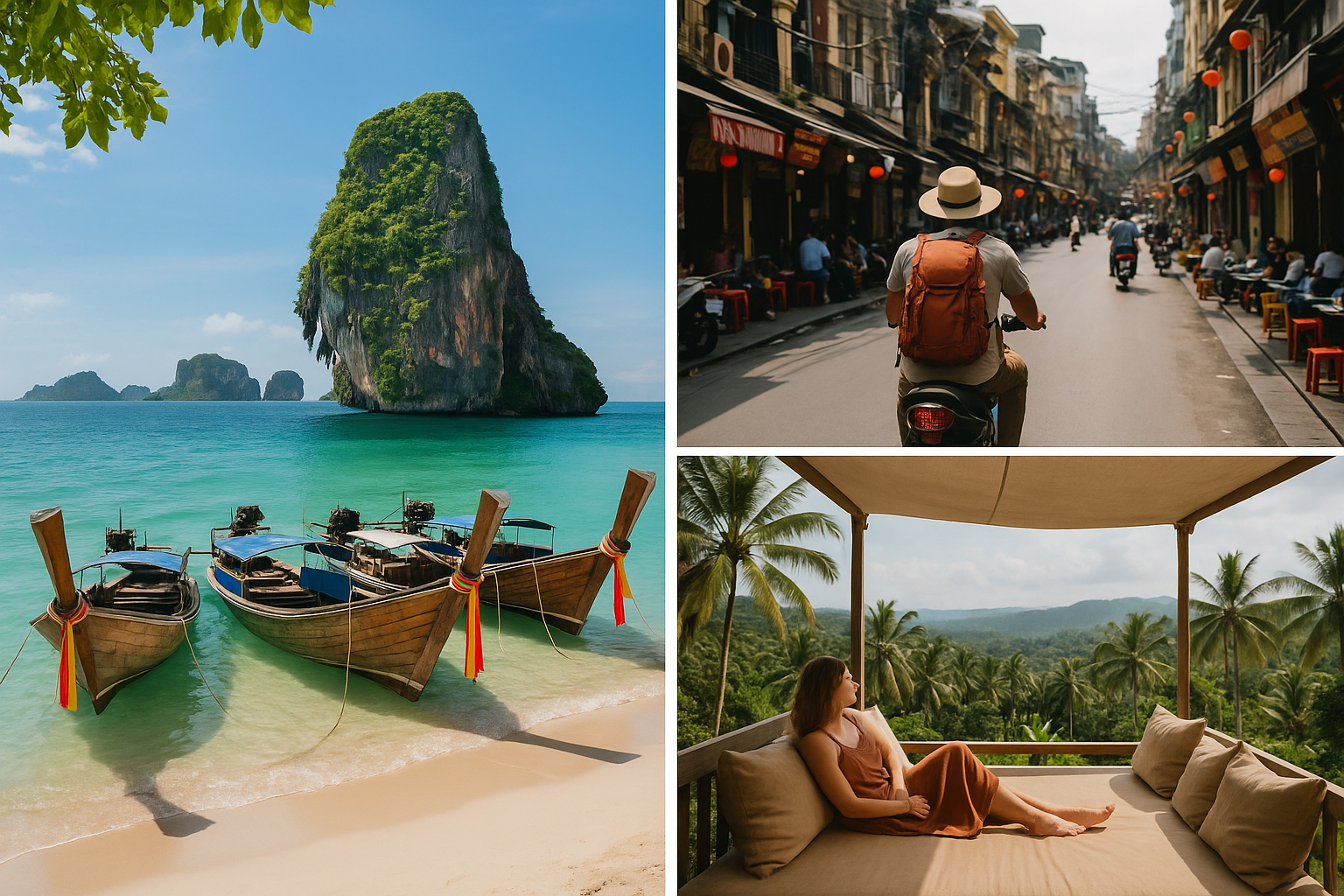
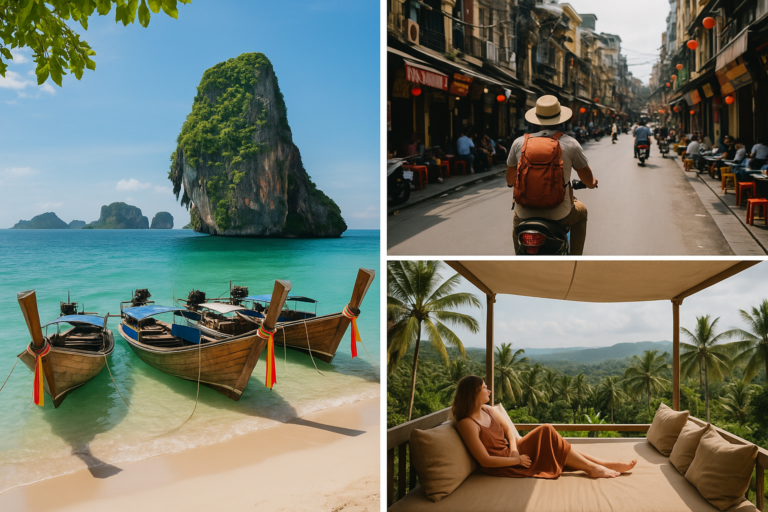
Three Places in Southeast Asia That Actually Live Up to the Hype
Every seasoned traveler has a version of the same story: they opened a southeast asia travel guide, picked a destination that looked interesting, and ended up somewhere that changed how they see the world. That’s exactly what these three places can do. Koh Lanta, Chiang Mai, and Vietnam’s Cao Bang Loop aren’t the loudest names on the backpacker circuit — and that’s precisely what makes them worth your time. Whether you’re island-hopping for the first time, navigating a buzzing northern city on a scooter, or winding through misty mountain roads on a motorbike, each of these destinations offers something genuinely different from the tourist trail everyone else is following.
This isn’t a list of Instagram hotspots. It’s a real look at three places where you’ll eat well, sleep cheap, meet interesting people, and come home with stories you’ll actually want to tell. Let’s get into it.
Koh Lanta: Thailand’s Unhurried Island
There’s a version of Thailand that moves slowly. Where mornings start with coffee on a wooden deck, the sea is warm before 8 a.m., and nobody’s rushing anywhere. That version is Koh Lanta.
Located in Krabi Province, Koh Lanta sits far enough from the chaos of Phi Phi and Phuket to feel like a different country. It attracts travelers who’ve already done the party islands and are ready for something quieter — or those who were smart enough to skip that phase entirely. The island has a laid-back rhythm that’s genuinely hard to find in Thailand anymore, and once you settle into it, leaving feels like a real sacrifice.
Beaches Worth Knowing
Koh Lanta has a stretch of coastline long enough to offer completely different beach experiences depending on where you plant yourself. Klong Dao is the longest beach on the island — wide, calm, and lined with enough restaurants and guesthouses to feel comfortable without being overwhelming. It’s a solid base if you want easy access to food and amenities.
Phra Ae, also known as Long Beach, is where you’ll find a bit more energy. There are beach bars, fire shows some evenings, and a mix of travelers that keeps things interesting. It’s still nothing like Koh Samui on a Saturday night — just lively enough to enjoy.
If you want to go further south, Klong Khong and Klong Nin are quieter stretches that attract people who really want to disconnect. The vibe here is hammocks, books, and watching the sun drop into the Andaman Sea. Kantiang Bay, at the southern end, is arguably the most scenic bay on the island — a crescent of sand backed by jungle-covered hills. It feels almost private, even when it isn’t.
Beyond the Beach: Old Town and Ban Saladan
Koh Lanta’s Old Town is one of those places that earns its name. Built on stilts over the water, the wooden shophouses along the main street reflect the island’s history as a trading port — you’ll see traces of Chinese, Malay, and Thai influence in the architecture and the food. It’s a short walk from end to end, but it rewards slow exploration. Grab something to eat, talk to the people running the small shops, and just wander.
Ban Saladan, at the northern tip, is the main arrival point and the island’s busiest village. It’s where the ferries dock and where you’ll find tour operators, motorbike rentals, and the kind of practical infrastructure you need when you first arrive. It’s not the prettiest spot on the island, but it’s useful — stock up here before heading south to your beach of choice.
When to Go
Koh Lanta has a distinct high season and low season. The island really opens up between roughly November and April, when the weather is dry, the sea is calm, and the beaches are at their best. During the wetter months — roughly May through October — many businesses close or reduce their hours, and some parts of the island feel genuinely quiet. That said, traveling in the shoulder season can mean better prices and fewer crowds if you’re willing to accept a bit of unpredictability with the weather. Just check conditions before you book.
Chiang Mai: The Northern City That Keeps Pulling You Back
Some cities you visit once and feel like you’ve seen them. Chiang Mai is not that kind of city. People come back here again and again — and not because they missed something the first time, but because the city keeps revealing new layers. It has a way of feeling familiar and surprising at the same time.
Nestled in the mountains of northern Thailand, Chiang Mai has a completely different character from Bangkok. The pace is slower, the air is cooler at elevation, and the culture feels more deeply rooted. The old city — a square moat-ringed neighborhood in the center — is packed with temples, markets, and guesthouses, but the real Chiang Mai lives in the neighborhoods just beyond it.
What to Do in the Old City and Beyond
Start with the temples — not because it’s the obvious thing to do, but because they’re genuinely worth it. Wat Chedi Luang is one of the most impressive, with a partially ruined chedi that gives you a sense of the city’s long history. Wat Phra Singh is another highlight, particularly in the early morning when monks are going about their routines and the incense smoke drifts through the courtyards. Take your time in these spaces. They’re not museums — they’re living religious sites, and that difference matters.
The Sunday Walking Street on Wualai Road and the Saturday Night Market are worth experiencing at least once. You’ll find handmade crafts, local food, and a mix of travelers and locals that gives you a real feel for how the city operates on a weekend. Don’t just buy things — eat things. The street food here is exceptional, and the prices are still very reasonable if you eat where the locals eat rather than at the tourist-facing stalls.
Outside the city, Doi Inthanon National Park is a half-day or full-day trip that’s genuinely rewarding. It’s Thailand’s highest peak, and the drive up takes you through cloud forest, waterfalls, and royal garden terraces. The landscape feels nothing like the rest of Thailand — cooler, greener, and almost Alpine in places. Rent a motorbike or join a group tour depending on your comfort level.
Eating, Staying, and Getting Around
Chiang Mai’s food scene is one of its strongest arguments. Northern Thai cuisine is distinct from what you’ll find in Bangkok — dishes like khao soi (a rich coconut curry noodle soup), sai oua (northern sausage), and larb (a herb-heavy minced meat salad) are the things you’ll crave long after you leave. Find a spot near Nimman Road or in the Nimmanhaemin area for a good mix of local restaurants and independent cafés.
The Nimman area is also where many digital nomads and young travelers base themselves — it has a creative, energetic feel with good coffee shops, co-working spaces, and easy access to the rest of the city. If you want something more immersive, staying inside the old city walls puts you in the middle of the historic core, which is especially atmospheric in the evenings.
Getting around is easy on a rented scooter. Chiang Mai is manageable in size, the roads are relatively straightforward once you get your bearings, and having your own wheels opens up a lot of options for spontaneous detours. Just make sure you’re comfortable riding before you commit to a full day out.
The Cao Bang Loop: Vietnam’s Most Underrated Road Trip
If you’ve heard of the Ha Giang Loop, you already know that northern Vietnam’s mountain roads are something special. But the Cao Bang Loop is less crowded, equally dramatic, and — for those who’ve already done Ha Giang — a genuinely different experience. It’s the kind of route that earns its place in any serious southeast asia travel guide.
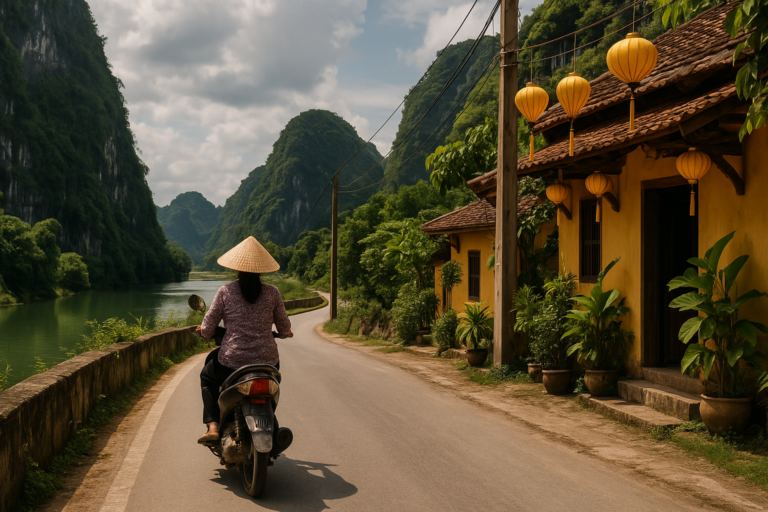
The Cao Bang Loop is a 4-day motorbike route in northern Vietnam that takes you through some of the country’s most remote and visually stunning terrain. The route runs through the UNESCO Non Nuoc Cao Bang Global Geopark, a protected landscape along Vietnam’s border with China that encompasses limestone mountains, emerald rivers, towering waterfalls, vast cave systems, and traditional ethnic minority villages. It’s the kind of place that makes you feel like you’ve traveled back in time — not because it’s underdeveloped, but because it’s genuinely unspoiled.
What Makes the Cao Bang Loop Different
The Ha Giang Loop gets a lot of attention, and deservedly so. But that attention comes with crowds, tour groups, and a scene that’s grown considerably in recent years. The Cao Bang Loop, by contrast, still feels like a discovery. You’ll share the road with local farmers, pass through villages where travelers are still a novelty, and find yourself stopping constantly just to take in what’s in front of you.
The landscape shifts dramatically as you ride. Rice fields cascade down hillsides in terraced layers, rivers cut through limestone gorges in shades of green that don’t look real, and the mountains rise in jagged formations that seem to multiply the further north you go. It’s visually relentless in the best possible way.
Highlights Along the Route
The Ban Gioc Waterfalls are the undisputed highlight of the loop — a massive, multi-tiered waterfall that straddles the border between Vietnam and China. The scale of it is genuinely surprising. You can take a bamboo raft to get closer, and the surrounding landscape of karst peaks and river bends makes the whole scene feel almost surreal. Go early in the morning if you can, before tour groups arrive from Hanoi.
Angel Eye Mountain offers a viewpoint that gives you a panoramic sense of the terrain you’re riding through — a reminder of how vast and varied this corner of Vietnam really is. Lenin’s Stream, a turquoise river named with a nod to the region’s history, is a popular stop for swimming and picnicking. The water is cold and clear, and on a hot afternoon, it’s exactly what you need.
The ethnic minority villages along the route are some of the most memorable parts of the journey. The Tày, Nùng, and H’mông communities in this region have distinct traditions, languages, and ways of life. Approach these villages with curiosity and respect — slow down, say hello, and resist the urge to treat people as photo opportunities. The connections you make in these moments, even brief ones, are often what you remember most.
Practical Stuff: How to Do the Loop
Most travelers base themselves in Cao Bang town before and after the loop. Accommodation here is cheap and comfortable — you’ll find guesthouses and small hotels that offer good value without sacrificing the basics. The town itself is a pleasant place to spend an evening, with local restaurants and a relaxed atmosphere that sets the tone for what’s ahead.
You can rent a motorbike in Cao Bang town, or hire a local guide who knows the roads. If you’re not a confident rider, the guide option is genuinely worth it — the roads can be narrow and steep in places, and local knowledge makes a real difference when you’re navigating remote mountain routes. Either way, four days is the sweet spot for doing the loop properly without rushing.
The best time to visit is generally in the dry season, when the roads are passable and the skies are clearer. The rice terraces are most photogenic during planting season and harvest, so timing your visit around those periods adds another layer to the experience. Check current road conditions before you set off — mountain routes in northern Vietnam can be affected by weather, and flexibility in your itinerary is always a good idea.
How to Build a Trip Around All Three
The good news is that these three destinations work well together as part of a longer Southeast Asia journey. A logical route might start in Chiang Mai — fly in, spend a week or so exploring the city and the surrounding mountains, then head south to Koh Lanta for some beach time before flying to Hanoi and making your way north to Cao Bang. Alternatively, reverse it and end your trip on the island, which is a very good place to decompress after the intensity of the motorbike loop.
Each destination has a different pace and a different kind of reward. Chiang Mai stimulates your curiosity. Koh Lanta resets your nervous system. The Cao Bang Loop pushes you — physically, mentally, and emotionally — in ways that remind you why you travel in the first place. Together, they cover the full spectrum of what makes Southeast Asia so worth exploring.
Final Thoughts: Why These Places Matter
A good southeast asia travel guide doesn’t just tell you where to go — it tells you why certain places are worth your limited time and energy. Koh Lanta, Chiang Mai, and the Cao Bang Loop all make that case convincingly, and they do it without relying on hype. They’re not trying to be the loudest destinations in the region. They’re just quietly excellent, in ways that become obvious the moment you arrive.
Travel in Southeast Asia can sometimes feel like following a script — the same beaches, the same temples, the same hostel common rooms. These three destinations offer something different: the chance to slow down, pay attention, and actually connect with the places you’re moving through. That’s what the best travel always does. It doesn’t just take you somewhere new — it changes how you see everything else afterward. Pack your bag, keep your itinerary loose, and go find out for yourself.
This article was produced with AI assistance and reviewed editorially.


Caye Caulker Slow Travel: Snorkeling, Street Food, and Why You Should Stay Longer

Southeast Asia on a Shoestring: Budget Routes Across Thailand, Vietnam & Cambodia


