
Asia
Chiang Mai Beyond the Tourist Trail: 12-Visit Local’s Deep Dive (2026)
Discover Chiang Mai like a local with this in-depth guide covering burning season realities, authentic neighborhoods, and insider experiences from someone who’s visited 1

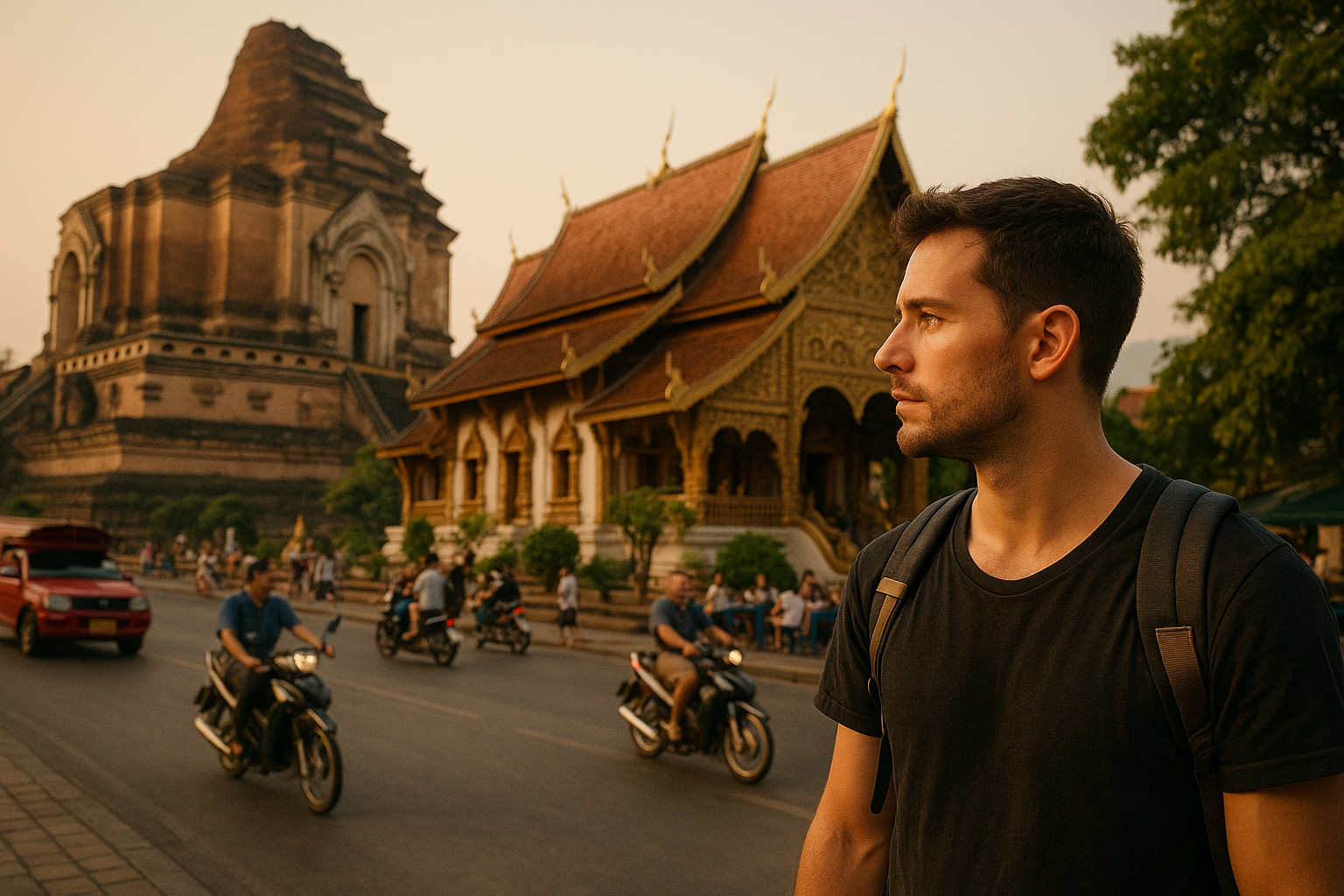
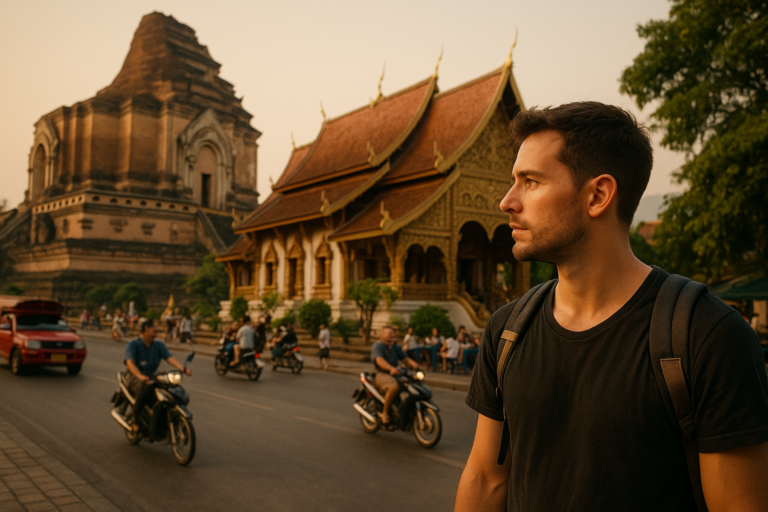
Why Chiang Mai Gets Under Your Skin (And Why You’ll Keep Coming Back)
There’s a certain kind of traveler who visits Chiang Mai once and never quite recovers. They go home, unpack their bags, and start planning the next trip before the jet lag has even worn off. If you’re looking for a Chiang Mai local guide that goes beyond the usual temple checklist, you’re in the right place — because this city rewards the curious, the patient, and the ones willing to wander a little further than the tourist trail suggests.
Chiang Mai sits in the mountainous north of Thailand, far removed in spirit from the beach resorts of the south and the relentless energy of Bangkok. It’s considered the spiritual capital of Thailand, a city where ancient temple bells echo through modern coffee shop streets, where monks collect alms at dawn while baristas fire up espresso machines a few doors down. That contrast is exactly what makes it magnetic.
It was also the favorite city of King Bhumibol Adulyadej, who ruled Thailand until his passing in 2016 — a fact that locals will mention with quiet pride. His connection to the city runs deep, and you’ll feel that reverence woven into everyday life here. Understanding that context changes how you experience Chiang Mai. It’s not just a destination. It’s a place people love.
Getting Your Timing Right: The Season Nobody Warns You About
Let’s be honest about something most travel content glosses over: Chiang Mai has a season that can genuinely affect your experience, and you deserve to know about it before you book flights.
Between roughly February and April, the northern region experiences what’s locally known as the burning season. Agricultural burning across the region — combined with dry, still air trapped by surrounding mountains — can push air quality to uncomfortable levels. Some years are worse than others. On difficult days, the haze is visible, the mountains disappear behind a grey curtain, and outdoor activities become less enjoyable.
This isn’t a reason to avoid Chiang Mai entirely. It’s a reason to plan smart. If outdoor trekking, mountain views, and clear skies are high on your list, aim for the cool season between November and February. You’ll get crisp mornings, blue skies, and temperatures that actually let you walk around comfortably without turning into a puddle.
If you do find yourself in Chiang Mai during burning season, lean into the indoor experiences — the cooking classes, the art galleries tucked into old townhouses, the café culture that the city does better than almost anywhere in Southeast Asia. Keep an eye on air quality apps, carry a quality mask, and adjust your plans accordingly. Flexibility is part of traveling well.
- November to February: Cool, dry, and widely considered the best time to visit. Book accommodation early — it fills up fast.
- March to May: Hot and potentially hazy. Manageable with the right expectations and some indoor time built in.
- June to October: Rainy season brings lush green landscapes and fewer crowds. Waterfalls are at their dramatic best.
The Old City: Start Here, But Don’t Stay Here
The Old City — the square moat-surrounded historic core — is where most travelers begin, and for good reason. It’s beautiful. Ancient temples appear around every corner. The streets are walkable. Guesthouses and cafés cluster conveniently together.
But if you spend your entire trip inside the moat, you’ll miss what makes Chiang Mai genuinely special. Think of the Old City as your orientation point, not your destination.
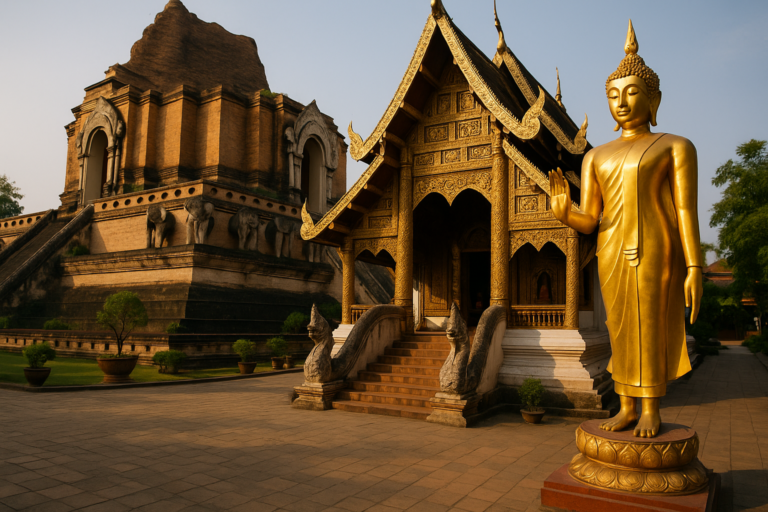
Spend your first morning exploring it properly. Wander into Wat Chedi Luang, where monks are sometimes available for conversation in a program designed to practice their English — and give you a genuinely rare window into monastic life. Arrive early, before the tour groups, when the light is soft and the atmosphere is calm. That quiet hour before the crowds arrive is Chiang Mai at its most honest.
Then start moving outward.
Where the City Actually Lives: Neighborhoods Worth Exploring
Nimman Road and the Creative Quarter
Head west from the Old City and you’ll hit Nimmanhaemin Road — or just Nimman, as everyone calls it. This is where Chiang Mai’s younger, creative crowd gravitates. Independent coffee shops, design boutiques, plant-filled restaurants, and co-working spaces line the streets and spill into small sois (side streets) that reward exploration.
Don’t just walk the main road. Duck into the numbered sois branching off it. Some of the most interesting cafés, vintage shops, and local lunch spots are tucked away from the main drag, discovered only by people willing to follow their curiosity down an unmarked alley.
Nimman has a reputation for being trendy, and it is — but it’s also genuinely liveable. Expats, digital nomads, university students, and creative professionals all mix here. Sit in a café long enough and you’ll hear a dozen different languages, including a lot of Thai from people who actually live in the city rather than pass through it.
Santitham: The Neighborhood Locals Call Home
North of the Old City, Santitham is the kind of neighborhood that doesn’t make it into most travel articles. There are no major temples here, no famous landmarks. What there is: local markets, family-run noodle shops, affordable guesthouses, and the comfortable, unhurried rhythm of actual Chiang Mai life.
Eating in Santitham means pointing at dishes you don’t recognise, trusting the process, and usually being rewarded with something excellent. The prices reflect the local clientele rather than tourist expectations. A bowl of khao soi — the rich, coconut-curry noodle soup that is Chiang Mai’s signature dish — eaten at a plastic table on a quiet street will stay with you longer than the same dish served in a photogenic restaurant designed for Instagram.
The East Side and the River
The Ping River runs along the eastern edge of the city, and the neighborhoods that line it have a quieter, more atmospheric character than the areas closer to the tourist center. Old wooden shophouses, art spaces, and small galleries have taken root here, drawing a creative community that keeps things interesting without becoming self-consciously hip.
Weekend walking street markets sometimes stretch along the river, and these feel noticeably more local in character than the famous Saturday and Sunday markets near the Old City. Less tourist merchandise, more handmade goods, more actual conversation with the people selling them.
Eating Like You Actually Live Here
Chiang Mai’s food culture is distinct from the rest of Thailand. Northern Thai cuisine is its own thing — earthier, less sweet, with different herbs and preparations than what you’d find in Bangkok or on the islands. Getting familiar with it is one of the genuine pleasures of spending time here.
Start with khao soi. It’s everywhere, it’s affordable, and every cook makes it slightly differently. Work your way through a few versions and you’ll start to understand the variations — the richness of the broth, the balance of crispy and soft noodles, the hit of pickled mustard greens on the side.
Beyond khao soi, look for sai oua (northern Thai sausage fragrant with lemongrass and galangal), nam prik ong (a tomato and minced pork chilli dip served with vegetables and pork rinds), and gaeng hang lay (a slow-cooked pork curry with Burmese influences). These dishes tell the story of Chiang Mai’s position as a trading crossroads, where flavours from Myanmar, Yunnan, and the Lanna Kingdom all left their mark.
For the best eating experiences, follow a few simple principles:
- Look for places busy with Thai people, especially at lunch.
- Morning markets are where the freshest food is — arrive early.
- Don’t overlook street carts. Some of the most memorable meals in Chiang Mai cost almost nothing.
- Ask guesthouse staff or anyone you connect with where they personally eat. That question opens doors.
Getting Out of the City: Day Trips Worth the Effort
Chiang Mai is also an excellent base for exploring the surrounding mountains and countryside. The region is genuinely beautiful, and getting out of the city — even for a day — adds real depth to any visit.
Doi Inthanon, Thailand’s highest peak, is a reasonable drive from the city and offers a completely different landscape: cool air, cloud forest, waterfalls, and hilltribe villages with their own distinct cultures and craft traditions. Go on a weekday if you can. Weekends bring larger crowds, particularly to the twin chedis near the summit.
The mountain road up to Doi Suthep — the temple that watches over the city from its hillside perch — is worth doing on a clear day, ideally in the early morning before the heat builds. The views over Chiang Mai from the temple terrace are the kind that make you understand why people fall in love with this place.
For something more off the beaten path, the villages and valleys north of the city toward the Myanmar border offer slow travel at its best. Rent a motorbike if you’re comfortable doing so, take your time, and let the route unfold without a fixed agenda.
The Spiritual Side of Chiang Mai
As the spiritual capital of Thailand, Chiang Mai takes its Buddhist heritage seriously. There are hundreds of temples in and around the city — more than most visitors could explore in a single trip. But engaging with this culture meaningfully requires more than just ticking off the famous ones.
Consider timing a visit around a Buddhist holiday or festival. Loy Krathong and the associated Yi Peng lantern festival, which typically falls in November, transform the city into something genuinely extraordinary. Thousands of paper lanterns drift into the night sky above the Ping River, and the atmosphere is unlike anything else in Southeast Asia. It’s one of those experiences that earns its reputation.
Dress respectfully when visiting temples — shoulders and knees covered, shoes removed at the entrance. This isn’t just etiquette; it’s a genuine expression of respect for spaces that are actively used for worship, not just preserved for tourism. That small act of consideration changes how you’re received, and it changes how the experience feels.
For a deeper connection with the city’s spiritual life, some temples offer meditation sessions open to visitors. Sitting in silence in a centuries-old space, even for an hour, gives you a different relationship with Chiang Mai than any guided tour can provide.
Practical Notes for Getting Around and Staying Connected
Chiang Mai is more spread out than it looks on a map. The Old City is walkable, but getting to Nimman, the river neighborhoods, or the Saturday night market requires some form of transport. Options include:
- Songthaew (red trucks): The classic Chiang Mai way to get around. Flag one down, tell the driver your destination, negotiate a price. They run fixed routes but also operate as shared taxis. Cheap, reliable, and part of the experience.
- Motorbike rental: Gives you real freedom, especially for day trips into the mountains. Rent from a reputable shop, check the bike carefully, and wear a helmet — not optional, genuinely important.
- Ride-hailing apps: Available in Chiang Mai and useful for late nights or when you want a fixed price without negotiation.
- Bicycle: Viable within the Old City and immediate surroundings, particularly in the cool season when the heat won’t drain you before you’ve gone two blocks.
Pick up a local SIM card at the airport or any convenience store. Data is affordable and having reliable maps and translation tools makes navigating the city significantly easier, especially when you’re venturing into neighborhoods where English signage gets sparse.
The Chiang Mai That Stays With You
Every traveler who keeps returning to Chiang Mai — and there are many, drawn back again and again — will tell you something slightly different about what makes it special. For some it’s the food. For others it’s the mountain light in the early morning, or the warmth of the people, or the particular quality of silence you can still find in the older parts of the city if you know where to look.
What a good Chiang Mai local guide ultimately offers isn’t a list of places to photograph. It’s permission to slow down, pay attention, and let the city reveal itself at its own pace. Skip the burning season if air quality matters to you. Eat where the locals eat. Walk into neighborhoods that don’t appear in the highlights reel. Learn a few words of Thai — even a handful will open conversations and change how people respond to you.
Chiang Mai has been drawing travelers in for decades, and it continues to evolve without losing the qualities that made people fall for it in the first place. You can read more about what the city offers from resources like Indie Traveller’s comprehensive Chiang Mai guide or explore current local perspectives at A Ga on the Run’s local Chiang Mai guide — both worth bookmarking before you go.
Come with curiosity. Leave the rigid itinerary at home. And give yourself enough time to discover the version of Chiang Mai that doesn’t show up in the first page of search results — the one that keeps travelers coming back long after they thought they’d seen everything. That’s the city worth finding, and it’s waiting for you right now.
This article was produced with AI assistance and reviewed editorially.


Vietnam Uncovered: Beyond the Chaos, Into the Real Story

Beyond the Guidebook: What Hanoi Actually Feels Like


