
North America
Coastal US Towns for Young Travelers: Where to Stay in Cape Cod, Catalina Island & Sanibel Island
Discover three US coastal destinations perfect for young travelers. Explore Cape Cod, Catalina Island, and Sanibel Island with budget accommodations, water activities, an

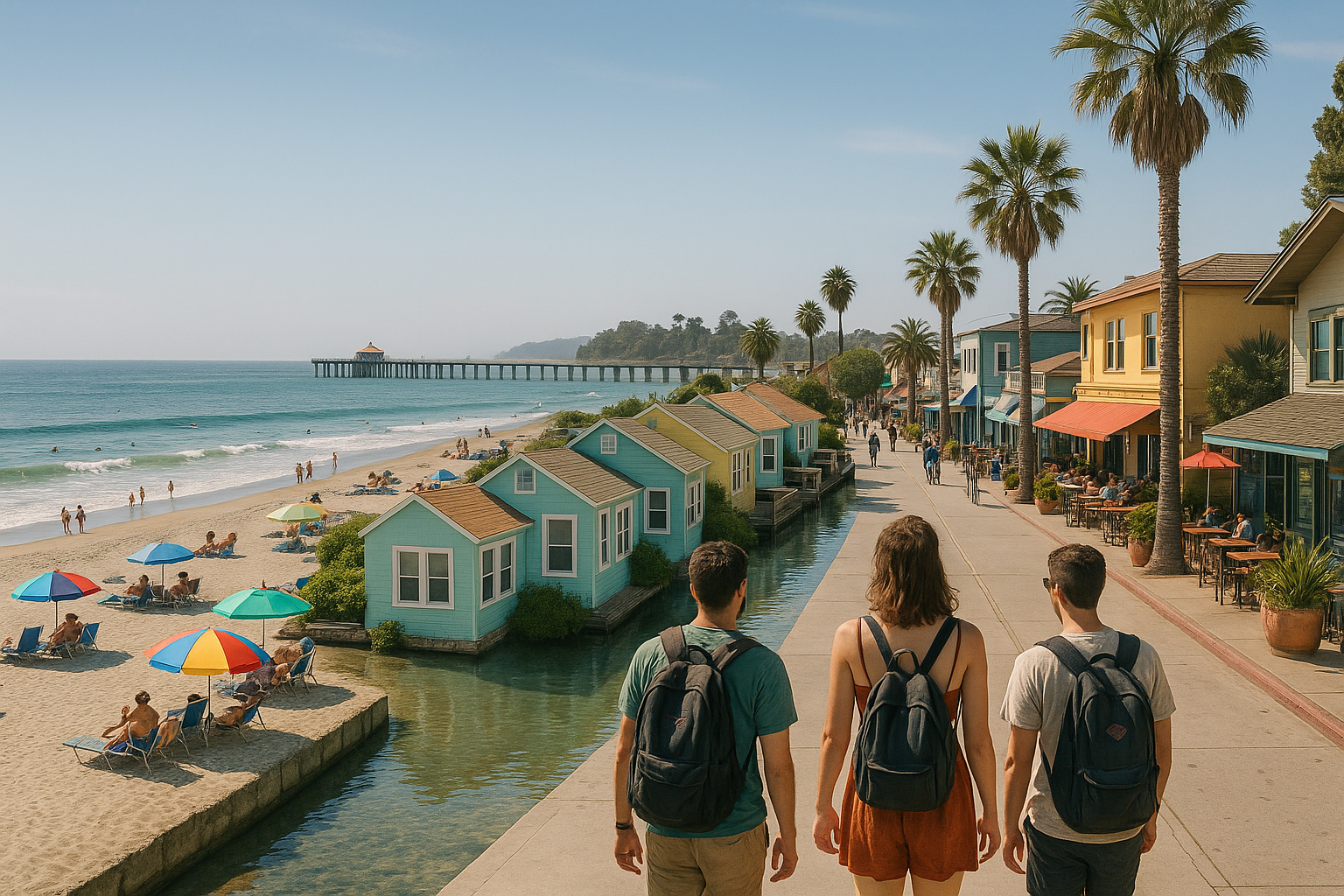
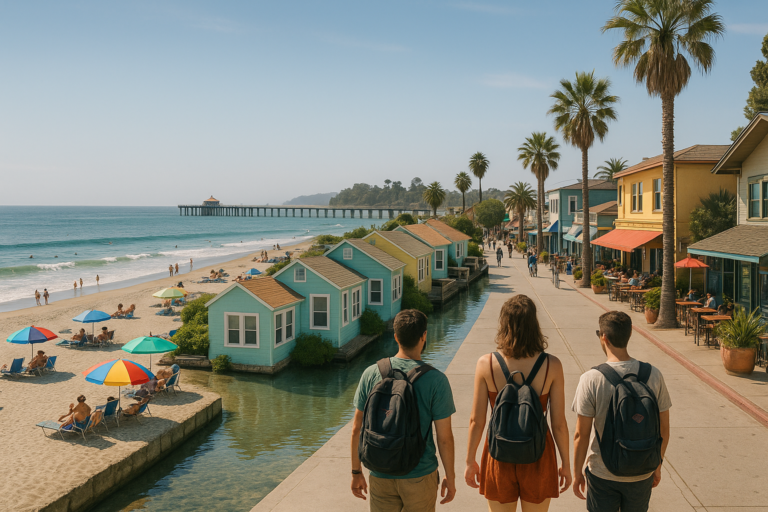
Three US Coastal Towns Worth Discovering: Cape Cod, Catalina Island, and Sanibel Island
There’s something about the coast that pulls you in. The salt air, the rhythm of the waves, the feeling that the day can go wherever you want it to. For young travelers looking to explore the United States without flying halfway around the world, coastal towns offer some of the most rewarding experiences you’ll find — rich with local culture, outdoor adventure, and the kind of slow-down energy that’s genuinely hard to find elsewhere. Coastal towns for young travelers don’t have to mean crowded party beaches or overpriced resorts. The right destination gives you freedom, character, and enough going on to keep things interesting. Cape Cod in Massachusetts, Catalina Island off the California coast, and Sanibel Island in Florida each offer something distinct — and all three are worth your time.
Cape Cod, Massachusetts: Beach Culture Meets Maritime History
Cape Cod is one of those places that genuinely surprises people. You might expect a quiet, slightly old-fashioned seaside escape — and in some ways, that’s exactly what you get. But look a little closer and you’ll find a destination full of energy, character, and a coastal culture that runs deep.
The Cape is made up of 15 towns spread across four general regions, each with its own personality. That variety is one of the reasons it works so well for younger travelers. You’re not locked into one vibe. You can spend a morning exploring a working fishing harbor, grab lunch at a clam shack where locals have been eating for decades, and end the afternoon on a wide open stretch of National Seashore where the Atlantic feels genuinely wild.
Where to Base Yourself
If you want to be close to the action, the mid-Cape and Outer Cape areas tend to offer the best mix of accessibility, atmosphere, and things to do. Towns like Provincetown — perched at the very tip of the Cape — are known for their vibrant arts scene, welcoming community, and some of the most dramatic landscapes on the East Coast. It’s a place where creative energy and coastal beauty collide in a way that’s hard to describe until you’ve walked those streets yourself.
Falmouth and Hyannis are more central options if you’re arriving by bus or ferry and want easy connections to the rest of the Cape. They’re practical bases that still deliver on the Cape’s core promise: beautiful beaches, charming villages, fresh seafood, and a maritime history that shows up in everything from the architecture to the local museums.
Accommodation Options for Budget-Conscious Travelers
Cape Cod has a wide range of accommodation styles. Hostels are limited compared to major cities, but the area has a strong tradition of guesthouses, inn-style stays, and seasonal rentals that can be genuinely affordable when booked in advance or outside the peak summer window. Shoulder season — late May or September — is worth considering. The weather is still excellent, the crowds thin out, and prices drop noticeably. Camping is also a real option here, with several well-maintained sites near the Cape Cod National Seashore that put you right in the middle of the landscape.
For more details on lodging across the different regions of the Cape, this local guide breaks down each area and helps you figure out which part suits your travel style.
What to Do
Water activities are at the heart of any Cape Cod trip. Kayaking through tidal estuaries, paddleboarding in calmer harbors, surfing the Atlantic-facing beaches — there’s enough to fill a week without repeating yourself. Cycling is another highlight: the Cape Cod Rail Trail is one of the most scenic bike paths in New England, winding through forests, cranberry bogs, and past ponds that invite you to stop and swim. If you’re into wildlife, whale watching tours run regularly from several ports and offer one of those experiences that stays with you long after the trip is over.
Catalina Island, California: An Island Escape Just Off the Coast
Most people don’t think of an island when they think of California. But Catalina sits just about 22 miles off the coast of Los Angeles, and it feels like a completely different world. No traffic noise, no urban sprawl — just clear water, hills covered in wild scrub, and a small-town pace that makes the whole thing feel like a discovery even though it’s been there all along.
Getting there is part of the experience. A ferry ride from the mainland gives you that unmistakable feeling of arriving somewhere, the kind of arrival that sets the tone for everything that follows. By the time you step onto the dock at Avalon, you’re already in a different headspace.
Avalon vs. Two Harbors: Choosing Your Base
Catalina Island has two main areas where visitors can stay, and they offer genuinely different experiences. Avalon is the island’s main town — a walkable, colorful harbor community with lodging options located near the Tour Plaza and Pleasure Pier, putting you within easy reach of more than two dozen land and sea activities. It’s lively, social, and well set up for first-time visitors who want a mix of convenience and coastal charm.
Two Harbors is the quieter alternative. Situated on a narrow isthmus on the island’s western side, it attracts travelers who want to slow down further — hikers, divers, and people who genuinely want to disconnect. Lodging is available there too, and the atmosphere is noticeably more remote. If you’re traveling with a small group and want something that feels more like a real escape, Two Harbors is worth the extra effort to reach.
You can explore both accommodation options and plan your stay through the official Catalina Island visitor site, which covers everything from hotels and cottages to camping.
Water Activities and Outdoor Adventure
Catalina’s waters are remarkably clear, which makes it one of the best places on the West Coast for snorkeling and scuba diving. The kelp forests and marine life here are genuinely impressive — this isn’t the kind of snorkeling where you see a few fish and call it a day. Glass-bottom boat tours offer a more relaxed way to see the underwater world if you’d rather stay dry. Kayaking, paddleboarding, and parasailing are all available in Avalon, and the island’s interior opens up for hiking and mountain biking on trails that give you sweeping views of the Pacific on both sides.

One thing worth knowing: Catalina has strict rules about bringing vehicles to the island, which actually works in your favor. The whole place is walkable or accessible by golf cart, and that car-free energy contributes to the relaxed, unhurried atmosphere that makes it so appealing.
Sanibel Island, Florida: Shells, Wildlife, and Gulf Coast Calm
Sanibel Island sits off the southwest coast of Florida, connected to the mainland by a causeway and set apart from the typical Florida beach experience in almost every way. It’s quieter, greener, and more focused on nature than most Gulf Coast destinations. If you’re expecting the neon-lit, spring break version of Florida, Sanibel will genuinely surprise you.
The island is known above all for its shells. The shape of the coastline — running east to west rather than north to south — causes shells to accumulate on the beaches in extraordinary quantities. Locals and visitors alike can be found walking the shoreline in the early morning, heads down, scanning the sand. It’s a low-key ritual that sounds unremarkable until you’re actually doing it, at which point it becomes oddly absorbing.
The Natural Side of Sanibel
Beyond the shells, Sanibel has a strong conservation identity. A large portion of the island is protected wildlife refuge, which means you can explore trails through mangroves and wetlands, spot alligators, and watch dozens of bird species in their natural habitat — all within a short walk or bike ride from the beach. It’s the kind of place where nature isn’t a backdrop; it’s the main event.
For young travelers who care about sustainability and authentic experiences over manufactured ones, Sanibel’s commitment to preserving its natural environment gives it a different kind of appeal. The island has strict building height restrictions and limits on commercial development, which keeps the whole place feeling genuine rather than resort-packaged.
Getting Around and Where to Stay
Sanibel is well set up for cycling — a network of bike paths runs across much of the island, making it easy to explore without a car once you’ve arrived. Accommodation ranges from small cottage-style rentals and family-run inns to mid-range beach resorts. Renting a cottage or booking a smaller inn tends to give you a more local feel than the larger resort options. Traveling outside of peak winter season — spring and early summer — can make pricing more accessible, and the weather remains warm and pleasant.
Water activities here lean toward the gentle side: kayaking through mangrove tunnels, paddleboarding in calm Gulf waters, and snorkeling around nearshore reefs. The Gulf side of Florida generally has calmer, warmer water than the Atlantic coast, which makes it particularly welcoming if you’re newer to water sports and want to ease in at your own pace.
How to Choose Between These Three Coastal Destinations
The honest answer is that these three places serve different moods, and the best one depends on what you’re looking for at this moment in your travels.
- Cape Cod is for you if you want a deep dive into East Coast maritime culture, dramatic landscapes, and a destination that rewards slow exploration. It’s especially strong in summer but genuinely worth visiting in the shoulder seasons too.
- Catalina Island is for you if you want the novelty of an island escape without leaving the continental US, combined with excellent water activities and a social, walkable town atmosphere. It’s a great pick for a long weekend or as part of a California trip.
- Sanibel Island is for you if nature, wildlife, and a quieter pace are what you’re after. It’s ideal for travelers who find meaning in outdoor experiences and want something that feels genuinely removed from the everyday.
All three are accessible by public transport or ferry from nearby cities, which matters when you’re traveling on a budget and want to keep logistics simple. None of them require a car to enjoy fully — though having one does expand your options, particularly on Cape Cod.
Practical Tips for Coastal Towns for Young Travelers
A few things worth keeping in mind before you go, regardless of which destination you choose:
- Book accommodation early for summer travel. All three destinations get busy between June and August. If you’re flexible on dates, late May or September often hits the sweet spot between good weather and manageable crowds.
- Pack for activity, not just the beach. Hiking shoes, a light rain layer, and a dry bag for water activities will serve you well at all three destinations.
- Eat where the locals eat. The best seafood on Cape Cod isn’t in the tourist-facing restaurants. The best fish tacos on Catalina aren’t at the resort bar. Ask around, wander a little, and trust the places with no frills and a line out the door.
- Respect the natural environment. All three destinations have ecosystems worth protecting. Follow local guidelines, stay on marked trails, and leave beaches cleaner than you found them.
- Give yourself more time than you think you need. The best moments at any of these places tend to happen when you’re not rushing — a conversation with a local fisherman, a spontaneous detour down an unmarked trail, an evening on the water when the light turns gold.
The Bigger Picture
Coastal towns for young travelers offer something that big cities and resort complexes often can’t: a sense of place that feels earned rather than packaged. Cape Cod, Catalina Island, and Sanibel Island each have their own identity, their own rhythm, and their own reasons to keep coming back. They’re not trying to be everything to everyone. That’s exactly what makes them worth your time.
Whether you’re planning your first solo trip, looking for a long weekend escape, or building out a longer US road trip, these three destinations offer experiences that go well beyond the surface. You’ll come back with more than photos — you’ll come back with the kind of memories that actually stick. And that, more than anything else, is what travel is for.
This article was produced with AI assistance and reviewed editorially.


Vietnam Uncovered: Beyond the Chaos, Into the Real Story

Beyond the Guidebook: What Hanoi Actually Feels Like


