
Asia
Southeast Asia’s Underrated Coastal Towns: Vung Tau, Hat Yai & Beyond
Discover authentic underrated coastal towns in Southeast Asia like Vung Tau and Hat Yai. Skip crowded beaches for real local life, street food, and genuine cultural exper

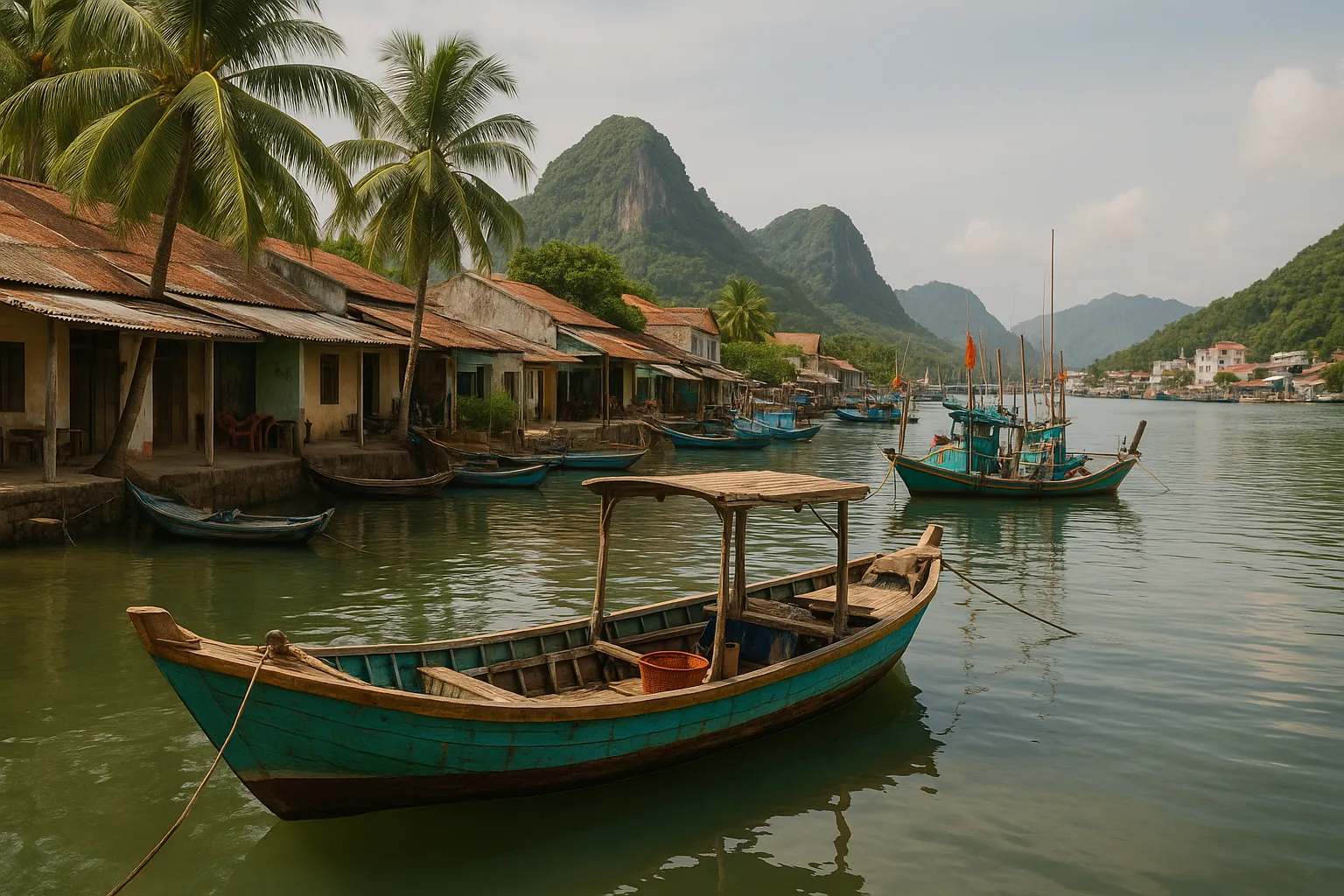
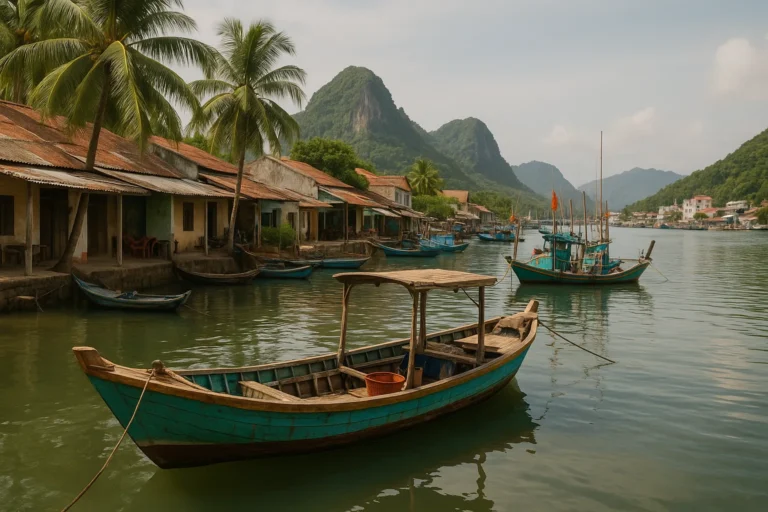
Southeast Asia’s coastline stretches for thousands of kilometres, and yet most travellers end up on the same handful of beaches — same white sand, same beach bars, same Instagram shots. If you’re the kind of person who’d rather stumble into a local market than queue for a bucket cocktail, then the underrated coastal towns of Southeast Asia are exactly where you need to point your compass. Places like Vung Tau in Vietnam and Hat Yai in southern Thailand sit in the shadow of more famous neighbours, but that’s precisely what makes them worth the detour. You get the real thing: fishing boats at dawn, street food that hasn’t been adjusted for tourist palates, and a pace of life that actually lets you breathe.
Why Skipping the Obvious Destinations Pays Off
There’s a particular kind of travel fatigue that sets in when every place you visit feels curated for your arrival. The menus are in five languages, the guesthouses have rooftop bars, and the “hidden gem” is tagged in ten thousand posts. Choosing underrated coastal towns in Southeast Asia is the antidote to all of that.
These are towns where the economy doesn’t revolve around tourism. Locals go about their mornings without a camera pointed at them. The food is cooked the way it’s always been cooked. You’re not a customer to be managed — you’re a guest, and that changes everything about how a place feels.
There’s also a practical upside. Less tourism means lower prices, shorter queues, and more space. You can actually sit at the seafront and think. You can explore a neighbourhood without a tour group blocking the lane. And when you do connect with someone local — at a noodle stall, on a ferry, in a guesthouse courtyard — it tends to be a genuine exchange rather than a scripted interaction.
Vung Tau: Vietnam’s Coastal Secret, Just South of the City
Vung Tau has been hiding in plain sight for over a century. Perched on a small peninsula roughly two hours south of Ho Chi Minh City by the old highway — and closer to 50 minutes once the newer expressway is fully operational — it’s close enough to the city to feel accessible, yet far enough that the tourist masses haven’t arrived in force. For generations, it was the preferred beach escape for Saigon residents and expatriates, a place to decompress from the noise of the city without crossing a border.
What makes Vung Tau genuinely different from the average beach town is its landscape. Dramatic mountains rise directly from the sea, giving the peninsula a cinematic quality that flat, sandy destinations simply can’t match. Viewpoints here don’t require a long hike — you can find yourself looking out over the South China Sea with the town spread below you, fishing boats dotting the water, and the horizon stretching further than you’d expect.
Then there’s the Christ the King Statue, one of the town’s most iconic landmarks, standing on a hilltop with arms outstretched over the sea. It draws a certain number of visitors, but it never feels overwhelmed. You climb the steps, catch your breath, and the view is yours — no barriers, no timed entry, no crowd management. Just you and one of the more quietly spectacular panoramas in southern Vietnam.
👉 Read also: Vung Tau, Vietnam: The Beach Town Where Saigon Locals Actually Go
A Town Shaped by Many Hands
Vung Tau carries its history visibly. Portuguese traders and French colonial forces both left marks on the town — in its architecture, its street layout, and in the layered sense of a place that has absorbed outside influence without losing its own character. Walking through certain neighbourhoods, you notice the blend: a French-era villa next to a Vietnamese temple, a café that could be in Hanoi sitting beside a seafood restaurant that’s been serving the same dishes for decades.
This historical depth is part of what makes Vung Tau more than just a beach stop. It rewards slow exploration. You’re not just looking for a good wave or a sunlounger — you’re moving through a town that has genuinely lived, that has been fought over and rebuilt and claimed by different people at different times, and that has come out the other side with something real to show for it.
Getting There and Getting Around
From Ho Chi Minh City, Vung Tau is one of the more straightforward day trips or overnight escapes in Vietnam. The road connection is well established, and there are regular bus services that make the journey without much fuss. A high-speed ferry is another option — crossing the river and bay gives you a completely different arrival experience, with the peninsula revealing itself slowly from the water. It’s worth doing at least once, even if you drive back.
Once you’re in Vung Tau, the town is compact enough to explore on a rented motorbike or bicycle. The coastal roads that loop around the peninsula are among the best ways to understand the town’s geography — you move from the busier front beach to quieter stretches, past seafood restaurants and local temples, with the mountains always somewhere in your peripheral vision.
Hat Yai: Southern Thailand Beyond the Transit Lounge
Hat Yai has a reputation as a stopover — a place you pass through on the way from Bangkok to the Malaysian border, or a hub you use to reach the islands. That reputation is understandable, but it sells the city short. Hat Yai is a genuinely vibrant southern Thai city with a strong local identity, an energetic food culture, and a character shaped by the meeting point of Thai, Malay, and Chinese communities.
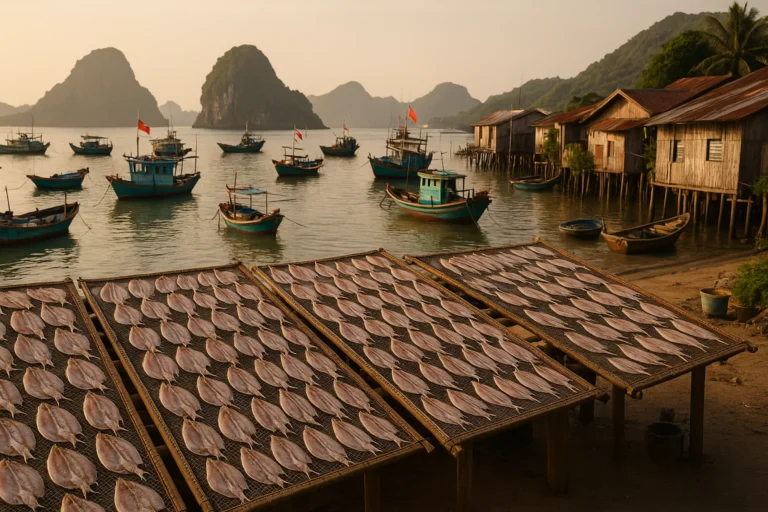
The food scene alone justifies spending more than one night. Southern Thai cuisine is distinct from what you’ll find further north — it’s spicier, richer, and more complex, with influences that reflect the region’s position at a cultural crossroads. Night markets here aren’t tourist productions; they’re where locals actually eat. Dim sum culture, brought by generations of Chinese settlers, sits comfortably alongside Thai Muslim food stalls and fresh seafood grills. You can eat your way through an evening and barely scratch the surface.
Hat Yai also has a walkable, energetic city centre with covered markets, independent shops, and the kind of street-level energy that reminds you why cities are worth exploring on foot. It’s not a beach town in the traditional sense — the coast requires a short journey — but its position in the south makes it a natural base for exploring the Gulf of Thailand’s less-visited shores.
Beyond the Headlines: More Coastal Towns Worth Your Time
Vung Tau and Hat Yai are two strong starting points, but the broader picture of underrated coastal towns across Southeast Asia is even richer. The region has a remarkable variety of port cities, fishing towns, and coastal communities that rarely make it onto shortlists — and that’s exactly the point.
👉 Read also: Southeast Asia City Guides 2026: Kuala Lumpur, Singapore, Vung Tau & Hat Yai for First-Time Visitors
Sandakan, on the northeastern coast of Malaysian Borneo, is a town most travellers skip entirely in favour of Kota Kinabalu. That’s a mistake. Sandakan has a compelling wartime history, a waterfront that still functions as a working port, and proximity to some of the most extraordinary wildlife in the world. It’s the kind of place where you can spend a morning at a wildlife sanctuary and an afternoon eating fresh seafood at a riverside stall, and feel like you’ve had two completely different experiences in one day.
Dawei in southern Myanmar remains one of the most isolated coastal towns in the region — access is genuinely challenging, which means the beaches around it are among the least visited in all of Southeast Asia. If you have the time and the patience for the journey, the reward is extraordinary: long stretches of sand with almost no infrastructure, fishing communities that have seen very few foreign visitors, and a sense of remoteness that’s increasingly hard to find.
Banda Neira in eastern Indonesia is another destination that stops travellers in their tracks — not because it’s easy to reach, but because of what you find when you get there. This small island in the Banda Sea was once the centre of the global spice trade, and its history is written into the Dutch colonial forts and nutmeg plantations that still stand. The diving and snorkelling around the Banda Islands is world-class, and you’ll likely have the water largely to yourself.
For those drawn to the Philippines, Davao on the southern island of Mindanao offers a coastal city experience that feels genuinely different from the resort islands further north. It’s a working city with excellent food, access to dramatic natural landscapes, and a local culture that rewards curiosity. The durian scene alone — Davao is famous for producing some of the best in the world — is worth the conversation it starts.
How to Actually Travel These Places Well
The thing about underrated coastal towns in Southeast Asia is that they respond well to a certain kind of traveller mindset. If you arrive expecting the same level of English-language signage, tourist infrastructure, and curated experience as the major destinations, you might find yourself frustrated. But if you arrive open to figuring things out as you go, these towns will give you more than you expected.
- Slow down. One or two nights is rarely enough to understand a place that hasn’t been packaged for quick consumption. Give yourself three or four days minimum, and let the town reveal itself at its own pace.
- Eat where locals eat. In towns like Vung Tau and Hat Yai, the best food is almost never in the tourist-facing restaurants. Follow the crowds of locals, look for places with plastic stools and laminated menus, and order whatever someone at the next table is having.
- Use local transport. Shared minivans, local buses, and ferries are not just cheaper than private taxis — they’re also where you meet people and understand how a place actually functions. The journey becomes part of the experience.
- Learn a few words. Even a basic greeting in Vietnamese or Thai goes a long way. It signals respect and genuine interest, and it tends to open doors that stay closed for travellers who don’t try.
- Visit in the shoulder season. These towns don’t have the same peak-season infrastructure as the major resorts, which means they can feel genuinely quiet during popular travel periods. Visiting just before or after the main tourist season gives you good weather with even fewer crowds.
What Makes These Towns Last in Your Memory
Ask someone who’s been to Koh Samui or Phuket what they remember most, and you’ll often get a description of a beach, a cocktail, maybe a boat trip. Ask someone who spent a week in Vung Tau or wandered through Hat Yai’s night markets, and the answers are different. They remember a conversation with a guesthouse owner who showed them a photograph of the town from forty years ago. They remember the specific flavour of a bowl of noodles eaten on a plastic stool at six in the morning. They remember getting mildly lost on a motorbike and discovering a temple they can’t quite find on any map.
Those are the memories that stay. Not because the place was perfect, but because it was real — unfiltered, unpolished, and entirely itself. That’s what travelling off the tourist trail in Southeast Asia actually feels like, and it’s a feeling that’s harder and harder to find as more of the region gets discovered and developed.
The underrated coastal towns of Southeast Asia aren’t undiscovered — locals have known about them forever. They’re just waiting for the kind of traveller who’s willing to look past the obvious, take the slower road, and arrive somewhere that hasn’t been told yet what it’s supposed to be. That traveller might as well be you.
This article was produced with AI assistance and reviewed editorially.


Almaty & Tashkent: Central Asia’s Modern Cities Beyond the Silk Road Clichés

Stay Smart in Asia: Budget Accommodation in Osaka, Kyoto & Kuala Lumpur 2026


