
Safety Zone
Safety First: Is It Safe to Travel to Cyprus, Baja California & Other Popular Destinations in 2026?
Learn how to assess safety for Cyprus, Baja California, and other destinations. Real information for young travelers on what to expect and how to stay informed.

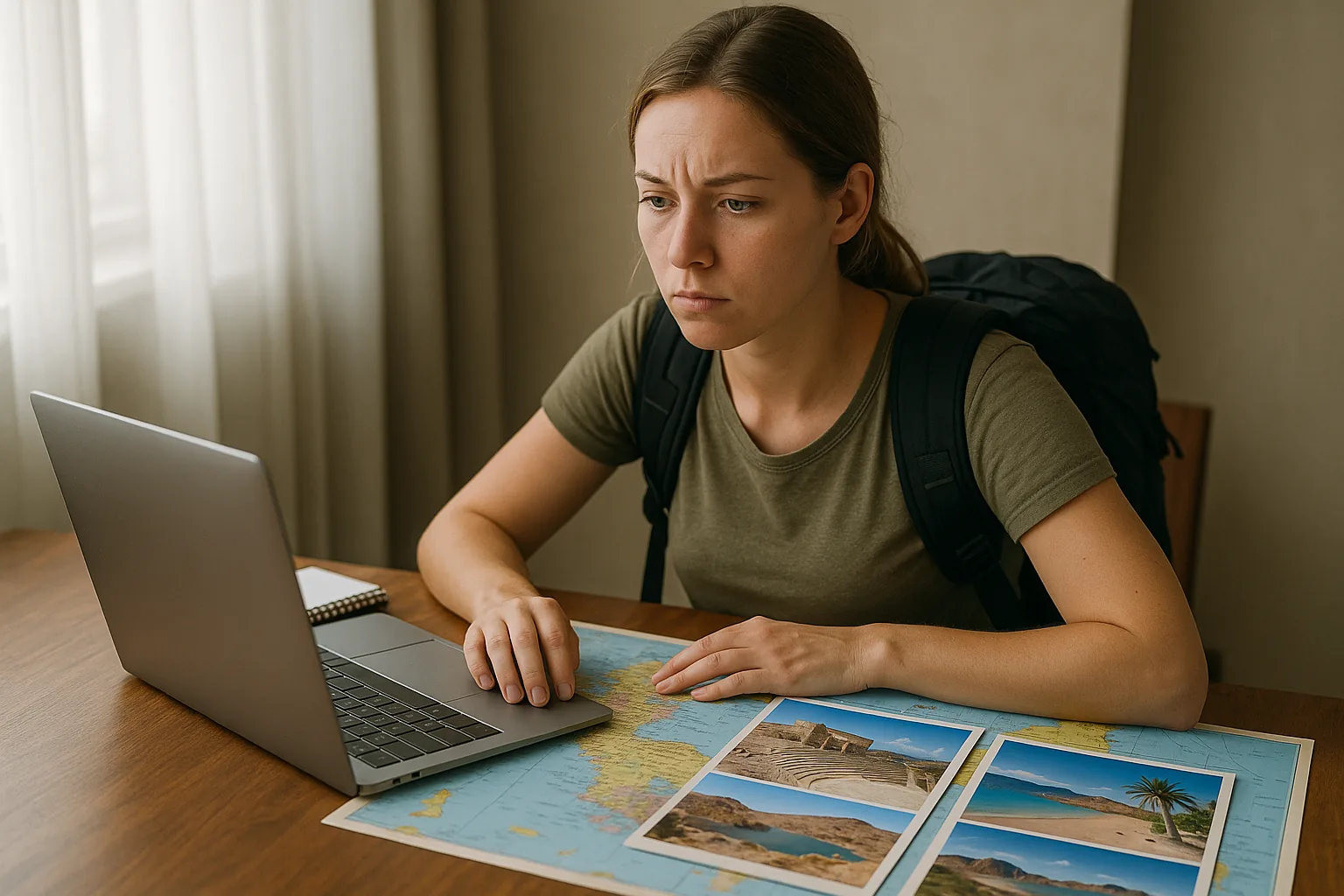

How to Actually Know If It’s Safe to Travel to Your Next Destination
One of the most common questions young travelers ask before booking a trip is whether it’s safe to travel to a particular destination. And honestly, it’s a smart question — not a fearful one. Knowing how to assess safety before you go isn’t about letting anxiety run the show. It’s about traveling smarter, feeling more confident on the ground, and making decisions based on real information rather than headlines or rumors. This guide walks you through what you need to know about Cyprus, Baja California, and how to build your own framework for evaluating any destination you’re curious about.
Cyprus: What Young Travelers Should Know Right Now
Cyprus sits in the eastern Mediterranean, and it’s been drawing travelers for decades with its mix of ancient ruins, turquoise coastline, and laid-back beach culture. It remains a top choice for travelers across Europe, particularly for those flying out of the UK, and it continues to attract visitors looking for sun, history, and affordable Mediterranean vibes in 2026.
That said, the broader regional picture matters. The Middle East sits relatively close to Cyprus geographically, and ongoing tensions in the region have led to updated travel advice from several governments. This doesn’t mean Cyprus itself is dangerous — the island’s main tourist areas, including Paphos, Limassol, Ayia Napa, and Larnaca, continue to function as active, welcoming destinations. But it does mean you should check your government’s current travel advisory before you fly, and keep an eye on any updates closer to your departure date.
Practical Tips for Traveling in Cyprus
- Check your government’s advisory. The UK Foreign, Commonwealth and Development Office (FCDO) and the U.S. State Department both publish regularly updated advisories for Cyprus. Read them before you book and again before you travel.
- Understand the political division. Cyprus is divided between the Republic of Cyprus in the south and the northern part administered by Turkish Cypriot authorities. Crossing between the two is possible at designated checkpoints, but it’s worth understanding the situation before you go — especially regarding travel insurance coverage.
- Tourist areas are generally safe. Petty theft, like in any tourist-heavy area, is the most common concern. Keep your valuables secure, don’t leave bags unattended at the beach, and use hotel safes when available.
- Stay informed during your trip. Follow local news sources and register your travel with your embassy if your country offers that service. It’s a simple step that can make a real difference if something unexpected happens.
- Transport is straightforward. Cyprus has reliable car rental options and a functioning bus network. Driving is on the left, which can take some adjustment if you’re not used to it.
Cyprus is the kind of place where you can wander through ancient temples in the morning, eat grilled halloumi by the sea at lunch, and end the day watching the sun dip behind the Troodos Mountains. The experience is rich, the culture is layered, and for most travelers, the trip goes smoothly. Just go in informed.
Baja California: Understanding the Region Before You Go
Baja California is one of those destinations that generates a lot of conflicting opinions online. Some people swear by it. Others immediately bring up safety concerns. The truth, as usual, sits somewhere in the middle — and the details really matter here.
First, the geography. Baja California is actually made up of two distinct states: Baja California State in the northern half of the peninsula, and Baja California Sur in the southern half. This distinction is crucial when you’re researching safety, because conditions can vary significantly between the two. Lumping them together — as many online discussions do — leads to confusion and often unnecessary alarm.
Baja California Sur: The Southern Half
Baja California Sur is home to destinations like Los Cabos, La Paz, Loreto, and Todos Santos. It’s widely regarded as one of the best parts of Mexico to visit right now, known for welcoming local communities, vibrant culture, and a well-developed tourism infrastructure. Tour operators running trips throughout the region have reported that the area remains stable, with no violence affecting travelers in the zones where tourism is concentrated.
👉 Read also: Coastal US Towns for Young Travelers: Where to Stay in Cape Cod, Catalina Island & Sanibel Island
The U.S. State Department currently places Baja California (as a whole) under an “Exercise Increased Caution” advisory — one of 17 Mexican states with that classification. It’s worth noting that this is a mid-level advisory, not the highest level of concern. Reading the full advisory, rather than just the headline rating, gives you a much clearer picture. The State Department’s advisories break down specific areas of concern within states, which helps you understand exactly where the risks are concentrated.
For most travelers visiting the southern peninsula — especially those sticking to established tourist areas and using reputable transport — Baja California Sur offers a genuinely rewarding experience. The whale watching in the Pacific lagoons, the street food scene in La Paz, the surf culture around Todo Santos, the dramatic desert landscapes — it’s a region that rewards curiosity.
Baja California State: The Northern Half
The northern state, which borders California and includes Tijuana and Mexicali, has a different profile. Tijuana, in particular, has a complicated reputation — and some of it is warranted. Like many border cities, it has areas that carry higher risk, particularly at night and away from tourist zones. That doesn’t mean the entire region is off-limits, but it does mean you need to be more deliberate about where you go, when you go, and how you get around.
Ensenada, further south along the coast of the northern state, tends to feel considerably more relaxed and is popular with travelers coming down from San Diego. Many people do the drive without incident. The key is staying informed and not dismissing the nuance between different cities and zones within the same state.
Practical Tips for Traveling in Baja California
- Read the full State Department advisory. Don’t just look at the color-coded rating. The detailed breakdown tells you which specific areas within the state carry higher risk.
- Travel during daylight hours. Whether you’re driving the peninsula or moving between towns, daylight travel is consistently recommended. The scenery is better anyway.
- Stick to well-traveled routes. The Transpeninsular Highway (Mexico 1) is the main artery running the length of the peninsula and is the standard route for road trippers. Venturing off on unmarked roads, especially at night, increases risk significantly.
- Use reputable transport and tour operators. If you’re joining an organized trip — kayaking, whale watching, diving — book with established operators who know the region well and have safety protocols in place.
- Don’t flash valuables. This applies everywhere, but it’s especially relevant in border areas and cities. Keep your phone in your pocket, leave expensive jewelry at home, and carry only what you need.
- Learn basic Spanish phrases. Outside of major tourist hubs, English is less common. Even a few phrases go a long way in building rapport and getting help if you need it.
- Get travel insurance that covers Mexico. Make sure your policy covers medical evacuation. Healthcare facilities vary widely across the peninsula.
Building Your Own Safety Framework for Any Destination
Cyprus and Baja California are just two examples of destinations that require a bit more research before you go. But the same thinking applies to almost anywhere you might travel. Here’s how to approach the question of whether it’s safe to travel to a new place without either dismissing the risks or letting fear make the decision for you.
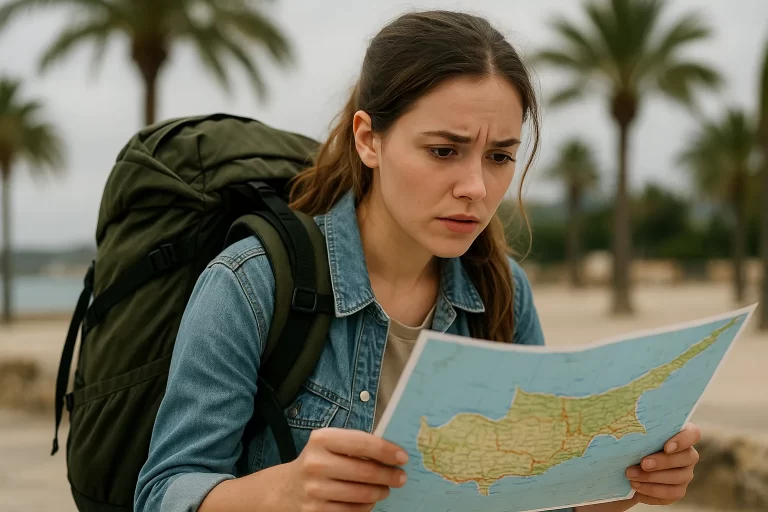
Start With Official Advisories — But Don’t Stop There
Government travel advisories are a solid starting point. The U.S. State Department’s Travel Advisories page covers every country in the world and is updated regularly. The UK’s FCDO offers similarly detailed guidance. These resources are free, comprehensive, and genuinely useful — but they’re designed to be cautious, and they sometimes paint with a broad brush.
A country-level advisory might say “Exercise Increased Caution” while the specific city you’re visiting is perfectly calm. That’s why reading the full advisory — not just the headline — is so important. Look for the regional breakdowns, the specific types of risks mentioned, and any areas that are explicitly flagged.
Cross-Reference With Experienced Travelers and Operators
After checking official advisories, look at what people who actually travel to these places are saying. Reputable tour operators with years of experience in a region are often the best source of ground-level insight. Travel blogs from writers who have recently visited, community forums, and social media groups focused on specific destinations can all add texture to the picture.
👉 Read also: Hidden Beach Towns & Islands for Young Travelers: Cape Cod, Sanibel Island & Catalina Island (2026)
The goal is triangulation. If the official advisory says “use caution,” a tour operator reports a stable environment, and recent traveler accounts are positive, you’re working with a much clearer picture than any single source could give you.
Understand the Type of Risk
Not all safety concerns are the same. There’s a big difference between petty theft risk (which exists in virtually every tourist destination on earth), political instability, natural disaster risk, health concerns, and violent crime. Understanding what kind of risk a destination carries helps you prepare appropriately rather than either over-reacting or under-preparing.
For example, a destination might have a general advisory due to occasional civil unrest in the capital, while the coastal tourist region you’re planning to visit is completely unaffected. Context is everything.
Have a Plan Before You Arrive
- Know the address and contact details of your country’s embassy or consulate in the destination.
- Share your itinerary with someone at home who can raise the alarm if they don’t hear from you.
- Save emergency numbers locally — not just your home country’s emergency number.
- Have a backup plan for accommodation if your original option falls through.
- Keep digital and physical copies of your important documents in separate places.
Trust Your Instincts on the Ground
No amount of pre-trip research replaces the judgment you’ll develop once you’re actually there. If a situation feels wrong, leave. If a local tells you to avoid a certain area, listen. If a route seems sketchy at the time of day you’re traveling, find an alternative. Your instincts, sharpened by preparation and awareness, are one of your best safety tools.
Where to Find Reliable, Up-to-Date Information
Beyond government advisories, a few key resources are worth bookmarking for any trip you’re planning:
- U.S. State Department Travel Advisories: travel.state.gov — updated regularly, covers every country with detailed regional breakdowns.
- Your own government’s foreign affairs department: Whether you’re British, Australian, Canadian, or from elsewhere, your government publishes similar guidance tailored to your citizenship and the consular support available to you.
- Reputable tour operators in the region: Companies that have been running trips in a destination for years often publish real-time safety updates on their blogs and websites.
- Travel insurance providers: Many insurers have destination risk assessments built into their policies. If a provider won’t cover a destination, that’s meaningful information.
The Bottom Line: Informed Travel Is Confident Travel
Asking whether it’s safe to travel to a destination isn’t a sign of timidity — it’s a sign of intelligence. The travelers who have the best experiences aren’t the ones who ignore risk or the ones who let risk paralyze them. They’re the ones who do the research, make a considered decision, prepare properly, and then go with their eyes open.
Cyprus offers a rich Mediterranean experience with a geopolitical backdrop worth understanding before you arrive. Baja California — particularly the southern half — is a genuinely rewarding destination with a safety profile that’s far more nuanced than the headlines suggest. And whatever destination you’re considering next, the tools to assess it properly are available to you right now, for free, if you know where to look.
Travel isn’t about pretending the world is risk-free. It’s about understanding the world clearly enough to move through it with curiosity, confidence, and the kind of awareness that turns a trip into a story worth telling. Do your research, trust your judgment, and go discover something worth remembering.
This article was produced with AI assistance and reviewed editorially.


Volunteering in Mexico: Finding Authentic Community Work + Where to Base Yourself

Escape Ibiza’s Party Scene: Hidden Beaches, Local Spots & Quieter Things to Do


