
LATAM
Latin America’s Colorful Colonial Cities: Granada, Quito, and Trujillo for Adventurous Travelers
Explore three vibrant colonial cities across Latin America—Granada, Quito, and Trujillo—blending history, culture, and adventure for travelers seeking authentic experienc

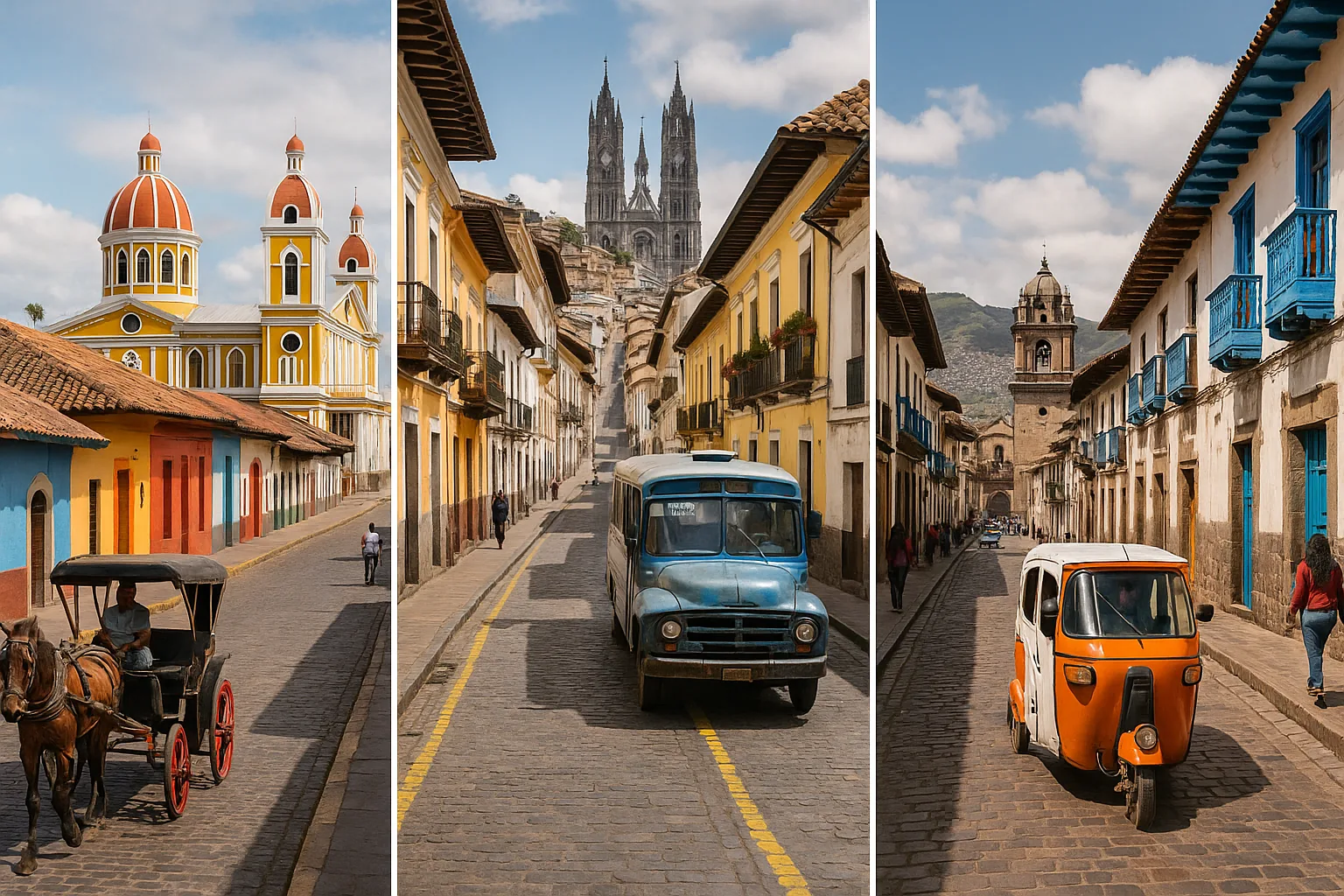
Latin America holds more than 143 UNESCO Heritage Sites, and some of the most magnetic among them are its colonial cities — places where centuries-old cathedrals cast long shadows over cobblestone plazas, and the everyday rhythm of local life unfolds right beside them. If you’re planning a trip through the region and want to go beyond the obvious tourist trail, the colonial cities of Latin America offer something rare: genuine history you can actually feel, neighborhoods worth getting lost in, and a pace that rewards the traveler who sticks around longer than a single afternoon. Granada in Nicaragua, Quito in Ecuador, and Trujillo in Peru are three cities that don’t always top the mainstream bucket lists — and that’s exactly why they’re worth your time.
Granada, Nicaragua: Where Colonial Latin America Feels Most Alive
Walk into Granada’s central plaza on any given morning and you’ll understand immediately why this city stops people in their tracks. Described as one of the oldest cities on the American continent, Granada wears its Spanish colonial heritage openly and without apology. The most iconic image is the cathedral — its vibrant yellow facade rising above the plaza like something out of a painting you’d want to step into. But Granada isn’t a museum. It’s a living, breathing city, and that contrast between the historic and the everyday is what makes it so compelling.
The streets around the central park are lined with low, colorful colonial buildings — deep blues, burnt oranges, dusty pinks — that have been repurposed as guesthouses, coffee shops, and local restaurants. Wander a few blocks from the main square and the tourist infrastructure fades quickly. You’ll find tiendas selling fresh fruit, kids playing football in the street, and families sitting on their doorsteps in the late afternoon heat. This is the part of Granada worth seeking out.
Getting Around and Staying on a Budget
Granada is a genuinely walkable city at its core. The historic center is compact enough that you can cover most of it on foot in a day, though the heat will remind you to pace yourself. For getting out to the surrounding area — like the nearby Isletas de Granada, a cluster of small islands formed by a volcanic eruption centuries ago — you’ll find local boat operators near the waterfront who run affordable tours. Chicken buses, the colorful repurposed American school buses that serve as the backbone of public transport across Central America, connect Granada to nearby towns like Masaya and the capital, Managua, for very little money. They’re chaotic, loud, and completely worth it.
Hostels in Granada tend to be some of the most affordable in Central America. Many are housed in restored colonial buildings, which means you’re sleeping surrounded by the same thick walls and tiled courtyards that have defined the city for centuries. Look for places with rooftop terraces — watching the sun go down over Granada’s rooftops, with the cathedral in the distance, is one of those quiet travel moments that stays with you.
Why You Shouldn’t Rush Through
Granada rewards slow travel. Spend a morning exploring the Convento y Museo San Francisco, one of the oldest churches in Central America, then take an afternoon boat trip through the isletas. In the evening, the central park comes alive with food vendors and locals gathering in the cooler air. If you give Granada two or three days instead of one, you’ll start to feel the city’s rhythm rather than just observe it from the outside.
Quito, Ecuador: A Mountain City That Changes Your Perspective
Quito sits at roughly 2,850 meters above sea level, nestled in a valley in the Andes Mountains, and the altitude hits you before the beauty does. Give yourself a day to acclimatize. Once you do, you’ll realize you’re standing in one of the most extraordinary cities in South America — a UNESCO World Heritage Site with a historic center so well-preserved that walking through it genuinely feels like moving through a different era.
👉 Read also: City Guides for Young Travelers: Buenos Aires, Quito, and Trujillo (Culture, Food & Adventure)
The Historic Centre of Quito is the heart of everything. Plaza Grande anchors the neighborhood, surrounded by the Presidential Palace, the Metropolitan Cathedral, and the Archbishop’s Palace. From there, the streets ripple outward through a dense network of churches, convents, and plazas. La Compañía de Jesús is arguably the most visually dramatic church in all of Latin America — its baroque facade is so intricately carved it looks almost impossible, and the gilded interior is overwhelming in the best possible way. Just around the corner, the Church and Convent of San Francisco offers a quieter, older kind of grandeur.
Going Higher: TelefériQo and El Panecillo
If you want to understand Quito’s geography — and get a view that genuinely takes your breath away — head to the TelefériQo, an aerial cable car that climbs the slopes of Volcán Pichincha to over 4,000 meters. On a clear day, the panorama over the city and the surrounding Andean peaks is extraordinary. It’s also one of those experiences that reminds you how different this part of the world is from anywhere else you’ve been.
Down in the city, El Panecillo — a small hill topped with a massive aluminum statue of the Virgin of Quito — offers another dramatic vantage point over the historic center. It’s best visited in the morning before clouds roll in. Take a taxi up rather than walking; the surrounding area requires some street awareness, and locals will tell you the same.
Quito as a Stopover Strategy
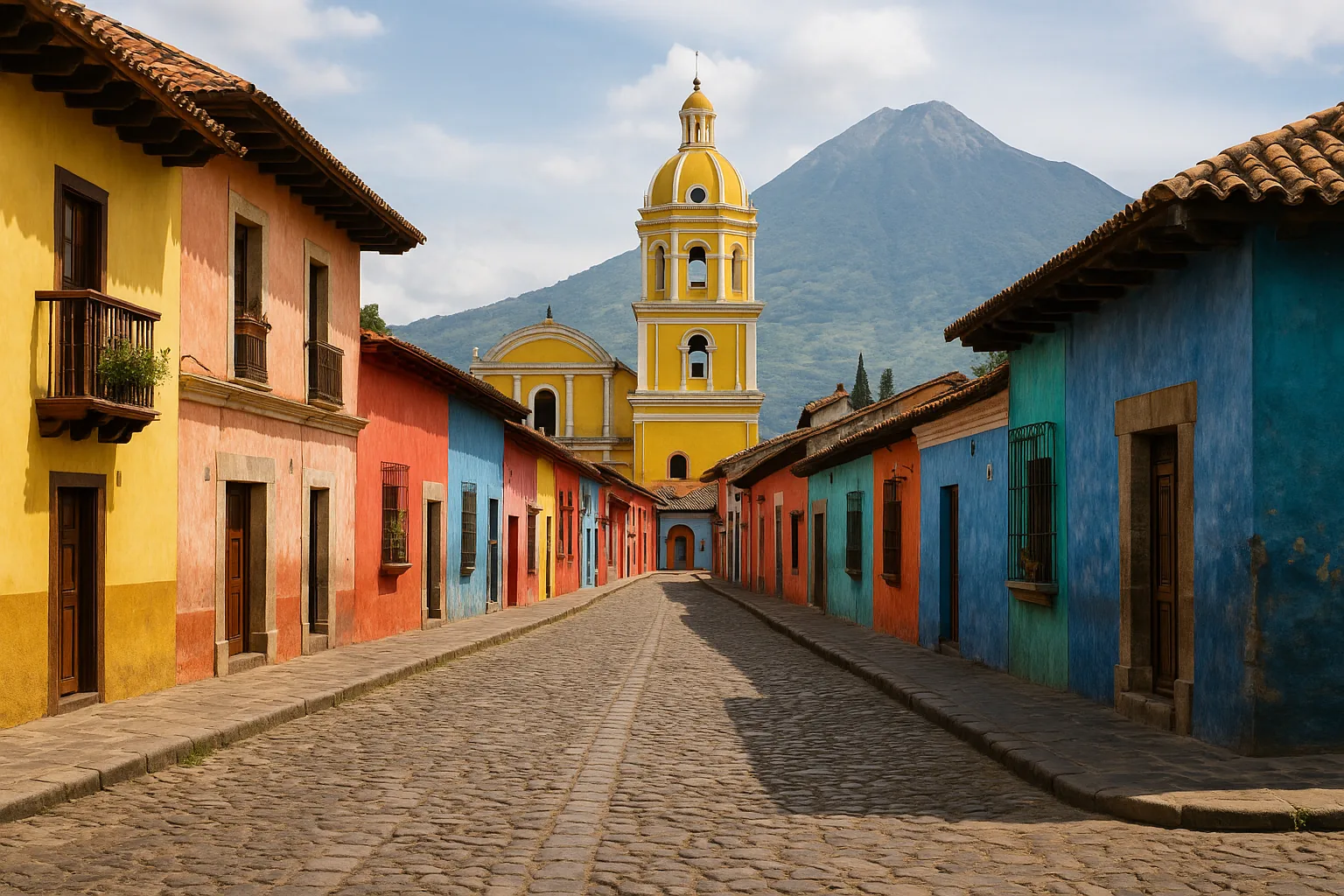
One of the smartest things you can do in Ecuador is use Quito as a genuine base rather than just a gateway. Many travelers rush through on their way to the Galápagos or the Amazon and miss what the city itself offers. But Quito also earns its place as a launchpad. Cotopaxi National Park — home to one of the highest active volcanoes in the world — is accessible as a day trip from the city, and it’s the kind of landscape that makes you feel very small in a very good way. Guided day tours leave regularly and are well-organized even for solo travelers.
For getting around Quito itself, the city has an efficient Ecovía and Metrobús system that connects the historic center to the modern neighborhoods like La Mariscal and La Floresta for next to nothing. Taxis are metered and reasonably priced, and ride-hailing apps work well here too. The La Mariscal neighborhood is where most budget accommodation clusters — you’ll find hostels ranging from basic to genuinely comfortable, often with communal kitchens, rooftop spaces, and the kind of traveler energy that makes it easy to meet people and plan onward adventures together.
Trujillo, Peru: History Deeper Than the Colonial Layer
Most people associate Peru with Cusco and Machu Picchu — and for good reason. But Trujillo, on Peru’s North Coast, offers a different kind of depth. It’s a colonial city in the classic sense — a handsome central plaza, brightly painted buildings, a cathedral that anchors the main square — but what sets Trujillo apart is what lies just outside the city limits. The surrounding desert holds some of the most significant pre-Columbian ruins in all of South America.
The Moche civilization built here long before the Spanish arrived, and their legacy is visible in the massive adobe pyramids known as the Huaca del Sol and the Huaca de la Luna — the Temple of the Sun and the Temple of the Moon. These are not small ruins. The Huaca de la Luna in particular is extraordinary: its walls are covered in intricate painted murals that have survived for over a thousand years, depicting gods, warriors, and ceremonial scenes in vivid reds, yellows, and blacks. Standing in front of them, you’re looking at something that predates the Inca Empire by centuries.
👉 Read also: Granada, Nicaragua: The Colorful Colonial City Young Travelers Are Just Discovering
Chan Chan and the North Coast
A short distance from the Moche sites, Chan Chan is another world entirely. Once the largest pre-Columbian city in South America and the capital of the Chimú Empire, Chan Chan is a vast complex of adobe palaces, ceremonial courts, and reservoirs spread across the desert. It’s also a UNESCO World Heritage Site — and one of the most undervisited ones in the region. Walking through its corridors, with the intricate geometric friezes carved into every wall, you get a sense of how sophisticated these cultures were long before European contact.
Trujillo is also the access point for the North Coast surf scene. The nearby town of Huanchaco — easily reachable by local bus or combi — is a laid-back beach village where fishermen still use traditional caballitos de totora, reed boats that have been used for fishing here for thousands of years. It’s a short ride from the city but feels like a completely different world. Many travelers base themselves in Huanchaco and day-trip into Trujillo, which is a smart strategy if you want beach access alongside your history fix.
Getting Around and Finding a Place to Stay
Trujillo’s city center is walkable, and the main colonial sights — the Plaza de Armas, the cathedral, the historic mansions like Casa Urquiaga — are all close together. For getting out to the ruins and Huanchaco, local combis (shared minibuses) run frequently and cheaply. Taxis are also affordable by most standards, and for the archaeological sites, joining a half-day guided tour from your hostel is often the most efficient option since it combines transport and context.
Budget accommodation in Trujillo is concentrated both in the historic center and in Huanchaco. The center puts you close to the colonial architecture and the city’s nightlife; Huanchaco gives you morning surf and a slower pace. Hostels in both areas tend to be social and well-connected to local tour operators, making it easy to plan excursions without much advance preparation.
What These Three Cities Share — and Why That Matters
Granada, Quito, and Trujillo are very different places. One is in Central America, one sits at altitude in the Andes, and one is a coastal desert city in South America. But they share something important: they reward travelers who actually slow down. Each city has a colonial center that looks beautiful in photographs but feels completely different when you’re sitting in the plaza at dusk, eating street food, watching local life unfold around you.
They’re also each gateways — to volcanoes, to surf beaches, to ancient ruins, to national parks. The colonial architecture is the entry point, not the whole story. And that’s what makes them such good destinations for the kind of travel that actually changes how you see the world.
Latin America’s colonial cities have a way of layering history on top of history — Spanish over indigenous, indigenous over something older still — until you realize you’re not just visiting a pretty city. You’re standing inside a story that’s still being written. UNESCO’s World Heritage List gives you the official inventory, but the real reason to go is simpler than that: these are places that get under your skin in the best way, and you’ll find yourself thinking about them long after you’ve moved on to wherever comes next.
This article was produced with AI assistance and reviewed editorially.


Cusco and Peru’s Sacred Valley: Choosing the Right Hostel for Your Altitude Adventure

Colombia’s Caribbean Coast: Hostels, Beaches, and Adventures in Tayrona and the Rosarios Islands


