
Asia
Sri Lanka Backpacking Guide: Routes, Hostels & Local Experiences
Discover the best backpacking routes in Sri Lanka, from Colombo to Mirissa. Find hostel recommendations, train journeys, tea plantations, and authentic local experiences.

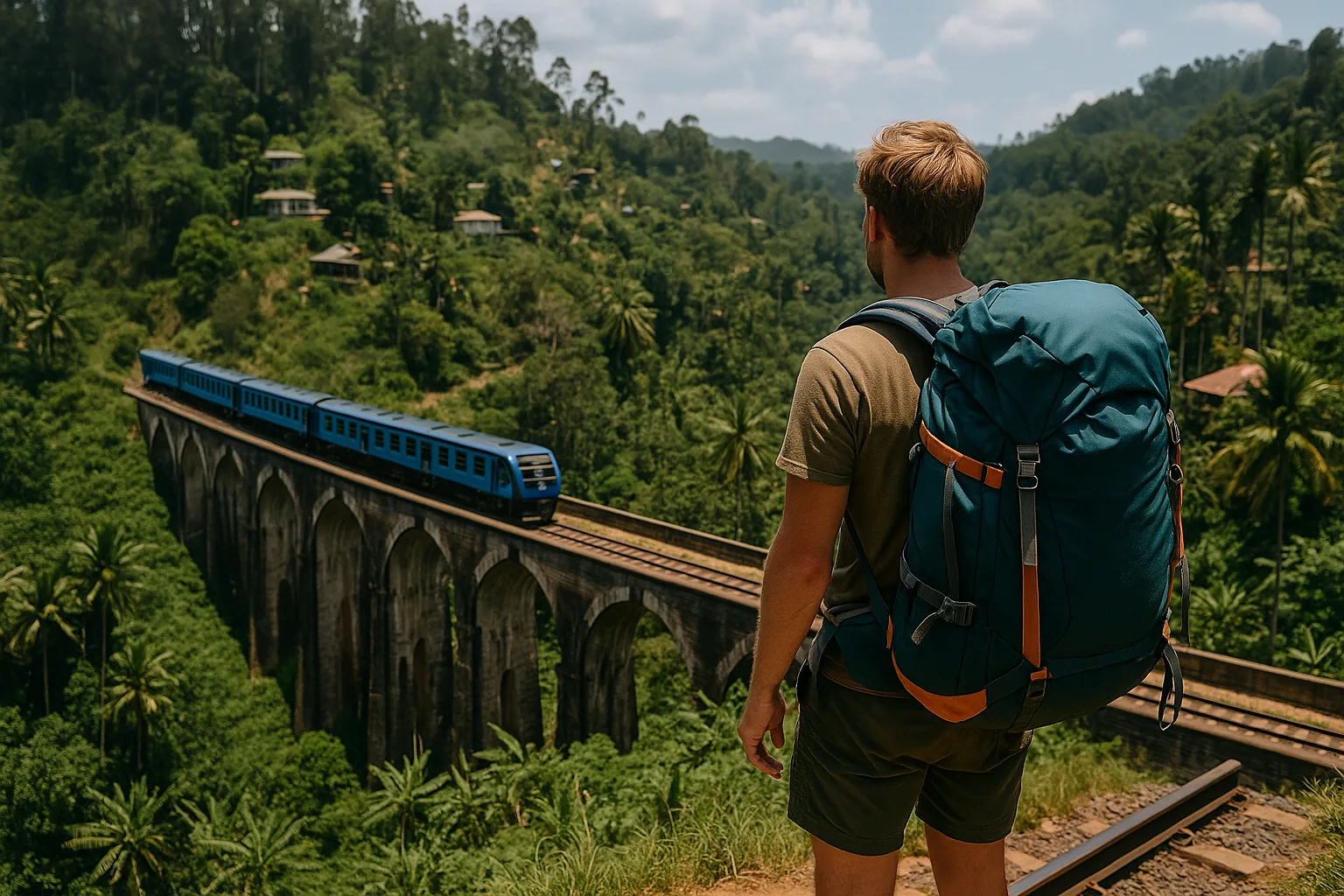
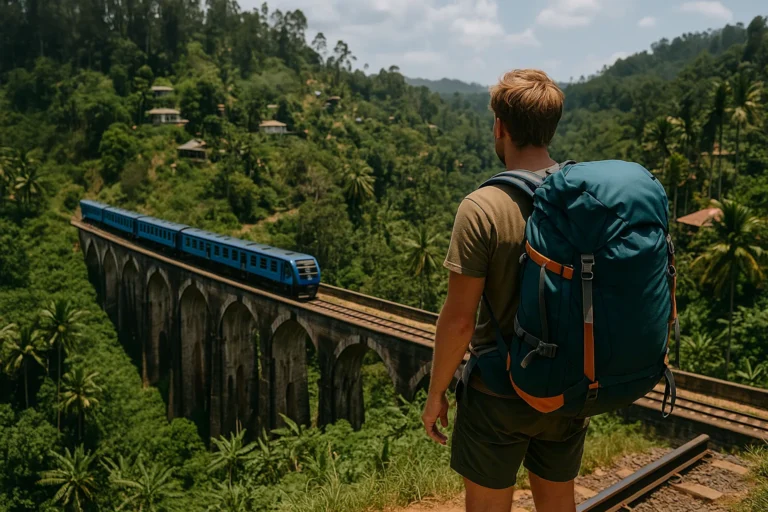
Sri Lanka has a way of getting under your skin. One moment you’re watching the sun rise over mist-covered mountains, the next you’re eating a curry so good you forget your own name, and by evening you’re falling asleep to the sound of waves on a beach that feels like it belongs to you alone. Backpacking Sri Lanka is one of those experiences that rewards the curious, the spontaneous, and the genuinely adventurous — and right now, in late 2026, it’s still one of the most accessible, diverse, and genuinely exciting destinations in Asia for young travellers on a budget.
Why Sri Lanka Deserves a Spot on Your Route
Let’s be honest — Southeast Asia gets a lot of the backpacker spotlight. Thailand, Vietnam, Indonesia. They’re all incredible. But Sri Lanka offers something quietly different: an island that packs ancient temples, misty highlands, colonial port towns, surf beaches, and wildlife reserves into a space roughly the size of Ireland. You can cover a remarkable amount of ground in two to four weeks, depending on your pace, and every day feels genuinely different from the last.
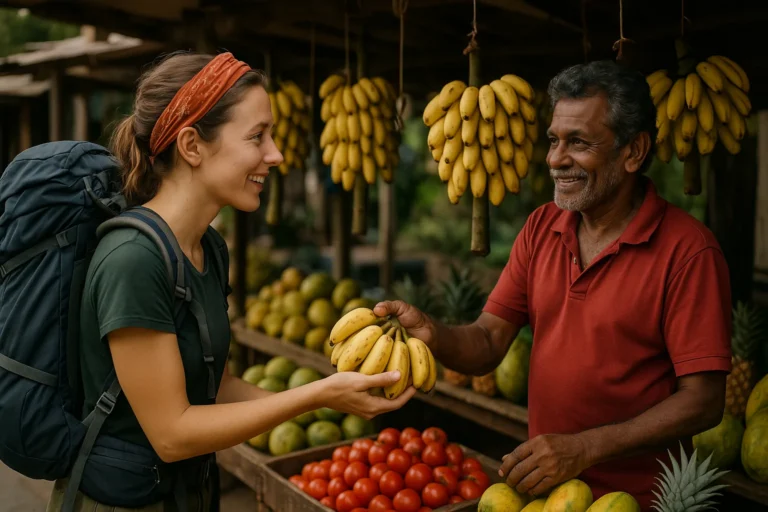
The people are a big part of it too. Sri Lankans are famously warm and curious about visitors, and if you travel slowly and stay in locally-run guesthouses and hostels, you’ll find yourself invited into conversations, kitchens, and sometimes entire families’ lives. That’s the kind of travel that sticks with you.
The country also punches well above its weight culturally. You’ve got eight UNESCO World Heritage Sites, a cuisine that deserves far more international attention than it gets, a train network that passes through some of the most dramatic scenery on the planet, and a coastline that shifts character completely depending on which side of the island you’re on. For backpackers who want depth alongside adventure, Sri Lanka is hard to beat.
The Classic Backpacking Sri Lanka Route
Most backpackers follow a well-worn but genuinely rewarding loop that takes in the best of the island without too much doubling back. The classic route runs roughly Colombo → Kandy → Ella → Mirissa, often with Galle added at the end before flying home. It’s popular for a reason — it balances culture, nature, and beach time in a logical progression — but there’s plenty of room to make it your own.
Colombo: Start Here, Don’t Rush Through
A lot of travellers treat Colombo as a transit point, arriving, dropping their bags, and jumping on the first train north. That’s a mistake. The capital is a genuinely fascinating city — a layered mix of colonial architecture, buzzing street markets, modern cafés, and neighbourhoods where the pace of life feels completely unhurried. Spend at least two full days here. Walk through Pettah, the city’s chaotic and colourful market district. Grab a kottu roti from a street stall. Watch the sunset from the Galle Face Green promenade, where locals come to fly kites and eat corn on the cob from vendors who’ve been doing this for generations.
Colombo is also where you’ll sort your logistics — local SIM card, some Sri Lankan rupees, and a rough sense of your onward journey. Hostels here tend to be social and well-connected, making it easy to meet other travellers heading in the same direction.
Kandy: Culture, Temples, and the Gateway to the Hills
From Colombo, most backpackers head to Kandy — Sri Lanka’s cultural heartland and the last royal capital of the ancient kings. The city sits around a beautiful lake and is home to the Temple of the Sacred Tooth Relic, one of the most important Buddhist pilgrimage sites in the world. Even if you’re not religious, arriving at the temple during an evening puja ceremony — with drumming, chanting, and clouds of incense — is one of those experiences that stays with you.
Beyond the temple, Kandy rewards slow exploration. The surrounding hills are dotted with botanical gardens, viewpoints, and smaller temples that most visitors never find. It’s also the starting point for what many backpackers describe as one of the most scenic train journeys they’ve ever taken.
The Train to Ella: One of the World’s Great Rail Journeys
If you do one thing in Sri Lanka, make it the train journey from Kandy to Ella. This isn’t marketing copy — it genuinely is extraordinary. The train winds through the central highlands, climbing through tea plantations, crossing narrow viaducts over deep valleys, and passing through small stations where vendors sell vadai and fresh pineapple through the windows. The journey takes several hours, and most backpackers book a seat in third class — not because it’s cheaper (though it is), but because the open doors and windows give you an unobstructed view of the landscape rolling past.
👉 Read also: Sri Lanka Solo: Backpacking Routes, Hostels & Local Spots Worth Your Time
Book your tickets as early as you can, especially if you want a reserved seat. The trains fill up, particularly during peak season. But even if you end up standing in the doorway, watching the mist curl over the tea fields, you won’t regret it for a second.
Ella: Hiking, Highlands, and Slowing Down
Ella is small, but it has a magnetic quality that keeps backpackers here longer than they planned. The village sits at altitude, surrounded by hills covered in tea plantations, and the air actually feels different — cooler, cleaner, and quieter than the coast. The main street is lined with guesthouses, cafés, and small restaurants, and the whole place has the kind of relaxed energy that makes it easy to lose a few days.
The hiking here is genuinely rewarding. Little Adam’s Peak is an accessible morning hike with sweeping views over the valley, and the trail to Ella Rock is longer and more demanding but worth every step. If you want to understand what makes Sri Lanka’s central highlands so special, walking through the tea plantations at dawn — when the mist is still low and the pickers are starting their day — gives you a sense of the landscape and the lives within it that no viewpoint photo can capture.
Tea culture is woven into the fabric of this region. Many guesthouses and small factories offer informal tours where you can learn how the leaves are processed, from withering through rolling and drying to the final sorting. It’s genuinely interesting, and the tea you drink at the end tastes completely different from anything you’ll find in a supermarket back home.
The South Coast: Galle, Mirissa, and Beyond
After the highlands, most backpackers make their way down to the south coast — and the transition is striking. Within a few hours, you’ve gone from cool mountain air to tropical heat, from tea fields to palm trees, from hiking boots to flip-flops.
Galle: Where History Meets the Indian Ocean
Galle is one of the most atmospheric towns in Sri Lanka. The old Dutch fort — a UNESCO-listed colonial landmark — sits on a headland surrounded by the Indian Ocean on three sides, and its streets are lined with boutique cafés, independent bookshops, and beautifully preserved colonial buildings. It’s the kind of place where you can spend an entire morning just walking the ramparts, watching fishing boats head out to sea, and stopping for coffee in a courtyard that feels like it belongs in another century.
For backpackers, Galle strikes a good balance. There are affordable guesthouses and hostels both inside and just outside the fort walls, and the town has enough going on — local markets, street food, evening cricket on the beach — to keep you engaged without feeling overwhelming. It’s also a convenient base for day trips along the coast.
The hostel scene in Galle and across Sri Lanka’s major backpacker towns has developed significantly in recent years. You’ll find well-run social hostels with dorm beds, common areas where travellers swap route tips, and staff who genuinely know the local area. When choosing where to stay, look for places with strong recent reviews, locally-owned operations, and a community feel — these tend to offer the best combination of value and authentic connection.
Mirissa: Surf, Whales, and Beachside Evenings
From Galle, it’s a short hop along the coast to Mirissa — a crescent-shaped bay that’s become one of Sri Lanka’s most popular beach destinations for backpackers. The beach itself is beautiful, but what makes Mirissa special is the combination of things you can do here. Surf in the morning, eat fresh seafood for lunch, take a whale-watching boat out in the afternoon (the waters off the south coast are one of the best places in the world to spot blue whales), and watch the sun go down from a beachside spot in the evening.
The food scene along the south coast is one of Sri Lanka’s great pleasures. Local restaurants serve rice and curry — not one curry but a spread of small dishes, each with a different flavour profile — alongside fresh grilled fish, hoppers (bowl-shaped fermented rice pancakes that are deeply addictive), and coconut-based dishes that reflect the coastal landscape. Eating where the locals eat, at simple places with plastic chairs and handwritten menus, is almost always the right call.
👉 Read also: Sri Lanka's Best Backpacking Routes: Where to Go & What to Skip in 2026
The East Coast and North: Sri Lanka’s Other Side
Many backpackers stick to the classic western and southern route, but Sri Lanka’s east coast and northern regions offer a completely different experience — and are best visited between May and September, when the weather is more reliable on that side of the island.
Arugam Bay on the east coast is a legendary surf destination with a laid-back, end-of-the-world vibe that attracts travellers who want to slow down completely. The waves are genuinely world-class, but even if you don’t surf, the bay has a magnetic quality — cheap guesthouses, fresh seafood, and a community of long-term travellers and locals who’ve built something quietly special here.
The north, centred around Jaffna, is a region with a distinct Tamil cultural identity, extraordinary Hindu temples, and a history that makes it one of the most thought-provoking places to travel in the country. It’s less visited than the south, which means you’ll often feel like you’re genuinely discovering something rather than following a well-worn path.
Practical Things Worth Knowing Before You Go
Timing matters in Sri Lanka more than in many destinations. The island has two distinct monsoon seasons that affect different coasts at different times. The west and south coast, along with the hill country, are best visited between December and April. If you’re planning to explore the east coast or the north, aim for May through September instead. Travelling in the wrong season doesn’t make a trip impossible, but it can mean heavy rain and rougher seas that limit what you can do.
Getting around is part of the adventure. The train network is the most scenic and often the most enjoyable way to travel between major destinations, but buses are faster for some routes and incredibly cheap. Tuk-tuks are everywhere for short distances, and renting a scooter gives you the freedom to explore at your own pace — just be comfortable with the driving conditions before you commit to it.
Sri Lanka requires a tourist visa for most nationalities, which you can apply for online before you travel. It’s straightforward and worth sorting well in advance. The official Sri Lanka Electronic Travel Authorization (ETA) portal is the legitimate place to apply — avoid third-party sites that charge inflated fees for the same service.
Respect for local customs goes a long way. Sri Lanka is a predominantly Buddhist country, and temples require you to remove shoes and cover your shoulders and knees. Dress modestly when you’re away from the beach, and you’ll find that people respond to you with warmth and openness. Small gestures of cultural awareness make a real difference to how your trip feels — and how you’re received.
Connecting with Sri Lanka Beyond the Tourist Trail
The most memorable moments in Sri Lanka rarely happen at the famous sights. They happen when you accept an invitation to eat with a family, when you get genuinely lost in a town that doesn’t appear on the tourist map, or when you spend an afternoon helping out at a local project and end up staying for dinner.
Look for community-based tourism initiatives, cooking classes run by local families, and volunteer opportunities that are genuinely useful rather than performative. Travel slowly enough to have conversations. Learn a few words of Sinhala or Tamil — even a basic greeting will open doors and earn you smiles in a way that nothing else can.
Sri Lanka rewards travellers who are curious, patient, and willing to step slightly off the obvious path. The classic route — Colombo, Kandy, Ella, the south coast — is classic for good reason, and you should absolutely do it. But leave room for detours. Leave room for the unexpected guesthouse recommendation, the local festival you stumbled into, the viewpoint that doesn’t appear in any guide but that a tea picker pointed you toward on a Tuesday morning. Those are the stories you’ll still be telling years from now — and that’s exactly what backpacking Sri Lanka, at its best, is all about.
This article was produced with AI assistance and reviewed editorially.


Almaty & Tashkent: Central Asia’s Modern Cities Beyond the Silk Road Clichés

Stay Smart in Asia: Budget Accommodation in Osaka, Kyoto & Kuala Lumpur 2026


