
Asia
Hat Yai & Songkhla: Southern Thailand’s Underrated Alternatives to Phuket
Discover Hat Yai and Songkhla, Thailand’s underrated southern alternatives to Phuket. Explore local markets, street food, temples, and genuine Thai-Malay culture.

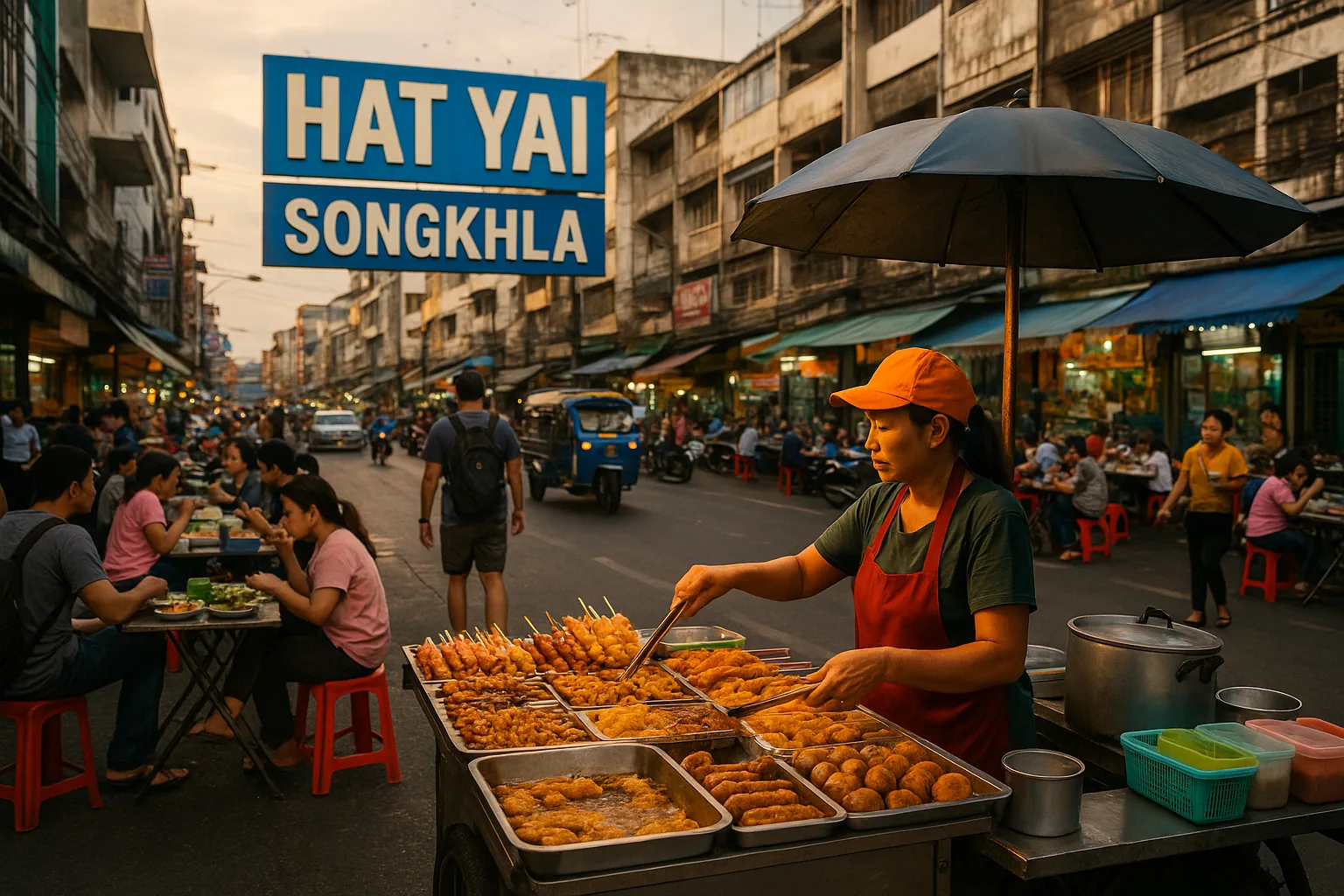
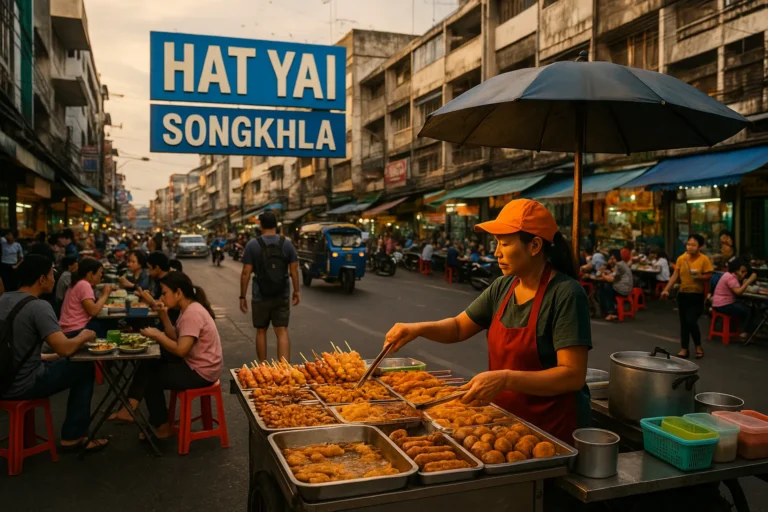
Most travelers passing through southern Thailand treat Hat Yai and Songkhla as nothing more than a stopover — a place to grab a meal, catch a connecting bus, and move on. That’s a genuine shame, because this corner of Hat Yai, Songkhla, Thailand holds some of the most authentic, unfiltered experiences you’ll find anywhere in the country. No overpriced cocktail bars, no crowded beach clubs, no Instagram queues. Just real Thai-Malay culture, incredible food, and the kind of slow, curious wandering that actually stays with you.
Why Southern Thailand’s Forgotten Cities Deserve More Than a Transit Stamp
Phuket gets the postcards. Koh Samui gets the influencer shots. But Hat Yai and Songkhla get the locals. And honestly? That’s the better deal. These two cities sit close together in Songkhla Province — Songkhla is just 30 kilometres from Hat Yai — which means you can explore both without burning through your travel budget on long journeys between stops.
The region has a fascinating cultural identity that you won’t find further north. Southern Thailand sits at the crossroads of Thai, Chinese, and Malay influences, and that mix shows up in the architecture, the food, the festivals, and the way people live. Walking through these cities feels like discovering a place that hasn’t been packaged for outsiders yet — and that’s exactly what makes it worth your time.
If you’re on a longer Southeast Asia trip, or if you’re heading between Thailand and Malaysia by land, this is the stretch of the journey most people sleep through. Don’t. Give yourself at least three or four days here, and you’ll leave with stories that none of your friends who went to Phuket will have.
Exploring Hat Yai: More Than a Transit Hub
Hat Yai is the beating heart of southern Thailand’s transport network. It’s a mandatory transit point for anyone travelling overland toward Malaysia, which means its train station and bus terminals see a constant flow of backpackers, traders, and commuters. Most of them don’t stop long enough to look up from their phones. You should be different.
The city itself is dense, energetic, and unapologetically commercial — but beneath the surface, it has real character. The streets around the central market areas fill up in the evenings with food vendors, and the atmosphere shifts from daytime hustle to something warmer and more communal as the sun goes down. Street food is everywhere, and it tends to be cheaper and more varied than what you’d find in tourist-heavy areas further south. Expect a lot of Muslim-influenced southern Thai cooking alongside Chinese-style dishes — dim sum, braised meats, noodle soups — reflecting the city’s multicultural roots.
One of the most rewarding things you can do in Hat Yai is take the cable car up to Hat Yai Municipal Park. It sounds like a tourist trap, but it genuinely isn’t. The hilltop gives you a sweeping view over the city that puts its scale into perspective — you realise just how much is going on down there. The park itself is home to temples, a standing Buddha complex, and a planetarium, and it has a peaceful, unhurried energy that feels like a world away from the traffic below. Go in the late afternoon if you can, when the light is softer and the heat has eased a little.
The city’s markets are worth exploring on foot rather than with a fixed plan. Wander in, follow your nose, and let yourself get a little lost. That’s where you’ll find the best food, the most interesting conversations, and the kind of spontaneous moments that make a trip memorable. If you’re visiting on a weekend, the evening market scene tends to be especially lively, with locals out in force and vendors setting up well into the night.
Practical Notes for Getting Around Hat Yai
- Motorbike taxis are the fastest and cheapest way to move short distances — agree on a price before you get on.
- Songthaews (shared pickup trucks) run fixed routes and are great value if you can figure out which one you need.
- The city centre is walkable in the cooler parts of the day, but the midday heat is serious — plan accordingly.
- Most guesthouses and local hotels are clustered near the train station and central market area, making it easy to explore on foot from your base.
Songkhla Old Town: Where the Walls Tell Stories
If Hat Yai is the region’s commercial engine, Songkhla is its soul. The old town — sometimes referred to in connection with the Khao Tang Kuan hill area — is one of the most visually striking neighbourhoods in all of southern Thailand. Traditional Chinese shophouses line the streets, their faded pastel facades decorated with intricate details that speak to the waves of Chinese migration that shaped this part of the country over centuries.
👉 Read also: Hidden Gems in Southeast Asia: Vung Tau, Hat Yai & Thailand's Underrated South
In recent years, colourful wall murals have appeared across the old town, turning an already photogenic neighbourhood into something even more vibrant. But unlike some mural projects that feel forced or touristy, Songkhla’s art feels integrated into the community. The murals celebrate local life, history, and culture, and they’re scattered through streets where people still actually live and work — not in a sanitised heritage zone set aside for visitors.
Walking the old town is the main event here. There’s no single must-see monument that you queue for and tick off. Instead, the experience is cumulative — a carved doorway here, a glimpse into a temple courtyard there, the smell of incense mixing with coffee from a shophouse café. Give yourself a full morning or afternoon with no fixed agenda, and let the neighbourhood reveal itself at its own pace.
Songkhla also has its own quirky claim to fame: a local version of the Little Mermaid statue, inspired by the famous Copenhagen original. It sits near the waterfront and has become a beloved local landmark — slightly unexpected, entirely charming, and a good reminder that this city has its own sense of humour about itself.
Getting Out on the Water: Koh Yo and Songkhla Lake
One of the most rewarding half-day trips from Songkhla is a visit to Koh Yo, a small islet sitting in the middle of Songkhla Lake. The island is known for two things: fresh fish and scenic stilt houses that stretch out over the water. It’s the kind of place where lunch is the point — you eat what was caught that morning, sitting somewhere with a view of the lake, and everything feels very simple and very right.
Koh Yo is also known for its locally woven cotton fabric, which has its own distinct patterns and has been produced on the island for generations. If you’re someone who likes to bring back something genuinely local rather than a mass-produced souvenir, this is worth knowing about. The fabric is sold in small shops around the island, and watching it being made on traditional looms is a fascinating glimpse into a craft that’s been passed down through families.
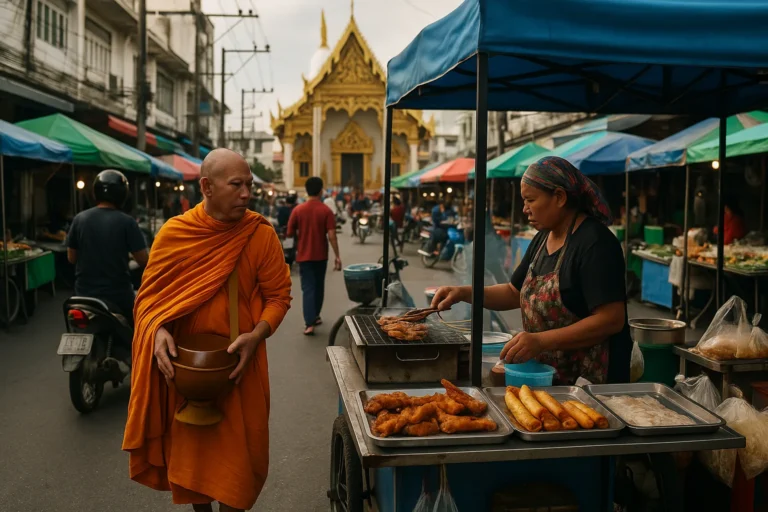
Getting to Koh Yo is straightforward — it’s connected to the mainland by a bridge, so you can reach it by motorbike taxi or songthaew from Songkhla. The drive itself is scenic, with the lake stretching out on either side as you cross over.
The Hat Yai–Songkhla–Malaysia Connection
One of the most practical reasons to spend time in this part of Hat Yai, Songkhla, Thailand is its position as a genuine crossroads. Hat Yai functions as a mandatory transit hub for overland travel between Thailand and Malaysia, with regular train and bus connections running south toward Penang, Kuala Lumpur, and beyond. This makes it a natural place to break a longer journey — and once you’re here, you might as well make the most of it.
The border crossing experience from this region is generally smooth and well-organised compared to some of the more remote crossings further west. If you’re planning to cross into Malaysia, Hat Yai’s transport links give you plenty of options in terms of timing and route. Trains from Hat Yai station connect to the Malaysian rail network, while buses offer a more flexible and often cheaper alternative.
For travelers doing a longer loop through Southeast Asia, this region makes a logical pivot point. You can come down from Bangkok or Chiang Mai, spend a few days exploring Hat Yai and Songkhla, and then continue south into Malaysia with a genuine sense of having experienced something most people skip entirely. That’s a satisfying feeling.
👉 Read also: Southeast Asia's Underrated Coastal Towns: Vung Tau, Hat Yai & Beyond
Food, Culture, and the Art of Eating Like a Local
Southern Thai food is its own distinct cuisine, and Hat Yai and Songkhla are among the best places to experience it. The cooking here is spicier, richer, and more complex than what you’ll find in the tourist-facing restaurants of the resort islands. It draws on Malay, Chinese, and Indian influences in ways that create flavour combinations you won’t encounter anywhere else in the country.
Look out for khao yam, a rice salad mixed with dried shrimp, toasted coconut, and fresh herbs that’s a staple of southern Thai breakfasts. Roti — the flaky, pan-fried flatbread with roots in Indian and Malay cooking — is everywhere, served sweet with condensed milk or savoury alongside a curry. Southern-style curries tend to be thinner and more intensely spiced than their central Thai counterparts, with a depth of flavour that comes from long cooking and generous use of turmeric and dried spices.
The best way to eat here is the same as anywhere in Southeast Asia: go where the locals go, eat what’s being cooked fresh in front of you, and don’t overthink it. Morning markets are particularly good for breakfast, with vendors setting up early and packing up before the midday heat kicks in. Evening markets offer a different energy — more social, more varied, and often more adventurous in terms of what’s on offer.
For accommodation, the area around Hat Yai’s central district has a good range of guesthouses and local hotels that cater to budget-conscious travelers. You don’t need to spend much to sleep comfortably here — the city’s infrastructure is built around transit travelers and regional visitors rather than international resort tourism, which keeps prices sensible. Songkhla’s old town also has a handful of characterful guesthouses in converted shophouses, which are worth seeking out if you want to stay somewhere with genuine atmosphere.
When to Go and What to Expect
Southern Thailand’s weather patterns are a little different from the rest of the country. The Gulf Coast side — where Songkhla and Hat Yai sit — tends to receive its heaviest rainfall between October and January, while the Andaman Coast (where Phuket is) gets wetter from May to October. This means that when the west coast is soaked in, the east side can still offer reasonable weather, and vice versa.
The most comfortable time to visit Hat Yai and Songkhla is generally between February and May, when humidity is lower and rainfall is less frequent. That said, the region is worth visiting year-round — a bit of rain doesn’t dampen the food scene, the old town walks, or the cultural experiences that make this place special. Just pack a light rain jacket and embrace the unpredictability.
Southern Thailand’s festival calendar reflects the region’s multicultural character. Chinese New Year brings vibrant celebrations to Hat Yai’s Chinese community, with street performances and temple activities that are genuinely spectacular to witness. Muslim festivals like Hari Raya are observed widely in the region, offering another window into the area’s layered cultural identity. Check local event listings closer to your travel dates for specific events happening during your visit — the mix of cultures means there’s almost always something going on.
Making the Most of Your Time Between Two Cities
The short distance between Hat Yai and Songkhla — just 30 kilometres — means you can easily base yourself in one city and day-trip to the other, or split your time between both. If you’re only here for two or three days, basing yourself in Hat Yai makes logistical sense given its transport connections. If you have more time and want a quieter, more atmospheric base, Songkhla’s old town is hard to beat.
A good rough itinerary might look like this: arrive in Hat Yai, spend your first day getting oriented and exploring the city on foot, take the cable car up to the municipal park in the late afternoon, then spend the evening in the market areas. On day two, head to Songkhla for the old town walk and a trip out to Koh Yo for lunch. Day three can be more spontaneous — revisit anything that caught your attention, explore a neighbourhood you haven’t seen yet, or simply sit in a shophouse café and watch the city move around you. For more detailed practical guidance on the region, the Indie Traveller’s dedicated guide is a solid resource to bookmark before you go.
The truth about Hat Yai and Songkhla is that they reward curiosity more than planning. The more you’re willing to wander without a fixed destination, the more the place opens up. That’s the kind of travel that stays with you — not the carefully curated highlight reel, but the unexpected conversation with a tea shop owner, the alleyway that turns out to be full of street art, the fish lunch on a lake island that you almost skipped. Southern Thailand’s underrated cities are full of those moments. You just have to show up and pay attention.
This article was produced with AI assistance and reviewed editorially.


Almaty & Tashkent: Central Asia’s Modern Cities Beyond the Silk Road Clichés

Stay Smart in Asia: Budget Accommodation in Osaka, Kyoto & Kuala Lumpur 2026


