
Nicaragua
Granada, Nicaragua: The Colonial City That Feels Like Stepping Into a Postcard
Discover Granada, Nicaragua’s colorful colonial streets, vibrant architecture, and authentic local experiences. Explore neighborhoods, food, stays, and day trips.

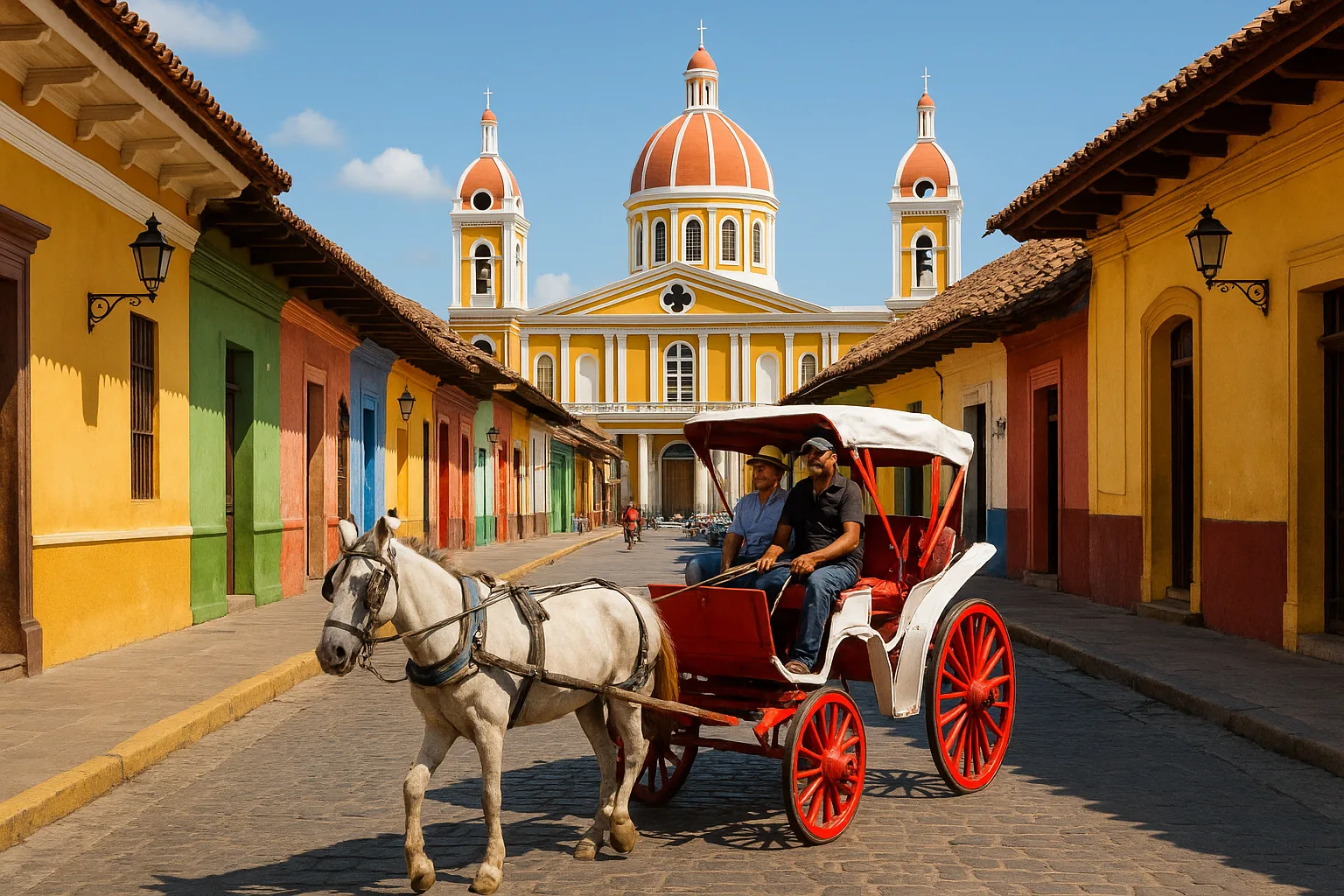
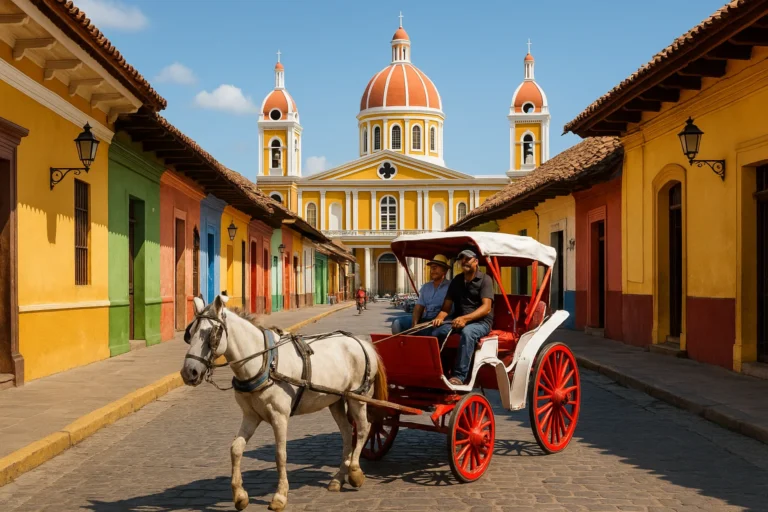
There are cities that greet you like an old friend — warm, unhurried, and full of stories they’re ready to share. Granada, Nicaragua is exactly that kind of place. Clinging to the northwestern shores of Lago Cocibolca — Lake Nicaragua — this almost 500-year-old colonial city moves at a pace that feels almost rebellious in the best possible way. Horse-drawn carriages roll over cobblestone streets, rainbow-tinted facades catch the afternoon light, and the air carries the faint scent of street food and tropical flowers. If you’re the kind of traveler who wants to feel a destination rather than simply photograph it, Granada belongs on your radar.
A City Built on Centuries of History
To really appreciate Granada, it helps to understand just how much history has soaked into its walls. Hernández de Córdoba founded the city in the early 16th century, naming it after the ancient Spanish city of Granada back in his homeland. That founding moment set the tone for everything that followed — a city shaped by European ambition, indigenous resilience, and a geography that made it one of Central America’s most strategically significant settlements.
Walk through the main square and you’re standing on ground where empires competed and rebels made declarations. William Walker, the American filibuster who briefly seized control of Nicaragua in the 1850s, was sworn in as President of Nicaragua at a site right here in Granada’s central park. The square has witnessed coronations, conflicts, and centuries of ordinary daily life layered on top of each other. That kind of depth is rare, and you feel it.
One of the most compelling stops for anyone curious about the city’s past is the building that was first constructed by Franciscan monks in 1529. Today it houses a museum dedicated to detailing the lives of the indigenous people who called this region home long before any colonial flag was planted. It’s the sort of place that quietly reframes everything you thought you knew about the story of Central America.
Then there’s Casa de los Leones, a colonial-era home originally built by Don Diego de Montiel, once the Governor of Costa Rica. The building has been transformed into an international cultural centre, hosting art exhibitions, performances, and community events. Walking through it feels like moving through time — the architecture is unmistakably colonial, but the energy inside is alive and contemporary.
What Granada Actually Looks Like (and Why It Stops You in Your Tracks)
No description of Granada, Nicaragua does the city full justice, but here’s an attempt. Imagine streets narrow enough that you can almost touch the walls on both sides, paved with uneven cobblestones that have been worn smooth by centuries of footsteps. Above you, terracotta-tiled roofs slope gently in the heat. And stretching along every block, facades painted in shades of mustard yellow, coral, sky blue, sage green, and deep terracotta — colors so vivid they look almost fictional in the midday sun.
The Cathedral of Granada anchors the skyline with its bright yellow exterior, visible from almost anywhere in the city centre. It’s the kind of landmark that appears in your peripheral vision constantly, orienting you as you wander. Postcard cathedrals is exactly the right phrase — except standing in front of it, the scale and the silence around it feel nothing like a postcard. They feel real and a little overwhelming in the best way.
The horse-drawn carriages are not a tourist gimmick. They’re a genuine part of how the city moves, clattering along the cobblestones with a rhythm that becomes the city’s unofficial soundtrack. Taking a carriage ride isn’t about ticking a box — it’s about slowing down enough to actually see the streets at the pace they were designed for.
👉 Read also: Latin America's Colonial Gems: Granada, Quito & Beyond for Culture-Hungry Travelers
The Lake That Changes Everything
Lago Cocibolca — Lake Nicaragua — is not just a backdrop. It’s one of the reasons Granada exists where it does, and it’s one of the most compelling reasons to spend more than a day or two here. This is the world’s twentieth largest lake, a freshwater body so vast that it feels oceanic when you’re standing at its edge. The horizon disappears into water, and on clear days, distant volcanic islands emerge from the haze like something from a dream.
The lake is also one of the Americas’ prime destinations for outdoor activities. Kayaking through the Las Isletas archipelago — a cluster of small islands formed by an ancient volcanic eruption — is one of those experiences that stays with you. Each island has its own character: some are home to local families, others to wildlife, a few to small guesthouses or private retreats. Paddling between them at your own pace, with birds overhead and the volcano of Mombacho visible on the horizon, is genuinely one of Central America’s great quiet adventures.
The story of Karen Emanuel captures the lake’s magnetic pull perfectly. She visited Granada on vacation and, after spotting an ‘Island for Sale’ sign, ended up purchasing a private island — Jicaro Private Island — which she later developed into a retreat. It sounds like something from a film, but it’s the kind of spontaneous, life-altering decision that Granada has a way of inspiring. The place has a pull that’s hard to explain until you’re standing in it.
Where to Stay: Finding Your Base in Granada
Accommodation in Granada ranges from budget-friendly guesthouses tucked into colonial buildings to more considered boutique stays. The city’s compact centre means that wherever you base yourself, you’re unlikely to be far from the action. That said, location matters in a city where the experience is largely about wandering — staying close to the main square puts you at the heart of everything.
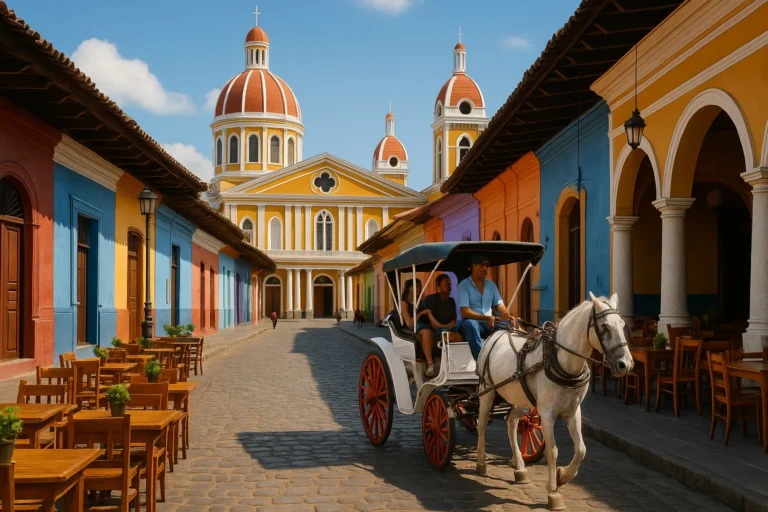
Tribal Hotel, located just two blocks from the city’s main square and central park, is one of the most talked-about places to stay in the city. It combines the bones of a colonial building with a design sensibility that feels contemporary and considered. Staying somewhere like this isn’t just about having a comfortable bed — it’s about being immersed in the architecture and atmosphere of the city from the moment you wake up.
For something more remote and extraordinary, Jicaro Private Island on Lake Nicaragua offers a completely different kind of stay — one where the lake itself becomes your immediate environment. It’s a splurge, but the experience of sleeping on an island in the middle of one of the world’s largest lakes, with Granada’s colonial skyline visible across the water, is the kind of memory that doesn’t fade.
Budget travelers will find plenty of options in the city’s colonial guesthouses and hostales, many of which occupy beautifully preserved buildings with interior courtyards. These aren’t just places to sleep — they’re part of the experience. Look for places with open-air common areas where you can meet other travelers over a cold drink in the evening.
Eating Your Way Through a Colonial City
Granada’s food scene rewards curiosity and a willingness to follow your nose rather than a list. The city’s market is the place to start if you want to eat the way locals actually eat — freshly made gallo pinto (rice and beans, the cornerstone of Nicaraguan cooking), vigorón (a street food dish of yuca, pork rinds, and cabbage slaw), and fresh fruit drinks that taste nothing like anything you’d find in a bottle.
👉 Read also: Latin America's Colorful Colonial Cities: Granada, Quito, and Trujillo for Adventurous Travelers
The streets around the central park come alive in the evening with food stalls and open-air restaurants. Grab a table outside, order something grilled, and watch the city settle into its nighttime rhythm. Granada doesn’t have a frenetic nightlife scene — and that’s part of its appeal. The evenings here are social and unhurried, built around conversation and food rather than noise.
Cafés scattered through the colonial streets offer strong Nicaraguan coffee, which is worth seeking out on its own terms. Nicaragua produces some genuinely excellent coffee, and drinking a cup in a courtyard surrounded by bougainvillea is one of those simple pleasures that feels disproportionately good. Don’t rush it.
Day Trips Worth Building Your Itinerary Around
Granada works brilliantly as a base for exploring the surrounding region. Volcán Mombacho, the dormant volcano visible from the city, offers hiking trails through cloud forest and views across the lake that are worth every step of the climb. The contrast between the colonial city below and the wild, green landscape of the volcano is striking — it’s a reminder that Nicaragua is a country of extraordinary natural variety.
The Las Isletas archipelago, already mentioned in the context of kayaking, can also be explored by boat tour. Local guides know which islands are home to wildlife, which have small fishing communities willing to chat, and where to find the best spots to watch the sun drop behind the water. A half-day on the lake is one of the most rewarding ways to spend your time here.
Further afield, the city of Masaya — known for its volcanic crater and its craft markets — is an easy trip from Granada. The market at Masaya is one of the best places in Nicaragua to find locally made crafts, textiles, and ceramics. It’s not a tourist trap; it’s a genuine marketplace with deep roots in local artisan traditions. You can visit Barron’s travel feature on Granada for more context on the city’s broader regional appeal.
How to Experience Granada Like You Actually Live There
The best version of Granada is not the one on a tour itinerary. It’s the one you find by walking without a plan, turning down a side street because the colors caught your eye, and ending up somewhere you didn’t expect. The city is compact enough to explore entirely on foot, and its grid-like colonial layout means getting genuinely lost is harder than it sounds — though getting pleasantly sidetracked is almost guaranteed.
Wake up early. The mornings in Granada belong to a different city than the one that exists at noon. The light is softer, the streets quieter, and the cathedral catches the early sun in a way that makes the yellow facade glow almost orange. Grab coffee from a street vendor, find a bench in the main square, and just sit with it for a while. That hour, before the heat builds and the day fills up, is when Granada shows you what it’s really made of.
Talk to people. Granada has a long history of welcoming outsiders — it’s a city that has always existed at a crossroads — and that openness is still present. Whether it’s the owner of the guesthouse where you’re staying, the person selling fruit at the market, or the guide who takes you out on the lake, the connections you make here tend to be genuine. That’s the thing about Granada, Nicaragua that no photograph quite captures: it’s a city that gives back what you put in, and if you arrive curious and open, it will send you home with stories you’ll still be telling years from now.
This article was produced with AI assistance and reviewed editorially.


Teaching English Abroad in 2026: Top Countries, Visa Requirements & Real Salaries

Where to Stay in Latin America’s Top Destinations: Buenos Aires, Bogota & Beyond


