
Asia
Sri Lanka Without the Crowds: 10-Day Itinerary Hitting the Highlights
Plan your Sri Lanka 10 day itinerary to hit Sigiriya, Kandy, Galle, and Ella while avoiding peak season crowds. Budget tips and local transport insights included.

Why Sri Lanka Deserves Ten Days of Your Life
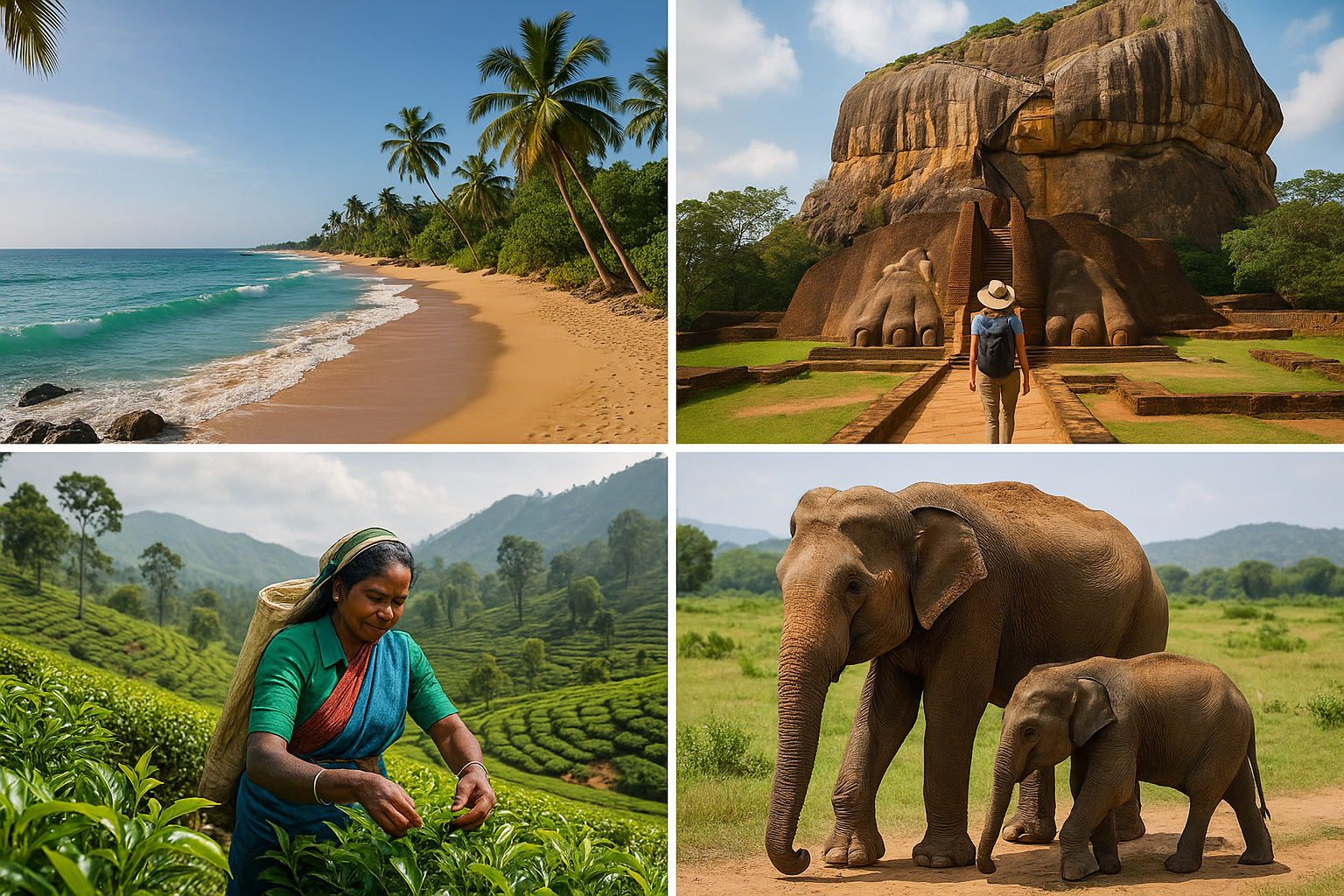
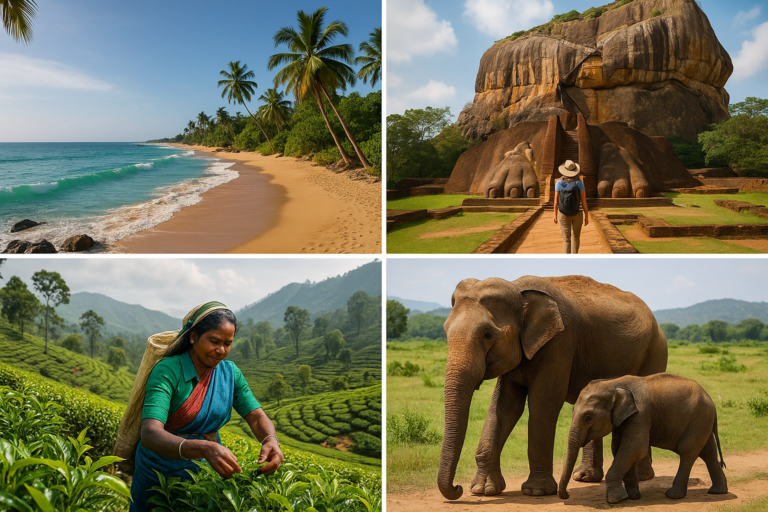
Sri Lanka sits just south of India in the Indian Ocean, and it packs more variety into a relatively small island than most countries manage across an entire continent. A well-planned Sri Lanka 10 day itinerary can take you from mist-wrapped tea plantations to ancient rock fortresses, from wildlife-rich national parks to sun-bleached beaches — all without feeling like you’re rushing. The trick is knowing where to go, when to show up, and how to move between it all without burning out or blowing your budget on tourist traps.
This guide is built for travelers who want the highlights without the chaos. You’ll hit the iconic spots — Sigiriya, Ella, Kandy, Galle, and more — but you’ll also find out how to time your visits, which lesser-known corners are worth a detour, and how to travel smartly through one of Asia’s most rewarding destinations.
Before You Go: Practical Essentials
Visas and Entry
Most nationalities need a visa to enter Sri Lanka, and the good news is that the process is generally straightforward. The Electronic Travel Authorization (ETA) system allows you to apply online before you travel, which saves time at the airport. Always check the official Sri Lanka ETA portal well in advance of your trip, since processing times and requirements can vary. Carry printed or digital confirmation of your visa, your return ticket, and proof of accommodation for at least your first few nights — border officials occasionally ask for these.
For the most current visa requirements, check directly with the official Sri Lanka ETA portal or your country’s embassy before booking anything.
Getting Around
Sri Lanka has a few transport options that suit different budgets and travel styles. The train network is genuinely one of the most scenic in the world — particularly the route through the hill country — and it’s also one of the most affordable ways to travel between major destinations. Book second or third class for the most authentic experience, but if you want a guaranteed seat on popular routes, try to book in advance through the official railway booking system or a reputable local agent.
Tuk-tuks are the go-to for short trips within towns and cities. Agree on a price before you get in, or use a metered app-based service where available. For longer overland journeys, intercity buses are cheap and frequent, though they can be crowded and slow on mountain roads. Private drivers are also an option if you’re traveling with a group and want flexibility — splitting the cost makes it surprisingly reasonable.
Money and Food Costs
Sri Lanka is generally affordable for budget travelers, though costs have shifted in recent years alongside broader economic changes. Street food and local eateries — known as “rice and curry” spots — offer filling meals for very little money. Eating where locals eat is almost always the better choice: better flavor, better price, better experience. Coconut roti, dhal curry, hoppers, and fresh tropical fruit are all worth seeking out. Budget a bit more for tourist-area restaurants, which tend to charge significantly higher prices for similar food.
When to Visit (and How to Beat the Crowds)
Sri Lanka’s weather is shaped by two monsoon seasons that affect different parts of the island at different times, which means there’s rarely a single “best” time to visit the whole country. The southwest — including Galle and Mirissa — tends to be drier from around November through April, while the east coast and cultural triangle in the north-central region often see better weather from May through September.
This split works in your favor. When the west coast beaches are packed with European winter-escapers between December and February, the east coast is often quieter and perfectly sunny. Conversely, traveling the cultural triangle in the shoulder months — think May or October — can mean noticeably thinner crowds at major sites like Sigiriya.
For Sigiriya specifically, arriving at opening time (early morning) makes a real difference. The rock fortress is a major attraction, and midday visits mean heat, crowds, and long queues on the narrow pathways. Sunrise visits reward you with cooler temperatures and dramatically better light for photos. The same logic applies to most heritage sites: get there early, and you’ll often feel like you have the place to yourself.
Minneriya National Park, where wild elephants gather in impressive numbers, sees its peak elephant activity during the dry season when animals congregate around the reservoir. Safari jeeps fill up fast during peak months, so booking an afternoon game drive rather than the most popular morning slot can sometimes mean a less crowded experience on the tracks.
The 10-Day Itinerary: Day by Day
Days 1–2: Colombo — Get Your Bearings
Most international flights land in Colombo, and while many travelers rush straight through, spending a day or two here is genuinely worthwhile. The city has a layered energy — colonial architecture sits alongside modern cafés, and the Pettah market district is one of the most sensory-rich places you’ll encounter on the whole trip. Wander through Galle Face Green in the evening, grab some street snacks, and watch the city unwind by the ocean.
Use Colombo to sort out any logistics: pick up a local SIM card, exchange some currency, and get a feel for how tuk-tuks work before you need them in smaller towns. The National Museum is worth a couple of hours if you want context for the cultural sites you’ll visit later.
Days 3–4: The Cultural Triangle — Sigiriya and Dambulla
From Colombo, head north into the cultural triangle. The journey takes a few hours by bus or train, and the landscape shifts noticeably as you move inland. Dambulla’s cave temples are often overshadowed by Sigiriya nearby, but they’re genuinely impressive — ancient Buddhist murals and statues carved into living rock, with far fewer crowds than the rock fortress itself.
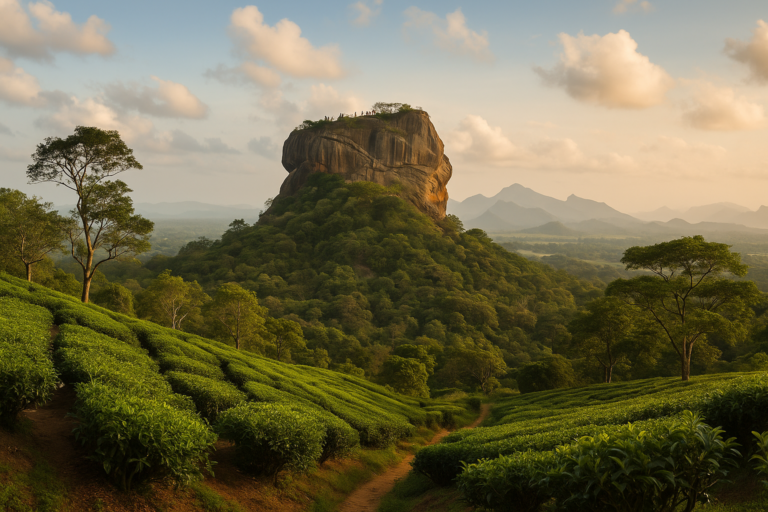
Sigiriya Rock is the headline act and deserves it. This ancient citadel rises dramatically from the surrounding jungle, and climbing it — past frescoes painted directly onto the cliff face — is one of those experiences you’ll keep coming back to in your memory. Go at opening time. Seriously. The difference between an early morning visit and a midday one is the difference between awe and exhaustion.
If you have an extra half-day, the nearby town of Polonnaruwa offers extensive ancient ruins spread across a manageable area — best explored by bicycle, which you can rent locally. It’s a UNESCO World Heritage Site and one of the less-visited alternatives to the more famous stops, which makes it feel like a genuine discovery.
Days 5–6: Kandy — Culture, Temples, and Tea
Kandy sits in the central highlands and serves as Sri Lanka’s cultural capital. The city revolves around an artificial lake and the famous Temple of the Tooth, which houses what is believed to be a relic of the Buddha. The temple complex is atmospheric any time of day, but the evening puja (ritual offering) draws crowds of worshippers and is worth timing your visit around.
Beyond the temple, Kandy rewards slow exploration. The Peradeniya Botanical Gardens on the outskirts are expansive and genuinely beautiful — a good place to spend a quiet morning before the tour groups arrive. The local market area near the bus station is where you’ll find the city’s real pulse: spice sellers, fabric merchants, and street food stalls that have nothing to do with tourist menus.
Use one of your Kandy days to take a short trip into the surrounding tea country. The hills around Kandy are dotted with working tea estates, and many offer informal tours that show you the full process from leaf to cup. This is the kind of experience that doesn’t make it onto most highlight reels but tends to be one of the most memorable parts of any Sri Lanka 10 day itinerary.
Days 7–8: Ella — Hills, Trains, and Hiking
The train from Kandy to Ella is routinely described as one of the most scenic rail journeys in Asia, and it earns that reputation. The route winds through tea-covered hills, past waterfalls and misty valleys, with views that make even non-photographers reach for their cameras. Book a seat in advance if you can, and try to position yourself on the side of the carriage that faces the valley — you’ll know which side once the views start.
Ella itself is a small town that has grown significantly in popularity, but it retains a relaxed character that makes it easy to slow down. The famous Nine Arch Bridge is the most photographed spot, and it’s genuinely photogenic — but visit in the early morning or late afternoon to avoid the peak crowds. Hike up Little Adam’s Peak for panoramic views over the surrounding hills, or tackle the longer trail up Ella Rock for a more challenging half-day adventure that rewards you with views most visitors never see.
The area around Ella is also a good base for exploring Haputale, a smaller hill town nearby that sees a fraction of the tourist traffic. The views from Haputale’s ridge are arguably as good as anything in Ella, and the town has an unhurried quality that feels like stepping back from the tourist trail.
Days 9–10: The South Coast — Galle, Mirissa, or Tangalle
From Ella, make your way south toward the coast. Galle is the natural first stop — a UNESCO-listed colonial fort city where Dutch and Portuguese history is written into the walls, the street names, and the architecture. Walking the ramparts at dusk, with the Indian Ocean stretching out on one side and the old town glowing on the other, is one of those moments that makes you glad you came. Sri Lanka’s colonial forts and UNESCO sites are genuinely well-preserved, and Galle is among the most atmospheric.
If you have time, push further east along the coast to Mirissa for beach days, or to Tangalle for a quieter alternative. Tangalle has a slower pace and a more local feel than Mirissa, which has become increasingly popular with the backpacker crowd. Both have beautiful beaches — the choice depends on whether you want more social energy or more space to yourself.
Whale watching is possible off the south coast during certain seasons, and snorkeling around the coral reefs is a worthwhile half-day activity. Check local conditions before booking anything, as the sea can be rough outside the calmer months.
Hidden Gems Worth the Detour
Knuckles Mountain Range
If you have flexibility in your schedule, the Knuckles Mountain Range near Kandy is one of Sri Lanka’s most rewarding off-the-beaten-path destinations. The hiking here is excellent, the scenery is dramatic, and you’re unlikely to encounter large tour groups. Local guides are recommended for the more remote trails, and staying in a village guesthouse rather than a resort gives you a completely different perspective on how people actually live in the highlands.
Arugam Bay
On the east coast, Arugam Bay has a well-earned reputation among surfers, but it’s also simply a beautiful stretch of coastline that feels genuinely unhurried compared to the south coast spots. If your Sri Lanka 10 day itinerary allows for a coastal extension, and you’re visiting during the east coast’s dry season, Arugam Bay delivers the kind of beach experience that doesn’t feel manufactured for tourists.
Ritigala
Near the cultural triangle, the ruins of Ritigala are scattered through a forest reserve and rarely visited compared to Sigiriya or Polonnaruwa. The site has a genuinely mysterious atmosphere — ancient stone pathways leading through dense jungle to meditation platforms and crumbling monasteries. It’s the kind of place that makes you feel like an explorer rather than a tourist.
Budget Tips for the Whole Journey
- Trains over taxis: The rail network is not only scenic but significantly cheaper than private transfers on most routes. The Kandy-to-Ella train in particular is a must-do that also saves you money.
- Eat local: Rice and curry meals at small local restaurants cost a fraction of what tourist-facing menus charge and are almost always more flavorful. Look for places with handwritten menus and plastic chairs — that’s usually the right sign.
- Guesthouses over hotels: Family-run guesthouses are common across Sri Lanka and offer a much more personal experience than chain hotels. They’re often cheaper, and the owners tend to be invaluable sources of local knowledge.
- Book popular train routes early: The Kandy-Ella train sells out fast, especially during peak season. Book as soon as your dates are confirmed.
- Combine national parks wisely: Entry fees for parks like Yala and Minneriya add up. If wildlife is a priority, focus on one or two parks rather than trying to visit every reserve on the island.
- Travel light: A single carry-on bag makes navigating buses, trains, and tuk-tuks significantly easier and cheaper — you won’t need to pay for luggage storage or extra transport space.
For deeper planning and up-to-date practical information, resources like Rough Guides’ Sri Lanka itineraries are worth bookmarking alongside this guide.
What to Know Before You Arrive
Sri Lanka is a deeply welcoming country, but a few cultural notes will make your experience smoother. Dress modestly when visiting temples and religious sites — cover your shoulders and knees, and remove your shoes before entering. This applies to both men and women, and it’s a sign of genuine respect rather than just a tourist rule.
Bargaining is expected in markets but not in restaurants or shops with fixed prices. Read the situation before you negotiate, and always keep the exchange friendly — hard bargaining over small amounts creates bad energy and isn’t worth it.
The pace of life in Sri Lanka is generally unhurried, and things don’t always run to schedule. Embrace it. Some of the best moments on any trip happen when the bus is late and you end up talking to a stranger, or when you miss a connection and find an unexpected place to spend the afternoon.
Making the Most of Your Ten Days
Ten days is enough to experience the real range of what Sri Lanka offers — but only if you resist the urge to cram in every possible stop. The itinerary above is designed to flow logically from north to south, minimizing backtracking and maximizing variety. You’ll move through the cultural heartland, into the highlands, and down to the coast in a way that feels like a natural journey rather than a checklist.
The best version of a Sri Lanka 10 day itinerary is one that leaves a little room for spontaneity. Maybe you’ll spend an extra day in Ella because the hiking is better than expected. Maybe you’ll find a beach near Tangalle that isn’t in any guide and decide to stay. That flexibility is part of what makes travel in Sri Lanka so rewarding — the island has a way of surprising you when you let it.
Sri Lanka is an island that rewards curiosity. It’s diverse in a way that takes you genuinely off guard — tropical forests, golden beaches, ancient ruins, misty highlands, and a food culture that deserves far more attention than it gets. Whether this is your first solo adventure or your tenth international trip, ten well-spent days here will give you the kind of stories and memories that don’t fade. Start planning, pack light, and get ready to discover one of the most compelling destinations in the Indian Ocean.
This article was produced with AI assistance and reviewed editorially.


Sri Lanka in October: Skip the Crowds, Embrace the Adventure

Vietnam Beyond the Guidebook: What You Actually Need to Know


