
Portugal
Madeira 2026: 7-Day Itinerary with Local Insights
Plan your week in Madeira with this local-focused guide covering Funchal neighborhoods, levada walks, mountain hikes, food experiences, and best times to visit.

Why Madeira Deserves a Full Week of Your Life
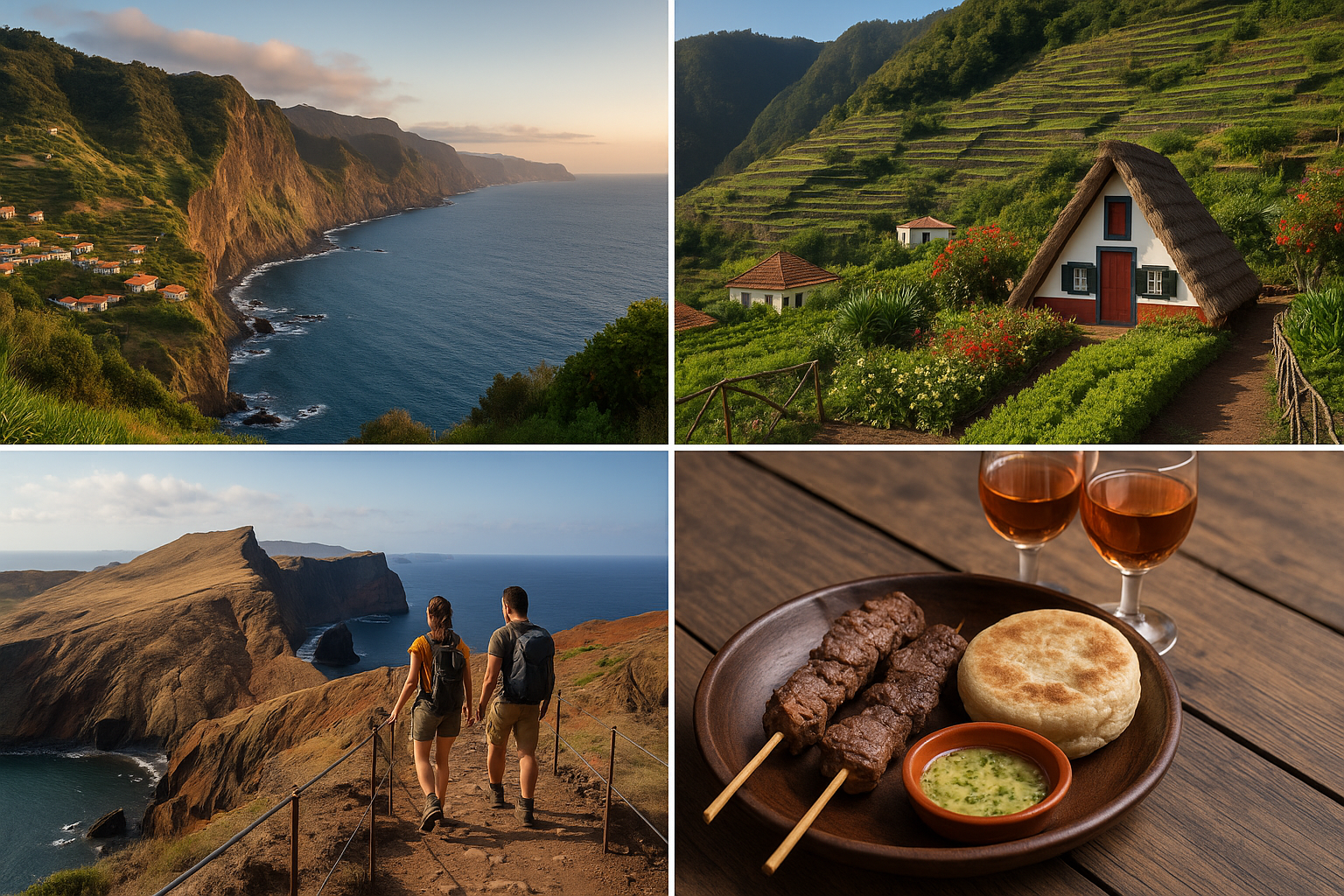
If you’re building a Madeira itinerary for 7 days, you’ve already made a smart call. This volcanic island — an autonomous region of Portugal sitting in the Atlantic Ocean off the northwest coast of Africa — packs an extraordinary range of landscapes, flavors, and adventures into a surprisingly compact space. You can hike mountain ridges in the morning, swim in natural coastal pools in the afternoon, and end the day tasting fortified wine in a centuries-old cellar. A week is genuinely enough to feel the island’s rhythm, but not so much that you’ll run out of things to discover.
Madeira’s subtropical climate means it stays green and welcoming year-round. The island’s volcanic origins have shaped everything — from its dramatic cliffs and black sand beaches to the intricate network of irrigation channels that thread through the mountains. This isn’t a beach-and-bar destination. It’s a place that rewards curiosity. And if you’re between 16 and 30 with a backpack and an open schedule, it might just be the most satisfying week you spend anywhere in Europe this year.
Before You Go: A Few Things Worth Knowing
When to Visit
Madeira’s subtropical climate means there’s no truly bad time to visit. The island tends to be warmest and sunniest from late spring through early autumn, roughly May to October, making those months popular for hiking and outdoor activities. Spring also brings wildflowers across the mountain trails, which adds something special to any levada walk. Winter months are milder than mainland Europe but can bring more rain, particularly in the higher elevations — though the island’s lush greenery is a direct result of that moisture, so it’s not without its own appeal.
If you’re planning around the Lonely Planet’s first-timer guide to Madeira, you’ll find that the island suits a wide range of travel styles across all seasons. The key is to pack layers — mountain weather can shift quickly even on a warm day.
Getting Around
Renting a car gives you the most freedom, especially for reaching remote levada trailheads, the north coast, and viewpoints that buses don’t serve well. Roads can be narrow and steep in places, but that’s part of the adventure. If you’d rather not drive, local buses connect most major towns, and guided 4WD tours are a popular way to reach places like the Fanal Forest and Porto Moniz without navigating mountain roads yourself. Taxis and rideshares work well within Funchal.
Day 1 and 2: Arrive and Explore Funchal
Getting Your Bearings in the Capital
Funchal is where most visitors land, and it deserves more than a quick look before heading into the mountains. Spend your first day just wandering. The city climbs steeply from the harbor, and its neighborhoods each have a distinct character — some historic and cobblestoned, others more residential and local. The old town area, with its painted doorways and narrow streets, is one of the most photographed parts of the city for good reason. But walk a few blocks further from the main tourist drag and you’ll find the city that actually lives and breathes.
The Mercado dos Lavradores — Funchal’s main market — is a vivid introduction to the island’s produce. Exotic fruits you might never have seen before sit alongside fresh fish and hand-embroidered goods. Go in the morning when it’s at its most alive. Grab something to eat nearby, find a café that looks like locals actually use it, and let the city introduce itself at its own pace.
Food Worth Seeking Out
Madeiran food is genuinely distinctive. Espetada — beef skewered on a bay laurel stick and grilled over open flame — is one of those dishes you’ll think about long after you’ve left. Poncha, the island’s traditional spirit made from aguardente, honey, and citrus, is something you should try at least once, ideally in a small local bar rather than a tourist-facing restaurant. Bolo do caco, a flatbread cooked on a basalt stone and served with garlic butter, turns up everywhere and is exactly as good as it sounds.
Madeira wine is its own world. The island produces a fortified wine that comes in several styles — from dry to sweet — and the wine culture here goes back centuries. You can join a wine tour to learn about the production process and taste different varieties. It’s one of those experiences that feels genuinely educational without ever feeling like a lecture.
Day 3: Your First Levada Walk
What Levadas Actually Are
Levadas are one of Madeira’s most distinctive features — narrow irrigation channels built over centuries to carry water from the wet northern mountains to the drier southern coast. The paths that run alongside them have been turned into a network of walking trails that cut through some of the island’s most spectacular scenery. Some levada walks are easy, flat, and suitable for anyone. Others involve narrow ledges, tunnels, and significant drops that require a head for heights and proper footwear.
Hiking is one of the primary activities on the island, and the levada network is the backbone of that experience. The trails range from gentle woodland walks to more demanding routes through laurisilva forest — a type of ancient laurel forest that’s a UNESCO-listed habitat found in very few places on Earth. Walking through it feels like stepping into something prehistoric. The trees are gnarled, the air is cool and damp, and the light filters through in a way that makes everything feel slightly otherworldly.
Choosing the Right Trail for You
For a first levada walk, aim for something that balances scenery with accessibility. Easier routes tend to follow wide, well-maintained paths with minimal elevation change — ideal if you want to enjoy the surroundings without concentrating too hard on your footing. More experienced hikers or those comfortable with heights should look at trails in the central and northern parts of the island, where the terrain gets more dramatic and the views open up across valleys and coastline.
Whatever trail you choose, start early. Morning light in the forest is something else entirely, and you’ll beat the midday crowds at the more popular trailheads. Bring water, snacks, a light rain jacket, and shoes with actual grip — the levada paths can be slippery even in dry weather.
Day 4: Pico do Arieiro and Pico Ruivo
The High Peaks Experience
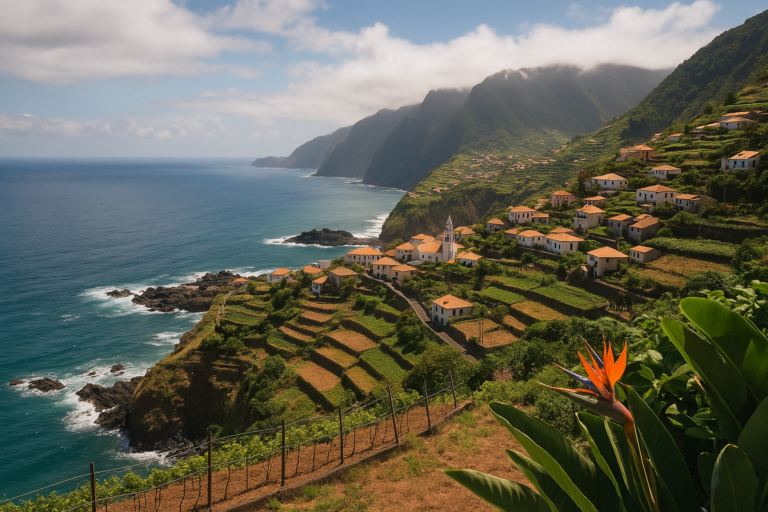
This is the day that tends to stay with people longest. Pico do Arieiro is one of Madeira’s most famous viewpoints — a summit that rises above the clouds and offers a panorama that feels genuinely surreal. On clear mornings, you’re standing on volcanic rock while a sea of white cloud fills the valleys below and the other mountain peaks emerge like islands above it. It’s the kind of view that makes you go quiet for a moment.
Many visitors drive up to Pico do Arieiro at dawn to catch the sunrise. If you can motivate yourself to leave before first light, it’s worth every minute of lost sleep. The sky shifts through shades of orange and pink before the sun clears the horizon, and the atmosphere up there — cold, still, and completely unlike the coast below — feels like a different world.
The Ridge Trail to Pico Ruivo
From Pico do Arieiro, a trail runs along the mountain ridge toward Pico Ruivo, Madeira’s highest peak. This is a serious hike — it involves steep sections, metal staircases bolted into rock faces, and passages through tunnels carved into the mountain. It’s not technically difficult in the climbing sense, but it demands fitness, good footwear, and a comfortable relationship with exposure. The views along the ridge are extraordinary, with the island spreading out in every direction and the Atlantic visible on clear days.
If you’re not up for the full ridge traverse, the drive up to Pico do Arieiro alone is more than worth the effort. And if you do complete the hike to Pico Ruivo, you’ll have earned whatever you eat and drink that evening.
Day 5: The North Coast and Porto Moniz
A Different Side of the Island
The north coast of Madeira feels noticeably different from the south. It’s wilder, less developed, and the roads that cling to the cliffs above the sea are genuinely dramatic. A drive along the northern coast — or a 4WD tour if you’d rather let someone else handle the steering — takes you through small fishing villages, past waterfalls that fall directly onto the road, and into landscapes that feel remote even though you’re never far from civilization.
Porto Moniz, at the island’s northwestern tip, is the destination most people are heading for on the north coast. Its natural swimming pools — rock formations carved by volcanic activity and filled by the Atlantic — are one of Madeira’s most distinctive natural features. Swimming in them feels like being in a giant natural aquarium, with the ocean crashing against the outer rocks while you float in calm, clear water. It’s a genuinely memorable experience, and one that photographs can’t quite do justice to.
The Fanal Forest
If you’re taking a 4WD tour, the Fanal Forest in the Paul da Serra plateau is another stop worth building in. This ancient laurel forest, often shrouded in mist, has a haunting, atmospheric quality that’s unlike anywhere else on the island. The gnarled old trees draped in moss look like something from a fantasy novel. It’s the kind of place that makes you slow down and pay attention.
Day 6: Adventure Day — Canyoning and the Ocean
Canyoning in the Mountains
Madeira’s volcanic landscape makes it ideal for canyoning — descending river canyons using a combination of hiking, rappelling, swimming, and jumping. It’s one of those activities that sounds intimidating until you’re actually doing it, at which point it becomes one of the best decisions you’ve made all trip. Operators run guided canyoning experiences at various difficulty levels, so it’s accessible even if you’ve never done anything like it before. You’ll get wet, you’ll probably get a little scared, and you’ll feel great about it afterward.
Dolphin and Whale Watching
Madeira’s waters are home to a remarkable variety of marine life, and dolphin and whale watching cruises are a popular way to experience the Atlantic from a different angle. The island sits along migration routes used by several whale species, and dolphin sightings are common year-round. Going out on the water also gives you a completely new perspective on the island’s coastline — those cliffs and mountains look even more dramatic from the sea.
If you’d rather split the day, do canyoning in the morning and a sunset cruise in the evening. It makes for a full but deeply satisfying day.
Day 7: Slow Down and Soak It In
A Final Morning in Funchal
Save your last morning for the kind of unhurried exploration that travel days often don’t allow. Walk down to the waterfront, find a café, order something local, and watch the city move. Funchal has a genuinely pleasant energy — it’s not a city that rushes, and on your last morning, that’s exactly what you need.
If you haven’t yet taken the famous cable car up to Monte, now’s the time. The ride gives you a sweeping view over Funchal and the harbor, and the botanical gardens up top are worth an hour of your time. The traditional wicker toboggan ride back down — steered by local drivers in straw hats — is one of those slightly absurd, completely joyful experiences that Madeira seems to specialize in.
Last Tastes and Souvenirs Worth Having
Madeira wine travels well and makes a genuinely useful souvenir — it’s one of the few wines in the world that actually improves with age and can survive being opened and reclosed over months. Poncha, the local spirit, is harder to find outside the island. Bolo de mel, a dense molasses cake with a long shelf life, is another local specialty worth picking up. Skip the generic tourist shops and look for smaller producers or market stalls instead.
Practical Tips for Your Madeira Itinerary
- Book levada walks and hikes early. Popular trailheads can get crowded, especially in summer. Starting before 8am makes a real difference.
- Rent a car if you can. The freedom to stop at viewpoints, change your plans, and reach remote trails is worth the cost.
- Pack layers for the mountains. Even in summer, the peaks can be cold and windy. A light waterproof jacket is essential.
- Eat where locals eat. The best food is rarely in the most tourist-facing restaurants. Walk a few streets back from the main squares and prices drop while quality goes up.
- Book canyoning and water activities in advance. Guides fill up quickly, particularly in peak season.
- Respect the trails. Levada paths run through fragile ecosystems. Stay on marked routes, take your rubbish with you, and don’t disturb the wildlife.
- Give yourself one unplanned day. The best moments in Madeira often come from following a road that looks interesting or stopping at a viewpoint you hadn’t planned on.
The Real Reason to Go
A well-planned Madeira itinerary spanning 7 days gives you enough time to move through the island’s different worlds — the vibrant capital, the ancient forest trails, the volcanic peaks, the wild northern coast — without feeling like you’re rushing. But the best version of this trip isn’t the one you plan down to the hour. It’s the one where you leave space for the unexpected: a conversation with someone at a levada trailhead, a viewpoint you almost drove past, a bar where the poncha is homemade and the music is live.
Madeira is the kind of place that gets under your skin quietly. You arrive expecting dramatic scenery — and you get it. But what you don’t expect is how much the island’s pace, its food, its layers of history and landscape, and its particular quality of light will stay with you. Seven days is enough to fall for it. It might not be enough to feel ready to leave.
This article was produced with AI assistance and reviewed editorially.


Sri Lanka in October: Skip the Crowds, Embrace the Adventure

Vietnam Beyond the Guidebook: What You Actually Need to Know


