
Asia
Southeast Asia Motorbike Adventures: The Cao Bang Loop (Vietnam) & Chiang Mai Burning Season—What to Expect (2026)
Explore two unforgettable southeast asia motorbike adventure routes: Vietnam’s 4-day Cao Bang Loop through rice terraces and karst landscapes, plus navigating Chiang Mai’

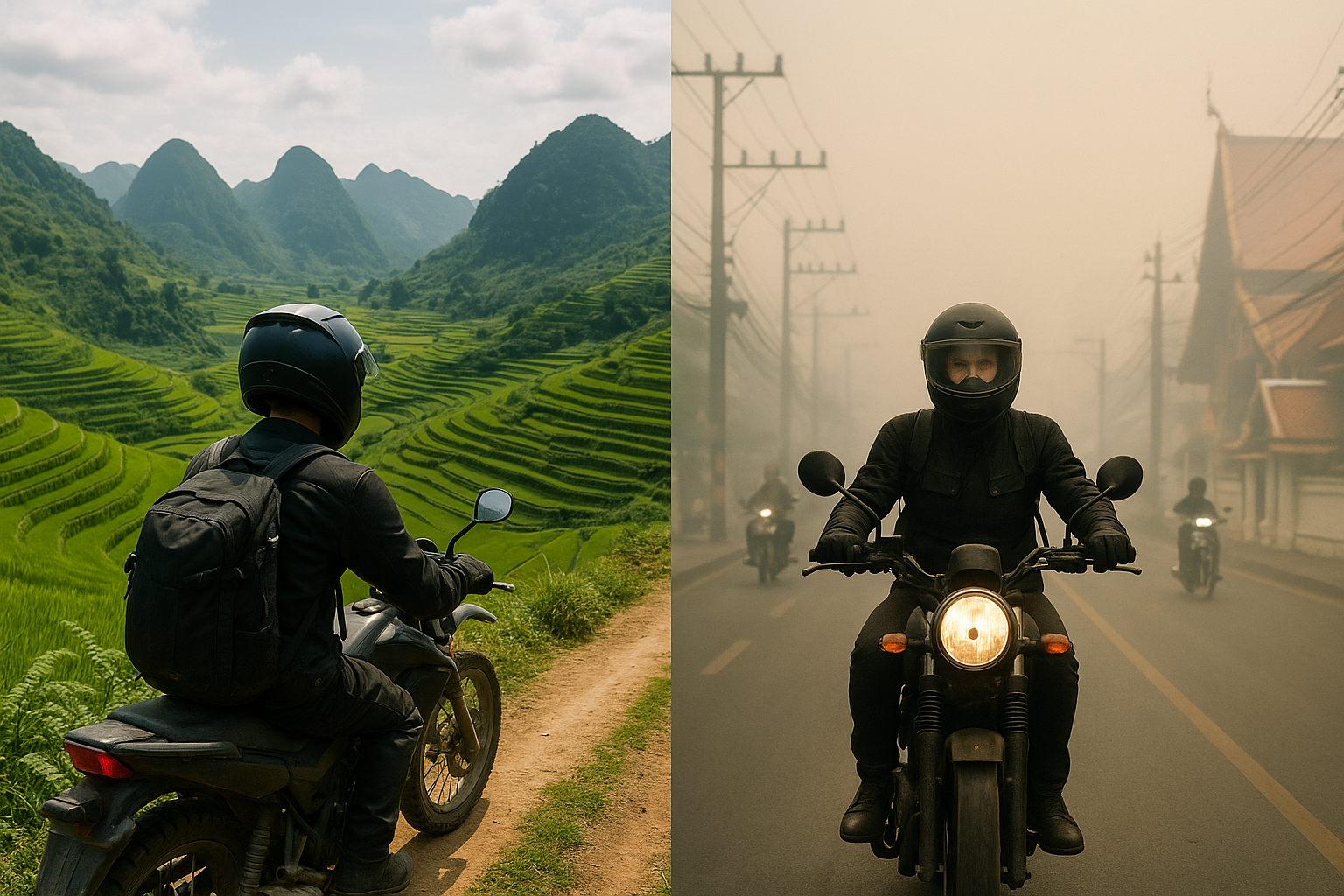
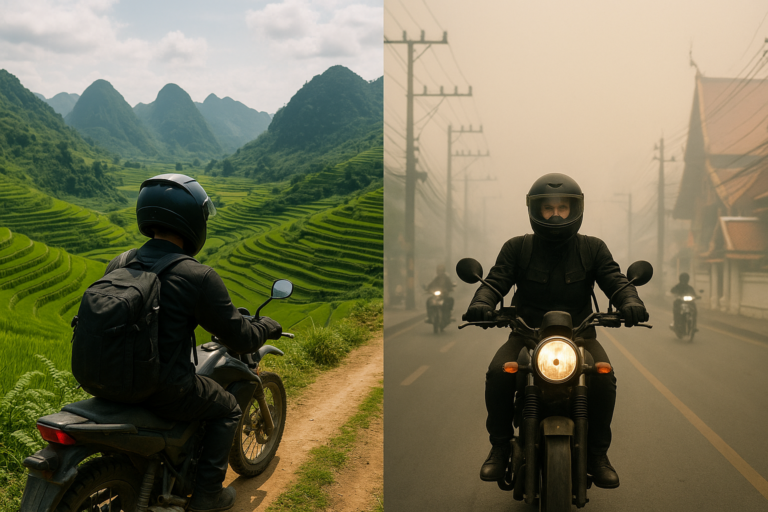
Two Routes, One Spirit: Planning Your Southeast Asia Motorbike Adventure
There’s a particular kind of freedom that only comes from gripping handlebars on an open road, watching a landscape unfold in real time — no itinerary, no tour bus, just you and the road ahead. A southeast asia motorbike adventure is one of those experiences that gets under your skin in the best possible way. Whether you’re threading through the misty karst valleys of northern Vietnam or navigating the complex realities of Chiang Mai’s burning season in Thailand, this corner of the world rewards curious, prepared travelers with something genuinely unforgettable. This guide covers both: the Cao Bang Loop for riders ready to discover Vietnam’s quieter north, and everything you need to know about Chiang Mai between February and April, when the air tells a very different story.
The Cao Bang Loop: Vietnam’s Hidden Riding Route
Most motorbike travelers in northern Vietnam have heard of the Ha Giang Loop — and for good reason. But if you’re looking for something a little less crowded, a little more accessible, and just as visually stunning, the Cao Bang Loop deserves serious attention. According to guides from local riding specialists, the Cao Bang Loop features wider roads, gentler curves, and noticeably less traffic than its more famous counterpart, making it a genuinely welcoming introduction for riders who are still building their confidence on Southeast Asian roads.
That doesn’t mean it’s a compromise. Far from it. The landscape here is extraordinary — rice terraces that glow gold during harvest season, dramatic limestone karst formations rising out of the valley floors like ancient monuments, and rivers that wind through villages where life moves at its own quiet pace. You earn every view, and that makes each one feel personal.
What the Landscape Actually Looks Like
Imagine riding through a scene that shifts constantly. One hour you’re climbing through dense forest, the road cutting through cool shadow. Then the trees open up and you’re looking out over a patchwork of rice fields terraced into hillsides so steep it seems impossible anyone could farm them. The limestone karst landscapes are what really stop you in your tracks — these ancient rock formations, sculpted by millions of years of water and wind, create a backdrop that feels almost theatrical. It’s the kind of scenery that makes you pull over, not because you planned to, but because you simply have to.
Villages appear along the route with a naturalness that feels worlds away from tourist infrastructure. You’ll pass local markets, roadside stalls selling fresh fruit and simple meals, and children who wave with genuine enthusiasm rather than practiced routine. These moments of connection — brief, unscripted, and real — are what people remember long after the engine has cooled.
Planning Your Ride: Route Logistics
Most riders approach the Cao Bang Loop as a multi-day journey, typically spreading it across several days to allow time for stops, exploration, and the inevitable detours that turn out to be the best parts. The route is generally accessible from Hanoi, and many travelers rent motorbikes from the capital or from local agencies closer to the starting point of the loop itself.
When it comes to renting a motorbike in Vietnam, you have a few options. Semi-automatic bikes are popular with beginners because they’re forgiving and easy to handle on winding roads. Manual bikes give experienced riders more control on steeper sections. Whichever you choose, inspect the bike thoroughly before you ride — check the brakes, tyres, lights, and horn. A good rental agency will walk you through this; if they don’t, that’s a signal worth paying attention to. You can find reputable rental operators through platforms like Rent a Bike Vietnam, which also provides useful guidance on the best seasons to ride the route.
The best time to ride the Cao Bang Loop is generally during the dry season, when roads are more predictable and the scenery is at its clearest. That said, the wet season brings its own dramatic beauty — lush greens, full waterfalls, and a misty atmosphere that can feel almost surreal. Just be prepared for slippery roads and the occasional washed-out section if you’re riding between May and September.
Food, Villages, and Staying Local
One of the genuine pleasures of riding through this part of Vietnam is eating where the locals eat. Roadside pho in the early morning, bowls of bún bò served from a cart outside a market, grilled corn bought from someone who’s been standing at the same spot for decades — these aren’t experiences you can book in advance. They just happen when you slow down enough to notice them.
Homestays are widely available along the Cao Bang Loop and offer something that no hotel can replicate: a seat at someone’s table, a glimpse into daily life, and the kind of conversation that happens when language barriers force both sides to be creative and patient. Many homestay hosts speak limited English, but that rarely matters. A shared meal communicates plenty on its own.
Budget-wise, northern Vietnam remains genuinely affordable for travelers. Expect to spend modestly on accommodation when staying in homestays or guesthouses, with meals from local eateries costing very little by most international standards. Motorbike rental costs vary depending on the type of bike and rental duration, so it’s worth comparing a few operators and reading recent reviews before committing. Fuel is inexpensive, and the distances involved, while not trivial, are manageable when spread across several days.
Chiang Mai Burning Season: What Travelers Need to Know in 2026
Chiang Mai is one of Southeast Asia’s most beloved cities — a place of ancient temples, thriving food culture, and a creative energy that draws travelers from everywhere. But between mid-February and April each year, the city faces a seasonal challenge that every visitor should understand before they book flights: the burning season, also known locally as the smoky season.
During this period, agricultural burning across northern Thailand and neighboring regions sends smoke and particulate matter into the atmosphere. The air quality index (AQI) can spike past 150 and reach above 300 on the worst days — levels that are considered unhealthy to hazardous for most people. This isn’t a rumor or a minor inconvenience. It’s a real environmental and health consideration that shapes how you experience the city.
The 2026 Burning Season: How It’s Looking
The good news, at least based on conditions reported toward the end of March 2026, is that the situation appeared notably better than in some previous years. Reports from the ground indicated AQI levels sitting in the yellow to orange range — around 75 — which, while not ideal, represents a meaningful improvement compared to the more severe episodes that have made headlines in past seasons. That said, conditions can shift quickly depending on wind patterns, rainfall, and the scale of agricultural burning in surrounding areas, so it’s important not to rely on a single data point when planning your trip.
Travel agencies and local guides have been consistent in recommending that travelers who are sensitive to air quality, or who simply want to see Chiang Mai at its most vibrant and clear, consider visiting outside of the February-to-April window. Some advisors have gone further, suggesting that travelers skip northern Thailand and northern Laos entirely during March, redirecting instead toward southern Thailand, Cambodia, or coastal destinations where air quality is not affected by the seasonal burning.
Safety Tips for Traveling Chiang Mai During Burning Season

If your schedule means Chiang Mai during burning season is unavoidable — or if you’re deliberately visiting and want to experience the city regardless — there are practical steps you can take to protect your health and make the most of your time there.
- Wear a proper PM2.5 mask. Standard surgical masks do not filter fine particulate matter effectively. Look for masks rated N95 or KN95, which are widely recommended by local residents and health advisors during high-pollution periods. These are available in pharmacies and convenience stores across the city.
- Monitor the AQI daily. Apps and websites that track real-time air quality data are your best tool. Check conditions each morning before deciding on outdoor activities. On days when AQI climbs into the red zone, consider spending more time indoors.
- Choose accommodation with air filtration. Some guesthouses and hotels in Chiang Mai have invested in air purifiers or HEPA filtration systems. It’s worth asking about this when you book, especially if you plan to spend significant time in your room.
- Plan outdoor activities for mornings or after rain. Air quality tends to be slightly better in the early morning hours and improves noticeably after rainfall, which helps clear particulates from the atmosphere.
- Stay hydrated and listen to your body. Smoke exposure can cause throat irritation, headaches, and fatigue even at moderate AQI levels. Drink plenty of water, rest when you need to, and don’t push through symptoms.
- Explore indoor alternatives. Chiang Mai has a rich cultural interior life — museums, cooking classes, temple interiors, markets, and cafés — that doesn’t require you to spend hours breathing outdoor air. Use high-pollution days to go deeper into these experiences.
- Have a flexible exit plan. If conditions deteriorate significantly during your stay, it’s worth knowing your options. Buses and trains connect Chiang Mai to Bangkok and other regions, and a spontaneous change of plans can sometimes lead to the best memories of a trip.
You can find additional local perspective and community-sourced advice through resources like CNX Local’s burning season guide, which is written from the point of view of people who actually live in the city year-round. Their insight into what’s genuinely manageable versus what warrants real caution is invaluable.
What Chiang Mai Still Offers During Burning Season
Here’s the thing: even during smoky season, Chiang Mai is a remarkable city. The old city walls and moat, the night bazaar, the food scene — none of that disappears when the air quality dips. Wat Chedi Luang and Wat Phra Singh are still awe-inspiring inside their courtyards. The Sunday Walking Street still draws locals and travelers together in a way that feels genuinely communal. And the cooking schools that have made Chiang Mai famous among food-loving travelers are, of course, entirely indoors.
The key is managing expectations and making informed choices rather than either ignoring the issue or letting it completely define your experience. Travelers who go in prepared tend to have a much better time than those who arrive without knowing what to expect.
Connecting the Two Experiences: What They Share
On the surface, the Cao Bang Loop and Chiang Mai’s burning season seem like very different travel stories. One is about open roads and physical freedom; the other is about navigating a city through an environmental challenge. But they share something important: both require you to show up informed, adaptable, and genuinely curious about the place you’re in.
A southeast asia motorbike adventure through northern Vietnam teaches you to read the road, trust your instincts, and find beauty in the unexpected. Spending time in Chiang Mai during a complex season teaches you to engage with a destination honestly — not just its highlights, but its realities. Both experiences, in their own way, push you past the surface level of travel and into something more authentic.
That’s what this part of the world does best. It doesn’t hand you a polished version of itself. It invites you to participate, to adapt, and to discover what you’re actually made of when the road gets interesting.
Practical Essentials for Both Destinations
Documents and Safety Basics
For Vietnam, an international driving permit is technically required to ride a motorbike legally, though enforcement varies by region. It’s always better to have the right documentation than to face complications mid-journey. For Thailand, similar rules apply — check current requirements before you travel, as regulations can be updated. Travel insurance that covers motorbike riding and medical evacuation is non-negotiable for either destination. Read the policy carefully; some standard travel insurance plans exclude motorbike accidents unless specifically noted.
Packing for the Road
Keep it light. A good helmet (bring your own if possible, or rent from a reputable supplier), rain gear, a basic first-aid kit, and layers for cooler mountain evenings will cover most situations on the Cao Bang Loop. For Chiang Mai during burning season, add PM2.5 masks to your packing list and consider a small portable air quality monitor if you want real-time readings wherever you are.
Staying Connected
Local SIM cards in both Vietnam and Thailand are inexpensive and widely available at airports and convenience stores. Having data access means you can use navigation apps on the road, check AQI levels in Chiang Mai, and stay in touch with fellow travelers or family back home. Don’t underestimate how useful offline maps can be in areas with patchy signal — download your routes before you head into more remote sections of the Cao Bang Loop.
The Bigger Picture of Traveling This Region
Southeast Asia continues to be one of the most rewarding regions on earth for young, independent travelers. The infrastructure for budget travel is well-developed, the cultures are rich and varied, and the landscapes range from the sublime to the genuinely surreal. A southeast asia motorbike adventure — whether it takes you through Vietnam’s limestone valleys or along mountain roads above the Thai border — offers a kind of intimacy with a place that faster, more comfortable travel simply can’t replicate.
The key is to travel thoughtfully. Understand the environmental context of where you’re going. Respect local communities, especially in smaller villages where tourism is still relatively new. Spend your money locally when you can. And stay curious — the moments that end up meaning the most are almost always the ones you didn’t plan.
Both the Cao Bang Loop and Chiang Mai, even during its smokiest weeks, have something real to offer. The question is simply whether you’re ready to meet them on their own terms. If the answer is yes, pack your bags, check the AQI, and point the handlebars toward something worth remembering.
This article was produced with AI assistance and reviewed editorially.


Vietnam Uncovered: Beyond the Chaos, Into the Real Story

Beyond the Guidebook: What Hanoi Actually Feels Like


