
North America
Southeast US Road Trip Essentials: Memphis, Pigeon Forge & Orlando—Where to Stay & What to Do
Plan your southeast US road trip through Memphis, Pigeon Forge, and Orlando with budget stays, local food, and must-see attractions beyond the typical tourist spots.

Why a Southeast US Road Trip Should Be Your Next Big Adventure
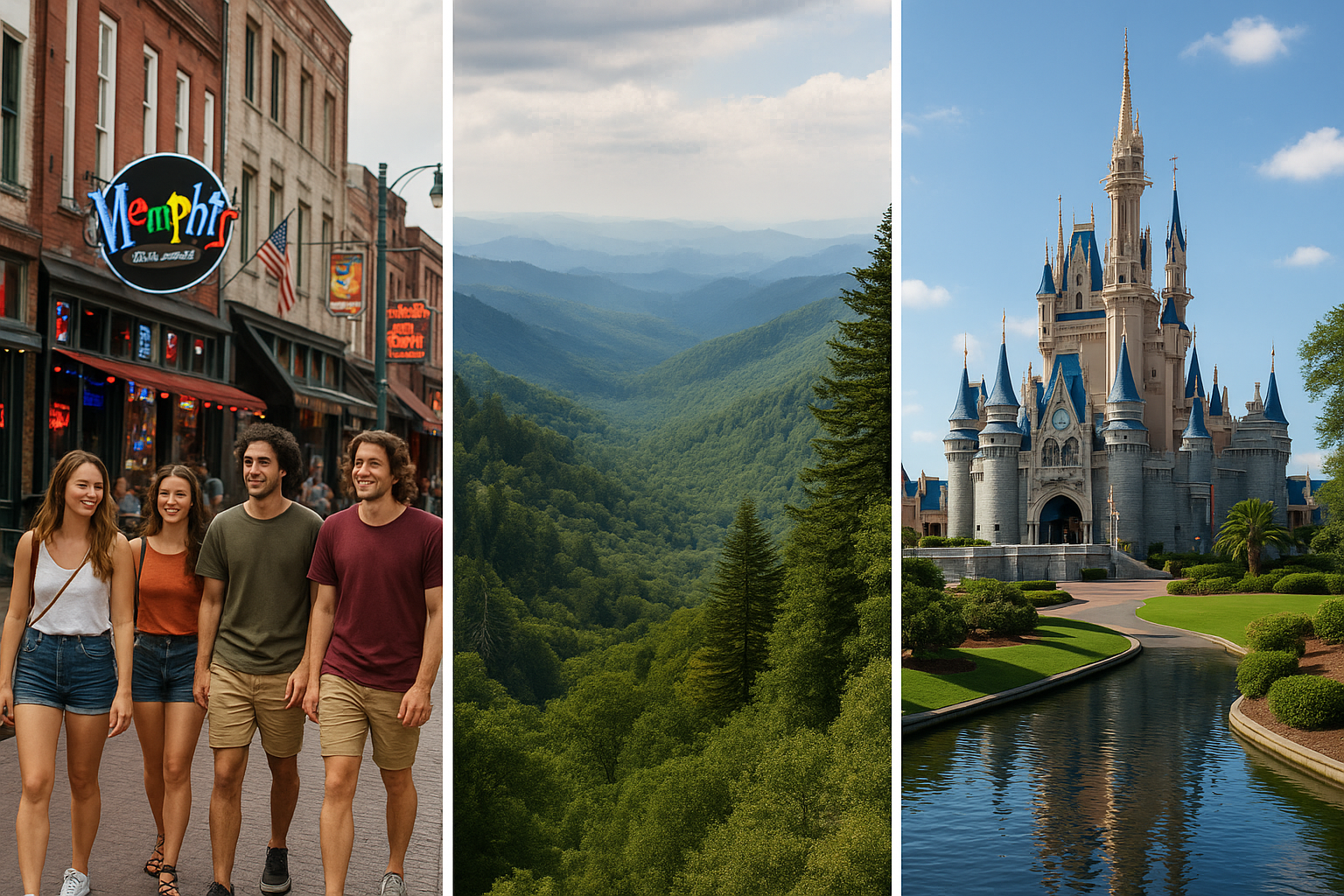
There’s something about loading up a car and pointing it south that just feels right. A southeast US road trip gives you the kind of freedom that no flight can match — windows down, playlist on, and a completely different world waiting around every bend. From the soul-soaked streets of Memphis to the misty peaks of the Smoky Mountains and the electric energy of Orlando, this stretch of America packs an almost unfair amount of variety into a single journey.
What makes this particular route so compelling for young travelers is the contrast. One day you’re standing in a blues club listening to music that shaped modern culture. A few days later, you’re hiking through ancient forest with nothing but birdsong for company. Then suddenly you’re in one of the most visited cities in the world, discovering that it has way more to offer than the theme parks that put it on the map. That’s the magic of the American Southeast — it keeps surprising you.
This guide breaks down the three anchor stops of this classic route: Memphis, Tennessee; Pigeon Forge, Tennessee; and Orlando, Florida. We’ll cover what to do, where to stay on a budget, what to eat, and how to move between them without losing your mind or your savings.
Memphis, Tennessee: Where Music Lives in the Streets
Memphis doesn’t just have a music scene — it is a music scene. This city gave the world blues, soul, and rock and roll, and it hasn’t forgotten that for a single day. Walking through certain neighborhoods here feels like stepping into a living archive of American culture, where the music isn’t a performance put on for tourists but something that genuinely pulses through the city’s identity.
What to Do in Memphis
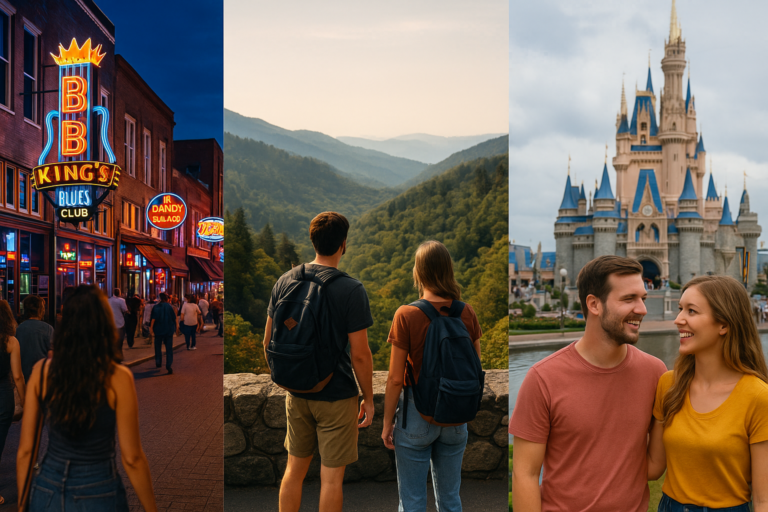
The most iconic street in Memphis is Beale Street, a stretch lined with live music venues, bars, and restaurants that comes alive after dark. Even if you’re not a nightlife person, walking it in the early evening — when the neon signs start glowing and the sound of live guitar drifts out of open doors — is an experience worth having. The music here ranges from raw, authentic blues to funk, jazz, and soul, often performed by incredibly talented local musicians.
Beyond Beale Street, the city rewards curious explorers. Spend a morning at the National Civil Rights Museum, which is built around the site of a deeply significant moment in American history. It’s one of those places that stays with you long after you’ve left — thoughtful, powerful, and genuinely moving. Allow at least two to three hours to do it justice.
For music history specifically, the Sun Studio neighborhood is worth a visit. This is where some of the most influential recordings in American popular music were made, and the atmosphere still carries that weight. Nearby, you’ll find local record shops, vintage stores, and coffee spots that feel genuinely rooted in the community rather than built for tourism.
Eating and Drinking in Memphis
Memphis takes its food seriously, and barbecue is the main event. The city has its own distinct style — slow-smoked, dry-rubbed, and deeply flavorful — and locals will tell you (with great passion) exactly which spots do it best. Don’t just eat at the most famous places. Wander a little, find somewhere with a line out the door at lunchtime, and trust the crowd. Street food, food trucks, and neighbourhood joints will often serve you a better meal than anything on a tourist map.
For nightlife, Beale Street is the obvious starting point, but don’t stop there. The South Main Arts District has a more relaxed, local feel with independent bars, galleries, and live music in smaller, more intimate venues. This is where you’re more likely to end up in a conversation with someone who actually grew up here.
Where to Stay in Memphis on a Budget
Memphis has a solid range of budget-friendly accommodation options. Hostels in the downtown area put you within walking distance of most of the main attractions. Mid-range motels along the main corridors offer clean, no-frills rooms at reasonable prices, especially if you book in advance or travel mid-week. If you’re comfortable with a short drive or rideshare, staying slightly outside the city centre can cut costs significantly while still keeping you close to everything worth seeing.
Pigeon Forge, Tennessee: Your Gateway to the Smoky Mountains
Pigeon Forge sits in the foothills of the Great Smoky Mountains, and that geographical fact alone makes it one of the most strategically placed stops on any southeast US road trip. The town itself is lively and commercial, packed with attractions, shows, and restaurants, but the real draw is what lies just beyond it — one of the most visited and most beautiful national parks in the country.
Exploring Great Smoky Mountains National Park
The Great Smoky Mountains National Park is, remarkably, free to enter — no reservation fee, no vehicle pass required, which makes it an exceptional value for budget-conscious travelers. The park spans the border between Tennessee and North Carolina and offers hundreds of miles of hiking trails ranging from gentle riverside walks to strenuous ridge climbs with panoramic views.
Even if you’re not a hardcore hiker, the park rewards casual visitors. Drive the main scenic roads in the early morning when mist still hangs over the valleys and the light turns everything golden. Stop at overlooks, wade in cold mountain streams, and keep your eyes open for wildlife — black bears, white-tailed deer, and wild turkeys are genuinely common sightings. The biodiversity here is extraordinary, and the park is recognized as a UNESCO World Heritage Site for good reason.
For hikers, trails like Alum Cave and Laurel Falls are popular for good reason — they’re accessible, scenic, and give you a real sense of the landscape without requiring specialist equipment. If you want something more challenging, the higher elevation trails offer sweeping views across multiple states on clear days.
What to Do in Pigeon Forge Itself
Pigeon Forge has a reputation for being touristy, and honestly, it earns that reputation — but in the best possible way if you approach it with the right attitude. The Parkway, the town’s main strip, is full of go-kart tracks, mini-golf courses, escape rooms, and live entertainment theaters. It’s unapologetically fun, and there’s something refreshing about a place that commits so fully to the idea of a good time.
The Titanic Museum Attraction and Dollywood (a theme park with genuine personality and outstanding live music) are among the bigger draws. But even just wandering the strip, grabbing a funnel cake, and people-watching has its own low-key charm. Pigeon Forge is a place where you can be completely unserious for a day, and that has real value on a long road trip.
Where to Stay in Pigeon Forge on a Budget
Accommodation in Pigeon Forge is genuinely accessible. Hotels here start from around $48 per night, making it one of the more affordable overnight stops on this route. The town has an enormous range of lodging options — from basic motel rooms to cabin rentals in the surrounding hills — and you can find something comfortable at almost every budget level. The official My Pigeon Forge lodging directory is a useful starting point for comparing options. Cabins, in particular, offer great value for groups, with full kitchens that let you cut food costs significantly.
Booking a few nights here is smart strategy. It gives you enough time to explore the national park properly, recover from driving, and actually enjoy the town rather than rushing through it.
Orlando, Florida: More Than Just Theme Parks
Orlando is one of those cities that people think they already know before they arrive. Theme parks, resort hotels, tourist crowds — that’s the image. And yes, all of that is real. But Orlando in 2026 is also a genuinely interesting city with a thriving local culture, a diverse food scene, beautiful natural spaces, and neighborhoods that have nothing to do with any major entertainment brand.
Discovering Orlando Beyond the Big Attractions
The neighborhoods of Thornton Park, College Park, and the Mills 50 District are where you’ll find the Orlando that locals actually live in. Independent coffee shops, vintage bookstores, murals, food trucks, and small music venues give these areas a personality that’s completely distinct from the resort corridor. Spending a morning wandering Mills 50 — which has a strong Asian-American cultural influence and some of the best food in the city — feels like discovering a completely different place.
For outdoor experiences, Orlando is surprisingly well-positioned. The natural springs of central Florida are genuinely one of the region’s hidden gems. Places like Wekiwa Springs State Park offer crystal-clear swimming, kayaking, and hiking just a short drive from the city centre. The water is a constant cool temperature year-round, making it especially welcome after a hot Florida afternoon.
The Orlando Museum of Art, the Dr. Phillips Center for the Performing Arts, and the vibrant Lake Eola neighborhood give the city a cultural depth that often goes unacknowledged. If you do want to experience a theme park, consider spending a day at one of the major parks — they’re genuinely impressive — but don’t let them be the only thing you see.
Food and Nightlife in Orlando
Orlando’s food scene has expanded dramatically in recent years, reflecting the city’s growing diversity and its increasingly young, creative population. The restaurant scene around the Milk District and Audubon Park Garden District is particularly worth exploring — small, independent restaurants serving everything from Vietnamese street food to elevated Southern cooking to creative plant-based menus.
For nightlife, the downtown area around Orange Avenue has a dense concentration of bars and clubs. Church Street has a more historic feel, while the Dr. Phillips area caters to a slightly more upscale crowd. The best nights out in Orlando often start with a late dinner somewhere local, followed by a casual drift between bars rather than committing to a single venue.
Where to Stay in Orlando on a Budget
Orlando has more budget accommodation than almost any city in the Southeast, driven by the sheer volume of tourism. Hostels in the downtown and International Drive areas offer dorm beds at very reasonable rates, often with pools, communal kitchens, and organized social events. Budget motel chains cluster around every major corridor. If you’re traveling in a group, vacation rental apartments — especially in the local neighborhoods rather than the resort areas — can offer exceptional value and a much more authentic experience of the city.
Road Trip Routing and Practical Tips
How to Structure the Route
The most logical direction for this southeast US road trip is north to south: start in Memphis, drive east through Tennessee to Pigeon Forge, then head south through Georgia to Orlando. This routing takes you through some genuinely beautiful countryside — the rolling hills of middle Tennessee, the mountain approaches near the Smokies, and the long, flat stretches of Georgia and northern Florida that have their own quiet, meditative quality.
The driving distances are substantial but manageable if you break them up sensibly. Memphis to Pigeon Forge is a comfortable day’s drive, especially if you stop somewhere along the way. Pigeon Forge to Orlando is longer and works better as an early start with a midday break, or split over two days if you want to explore somewhere in between — Chattanooga and Atlanta both make excellent stops.
Allow at least two to three days in each main destination. Rushing through any of them would mean missing the things that make each place genuinely worth visiting. A total trip of ten to fourteen days gives you breathing room without feeling stretched.
Getting Around and Staying Safe on the Road
A personal vehicle or a rental car is essentially required for this route. Public transportation between these cities is limited, and within destinations like Pigeon Forge and the national park, having your own wheels makes a real difference. If you’re renting, book in advance and compare prices carefully — rates can vary significantly depending on the season.
Keep an eye on weather, particularly if you’re traveling in summer. The Southeast can be intensely hot and humid, and afternoon thunderstorms are common across the region. Start outdoor activities early, carry water, and don’t underestimate the heat in Florida especially. If you’re hiking in the Smokies, check trail conditions before you go and let someone know your plans.
Budget Planning for the Full Route
This route is genuinely doable on a modest budget. Accommodation costs can be kept low through hostels, budget motels, and cabin-sharing. Food costs drop significantly if you cook occasionally, use grocery stores, and prioritize local spots over tourist-facing restaurants. National park entry is free. Many of the best experiences — live music on Beale Street, hiking in the Smokies, exploring Orlando’s local neighborhoods — cost little to nothing.
Fuel is your biggest variable cost. Plan your route carefully, check gas prices along the way, and fill up in larger towns rather than remote stations where prices tend to be higher. A realistic daily budget for a solo traveler covering accommodation, food, and activities on this route sits somewhere between $60 and $100 per day, depending on your choices.
Making the Most of Your Southeast US Road Trip
The best thing about this kind of journey is that it can’t be perfectly planned, and it shouldn’t be. Leave room for the unexpected detour, the roadside diner that turns out to be extraordinary, the conversation with a stranger that changes your afternoon plans entirely. The Southeast is full of those moments — they’re just waiting for you to slow down enough to find them.
Pack light, drive slow when the scenery earns it, and resist the urge to optimize every hour. A southeast US road trip through Memphis, Pigeon Forge, and Orlando isn’t just a checklist of attractions — it’s a chance to understand a part of America that’s often misunderstood, deeply layered, and genuinely surprising. You’ll leave with a full camera roll, a few new favorite songs, and stories that feel like they belong to a different, more interesting version of your life. That’s exactly the point.
This article was produced with AI assistance and reviewed editorially.


Vietnam Uncovered: Beyond the Chaos, Into the Real Story

Beyond the Guidebook: What Hanoi Actually Feels Like


