
Asia
Sri Lanka on a Shoestring: How to Skip the Tourist Traps and See Everything That Matters
Skip tourist traps with this practical budget backpacking Sri Lanka guide. Includes month-long itinerary, 10-day condensed route, accommodation costs, and local tips.

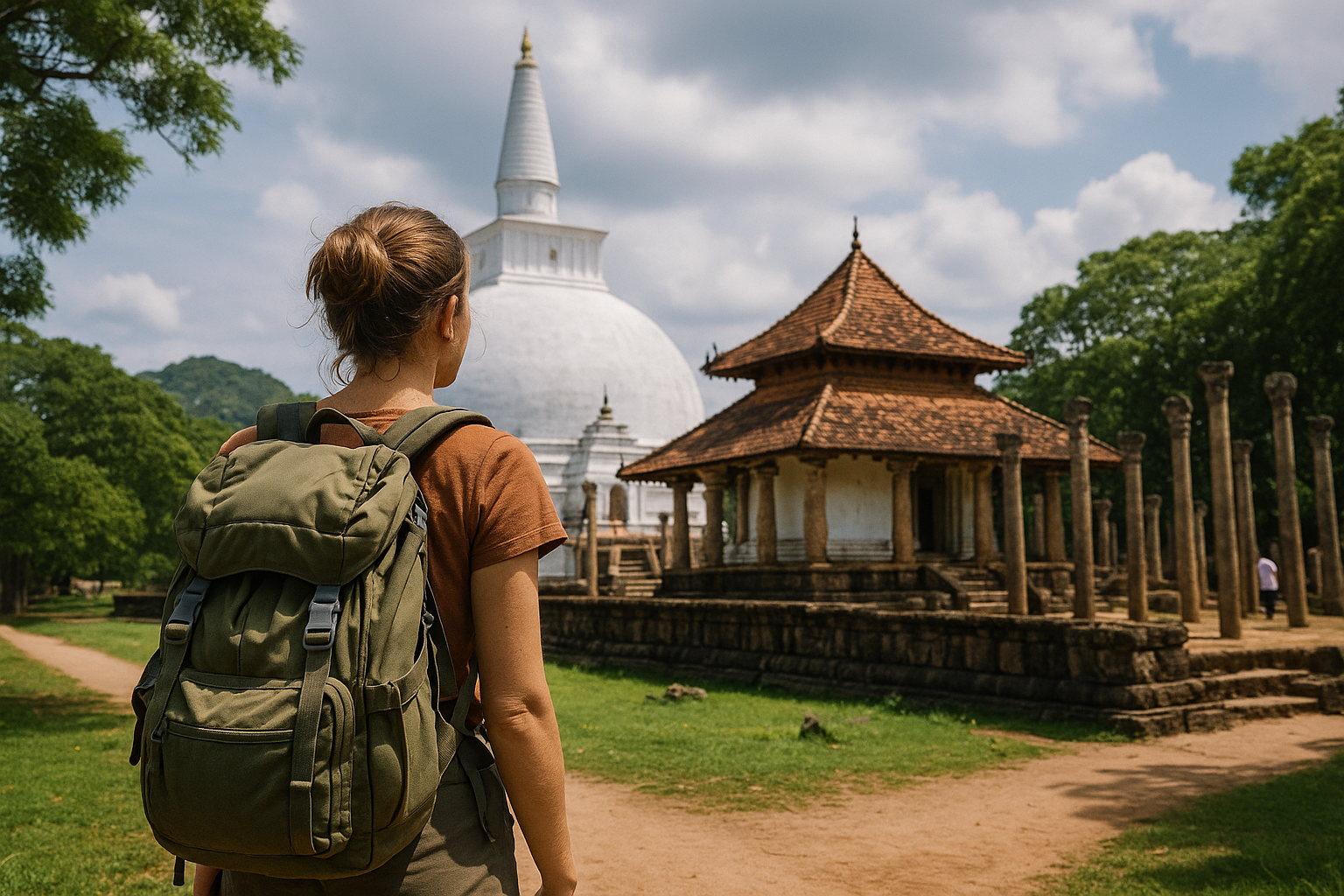
Why Sri Lanka Should Be at the Top of Every Backpacker’s List
If you’re serious about budget backpacking in Sri Lanka, you’ve picked one of the most rewarding destinations on the planet. This island packs an extraordinary amount of variety into a surprisingly compact space — ancient temples rising out of jungle, terraced tea plantations draped across mountain slopes, empty beaches where the only footprints are yours, and wildlife that includes elephants, leopards, whales, and monkeys. It works beautifully for travelers on a shoestring budget and equally well for those willing to spend a little more for comfort. That flexibility is rare, and it’s one of the reasons Sri Lanka keeps pulling travelers back.
The country is genuinely independent-travel friendly. You can move between regions entirely by bus, train, and tuk-tuk without ever booking a tour. You can eat well for very little money at local rice-and-curry spots. You can sleep in clean, welcoming guesthouses run by families who treat you like a guest rather than a transaction. The infrastructure for backpackers is solid, the people are warm, and the experiences on offer go far beyond the well-worn tourist circuit. Sri Lanka rewards curiosity — and that’s exactly the kind of traveler this guide is written for.
Understanding the Lay of the Land
Sri Lanka is a tear-shaped island sitting just off the southern tip of India. It’s small enough that you can cross it in a few hours, but rich enough in landscapes and culture that a month still won’t feel like enough. Broadly speaking, you’re looking at a few distinct zones: the cultural triangle in the north-central region (home to ancient cities, rock fortresses, and cave temples), the hill country in the center (tea plantations, waterfalls, and cool mountain air), the south coast (surf beaches, colonial towns, and seafood), the east coast (quieter beaches, a different pace), and the wild national parks scattered throughout.
Understanding this geography helps you build a route that flows naturally rather than doubling back constantly. Most budget backpackers enter through Colombo, the capital, and then head inland before looping down through the hills and finishing on the coast — or vice versa. Either direction works. What matters is giving yourself enough time in each region to actually settle in rather than rushing from sight to sight.
A Month-Long Route: Temples, Mountains, and Rivers
A full month gives you the freedom to slow down, take detours, and discover the kind of places that don’t make it onto highlight reels. Here’s a framework that balances the iconic with the genuinely offbeat.
Week One: Colombo and the Cultural Triangle
Start in Colombo. Most travelers rush through it, but the city deserves at least a couple of days. Wander the Pettah market district, grab a kottu roti from a street stall, and spend an evening in the Galle Face Green watching the city unwind at sunset. Colombo is where you get your bearings, buy a local SIM card (you can pick one up at the airport at the same price as in town — no need to hunt for a shop), and download the Uber and Pickme apps, which are significantly cheaper than regular taxis in the city.
From Colombo, head north toward Sigiriya. This ancient rock fortress rising nearly two hundred meters out of the surrounding jungle is genuinely one of the most dramatic sights in South Asia. Go early — before the tour groups arrive — and the climb feels almost meditative. Nearby, the cave temples at Dambulla are quieter and equally impressive, their interiors filled with hundreds of painted Buddha figures in the soft morning light. The town of Polonnaruwa, a ruined medieval capital scattered across a flat landscape, is best explored by bicycle and rewards those who take their time.
Week Two: Hill Country
The train journey from the cultural triangle into the hill country is one of those travel experiences that earns its reputation. Slow, scenic, and genuinely beautiful — the kind of ride where you lean out the open door and let the tea-scented air do its thing. Kandy is the natural first stop: a lakeside city with a deeply significant Buddhist temple and a lively local market scene. Don’t just tick the temple and leave. Explore the surrounding hills, visit a local tea factory, and spend an evening at a traditional dance performance.
From Kandy, push further into the mountains. Nuwara Eliya sits high in the tea country and has an oddly colonial character — think red postboxes and horse racing tracks alongside plantation workers in bright saris. Beyond it lies Haputale, a ridge-top town with sweeping views in both directions that most travelers skip entirely. That’s exactly why you should go. The area around Haputale offers some of the finest walking in the country, through tea estates and forest trails that rarely see more than a handful of visitors.
Week Three: Ella, the South, and the National Parks
Ella has become one of the most talked-about spots on the Sri Lanka backpacker trail — and for good reason. The views from Little Adam’s Peak are genuinely spectacular, the Nine Arch Bridge is as photogenic as advertised, and the town has a relaxed, social energy that makes it easy to linger. Just be aware that Ella’s popularity means prices are slightly higher and the streets can feel busy during peak season. Uber and Pickme are not available here due to local restrictions, so you’ll be negotiating with tuk-tuk drivers — always agree on the price before you get in.
After Ella, head south toward the coast, stopping at Yala National Park if wildlife is on your list. Yala has one of the highest densities of leopards of any national park in the world, and the early morning safaris are worth every penny. Continue west along the south coast through Mirissa (good for whale watching in season), Weligama (a surf town with a genuinely local feel), and Galle — a beautifully preserved Dutch colonial fort town that rewards slow exploration on foot.
Week Four: East Coast and Hidden Corners
The east coast is where budget backpacking in Sri Lanka gets genuinely adventurous. Towns like Arugam Bay draw surfers and those looking for a slower pace, while the beaches further north remain largely undiscovered. The east coast has a different cultural texture from the south — more Tamil and Muslim communities, different food, different rhythms. If you have the time and the curiosity, this region offers some of the most authentic experiences on the island. Sri Lanka’s offbeat destinations go well beyond the usual circuit, and the east is where you’ll find them.
Use the final days to revisit anything you missed or simply slow down somewhere that felt right. Sri Lanka is the kind of place where the best memories often come from the unplanned afternoon — a conversation with a tea picker, a detour to a village temple, a beach you found by following a dirt track.
The 10-Day Condensed Route
Not everyone has a month. If you’re working with ten days, the key is to resist the temptation to see everything and instead choose a focused route that lets you actually experience the places you visit rather than just photograph them.
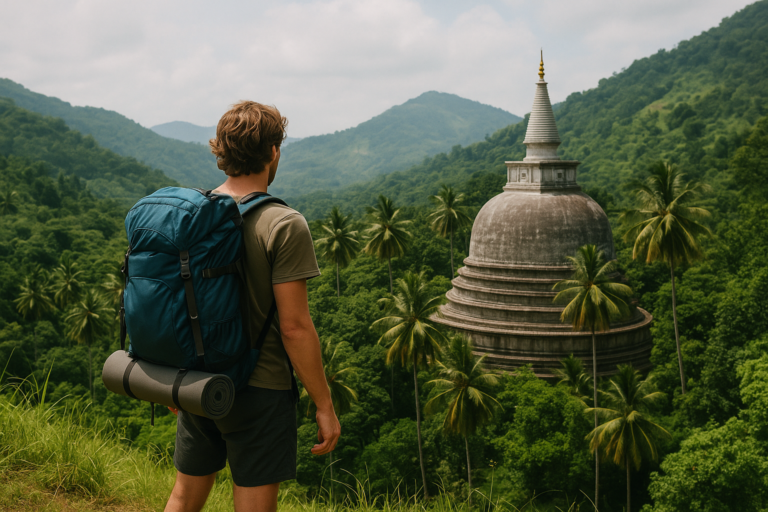
- Days 1–2: Colombo — settle in, explore the city, sort your transport apps and SIM card.
- Days 3–4: Sigiriya and Dambulla — rock fortress, cave temples, and the surrounding jungle landscape.
- Days 5–6: Kandy and the hill country — the temple, the train journey, and the tea estates.
- Days 7–8: Ella — hikes, views, and the famous bridge, with a day trip toward Haputale if you want to escape the crowds.
- Days 9–10: South coast — Galle’s fort district and a beach town for a final wind-down before heading home.
This route covers the highlights without turning into a blur. The train between Kandy and Ella alone is worth the trip. Book train tickets in advance if you want a reserved seat in second class — the observation car sells out quickly, especially during high season.
Getting Around Without Spending a Fortune
Independent travel in Sri Lanka by bus, train, and tuk-tuk is not only possible — it’s genuinely enjoyable. The bus network is extensive and cheap, connecting virtually every town on the island. Trains are slower but more scenic and often the better choice for longer journeys through the hill country. Tuk-tuks fill in the gaps for shorter distances and are part of the daily rhythm of life here.
For city travel in Colombo and Galle, Uber and Pickme are significantly cheaper than regular airport taxis and street taxis. Download both apps before you arrive — Pickme in particular is widely used by locals and tends to have better availability. Pay in cash where possible, as that’s the preferred method for most drivers. Outside major cities, these apps often don’t operate, so you’ll need to negotiate directly. Always settle on a price before the journey starts, not after.
Renting a scooter or motorbike is an option for more experienced riders and opens up a lot of freedom in areas where public transport is infrequent. The hill country roads are winding and can be slippery in the rain, so ride cautiously and always wear a helmet.
Food, Accommodation, and Keeping Costs Down
Sri Lankan food is one of the great joys of traveling here. A plate of rice and curry at a local restaurant — the kind with no English menu and plastic chairs — will fill you up for very little. Hoppers (bowl-shaped fermented rice pancakes), string hoppers, kottu roti, and dhal curry are staples that you’ll find yourself craving long after you’ve left. Street food markets in the evening are worth seeking out in every town you visit.
Guesthouses run by local families offer some of the best value accommodation on the island. They’re usually clean, friendly, and come with the added bonus of local knowledge — a host who can tell you which beach is quietest, which trail is worth the early start, and which restaurant to avoid. Dormitory beds in hostels are available in the more popular backpacker towns, while private rooms in family guesthouses tend to offer better value and a more authentic experience.
Sri Lanka is genuinely accessible on a shoestring, and you’ll find that spending less often means experiencing more — eating where locals eat, staying where locals stay, and moving around the way locals move.
Avoiding Tourist Traps and Common Scams
The good news is that scams in Sri Lanka are generally non-violent and avoidable with basic awareness. The most common ones follow a predictable pattern: a friendly local strikes up a conversation, offers to show you something interesting, and ends up steering you toward a spice garden, gem shop, or wood carving workshop where you’re expected to buy something. It’s not aggressive, but it can eat into your time and your budget. The simple rule is to politely decline any unsolicited offers to visit shops or markets, however genuine the person seems.
Taxi pricing is another area to watch. Without app-based rides, some drivers will quote tourist prices that bear no relation to the actual distance. Research rough price ranges before you travel between towns, and always confirm the fare before you get in. A smile and a firm “let’s agree on the price first” goes a long way.
Beyond scams, the best way to avoid the tourist-heavy version of Sri Lanka is simply to leave the main circuit when you can. Head to Haputale instead of spending a third day in Ella. Explore the east coast rather than the crowded southern beaches. Take the local bus instead of the tourist shuttle. These choices don’t require much effort, but they make an enormous difference to the quality of your experience.
When to Go and How to Plan Your Season
Sri Lanka’s weather is shaped by two monsoon seasons that affect different parts of the island at different times. This means that while one coast might be experiencing heavy rain, the other is often sunny and calm. In practical terms, it means there’s rarely a completely wrong time to visit — you just need to know which regions to prioritize based on the time of year.
The south and west coasts, including Galle and Mirissa, tend to be at their best between November and April. The east coast, including Arugam Bay, is better visited between May and September. The hill country is beautiful year-round but can be misty and cool, especially at higher elevations — which is part of the charm. Doing some basic research on the regional weather patterns before you finalize your route will save you from arriving at a beach in the middle of its wet season.
The Mindset That Makes Budget Backpacking in Sri Lanka Work
The travelers who get the most out of budget backpacking in Sri Lanka are the ones who stay curious and stay flexible. The best moments here rarely happen on schedule. They happen when the train is delayed and you end up sharing a meal with a family on the platform. When you follow a path off the main road and find a temple that isn’t in any guidebook. When you say yes to the invitation to join a local cricket game on the beach.
Sri Lanka is a place that gives generously to those who approach it with openness. It’s not about ticking off the famous sights — though the famous sights are genuinely worth seeing. It’s about the texture of daily life here: the smell of cinnamon in the air, the sound of temple bells at dawn, the extraordinary kindness of people who have every reason to be jaded by tourism but somehow aren’t. Come with a loose plan, a willingness to improvise, and enough time to let the island surprise you. It will.
This article was produced with AI assistance and reviewed editorially.


Vietnam Uncovered: Beyond the Chaos, Into the Real Story

Beyond the Guidebook: What Hanoi Actually Feels Like


