
North America
Where to Stay on US Coastal Islands: Beach Towns for Every Budget
Discover authentic beach towns to stay on America’s best coastal islands—Cape Cod, Catalina, Sanibel, Siesta Key, and Islamorada—with budget-friendly accommodations.

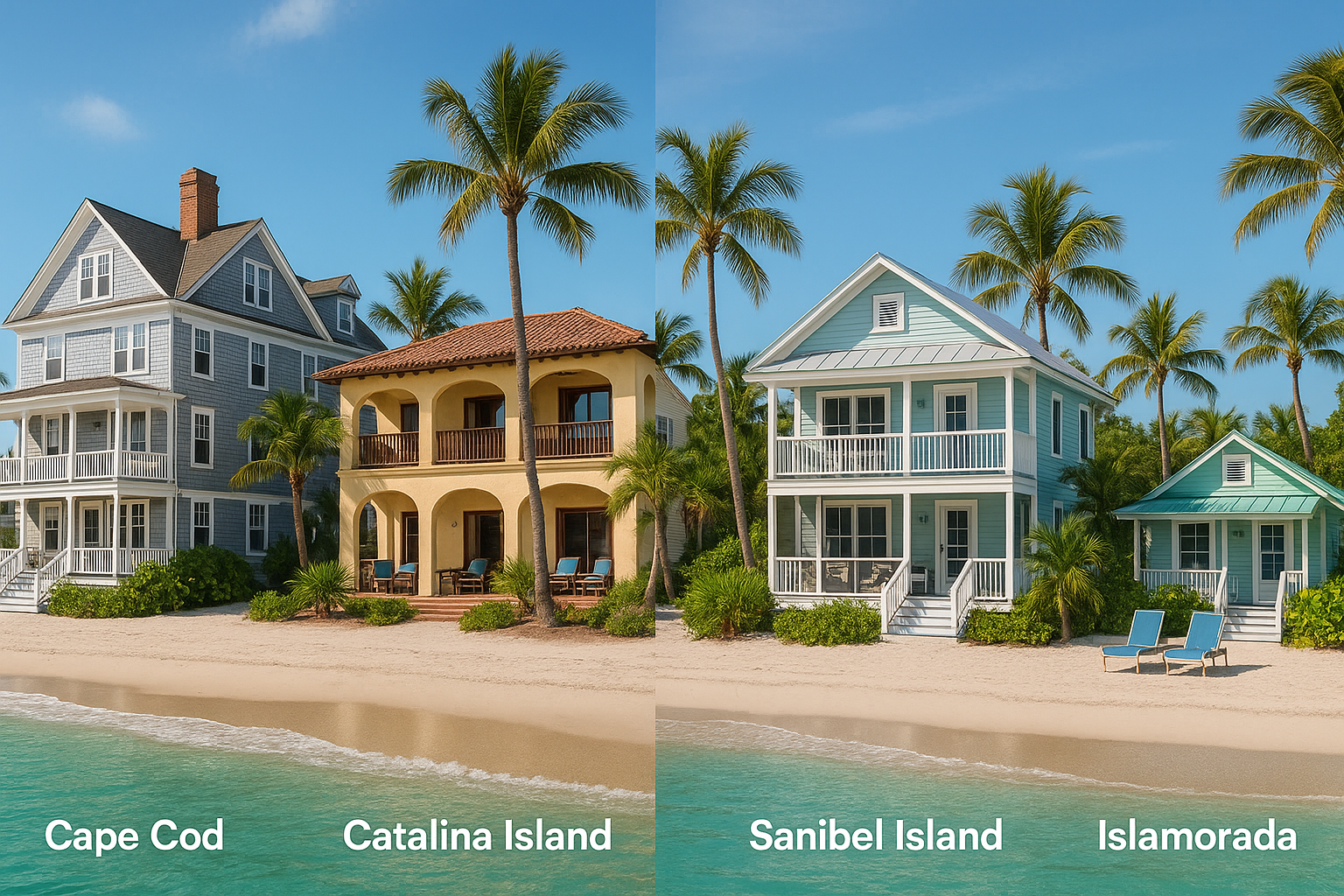
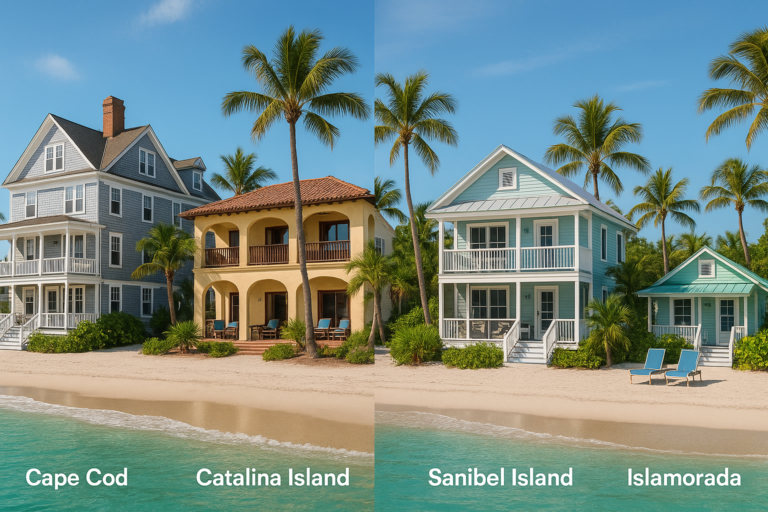
Why US Coastal Islands Are the Best Beach Towns to Stay Right Now
There’s something about an island that immediately shifts your mindset. The moment you cross the bridge, step off the ferry, or watch the mainland disappear behind you, the pace of life changes. America’s coastal islands offer some of the most rewarding beach towns to stay in — not just for the scenery, but for the feeling of being genuinely somewhere. And the good news? You don’t need to drain your savings to do it right.
Whether you’re planning your first solo trip, heading out with a group of friends, or just looking to escape for a long weekend, these five US coastal island destinations deliver authentic experiences across a range of budgets. From the sandy shores of Massachusetts to the turquoise waters of the Florida Keys, here’s where to go, what to expect, and how to make the most of every dollar you spend.
Cape Cod, Massachusetts: New England Charm on a Budget
Cape Cod is one of those places that earns its reputation every single time. Located in Massachusetts, it stretches out into the Atlantic like a bent arm, lined with weathered fishing villages, white-sand beaches, and seafood shacks that have been feeding hungry travelers for generations. It’s classic New England — but it doesn’t have to cost a fortune.
The key to staying on Cape Cod without overspending is timing and flexibility. If you visit in late spring or early September, you’ll find the beaches just as beautiful but the prices noticeably lower than peak July and August rates. Many of the smaller towns along the Cape — think Wellfleet, Truro, or Provincetown — have locally run guesthouses and inns that offer far more character than a chain hotel ever could.
What to Experience
- Bike the Cape Cod Rail Trail — a scenic path through forests, cranberry bogs, and small towns
- Explore the Cape Cod National Seashore, which protects miles of wild, undeveloped coastline
- Eat fresh clam chowder and lobster rolls from roadside stands rather than tourist-trap restaurants
- Catch the sunset from Provincetown’s pier and watch the fishing boats come in
Accommodation-wise, Cape Cod has options at every level. Shared rooms in smaller inns, vacation rentals through platforms like Airbnb, and even campgrounds within the National Seashore all make it possible to experience the Cape without the premium price tag. According to Airbnb’s coastal travel data, rentals in US coastal towns are more affordable than comparable lodging options in over 60 percent of cases — saving travelers around $300 per three-night stay. That’s a meaningful difference when you’re budgeting for a week.
Catalina Island, California: Pacific Escape Just Off the Mainland
Most people don’t realize how close Catalina Island is to the California coast. A short ferry ride from the Los Angeles area drops you into a world that feels completely removed from the city’s chaos. Located off the Southern California coast, Catalina is compact, walkable, and genuinely beautiful — with clear blue water, rugged hills, and a charming main town called Avalon that you can explore on foot in an afternoon.
Catalina works well for budget travelers because the island itself is small, which means you don’t need to rent a car or spend money on transport once you’re there. The ferry is your main expense, and after that, your feet take you everywhere. Camping is available on the island and offers one of the more memorable ways to experience it — waking up to ocean views without paying resort prices.
What to Experience
- Snorkel in the kelp forests just off the shore — the water clarity is remarkable
- Hike into the island’s interior for views that stretch back to the mainland on clear days
- Kayak around the coastline and discover hidden coves that most day-trippers never reach
- Eat at the local spots in Avalon rather than the waterfront tourist restaurants
Catalina is one of those beach towns to stay in for at least two nights — day-trippers miss the magic. Once the ferry crowds leave in the evening, the island settles into a quiet, unhurried rhythm that’s genuinely hard to find this close to a major city.
Sanibel Island, Florida: Shell-Covered Shores and Slow Mornings
Sanibel Island, located on Florida’s Gulf Coast, is famous for its shells. Seriously — the beaches here are covered in them, and people come from all over to walk the shoreline at low tide, heads down, hunting for the perfect specimen. It sounds niche, but there’s something meditative about it. You slow down. You pay attention. You stop scrolling.
Beyond the shells, Sanibel is a genuinely relaxed destination with a strong commitment to preserving its natural environment. A large portion of the island is protected wildlife refuge, which keeps development in check and the atmosphere calm. Bikes are the preferred way to get around, and the island’s flat terrain makes cycling easy for everyone.
What to Experience
- Explore the J.N. “Ding” Darling National Wildlife Refuge by bike or kayak
- Walk the beaches at dawn when the shells are freshest and the light is golden
- Visit the local farmers’ market for fresh produce and handmade goods
- Rent a kayak and paddle through the mangrove tunnels — a genuinely otherworldly experience
Accommodation on Sanibel skews toward vacation rentals and small cottage-style properties rather than large resorts, which actually works in your favor if you’re traveling with a group. Splitting a beachside cottage between four or five people often costs less per person than a single hotel room elsewhere in Florida. Look for properties slightly off the main beach road for better rates without sacrificing the island feel.
Siesta Key, Florida: Soft Sand and a Laid-Back Vibe
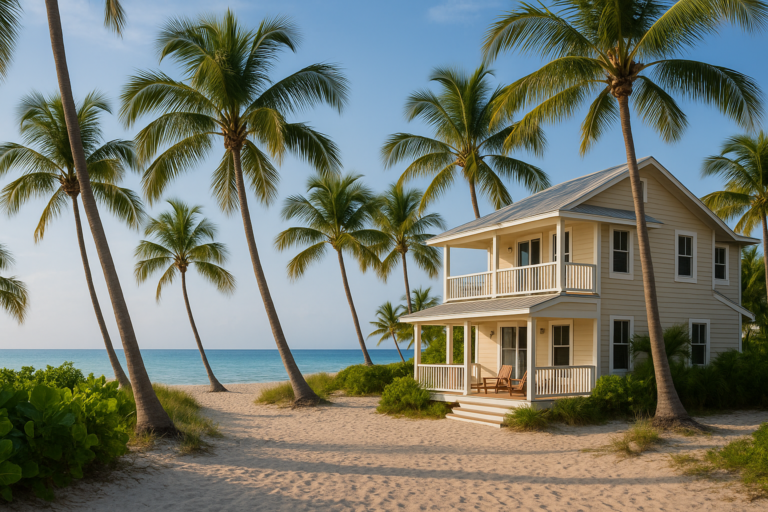
Siesta Key, located just off Sarasota on Florida’s Gulf Coast, is regularly cited as having some of the finest sand in the entire United States. It’s not marketing hype — the sand here is made of nearly pure quartz crystal, which means it stays cool underfoot even in the midday heat and has a texture that feels almost powdery. Once you’ve felt it, you’ll understand why people keep coming back.
The island has a relaxed, village-like atmosphere centered around Siesta Key Village — a small cluster of restaurants, shops, and bars that comes alive in the evenings. It’s casual, friendly, and far less overdeveloped than many Florida beach destinations. You can eat well here without spending a lot, especially if you explore the side streets rather than sticking to the main drag.
What to Experience
- Spend a full morning on Siesta Beach — arrive early to claim your spot before it fills up
- Watch the sunset drum circle at the beach on Sunday evenings — a long-standing local tradition
- Paddleboard through the calm waters of the bay side of the island
- Grab fresh fish tacos from a local spot and eat them on the beach
For accommodation, Siesta Key offers everything from budget-friendly motel-style rooms to vacation rentals and small boutique properties. The village area is walkable, so staying nearby means you won’t need a car for evenings out. As one of the more accessible beach towns to stay in along Florida’s Gulf Coast, Siesta Key rewards travelers who take the time to explore beyond the main beach.
Islamorada, Florida Keys: Water, Adventure, and Island Character
Islamorada sits in the heart of the Florida Keys, positioned between the Atlantic Ocean and the Gulf of Mexico. It’s known as the Sport Fishing Capital of the World — and even if fishing isn’t your thing, that reputation tells you something important about the place: the water here is extraordinary. Crystal clear, warm, and teeming with marine life, it’s a destination built around being in, on, and under the ocean.
Islamorada has a character that’s harder to find as you get closer to Key West. It’s quieter, more local, and less commercially polished — which is exactly what makes it worth visiting. The Overseas Highway runs straight through it, and the drive itself, with ocean on both sides, is one of the more memorable road trip moments in the country.
What to Experience
- Snorkel or dive on the coral reef just offshore — one of the most accessible reef systems in the US
- Kayak through the backcountry, where mangrove islands stretch in every direction
- Visit the local fish markets in the morning and eat whatever came off the boats that day
- Watch the tarpon feeding at Robbie’s Marina — a quirky, genuinely fun local attraction
- Explore the area by bicycle along quieter stretches of the Keys
Accommodation in Islamorada ranges from small waterfront motels to vacation rental cottages and boutique resorts. The budget-conscious approach here is to look for properties on the bay side rather than the Atlantic side — you still get water access and views, often at a lower price point. Staying for at least three nights gives you time to settle in and explore beyond the obvious stops.
How to Find the Best Accommodation Across All Five Destinations
Finding the right place to stay on a coastal island is about more than just price. It’s about positioning yourself where you can actually live the experience rather than just observe it from a hotel lobby. Here are some practical strategies that apply across all five of these destinations.
Book Early, But Stay Flexible
Island destinations have limited accommodation stock, which means prices rise quickly as availability shrinks. Booking two to three months ahead for summer travel is smart. But if your dates are flexible, shoulder season — late spring and early autumn — consistently offers better value and smaller crowds. The ocean is still warm, the beaches are still beautiful, and the towns feel more like themselves when the peak-season rush has passed.
Consider Vacation Rentals for Groups
Traveling with three or more people? A vacation rental almost always makes more financial sense than booking multiple hotel rooms. You get a kitchen (which cuts food costs significantly), more space, and often a better location. Recent data from Airbnb shows that searches for US coastal towns among groups increased significantly in 2026, reflecting a broader shift toward this kind of accommodation. The savings are real — and cooking your own breakfast on a beach cottage porch is an experience in itself.
Look Beyond the Main Beach
Every island has a “main” beach area where accommodation prices cluster at their highest. Moving one or two streets back, or staying on the bay side rather than the ocean side, can cut your nightly rate noticeably without sacrificing the experience. On most of these islands, you’re never more than a short walk or bike ride from the water regardless of where you stay.
Embrace the Local Scene
The best beach towns to stay in reward travelers who engage with them rather than just passing through. Eat at the places locals actually go. Ask your host or the person at the rental office where they’d send a friend. Rent a bike instead of a car. These small choices don’t just save money — they give you a more authentic experience of what makes each island worth visiting in the first place.
Making the Most of Your Island Stay
America’s coastal islands aren’t just destinations — they’re a different way of experiencing the country. Each of the five islands covered here has its own distinct personality: Cape Cod’s weathered New England character, Catalina’s Pacific remoteness, Sanibel’s quiet natural beauty, Siesta Key’s powdery shores and village warmth, and Islamorada’s water-focused, Keys-style freedom. What they share is the sense that time moves differently here, and that’s exactly what makes them worth the trip.
You don’t need a big budget to experience any of them well. You need a bit of planning, a willingness to stay somewhere with personality rather than just amenities, and the curiosity to explore beyond the obvious spots. That combination — good timing, smart accommodation choices, and genuine curiosity — is what turns a beach trip into something you’ll actually remember. So pick an island, start looking at dates, and let the water do the rest.
This article was produced with AI assistance and reviewed editorially.


Vietnam Uncovered: Beyond the Chaos, Into the Real Story

Beyond the Guidebook: What Hanoi Actually Feels Like


