
Asia
Seoul for First-Time Visitors: Where to Stay, What to Do & Popular Attractions
Explore Seoul with this comprehensive travel guide covering best neighborhoods, budget capsule hotels, cultural sites, and local experiences for first-time visitors.

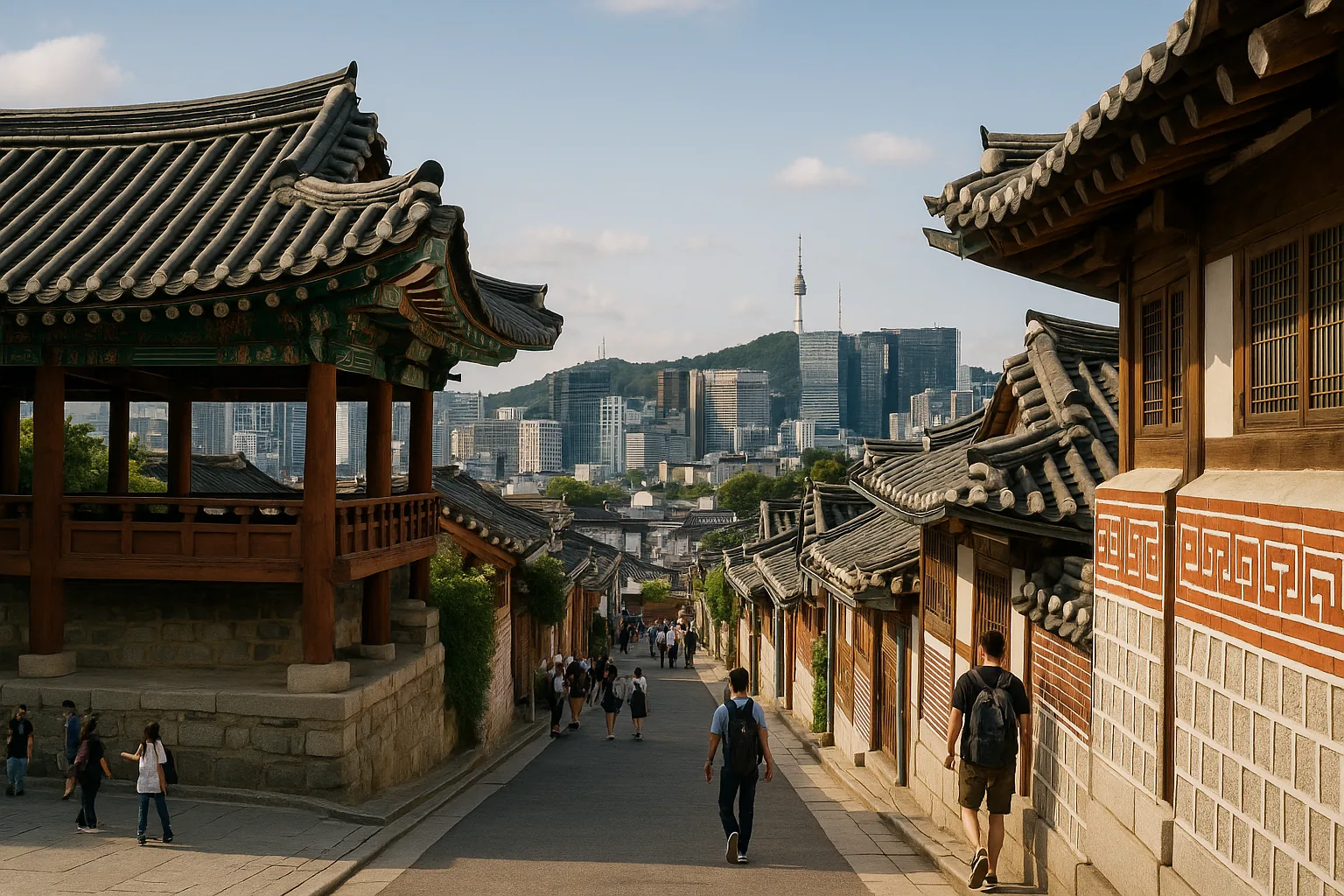
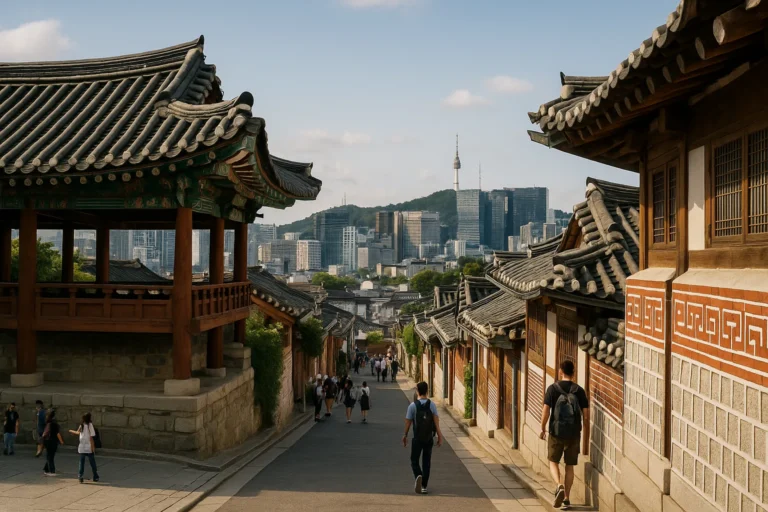
Seoul doesn’t ease you in gently. From the moment you land, the city throws everything at you — the smell of street food drifting through subway corridors, neon signs stacking up against ancient rooftops, and a rhythm that feels both completely foreign and somehow immediately addictive. Whether you’re building your first Seoul travel guide from scratch or filling in the gaps of a bigger Asia trip, this city rewards curiosity in ways that few places on earth can match. Ancient palaces sit tucked between glass skyscrapers. Quiet hanok villages exist just a few steps from neon-lit streets. Seoul is a city of contrasts, and navigating those contrasts is exactly what makes it unforgettable.
Choosing the Right Neighborhood: Where to Base Yourself
Where you stay in Seoul shapes your entire experience. The city is enormous — spread across the Han River and divided into distinct districts, each with its own energy and character. Getting this decision right saves you time, money, and a lot of unnecessary commuting on the metro.
Myeongdong is the classic starting point for first-time visitors, and for good reason. It’s centrally located, well-connected to the metro, and puts you within easy reach of most major attractions. The streets are busy almost around the clock, lined with street food stalls, cosmetics shops, and clothing boutiques. It’s not the quietest option, but it’s arguably the most convenient — especially if you want to cover a lot of ground in a short time. If this is your first week in Seoul and you’re still finding your feet, Myeongdong gives you a solid, comfortable base.
Hongdae is a different beast entirely. Built around a major arts university, this neighborhood has evolved into one of Seoul’s most energetic districts — known for its nightlife, independent music venues, street performances, and a hostel scene that attracts young travelers from all over the world. If you’re backpacking through Seoul and want to meet people, swap stories, and stay somewhere with actual personality, Hongdae is hard to beat. The streets come alive after dark, but there’s plenty to explore during the day too: vintage shops, quirky cafés, and art installations that pop up in unexpected places.
Then there’s Gangnam — yes, that Gangnam — which sits south of the Han River and carries a reputation for luxury, high-end shopping, and a polished, upscale atmosphere. It’s not the obvious choice for budget travelers, but it’s worth at least a day trip to understand a completely different side of Seoul. The contrast between Gangnam’s gleaming boulevards and the older, more chaotic energy of neighborhoods like Insadong or Euljiro is one of those things that makes Seoul feel genuinely complex.
Beyond these three, neighborhoods like Itaewon (international, diverse, great food scene), Insadong (traditional crafts, tea houses, a slower pace), and Bukchon (famous for its preserved hanok architecture) are all worth exploring. Each one tells a different chapter of Seoul’s story.
Budget Accommodation: Making the Most of Capsule Hotels and Hostels
Seoul is genuinely one of the more affordable major cities in East Asia when it comes to accommodation — especially if you’re willing to embrace the budget options that the city does exceptionally well. Capsule hotels, in particular, have become a popular choice for solo travelers and backpackers who want a clean, comfortable place to sleep without paying for space they don’t need.
The concept is simple: a private sleeping pod, often with its own light, plug sockets, and curtain for privacy, in a shared facility with communal bathrooms, lounges, and sometimes even rooftop spaces. What Seoul does differently is the jjimjilbang — the traditional Korean bathhouse. Many budget travelers use these as overnight options, paying a small entry fee to sleep in communal rest areas after soaking in hot and cold baths. It’s one of those deeply local experiences that you genuinely can’t replicate anywhere else, and it’s worth trying at least once even if you have a proper bed waiting for you somewhere.
When choosing budget accommodation, location matters more than almost anything else. Staying in Hongdae puts you close to the social scene. Staying near a major metro line means you can reach anywhere in the city within 30 to 40 minutes. Seoul’s public transport system is so efficient and affordable that you don’t need to be in the center of everything — you just need to be connected to it.
Look for guesthouses and hostels that offer private lockers, free laundry, and common spaces where you can actually talk to other travelers. These small details make a big difference on a longer trip. Many hostels in Hongdae and Mapo-gu are run by locals who genuinely enjoy connecting with visitors — some even organize walking tours, market visits, or cooking sessions as part of the stay.
👉 Read also: Capsule Hotels in Japan: Budget Stays in Tokyo, Kyoto & Osaka 2026
Must-See Attractions That Actually Deliver
Every Seoul travel guide will point you toward the same handful of places — and honestly, most of them are worth the hype. The key is knowing how to experience them in a way that feels real rather than rushed.
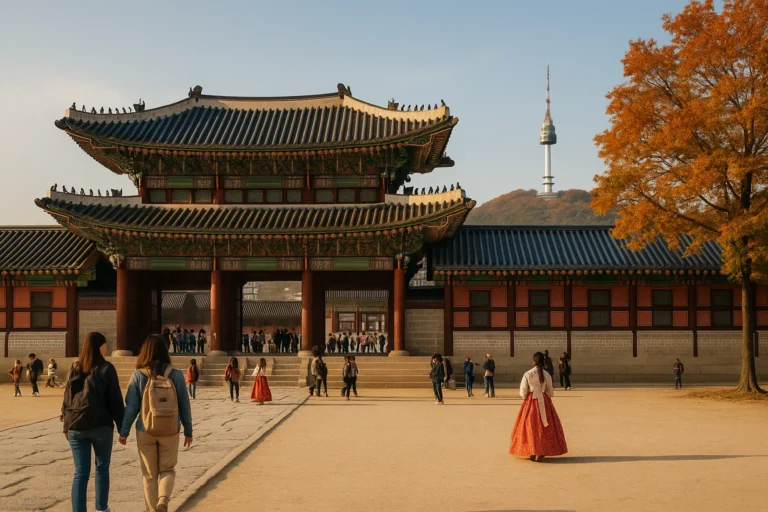
Gyeongbokgung Palace is the obvious starting point for Seoul’s historical side. Arriving early in the morning, before the tour groups descend, gives you a completely different experience — quieter, more atmospheric, and much easier to actually absorb. If you rent a hanbok (traditional Korean dress) from one of the stalls near the entrance, you get free admission, which has become a beloved ritual for visitors and locals alike.
The Bukchon Hanok Village, just a short walk from the palace, is one of those places where Seoul’s layered history becomes tangible. Walking through narrow alleyways lined with restored traditional houses, with the city skyline visible just beyond the rooftops, is genuinely striking. Go early — it’s a residential area, and the community has asked visitors to keep noise down and respect the space. That request is worth honoring.
For something completely different, the Starfield Library inside COEX Mall in Gangnam has become one of Seoul’s most talked-about social media spots — and it earns the attention. A towering, cathedral-like space filled floor to ceiling with books, it’s free to enter and genuinely beautiful. It’s also a good reminder that Seoul’s most memorable moments often happen in unexpected places: a shopping mall that becomes a cultural landmark, a subway station that doubles as an art gallery.
The Namsan Seoul Tower, perched on a forested hill in the center of the city, offers panoramic views that help you understand Seoul’s sheer scale. You can take a cable car up or hike through Namsan Park — the hike is the better option if you have the time, winding through trees with the city gradually revealing itself below you.
Don’t overlook Dongdaemun Design Plaza (DDP), a futuristic, curved building that hosts design exhibitions, pop-up markets, and cultural events. The structure itself is worth seeing — it looks like something landed from another planet in the middle of a historic district — and the surrounding area comes alive at night with markets that stay open into the early hours.
Eating Your Way Through Seoul: Street Food, Markets, and Local Spots
Seoul has unique cafés, bustling neighborhoods, and endless markets — and the food scene is where all of that energy converges. Eating well in Seoul doesn’t require a big budget. Some of the best meals you’ll have here cost almost nothing and happen standing at a street stall with no menu and no English translation required.
Gwangjang Market is one of the oldest and most atmospheric food markets in the city. Wander through the fabric stalls before finding your way to the food section, where vendors serve bindaetteok (mung bean pancakes), mayak gimbap (tiny seaweed rice rolls), and raw marinated crab that regulars swear by. It’s loud, crowded, and completely absorbing. Sit at a stall, point at what looks good, and let the experience unfold.
For street food on the move, Myeongdong’s evening food stalls are a reliable option — tteokbokki (spicy rice cakes), corn dogs loaded with toppings, skewered meats, and hotteok (sweet pancakes filled with brown sugar and nuts) are all part of the rotation. It’s touristy, yes, but it’s also genuinely delicious and a good introduction to Korean street food culture.
Seoul’s café culture deserves its own mention. The city has taken the concept of the themed café to extraordinary levels — there are cafés built around specific aesthetics, animals, books, desserts, and artistic concepts. Some of the most interesting ones are tucked into the backstreets of Seongsu-dong, a neighborhood that has transformed from an industrial district into one of Seoul’s most creative and photogenic areas. It’s the kind of place where a converted factory becomes a specialty coffee shop and a rooftop terrace becomes an art installation.
👉 Read also: Stay Smart in Asia: Budget Accommodation in Osaka, Kyoto & Kuala Lumpur 2026
Local Experiences Beyond the Tourist Trail
The best version of this Seoul travel guide isn’t a list of attractions — it’s a mindset. Seoul rewards the travelers who slow down, wander without a plan, and say yes to things that feel slightly unfamiliar.
Spend a morning at a local jjimjilbang — the Korean bathhouse experience is unlike anything in Western travel culture. You’ll soak in pools of varying temperatures, sweat in saunas lined with different minerals, and possibly end up eating hard-boiled eggs and sweet rice drinks in a communal rest area while watching Korean television. It sounds strange. It’s wonderful.
Take the metro to Euljiro, a neighborhood that until recently was mostly known for its printing shops and hardware stores, and has quietly become one of Seoul’s most interesting nightlife and arts districts. Bars and galleries have moved into old industrial spaces, creating an atmosphere that feels genuinely local rather than curated for visitors.
Visit a local norebang (private karaoke room) with people you meet at your hostel. It’s an institution in Korean social life — you rent a private room by the hour, order drinks and snacks, and sing without any audience beyond your own group. It’s one of those experiences that sounds optional until you’ve done it, and then it becomes a highlight of the trip.
If you’re in Seoul on a weekend, check what’s happening at Cheonggyecheon Stream — a restored urban waterway that cuts through the center of the city and hosts seasonal festivals, lantern events, and community gatherings throughout the year. Walking along the stream at night, with the city humming above you and lights reflecting on the water, is one of those quiet Seoul moments that stays with you.
Getting Around and Practical Tips for First-Timers
Seoul’s metro system is one of the best in the world — clean, punctual, affordable, and with English signage throughout. Pick up a T-money card on arrival and load it with credit; it works on the metro, buses, and even in some convenience stores. The app Naver Maps is more accurate than Google Maps for Seoul specifically, and it’s worth downloading before you land.
The city is generally very safe, including late at night, which gives you the freedom to explore without constantly watching your back. That said, the usual common sense applies — keep your valuables secure, especially in crowded markets and on busy metro lines.
Learn a handful of basic Korean phrases before you arrive. Even a simple 감사합니다 (gamsahamnida — thank you) goes a long way. Locals genuinely appreciate the effort, and it opens doors — sometimes literally, to back-room restaurants and neighborhood spots that don’t advertise themselves to tourists.
The best time to visit is generally spring (when cherry blossoms transform the city) or autumn (when the foliage turns and the air cools to a comfortable temperature). Summer is hot and humid, with a monsoon season that can disrupt outdoor plans. Winter is cold but beautiful, and the city’s holiday markets and heated indoor spaces make it a surprisingly good time to visit if you pack accordingly.
Seoul is one of those cities that feels overwhelming on the first day and completely magnetic by the third. Give it time. Let yourself get lost in a neighborhood that wasn’t on your original list. Follow the smell of something cooking down an alley you weren’t planning to walk down. The best experiences here — like the best experiences anywhere — tend to be the ones you didn’t plan. You can find a solid starting point for official tourism information through Visit Seoul’s official tourism website, which covers seasonal events and current practical details worth checking before you travel.
Seoul doesn’t just give you things to see. It gives you things to feel — a city that’s constantly reinventing itself while holding tightly to what makes it distinct. That tension, between the ancient and the ultramodern, between the deeply local and the globally connected, is exactly what makes it one of the most rewarding destinations you can choose for your next adventure. Pack light, stay curious, and let the city do the rest.
This article was produced with AI assistance and reviewed editorially.


Teaching English Abroad in 2026: Top Countries, Visa Requirements & Real Salaries

Where to Stay in Latin America’s Top Destinations: Buenos Aires, Bogota & Beyond


