
Panama
Central America’s Underrated Coastal Towns: Bocas del Toro, Panama & Beyond
Discover Bocas del Toro, Panama’s Caribbean archipelago of nine islands. Find where to stay, island-hop, eat local, and explore beyond Costa Rica’s crowds.

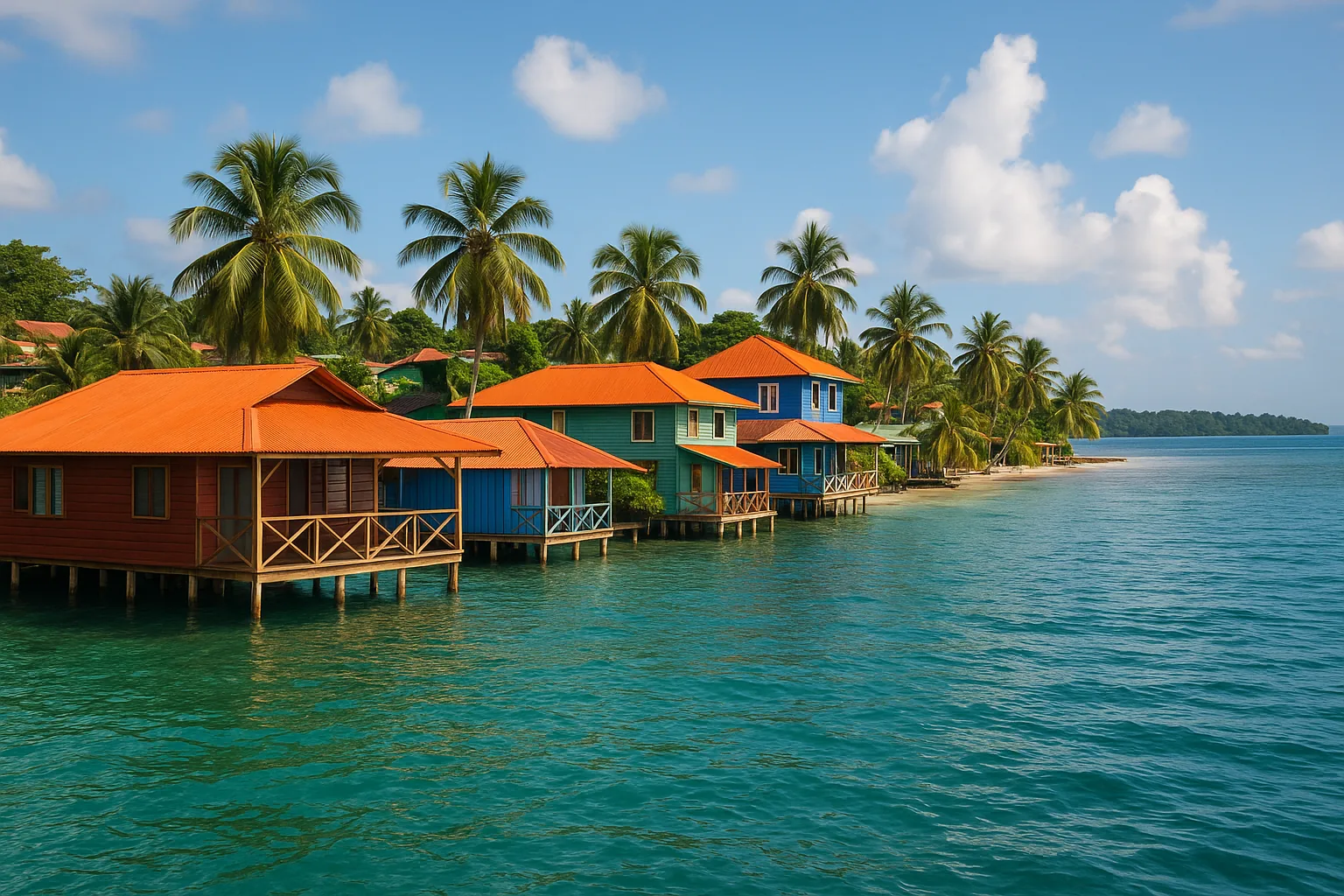
While half the backpacker world is queuing for a hostel bed in Tamarindo or squeezing onto a shuttle bus in the Monteverde cloud forest, a quieter, wilder, and genuinely more rewarding stretch of Caribbean coastline sits waiting just a short journey away. Bocas del Toro, Panama is one of those places that somehow still feels like a secret — a loose collection of islands where the water shifts from turquoise to deep jade, the food smells like coconut and fresh catch, and nobody is rushing anywhere. If you’re the kind of traveler who values real over polished, this guide is for you.
What Makes Bocas del Toro Different From Every Other Beach Destination
Bocas del Toro is an archipelago of nine primary islands tucked along Panama’s northern Caribbean coast — and that geography alone sets it apart. You’re not arriving at a single beach resort strip. You’re stepping into a network of islands, each with its own character, its own pace, and its own reason to stay. Some are dense with jungle that spills right down to the water’s edge. Others open up into wide, reef-fringed bays where the snorkeling is genuinely world-class. A few feel almost entirely untouched.
The hub of it all is Bocas Town, a lively, laid-back coastal community built on stilts over the water on Isla Colón. It’s the kind of place where Caribbean cuisine drifts out of open-fronted restaurants, hammocks hang between palm trees, and the vibe swings effortlessly between lazy afternoons and surprisingly good nightlife. It doesn’t try to be anything other than what it is — and that honesty is exactly what makes it magnetic to young travelers.
What you won’t find here is the over-developed, package-holiday atmosphere that’s crept into parts of Costa Rica. The infrastructure is functional, not flashy. The beaches aren’t always perfectly manicured. And that’s the point. Bocas del Toro rewards the curious and the flexible, not the traveler who needs everything planned six months in advance.
Getting There: The Journey Is Part of the Adventure
Reaching Bocas del Toro from Panama City is an adventure in itself, and it’s genuinely more accessible than most people assume. The most common route involves a domestic flight from Panama City to Bocas del Toro’s small airstrip on Isla Colón — flights are short and the views on descent, skimming over jungle and open Caribbean water, are hard to beat.
If you’re on a tighter budget, the overland route is absolutely doable. You’ll travel by bus across the country toward the coast, then hop a water taxi for the final crossing to the islands. It takes longer, obviously — expect a full travel day — but you’ll see a completely different side of Panama along the way. The journey through the Panamanian highlands and banana-plantation lowlands gives you context that a 45-minute flight simply can’t.
Before you leave Panama City, consider spending at least a day or two in Casco Viejo, the city’s historic quarter, which is widely regarded as one of the hippest neighborhoods not just in Panama but in all of Central America. Wander its crumbling colonial streets, eat well, and let the city ease you into the country’s rhythm before you head for the islands.
Where to Stay: Matching Your Vibe to Your Budget
Accommodation in Bocas del Toro spans a genuinely wide range, and the good news is that even budget travelers can find something memorable. The key is knowing which island — or which part of Bocas Town — suits your travel style.
If you want to be at the center of everything, Bocas Town itself is where most of the hostels, guesthouses, and mid-range hotels are clustered. You’ll be steps from restaurants, water taxi docks, and the kind of spontaneous social energy that makes solo travel feel easy. Hostel dorms here are a great way to meet people quickly — the traveler crowd in Bocas tends to be adventurous and genuinely interesting.
👉 Read also: Costa Rica for First-Time Explorers: Hidden Stays Beyond the Tourist Trail
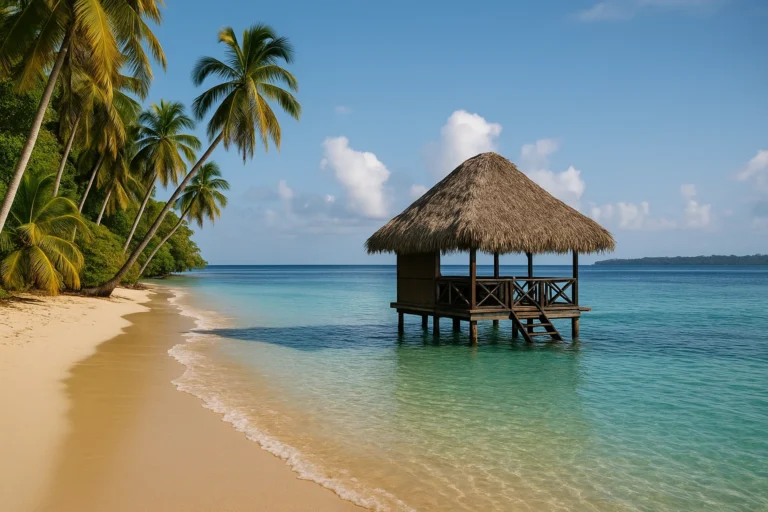
For something quieter, the smaller islands offer a completely different atmosphere. Some guesthouses and eco-lodges sit directly over the water on wooden stilts, with rooms that open onto private decks where you can watch the sunrise over the Caribbean before anyone else is awake. These places tend to cost a little more, but the experience of falling asleep to the sound of water beneath you is hard to put a price on.
- Budget travelers: Look for hostel dorms in Bocas Town — social, convenient, and easy on your wallet
- Mid-range: Small guesthouses and locally-run hotels on Isla Colón offer comfort without corporate pricing
- Splurge-worthy: Over-water bungalows and eco-lodges on the outer islands — worth stretching your budget for at least one or two nights
- Longer stays: Monthly rentals and volunteer-exchange arrangements exist if you’re thinking of staying a few weeks — ask around locally once you arrive
One practical tip: book ahead during peak season, roughly December through April, when the dry weather draws more visitors. Outside those months, you’ll find better availability, lower prices, and a more local atmosphere.
Island Hopping and Water Activities: The Real Reason You’re Here
The nine islands of Bocas del Toro are built for exploration. Each one offers something slightly different, and the best way to experience the archipelago is to move around rather than anchor yourself in one spot. Water taxis connect the islands regularly and cheaply, making spontaneous island-hopping genuinely easy.
Surfing, snorkeling, and scuba diving are the three pillars of the water activity scene here, and the conditions for all three are exceptional. The reef systems around the islands support extraordinary marine biodiversity — you’ll find colorful coral gardens, sea turtles, reef sharks, and schools of tropical fish in waters that are often remarkably clear. For surfers, the breaks range from mellow beginner waves to more serious reef breaks that will test intermediate and advanced riders.
Snorkeling tours are easy to arrange through local operators in Bocas Town — half-day and full-day trips typically cover multiple stops across different islands, and the guides tend to know exactly where the best underwater action is on any given day. If you’ve never dived before, Bocas is a genuinely great place to do your first open-water course: the conditions are relatively calm, the visibility is usually good, and the marine life will make you wonder why you waited so long.
Beyond the water, the jungle interior of the larger islands is worth exploring. Hiking trails wind through dense rainforest where you’ll encounter sloths, howler monkeys, poison dart frogs, and more bird species than you’ll be able to count. It’s a reminder that Bocas del Toro isn’t just a beach destination — it’s a full ecosystem, and the wildlife encounters here can be just as memorable as anything you find underwater.
Eating, Drinking, and the Nightlife Scene
The food culture in Bocas del Toro is rooted in Caribbean tradition — think fresh fish and seafood cooked with coconut milk, rice and beans prepared the Afro-Caribbean way, and tropical fruit that tastes completely different from anything you’ve had at home. The best eating happens at small, family-run spots rather than tourist-facing restaurants, and the rule of thumb is simple: if locals are eating there, you should be too.
Bocas Town has a genuinely vibrant food scene for a place of its size. Waterfront spots serve grilled fish and cold beer as the sun drops behind the islands, and the atmosphere during those golden-hour evenings is the kind of thing you’ll describe to people for years. Street food — fried plantains, empanadas, fresh ceviche — is cheap, delicious, and available throughout the day.
The nightlife is surprisingly lively for such a small island community. Bars built over the water are a Bocas specialty, and the social scene tends to be genuinely mixed — local Panamanians, long-term expats, and travelers from across the world all sharing the same sticky dance floors and open-air terraces. It’s not Ibiza, and it’s not trying to be. The energy is more spontaneous and community-driven, which makes it far more memorable than a manufactured party scene.
👉 Read also: Costa Rica Beyond the Guidebook: Real Itineraries & Where to Actually Stay
Beyond Bocas: Other Central American Coastal Towns Worth Your Time
If Bocas del Toro has whetted your appetite for Caribbean coastline, Central America has more to offer — and much of it is equally underrated. The key is knowing where to look beyond the obvious tourist trail.
Nicaragua’s Caribbean coast is one of the most compelling alternatives for young travelers willing to go a little further off the beaten path. The beaches here draw significantly fewer crowds than the Pacific side of the country, the local culture is authentic and deeply rooted in Afro-Caribbean and indigenous traditions, and the overall cost of travel remains exceptional value compared to most of Central America. If you’re looking for a place where you genuinely feel like you’re discovering something rather than following a well-worn itinerary, Nicaragua’s Caribbean coast delivers that feeling consistently.
Guatemala’s Caribbean coast — particularly the area around Río Dulce and the town of Lívingston — offers a similarly raw and rewarding experience. Lívingston is only accessible by boat, which filters out casual visitors and gives the town a wonderfully isolated atmosphere. The Garífuna culture here is vibrant and welcoming, the food is unlike anything else in Guatemala, and the surrounding river jungle is genuinely spectacular.
Belize sits just north of Guatemala and offers some of the most accessible world-class reef diving in the Western Hemisphere. The country’s barrier reef system is the second-largest in the world, and towns like Hopkins and Placencia offer a much more relaxed alternative to the more tourist-heavy Caye Caulker and San Pedro. English is the official language, which makes logistics easier for first-time visitors to the region.
- Nicaragua’s Caribbean coast: Fewer crowds, authentic culture, outstanding value
- Lívingston, Guatemala: Boat-access only, Garífuna culture, river jungle atmosphere
- Hopkins and Placencia, Belize: Relaxed reef-diving towns away from the main tourist circuit
- Bocas del Toro, Panama: The archipelago experience — island-hopping, surfing, Caribbean community
Practical Things to Know Before You Go
A few things that’ll make your trip smoother, whatever your budget or travel style:
Pack light and pack for humidity. The Caribbean coast of Central America is warm and wet — even in the dry season, afternoon showers are common. Quick-dry fabrics, a light rain layer, and reef-safe sunscreen are non-negotiables. Leave the heavy gear at home; you’ll be grateful every time you jump on a water taxi.
Cash is important. While Bocas Town has ATMs, the smaller islands and more remote spots operate almost entirely on cash. Withdraw what you need before heading out for the day — getting stranded without cash on a remote island is the kind of inconvenience that’s entirely avoidable with a little planning.
Respect the marine environment. The coral reefs around Bocas del Toro are genuinely precious, and they’re under pressure from climate change and tourism impact. Use reef-safe sunscreen, never touch the coral, and choose operators who demonstrate genuine environmental responsibility. Responsible travel practices make a real difference in places like this.
Learn a few phrases in Spanish. English is spoken in tourist areas, but making the effort to communicate in Spanish — even badly — opens doors and builds connections that wouldn’t otherwise happen. The warmth you’ll receive in return is immediate and genuine.
Central America’s Caribbean coast is one of those rare corners of the world where the gap between what travelers expect and what they actually find is still wide enough to produce genuine surprise. Bocas del Toro, Panama sits at the heart of that experience — an archipelago that offers surf, reef, jungle, community, and Caribbean soul in a package that feels nothing like a tourist brochure. Go before everyone else figures it out, but go with an open schedule, flexible expectations, and a willingness to let the islands show you what they’ve got. That’s when the real stories start.
This article was produced with AI assistance and reviewed editorially.


Teaching English Abroad in 2026: Top Countries, Visa Requirements & Real Salaries

Where to Stay in Latin America’s Top Destinations: Buenos Aires, Bogota & Beyond


