
Roaming Around the World
Travel Friendships: Why Connections Made on the Road Last Forever
Travel friendships form fast, feel deeply real, and can last a lifetime. Discover the psychology behind road bonds, how to make genuine connections while traveling, and how to keep them alive across distance.

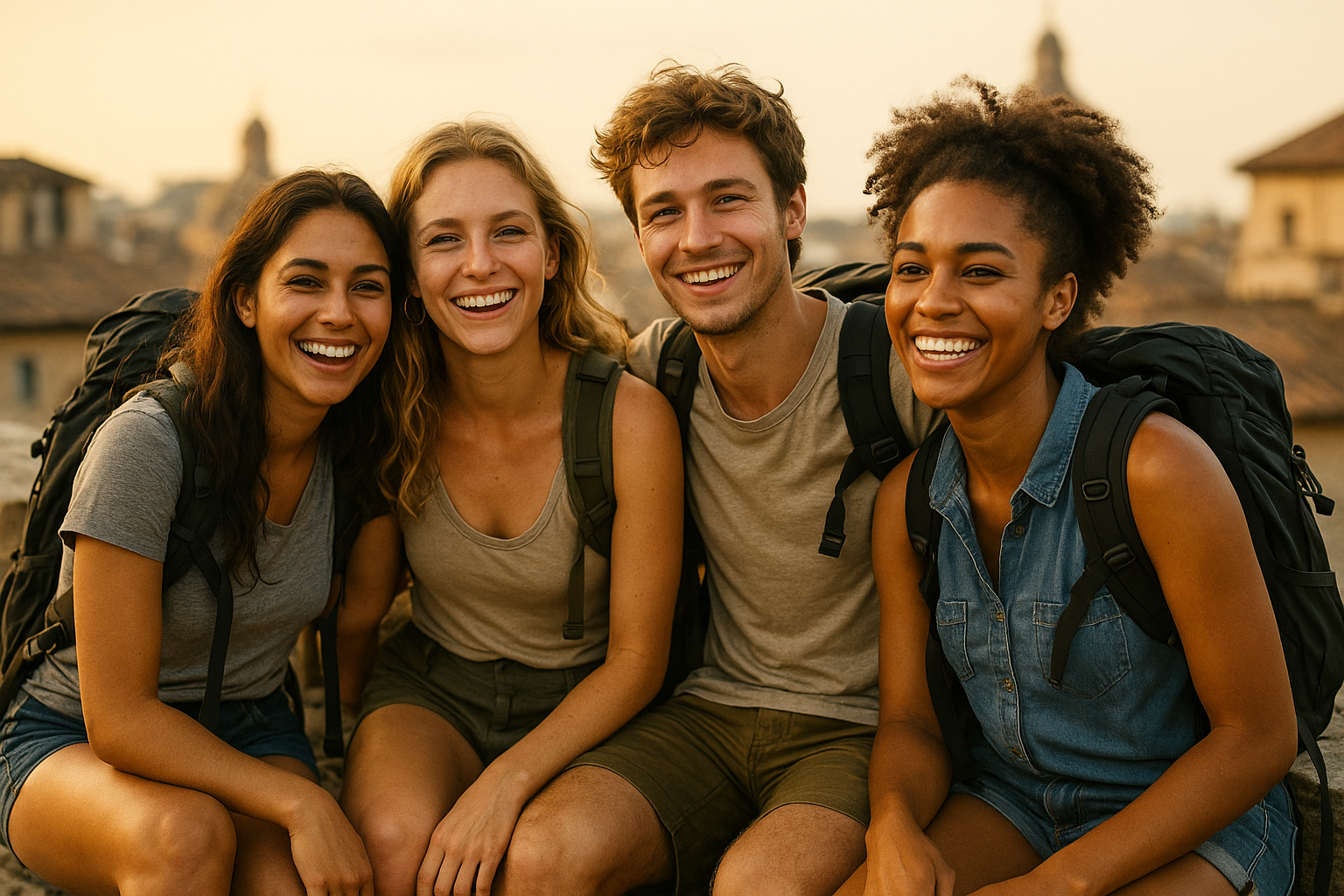

Travel Friendships: Why the Bonds You Build on the Road Are Unlike Any Other
Travel friendships are some of the most intense, unexpected, and genuinely lasting connections you’ll ever make. If you’ve spent even a week in a hostel dorm or on a group tour, you probably already know exactly what that feels like. There’s something almost impossible to explain about meeting a complete stranger on a Tuesday afternoon in Lisbon or Chiang Mai, and then finding yourself sharing your deepest thoughts with them by Thursday night. It happens faster than it should, and it feels more real than friendships you’ve been slowly building at home for years.
That’s not a coincidence. It’s not just the novelty, or the fact that you’re far from home. There’s real psychology behind why people connect so deeply while traveling — and understanding it might change the way you approach every journey you take from here on out.
The Psychology Behind Why Travel Friendships Form So Fast
Back home, friendships tend to build slowly. You see the same person at class or work, you grab coffee a few times, you gradually let them in. It takes months, sometimes years, to reach genuine closeness. On the road, that timeline collapses almost entirely.
Psychologists point to two key factors: shared novelty and shared vulnerability. When you’re both navigating an unfamiliar city, figuring out a foreign transit system, or trying to order food in a language neither of you speaks, you’re instantly on the same team. You’re both slightly out of your depth, slightly exposed, and working toward the same goal. That shared experience creates trust faster than almost any other social situation.
Research on relationship formation and closeness consistently shows that vulnerability accelerates bonding. When you strip away the social performance of everyday life — the curated version of yourself, the professional mask, the role you play in your friend group back home — what’s left is something more honest. Travel does exactly that. It removes the context that usually defines you and leaves just the person.
Add to that the intensity of concentrated time. In a week of traveling together, you might spend more genuine hours with someone than you’d spend with a hometown friend across an entire year. You eat together, navigate together, get lost together, solve problems together. That’s not just quantity of time — it’s quality of experience stacked on quality of experience, day after day.
Why Travel Friendships Feel Different From Friendships at Home
There’s a leveling effect that happens on the road that you rarely find anywhere else. Social hierarchies flatten. Nobody cares what university you go to, what your parents do, or what neighborhood you grew up in. Everyone is equally displaced, equally curious, and equally figuring things out.
That creates a kind of social freedom that’s genuinely rare. You’re not performing a version of yourself — you’re just being yourself, in real time, in a place that’s new to everyone. The connections that form within that environment often feel more authentic precisely because of it.
There’s also the simple fact that you chose to be there. You and the person you just met both decided to show up in this particular corner of the world, at this particular moment. That shared sense of curiosity and adventure is already something you have in common before you’ve even said hello.
Can Travel Friendships Become Lifelong Connections?
Here’s the part that surprises people: some travel friendships don’t just survive the trip. They become some of the most enduring relationships of your life. Years later, you’ll still be messaging someone you met in a Bangkok guesthouse, or flying across the world to attend the wedding of a person you knew for two weeks in South America.
Part of this comes down to what psychologists call “memory anchoring.” Transformative experiences — the kind that genuinely shift how you see yourself and the world — create extremely strong emotional memories. When someone else is present during those moments, they become permanently woven into the story of who you are. Your travel friend didn’t just watch you try street food for the first time or navigate a language barrier. They were there when you were becoming a slightly different, more open version of yourself.
That matters. Friendships formed during periods of personal growth tend to stick because they’re tied to identity, not just circumstance. Your school friends know the person you were. Your travel friends often know the person you were becoming.
The connections that last tend to share a few things in common: genuine curiosity about each other’s lives beyond the trip, a willingness to reach out even when time zones make it inconvenient, and — often — a plan to meet again somewhere new. Those three ingredients turn a great week into a friendship that actually goes the distance.
👉 Read also: Making Friends While Traveling: How to Build Real Connections, Not Just Acquaintances
How to Actually Make Travel Friendships (Without Forcing It)
Knowing that travel friendships can be meaningful is one thing. Actually making them happen is another. The good news is that you don’t need to be especially outgoing or socially confident. You just need to put yourself in the right situations — and then let things unfold naturally.
Stay in Communal Spaces
Hostels remain one of the most reliable places to meet fellow travelers, and not just because of the shared dorm rooms. The communal kitchen, the common room, the rooftop bar — these spaces are designed for exactly this kind of organic connection. If you’re staying in a private Airbnb or a hotel room, you’re cutting yourself off from the most natural meeting ground there is.
You don’t need to walk in and announce yourself to the room. Just show up. Make yourself a coffee. Sit somewhere public. Ask someone what they’ve been up to. The conversations tend to start themselves.
Slow Down Your Itinerary
One of the biggest mistakes young travelers make is trying to cover too much ground too quickly. When you’re racing between cities every two days, you never give connections time to develop. Staying somewhere for a week instead of two nights changes everything. You start seeing the same faces at the local café. You run into people from the hostel at the market. You build the kind of casual familiarity that turns into genuine friendship.
Slow travel isn’t just better for connection — it’s better for actually experiencing a place. The hidden gems, the local rhythms, the neighborhoods that don’t appear in any guidebook: those reveal themselves when you stay long enough to look.
Join Group Activities and Volunteer Programs
Organized group tours, cooking classes, language exchanges, and volunteer programs are all excellent ways to meet people with shared interests. You already have something in common before you’ve said a word. That shared context — whether it’s learning to make pasta in Bologna or helping build a community garden in Costa Rica — gives you an immediate foundation to build on.
Volunteer travel programs in particular tend to create unusually strong bonds, because you’re not just sightseeing together — you’re working toward something meaningful. That shared purpose accelerates connection in the same way that shared vulnerability does.
Be the One Who Suggests Something
Most people in hostels and travel spaces are hoping someone else will make the first move. They want to explore, they want company, but they’re waiting for an invitation. Be the one who says, “I’m heading to the market this afternoon — want to come?” or “I found this place that supposedly has incredible food — anyone interested?” You’ll be surprised how often people say yes, and how quickly a casual afternoon turns into a genuine memory.
Use Apps and Online Communities Before You Arrive
Making travel friendships doesn’t have to start the moment you land. Platforms built around travel communities — from hostel group chats to destination-specific forums — let you connect with people who’ll be in the same city at the same time. Reaching out before you arrive means you already have a friendly face waiting when you get there. It takes the pressure off and gives your first conversation a natural starting point.

Say Yes More Than You Usually Would
This one sounds simple, but it’s easy to forget when you’re tired or comfortable in your routine. When someone you’ve just met invites you to join them for dinner, a day trip, or a spontaneous detour — say yes. The best travel friendships rarely start with a formal plan. They start with a small, low-stakes moment of saying yes to something you might have otherwise skipped.
Keeping Travel Friendships Alive Across Distance
Let’s be honest: not every connection you make on the road will last. Some friendships burn bright for a week and then fade naturally, and that’s okay. Not every connection needs to be permanent to be meaningful. But the ones that have real potential? Those require intentional effort once the trip ends.
The first few days after parting ways are critical. Follow up quickly — a message saying you made it home safely, a photo from somewhere you visited together, a voice note just to say you’re thinking about the trip. The momentum of shared experience fades fast once you’re back in your regular routine, and the longer you wait to reach out, the harder it gets.
Social media makes the logistics easier than they’ve ever been. Staying connected across time zones and continents is genuinely manageable now. But don’t let “following each other” substitute for actual connection. Schedule video calls. Send real messages. Ask how things are going, not just react to stories.
One of the most powerful ways to maintain travel friendships is to plan future trips together. Even if it takes a year or two to actually make it happen, having something concrete to look forward to keeps the connection active and gives you both something to work toward. Some of the best adventures people have are reunions — returning to a city you both loved, or exploring somewhere entirely new together.
👉 Read also: Finding Your People Abroad: How to Build Genuine Friendships While Traveling
Being Realistic: What Travel Friendships Are and Aren’t
There’s a romanticized version of travel friendship that’s worth examining honestly. The “we’ll be friends forever” declaration made at 2am on a rooftop doesn’t always survive contact with real life. Post-travel, your lives diverge. You go back to university, they start a job, time zones complicate things, and gradually the messages slow down.
That’s normal. It doesn’t mean the friendship wasn’t real or wasn’t valuable. It means life is complex and maintaining any long-distance relationship takes genuine effort from both sides. The connections that last are the ones where both people choose to keep showing up, even when it’s inconvenient.
It’s also worth being aware of what researchers sometimes call survivorship bias. You hear the stories of the lifelong friendships, the travel companions who became best friends or even partners. You hear less about the connections that simply didn’t survive the distance. Both outcomes are valid. Traveling with realistic expectations — open to deep connection, but not heartbroken if some friendships naturally fade — puts you in a healthier headspace for making the most of what actually develops.
The friendships worth fighting for will make themselves known. You’ll know because you’ll still be thinking about that person months later, not just because the trip was fun, but because they genuinely added something to your understanding of yourself and the world.
What Travel Friendships Teach You About Connection
Beyond the individual relationships themselves, there’s something broader that travel friendships give you: a completely different understanding of how human connection actually works. You learn that closeness isn’t about history or proximity. It’s about presence, honesty, and shared experience. You learn that people are more open than you expect when they’re given the right environment. You learn that the world is full of genuinely curious, kind, interesting people — and that most of them are hoping to connect just as much as you are.
That realization tends to change you. Travelers who’ve made deep connections on the road often find that they’re more open to connection everywhere — back home, in new cities, in unexpected situations. The skill of making genuine friends while traveling transfers. It makes you braver in social situations, more willing to start conversations, more comfortable with the vulnerability that real connection requires.
In that sense, travel friendships aren’t just a side benefit of seeing the world. They’re one of the most important things travel gives you — a reminder that wherever you go, there are people worth knowing, stories worth hearing, and connections worth making. You just have to show up, stay curious, and be willing to let someone in.
The road has a way of putting exactly the right people in your path at exactly the right time. Your job is simply to be open when they arrive.
Frequently Asked Questions About Travel Friendships
Are travel friendships real, or do they just feel intense in the moment?
Both can be true. The intensity is real — shared novelty and vulnerability genuinely accelerate bonding. Some of those connections fade once you’re back in your routine, but many don’t. Plenty of people count their closest friends among people they met on the road. The key is putting in the effort to stay connected after the trip ends.
How do I make friends while traveling if I’m introverted?
You don’t need to be the loudest person in the room. Staying in communal spaces like hostels, joining small-group activities, or signing up for a cooking class or walking tour puts you around people naturally. You already have something in common — the destination, the experience — so the conversation has a starting point built in. Small, low-pressure interactions add up quickly.
What’s the best way to meet other travelers?
Hostels are still one of the most reliable options, especially if you spend time in shared spaces rather than your room. Group activities, volunteer programs, language exchanges, and local meetups are also great. Slowing down your itinerary helps too — the longer you stay somewhere, the more familiar faces you’ll start to see.
How do you maintain travel friendships long-distance?
Follow up quickly after parting ways, before the momentum fades. Stay in touch with real messages, not just social media reactions. Schedule video calls when you can. And if the friendship has real potential, start planning your next trip together — having something to look forward to keeps the connection alive in a way that passive following never will.
Is it normal for travel friendships to fade?
Completely. Not every connection is meant to last forever, and that doesn’t make it less meaningful. Some friendships are tied to a specific moment in your life, and that’s okay. The ones that matter will find a way to continue — usually because both people choose to make the effort.
Do travel friendships work if you’re traveling solo?
Solo travel is actually one of the best ways to build travel friendships. When you’re on your own, you’re naturally more open to meeting people — you’re not already wrapped up in conversations with someone you came with. Solo travelers tend to seek out communal spaces, join group activities, and say yes to spontaneous plans more readily. It can feel daunting at first, but most solo travelers find that the connections they make on the road are exactly what makes the experience unforgettable.
This article was produced with AI assistance and reviewed editorially.


Sri Lanka by Backpack: The Route, Costs, and Unmissable Stops

Uzbekistan’s Silk Road Cities: Samarkand & Bukhara in 2026


