
Tips & Tricks
Finding Your People Abroad: How to Build Genuine Friendships While Traveling
Making friends while traveling is easier than you think. Discover practical strategies to connect with locals and fellow travelers, start real conversations, and build friendships that last long after the trip ends.

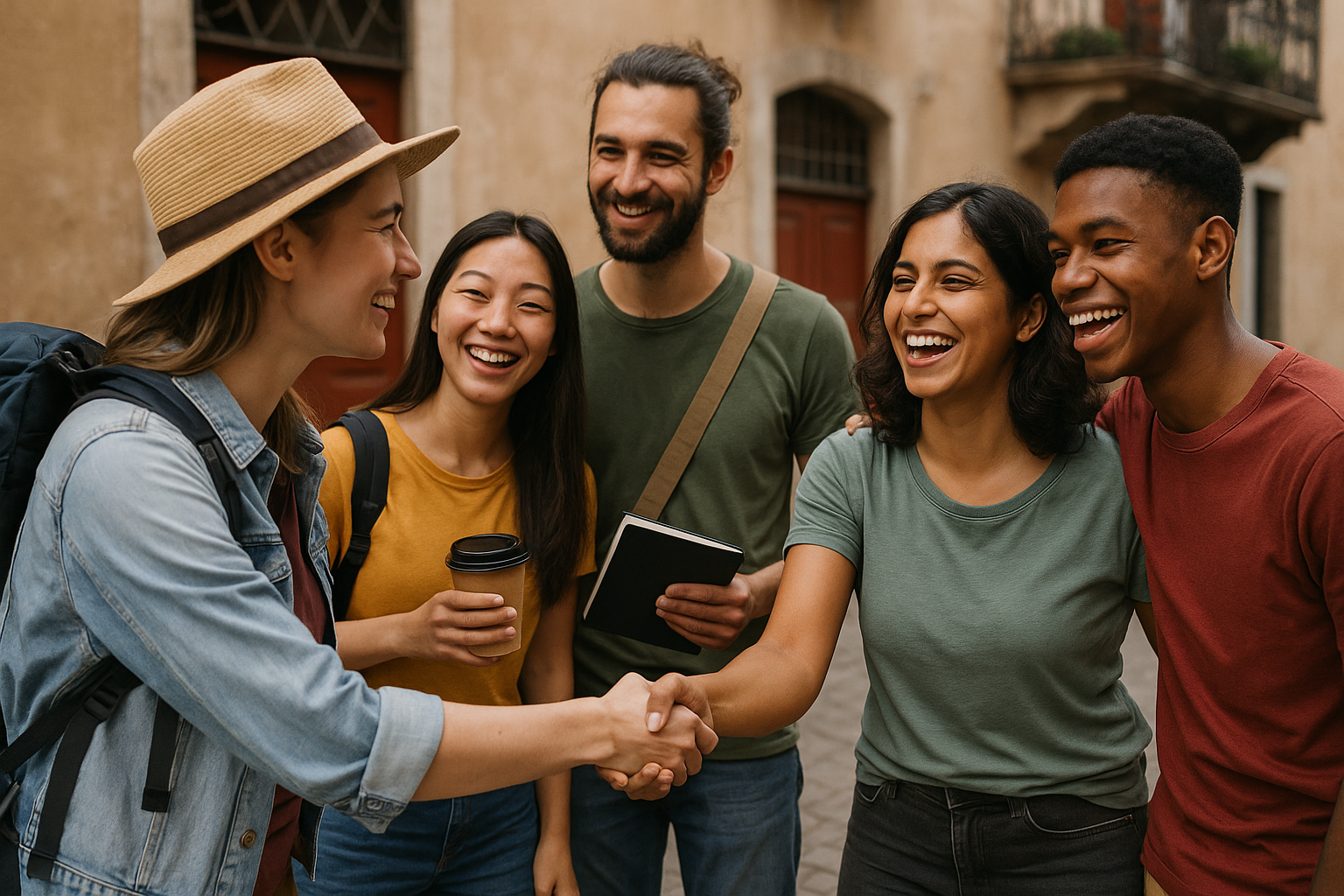
Making Friends While Traveling: How to Build Genuine Connections on the Road
Making friends while traveling is one of the most rewarding things you can do on the road — and honestly, one of the most underestimated. You share a few laughs in a hostel common room, swap handles, and promise to visit each other someday. Then life moves on, and that person becomes a fond memory rather than an actual friend. There’s nothing wrong with that. But if you’re craving something deeper — something that outlasts the trip itself — you’ll need to be a little more intentional about it.
This guide is for travelers who want more than surface-level moments. The ones who want to sit at a local’s dinner table, join a community, and leave a place feeling like they genuinely belonged there — even for a little while. Whether you’re heading out solo for the first time or you’re a seasoned explorer looking to connect more meaningfully, these strategies will help you find your people, wherever you go.
Why Making Friends While Traveling Matters More Than You Think
Travel changes you. But the moments that change you most are rarely the landmarks — they’re the conversations. The stranger who invites you to join their family dinner. The fellow traveler who talks you through a rough night in a foreign city. The local who shows you a side of their hometown no guidebook has ever captured.
Friendships made on the road have a way of reshaping how you see the world. They make you more empathetic, more curious, and more confident. They also make travel itself richer. A city you’ve explored alone is a memory. A city you’ve explored with someone who showed you their favorite hidden street and laughed with you until midnight — that’s a story you’ll carry for the rest of your life.
So if you’re wondering how to make friends while traveling — genuinely, not just superficially — here’s where to start.
What Makes Travel Friendships Different (and Worth Pursuing)
There’s something unique about the friendships you build on the road. You meet people without the usual context — no shared school, no mutual friends, no professional network. You connect purely because you’re both curious, both open, and both in the same place at the same time. That kind of connection can feel surprisingly deep, surprisingly fast.
But it also comes with a challenge. Without the everyday proximity that sustains most friendships — the coffee runs, the casual check-ins, the shared routines — travel friendships can fade just as quickly as they form. The ones that last are the ones you invest in deliberately. And that starts with knowing how to build them in the first place.
Why Hostel Friendships Aren’t Always Enough
Hostels are brilliant for meeting people quickly. The shared spaces, the communal dinners, the spontaneous conversations at 1 a.m. — it’s a social environment built for connection. But most of those friendships are built on proximity, not shared values or genuine curiosity about each other’s lives.
Research in social psychology consistently shows that meaningful friendships develop over time through repeated interactions and shared experiences. A two-night overlap in a dorm room rarely provides that. When you’re both moving on to different cities by Thursday, the relationship has a built-in expiry date.
That doesn’t mean hostel friendships are worthless. Some of them do turn into something real. But if making friends while traveling in a meaningful way is your goal, you’ll want to expand your social landscape beyond the common room.
The Best Ways to Make Friends While Traveling
There’s no single formula, but there are environments and habits that consistently bring people together. Here are the approaches that actually work — whether you’re a first-time solo traveler or someone who’s been on the road for months.
Go Where Locals Actually Go
The single most effective shift you can make is choosing your environments deliberately. Tourist-heavy bars and Instagram-famous cafés attract other tourists. If you want to meet locals — or fellow travelers who are equally curious about the world — you need to be where they are. And that usually means stepping away from the obvious spots.
- Neighborhood markets and community events — Show up regularly, not just once. Familiarity builds trust.
- Sports clubs and fitness communities — A local running club or football team gives you an instant shared purpose and a weekly reason to show up.
- Language exchange meetups — You practice their language, they practice yours. It’s a genuinely equal exchange and a natural conversation starter.
- Religious or spiritual communities — If this aligns with your values, these spaces are often deeply welcoming to respectful visitors.
- Hobby groups — Photography walks, book clubs, cooking classes. Shared interests cut through cultural and language barriers faster than almost anything else.
Platforms like Meetup are genuinely useful here. You can search for local events before you even arrive, which means you walk into a new city with a social plan already in place.
Volunteer Your Time, Not Just Your Presence
Volunteering is one of the most underrated strategies for making friends while traveling. When you work toward a shared goal with people — whether that’s building something, teaching, cleaning up a beach, or supporting a local organization — you bond in a way that casual socializing rarely produces.
The key is to choose something you genuinely care about. Joining a project just to fill your schedule is what some call “friendship tourism” — showing up for the social benefits without real commitment. Communities notice that. But when you arrive with authentic interest and stay consistent, people open up in ways that can genuinely surprise you.
Look for local volunteer organizations rather than large international ones. They tend to be more rooted in the community, and your contribution feels more direct. Organizations like Workaway connect travelers with hosts around the world who offer accommodation in exchange for a few hours of help each day — giving you the time, stability, and community to build real friendships.
Slow Down and Stay Longer
This one is simple but powerful. Meaningful friendships take time. Weeks, often. Sometimes months. If you’re moving cities every three days, you’re not giving relationships the space they need to grow.
Consider spending two to four weeks in one place instead of rushing through a country. Become a regular at the same coffee shop. Join that weekly yoga class. Show up to the same community event twice. The moment people start recognizing you — and expecting to see you — is the moment real connection becomes possible.
👉 Read also: Making Friends While Traveling: How to Build Real Connections, Not Just Acquaintances
Slower travel isn’t just better for friendships. It’s better for your understanding of a place. You stop seeing a city as a checklist and start experiencing it as a community you’re temporarily part of.
Join Group Travel Experiences
Structured group experiences are one of the fastest ways to make friends while traveling, especially if you’re going solo. Multi-day hikes, surf camps, cooking retreats, language immersion programs — these create the kind of repeated, shared experiences that social psychology tells us are essential for real bonding.
You don’t have to commit to a full group tour either. Even a single-day activity — a guided hike, a street food tour, a group photography walk — puts you in a room with people who already share at least one interest with you. That’s a better starting point than most.
Use Apps and Online Communities Before You Arrive
One of the smartest moves you can make is building social momentum before you even land. Online communities for travelers, expats, and locals exist for almost every city in the world — and joining them early gives you a head start on connection.
Facebook groups for expats and travelers in specific cities are surprisingly active. Reddit communities like r/solotravel are full of people planning trips and looking for company. Apps like Couchsurfing’s Hangouts feature, Tourlina, and Bumble BFF let you connect with people in the same city who are open to meeting up. None of these replace real-world interaction, but they lower the barrier to that first conversation significantly.
Be Vulnerable. Be Curious. Be Real.
Here’s something no travel app can teach you: people connect with authenticity, not performance. You don’t need to be endlessly adventurous or have a perfectly curated travel story. What actually draws people in is genuine curiosity about their lives, and the willingness to share something real about your own.
Ask questions that go beyond “where are you from?” Listen properly. Admit when you’re lost — literally and figuratively. Making friends while traveling often happens in the unexpected moments: when something goes wrong, when you ask for help, when you show up imperfect and human.
Cultural differences can feel like barriers, but they’re often the most interesting starting points for conversation. Approach them with curiosity rather than judgment, and you’ll find that most people respond warmly to someone who genuinely wants to understand their world.
How to Make Friends While Traveling Solo
Solo travel is one of the most liberating experiences you can have — but it can also feel isolating if you don’t know how to open up to connection. The good news? Traveling alone actually makes it easier to meet people. You’re more approachable, more available, and more likely to say yes to spontaneous invitations.
A few habits that make a real difference when you’re on your own:
- Eat at the bar or communal table — Sitting alone at a corner table closes you off. Sitting at the bar or a shared table opens you up to conversation naturally.
- Say yes more often — When someone invites you to join them, say yes. Even if you’re tired. Even if it’s not exactly what you planned. Some of the best travel friendships start with an impulsive yes.
- Put your phone away — Scrolling sends a clear signal that you’re unavailable. Being present — looking around, making eye contact, smiling — sends the opposite one.
- Use solo-traveler apps — Apps like Couchsurfing’s Hangouts feature or Tourlina connect solo travelers in the same city who want to explore together. They’re not perfect, but they work.
- Book social accommodation — Hostels with organized events, coliving spaces, and guesthouses with communal kitchens all create natural opportunities for connection without any effort on your part.
What to Do When Solo Travel Feels Lonely
Even the most experienced solo travelers hit a wall sometimes. You’re in a beautiful city, surrounded by people, and somehow still feel completely alone. It happens. And it’s more common than anyone’s Instagram feed suggests.
When that feeling creeps in, resist the urge to retreat to your room and scroll. Instead, go somewhere with energy — a busy café, a market, a park where people gather. You don’t have to talk to anyone right away. Just being around people, in a space that feels alive, can shift your mood enough to open you back up to connection. And from there, one small conversation is usually all it takes.
How to Make Friends With Locals, Not Just Other Travelers
Meeting other travelers is easy. Meeting locals — and building genuine friendships with them — takes a little more intention. But it’s also where some of the most meaningful connections happen.
The most important thing you can do is show up consistently. A local who sees you once at a market is a stranger. A local who sees you every Saturday morning for three weeks is someone who might invite you to their cousin’s birthday. Regularity signals that you’re not just passing through — and that changes how people relate to you.
Learning even a few words of the local language goes a long way too. You don’t need to be fluent. The effort itself communicates respect and genuine interest, and people respond to that. Pair that with a willingness to participate in local customs — eating what they eat, joining in on local celebrations, asking about traditions rather than just observing them — and you’ll find doors opening that stay firmly shut for most tourists.
The Best Places to Meet Locals While Traveling
Wondering exactly where to start? These spots consistently deliver authentic local encounters:
- Local markets — Go on a weekday morning when it’s less crowded and more community-driven.
- Community sports leagues — Many cities welcome drop-in players for football, basketball, or volleyball games in local parks.
- Neighborhood cafés and bakeries — Skip the chain on the main square. Find the place three streets back where regulars have their own seat.
- Cultural workshops — Pottery, traditional cooking, local dance classes. You’re learning something real and meeting people who care about preserving it.
- Public libraries and community centers — Often overlooked by travelers, these spaces host free events, language exchanges, and local gatherings that are genuinely open to everyone.
How to Start a Conversation When You Don’t Know Anyone
This is the part most people overthink. You don’t need a clever opener or a perfectly rehearsed line. The best conversation starters are the most natural ones — a comment about where you are, a question about a local recommendation, or simply asking if the seat next to someone is free.
What actually matters is what comes after. Real connection happens when you listen more than you talk, when you ask follow-up questions, and when you share something genuine about yourself in return. People remember how you made them feel — curious, heard, welcomed — far more than what you actually said.
👉 Read also: Solo Travel in Southeast Asia: Finding Your People While Finding Yourself
If you’re naturally introverted or tend to feel anxious in social situations, start small. Strike up brief, low-stakes conversations throughout the day — with a barista, a market vendor, someone waiting at the same bus stop. Think of it as building a muscle. By the time you’re at a group dinner or a shared hiking trail, it’ll feel far more natural than you expected.
Conversation Starters That Actually Work on the Road
Still not sure what to say first? Here are a few openers that feel natural rather than forced:
- “Have you been here before? Any recommendations?” — Simple, open-ended, and gives the other person a chance to share something they know.
- “How long have you been traveling?” — Works perfectly with fellow travelers and instantly creates common ground.
- “I’m trying to find somewhere locals actually eat — any ideas?” — Flatters locals and signals that you’re genuinely curious about their city.
- “Mind if I join you?” — Direct, honest, and surprisingly effective. Most people say yes.
- “What’s the one thing you’d tell someone visiting here for the first time?” — People love sharing insider knowledge. This question almost always leads somewhere interesting.
The goal isn’t to impress anyone. It’s just to open a door. What happens next is up to both of you.
How to Overcome the Fear of Talking to Strangers While Traveling
Let’s be honest: walking up to someone you’ve never met and starting a conversation can feel awkward. Even for experienced travelers. But here’s the thing — most people on the road are in exactly the same position as you. They’re curious, a little nervous, and quietly hoping someone will make the first move.
You don’t need a perfect opener. A genuine comment about where you are, a question about a recommendation, or even just a smile and a “mind if I sit here?” is enough to get things started. The bar is lower than you think. Most people are far more receptive to connection than we assume — especially when they’re traveling and already open to new experiences.
If you struggle with social anxiety, start small. Practice striking up brief conversations with no pressure attached — with a barista, a market vendor, a fellow passenger on a bus. Build the muscle gradually. By the time you’re at a hostel dinner or a group hike, it’ll feel far more natural.
How to Keep Travel Friendships Alive After You Leave
The friendships worth keeping deserve more than a follow on social media. When you meet someone meaningful, make the effort to stay in actual contact. Voice messages, video calls, sending a postcard from your next destination — small gestures that say “I still think about you.”
Plan to return if you can. Or invite them to visit you. The best travel friendships often evolve into a network of people around the world who you genuinely look forward to seeing again. That’s not just a social perk. It changes the way you experience the world entirely.
One practical tip: before you part ways, don’t just exchange handles. Get a phone number, a WhatsApp contact, or an email address. Social media algorithms are unpredictable — a direct line of communication is far more reliable for keeping a friendship alive across time zones.
Simple Ways to Stay in Touch With Travel Friends
- Schedule a regular video call — Even once a month keeps the connection alive. Put it in the calendar before you say goodbye.
- Send voice messages — They feel more personal than a text and take less effort than a call. WhatsApp makes this effortless across time zones.
- Share things that remind you of them — A photo, an article, a song. It says “I thought of you” without needing a long message.
- Plan a reunion trip — Even a vague plan gives the friendship a future. “Let’s meet in Lisbon next year” is more powerful than it sounds.
- Send a postcard — Old-fashioned, yes. But receiving something physical in the mail is memorable in a way that a DM never quite is.
Making Friends While Traveling: The Mindset That Changes Everything
All the strategies in the world won’t help if you’re approaching connection as something that happens to you rather than something you actively create. The travelers who consistently build meaningful friendships on the road share one thing: they show up with genuine openness. Not a performance of openness — actual curiosity about the people around them.
That means being willing to feel a little awkward. To sit with strangers. To ask questions you don’t know the answers to. To share something real about yourself before you know if the other person will reciprocate. It means treating every new encounter as a potential story rather than a transaction.
The world is full of people who are just as curious, just as hopeful, and just as ready to connect as you are. You just have to be the one who makes the first move.
Frequently Asked Questions About Making Friends While Traveling
Is it really possible to make genuine friends while traveling?
Absolutely. Travel friendships can be some of the most authentic connections you’ll ever make — precisely because they form without the usual social filters. The key is investing time and showing genuine curiosity, rather than expecting deep bonds to form overnight.
How do I make friends while traveling if I’m introverted?
Start with structured environments where conversation happens naturally — group tours, cooking classes, language exchanges, volunteer projects. You don’t have to be the loudest person in the room. Asking thoughtful questions and listening well is often more magnetic than being outgoing.
What are the best apps for making friends while traveling?
Meetup, Couchsurfing’s Hangouts feature, Tourlina, and Bumble BFF are all worth exploring. Facebook groups for travelers and expats in specific cities are also surprisingly active. Use them to lower the barrier to that first in-person meeting — then let the real connection take over.
How do I make friends with locals, not just other travelers?
Show up consistently in the same places. Learn a few words of the local language. Join community activities — sports leagues, markets, cultural workshops — where you’re participating rather than just observing. Locals open up to people who clearly want to understand their world, not just pass through it.
How do I keep travel friendships alive after the trip ends?
Exchange direct contact details — not just social media handles. Schedule a video call before you part ways. Send voice messages, postcards, or things that remind you of them. And if you can, make a plan to meet again. Even a loose one. It gives the friendship a future.
What should I do if I feel lonely while traveling solo?
Go somewhere with energy rather than retreating to your room. A busy café, a local market, a park where people gather. You don’t have to talk to anyone immediately — just being around life can shift your mood. From there, one small conversation is usually all it takes to turn the day around.
This article was produced with AI assistance and reviewed editorially.


Planning Your First Solo Trip: A Step-by-Step Blueprint for Unforgettable Travel

Teaching English Abroad in 2026: Top Countries, Visa Requirements & Real Salaries


