
Europe
The Best Underrated European Cities for Young Travelers (Beyond the Instagram Hotspots)
Discover the best underrated European cities for young travelers in 2026 — from Tbilisi to Plovdiv, Ghent to Kotor. Authentic experiences, real adventures, and budget-friendly tips beyond the Instagram hotspots.

The Best Underrated European Cities for Young Travelers (Beyond the Instagram Hotspots)
If you’ve been scrolling through travel content lately, you already know that underrated European cities are having a serious moment — and for good reason. While everyone else is fighting for a selfie spot at the Trevi Fountain or paying €18 for a cocktail in Mykonos, a whole other Europe is waiting to be discovered. One where the streets feel lived-in, the food is genuinely local, and the price of a full dinner won’t make you question your life choices.
This isn’t about avoiding popular places just because they’re popular. It’s about finding destinations where you actually get to experience a city rather than just pass through it. These are the places where you’ll stumble into a jazz bar nobody told you about, share a meal with people from six different countries, and wake up the next morning already planning how to come back.
We’ve pulled together the best underrated European cities to visit right now — places that deliver on culture, community, and adventure without draining your budget or your patience. Whether you’re planning your first solo trip or your tenth, these destinations will surprise you in the best possible way.
Why Young Travelers Should Explore Underrated European Cities
Overtourism is real, and it changes a place. When a city becomes a backdrop for content rather than a living community, something gets lost. Locals move out of central neighborhoods. Authentic restaurants get replaced by tourist traps. The culture becomes a performance rather than something you can actually connect with.
The good news? Europe is enormous, and most of it remains genuinely unexplored by the average traveler. According to Eurostat tourism data, visitor numbers in secondary European cities have grown steadily, but they still receive a fraction of the traffic that capitals like Paris or Rome absorb each year. That gap is your opportunity.
Beyond the crowds, these lesser-known European cities tend to be significantly more affordable, more authentic, and more open to curious travelers who want to connect rather than consume. If you’re after real experiences — the kind that actually change how you see the world — this is where to look.
What Makes a European City Truly Underrated?
Not every city that flies under the radar deserves more attention. The best underrated European cities for young travelers share a few things in common: a strong local identity that hasn’t been diluted by mass tourism, a price point that lets you actually enjoy yourself, and enough depth — cultural, historical, culinary — to keep you genuinely engaged for days.
The cities on this list aren’t just cheap alternatives to the famous ones. They’re destinations with their own distinct character, their own stories, and their own reasons to visit. Some are hidden in plain sight. Others require a little more effort to reach. All of them will reward you for showing up.
How We Chose These Hidden Gem European Cities
Every city on this list was chosen against three simple questions. Does it have a strong local identity that tourism hasn’t watered down? Can a traveler on a realistic budget actually enjoy it? And does it offer enough cultural, historical, or culinary depth to fill several days without running out of things to discover? If the answer to all three was yes, it made the cut. If it felt like a destination that’s already peaked or is rapidly heading toward overcrowding, it didn’t.
The result is a mix of Central European gems, Balkan discoveries, Mediterranean surprises, and a couple of cities that sit right on the edge of the continent’s definition — all of them genuinely worth your time in 2026 and beyond.
The Best Underrated European Cities to Visit Right Now
From Central Europe’s medieval gems to the sun-drenched south, here are the cities that deserve a spot on your travel radar this year and beyond.
Krakow, Poland: History You Can Actually Feel
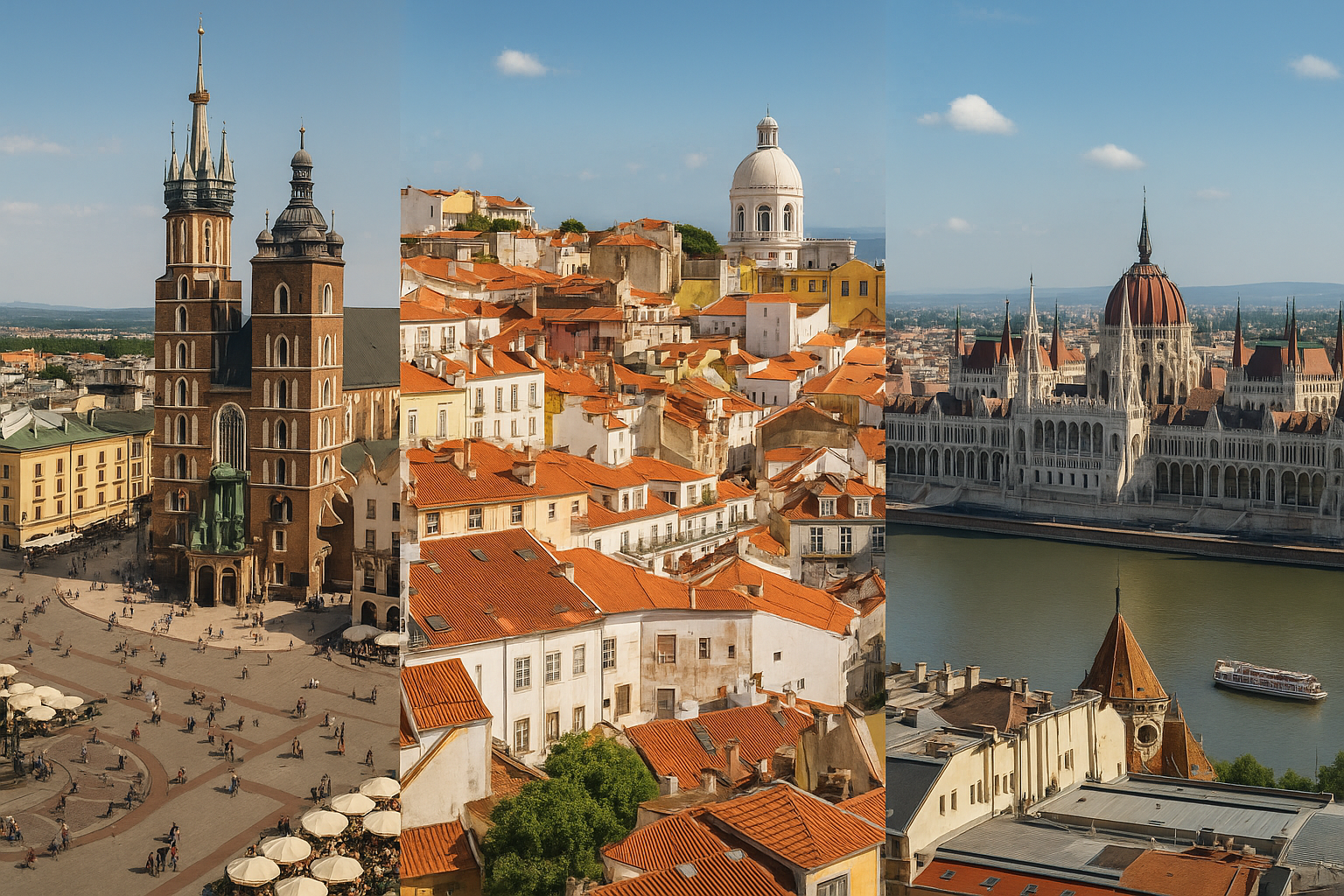
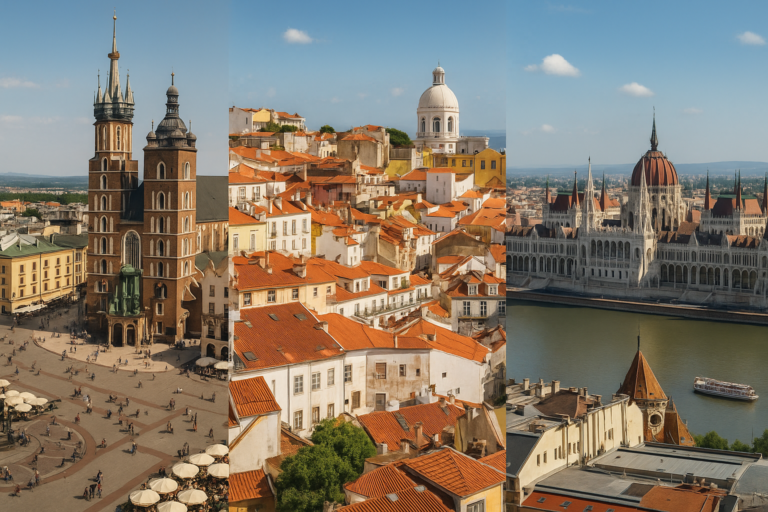
Krakow might be one of the most underrated European cities that’s slowly finding its audience — and it deserves every bit of attention it gets. The Old Town is a UNESCO World Heritage Site, but it doesn’t feel like a museum. People actually live here. Students fill the cafés. Markets spill into the main square. The energy is real.
Wander through the Kazimierz district, Krakow’s historic Jewish quarter, and you’ll find independent bookshops, vintage stores, and some of the best street food you’ll eat anywhere in Europe. A full meal with drinks rarely costs more than €10. Accommodation is similarly affordable, with well-rated hostels running between €10 and €20 per night.
The city also sits close to Auschwitz-Birkenau, a sobering but essential visit for anyone who wants to understand 20th-century European history on a deeper level. It’s the kind of experience that stays with you long after you’ve gone home.
Best for: History lovers, budget travelers, solo adventurers.
Shoulder season tip: Visit in April or October for mild weather and thinner crowds.
Budapest, Hungary: The City That Never Stops Surprising You
Budapest is one of those cities that looks incredible in photos but somehow looks even better in person. The Danube splits the city in two — Buda on one side, Pest on the other — and the contrast between the two keeps things interesting. Stroll across the Chain Bridge at dusk and you’ll understand why people keep coming back.
The ruin bar scene is legendary, but it’s only part of what makes Budapest worth your time. The thermal baths are genuinely therapeutic after a long travel day. The street food market at Nagycsarnok is a sensory experience. And the city’s hostel culture is some of the best in Europe — social, well-organized, and full of travelers who are there to explore rather than party themselves into oblivion.
Budget-wise, Budapest punches well above its weight. You can eat well, move around freely on public transport, and experience world-class architecture without spending anywhere near what you’d spend in Vienna or Prague.
Best for: Culture seekers, social travelers, architecture fans.
Don’t miss: Szimpla Kert ruin bar, the Great Market Hall, and a sunrise walk along the Danube.
Lisbon, Portugal: Warm, Welcoming, and Still Authentic
Lisbon has grown in popularity over the past decade, but it remains one of the most welcoming and navigable cities in Southern Europe. The hills are steep, the trams are charming, and the locals are genuinely friendly — not in a performative way, but in the way that makes you feel like you belong somewhere.
Head to the Mouraria or Intendente neighborhoods if you want to see the city beyond the postcard version. These areas are vibrant, multicultural, and full of small restaurants where the menu changes daily based on what’s fresh. Fado music drifts out of doorways in the evenings. It’s the kind of atmosphere that’s hard to manufacture and impossible to fake.
Lisbon is also a strong base for day trips. Sintra’s palaces are less than an hour away by train. The Atlantic coast is equally accessible. For a city with this much to offer, it remains surprisingly accessible on a modest budget — particularly if you travel outside of peak summer months.
Best for: First-time solo travelers, food lovers, anyone chasing that golden-hour feeling.
Hidden gem: The LX Factory market on weekend mornings — local designers, street food, and zero tourist-trap energy.
👉 Read also: European Hidden Gems: Korcula Croatia, Peak District UK & Gran Canaria's Best Neighborhoods
Brno, Czech Republic: Prague’s Cooler, Quieter Sibling
Most travelers fly into Prague and never look further. That’s a shame, because Brno — the country’s second city — offers a similar architectural richness with a fraction of the crowds. It’s a university town, which means the nightlife is lively, the café culture is strong, and the locals are genuinely curious about meeting travelers.
Accommodation is cheap. The city is compact and easy to navigate on foot. And because it sits at the crossroads of Central Europe, it’s a natural stop if you’re doing a longer overland journey through the region. Brno is one of those underrated European destinations that rewards slow travel — the longer you stay, the more it reveals.
Best for: Architecture enthusiasts, slow travelers, anyone doing a Central Europe rail trip.
Local tip: The Špilberk Castle views at sunset are completely free and genuinely spectacular.
Bucharest, Romania: Raw, Layered, and Completely Underestimated
Bucharest is one of the most misunderstood capitals in Europe, and that misunderstanding is slowly working in its favor. The city has a raw, layered energy that’s hard to describe until you’ve walked its streets. Art nouveau architecture sits beside communist-era apartment blocks. The food scene is evolving fast. And the cost of living is among the lowest of any European capital, making it ideal for travelers who want to stretch their budget without sacrificing experience.
The creative scene here is genuinely exciting — independent galleries, underground music venues, and a café culture that’s starting to rival cities twice its size. Bucharest rewards curiosity. The more you wander, the more you find.
Best for: Budget travelers, creatives, anyone who loves a city with real character.
Don’t sleep on: The Floreasca neighborhood for local restaurants and a relaxed, neighborhood-y atmosphere.
Ghent, Belgium: The Underrated European City That Has Everything
Everyone goes to Bruges. Fewer people make it to Ghent — and that’s exactly why you should. This medieval Flemish city has canals, guild houses, and centuries of history, but it also has a thriving student population that keeps it feeling alive and forward-looking rather than frozen in time.
The food scene is exceptional. Ghent has one of the highest concentrations of vegetarian and vegan restaurants in Europe, but the traditional Flemish cuisine is equally worth exploring. The Graslei waterfront at night is one of the most beautiful scenes you’ll find anywhere on the continent. And unlike Bruges, you can actually afford to eat and drink here without wincing at the bill.
Best for: Food lovers, history buffs, weekend trippers from the UK or France.
Hidden gem: The Vrijdagmarkt square on a weekday morning, when it belongs entirely to the locals.
Thessaloniki, Greece: The Greek City You Haven’t Visited Yet
Athens gets all the attention. Thessaloniki gets all the flavor. Greece’s second city is a place where Byzantine churches sit beside Ottoman-era markets, where the waterfront promenade fills with locals every evening, and where the food — widely considered the best in Greece — is taken very seriously indeed.
It’s also significantly more affordable than Athens, and far less crowded than the islands in summer. The city’s mix of Greek, Jewish, Ottoman, and Balkan influences gives it a cultural depth that’s genuinely rare. Spend a few days here and you’ll start to wonder why you ever booked Santorini.
Best for: Food-focused travelers, history lovers, anyone who wants Greece without the tourist crowds.
Local experience: Join the evening volta — the traditional waterfront stroll — and you’ll feel like a local within minutes.
Tbilisi, Georgia: Europe’s Most Exciting Emerging City
Technically sitting at the crossroads of Europe and Asia, Tbilisi is one of the most talked-about underrated European cities among travelers who’ve been there — and one of the least known among those who haven’t. That’s changing fast, and for good reason.
The old town is a maze of wooden balconies, sulfur bathhouses, and crumbling churches that somehow manages to feel both ancient and effortlessly cool. The natural wine scene is world-class — Georgia is one of the oldest wine-producing regions on earth, and locals take it seriously. And the food? Think khinkali dumplings, rich walnut sauces, and flatbreads baked in clay ovens. Every meal feels like a discovery.
Tbilisi is also extraordinarily affordable. A full day of eating, exploring, and getting a traditional sulfur bath will cost you less than a single round of drinks in London. The city’s hostel and guesthouse scene is warm and community-driven, making it a natural fit for solo travelers and small groups alike.
Best for: Adventurous first-timers, food and wine lovers, travelers who want something genuinely different.
Don’t miss: The Narikala fortress at sunset, the Abanotubani sulfur bath district, and a natural wine bar in the old town.
Porto, Portugal: More Than Lisbon’s Smaller Sibling
Porto often gets framed as the quieter alternative to Lisbon, but that framing undersells it. This is a city with its own distinct identity — working-class roots, extraordinary azulejo tile facades, and a riverfront that’s genuinely one of the most atmospheric in Europe. The Douro River at golden hour, with the port wine lodges stacked up on the opposite bank, is the kind of view that makes you stop mid-sentence.
The Bonfim and Cedofeita neighborhoods are where the local creative scene lives — independent coffee shops, record stores, small galleries, and restaurants that change their menus based on what arrived at the market that morning. Porto rewards wandering. Get lost in the Ribeira district’s narrow lanes, follow the sound of live music, and let the city show you what it’s got.
It’s also a strong budget destination outside of peak season, with affordable guesthouses and some of the best value dining in Western Europe.
Best for: Culture lovers, food and wine travelers, anyone who appreciates a city with genuine soul.
Local tip: Cross the Dom Luís I Bridge on foot and explore the Vila Nova de Gaia wine caves on the other side — most offer free or low-cost tastings.
Ljubljana, Slovenia: Small City, Enormous Personality
Ljubljana is one of Europe’s smallest capitals, and it might just be its most livable. The car-free old town is compact enough to explore in an afternoon but layered enough to keep you busy for days. A castle sits on the hill above the city. The river curves through the center. Café terraces spill out along the banks. It’s the kind of place that makes you slow down without even trying.
What makes Ljubljana stand out among underrated European cities is how effortlessly it balances history and a forward-thinking local culture. The city has a strong sustainability focus, a thriving food market, and a creative scene that punches well above its weight. It’s also a brilliant base for exploring Slovenia’s extraordinary natural landscapes — Bled, Triglav National Park, and the Soča Valley are all within easy reach.
Best for: Nature lovers, slow travelers, anyone combining city breaks with outdoor adventure.
Don’t miss: The Sunday morning open-air market along the Ljubljanica River — local produce, handmade crafts, and a genuinely community feel.
👉 Read also: Barcelona & Lisbon: Local Food & Drink Guides for Young Travelers
Plovdiv, Bulgaria: Europe’s Oldest Continuously Inhabited City
Plovdiv doesn’t get nearly enough credit. It’s one of the oldest continuously inhabited cities in Europe, with a layered history that spans Thracian, Roman, Byzantine, and Ottoman eras — and you can see all of it just by walking through the old town. Cobblestone streets wind between beautifully restored National Revival-period houses. Roman ruins sit casually in the middle of pedestrian zones. It’s the kind of place where history is just part of the scenery.
The Kapana district — Plovdiv’s creative quarter — is where the city’s contemporary energy lives. Independent galleries, craft coffee shops, street art, and small live music venues fill a neighborhood that was almost entirely derelict a decade ago. The transformation is remarkable, and it’s still very much in progress, which means you’re catching it at exactly the right moment.
Prices here are among the lowest you’ll find anywhere in Europe. A full day of eating, drinking, and exploring rarely costs more than €20–€25. Plovdiv is genuinely one of the most underrated cities in Europe right now, and it won’t stay that way forever.
Best for: History lovers, budget travelers, creatives, anyone who wants to feel like they’ve discovered something real.
Local tip: Climb Nebet Tepe hill at dusk for panoramic views over the old town — it’s free, it’s quiet, and it’s unforgettable.
Kotor, Montenegro: Medieval Drama on the Adriatic
Kotor is one of those places that genuinely stops you in your tracks. A walled medieval city tucked into a bay so dramatic it looks like someone designed it for a film set — except it’s completely real, and almost entirely overlooked by travelers who head straight for Dubrovnik instead. That’s their loss and your gain.
The old town is tiny enough to explore in a morning but atmospheric enough to keep you wandering all day. Climb the ancient city walls for views over the bay that you won’t forget in a hurry. Then come back down and find a table at a local konoba — a traditional tavern — where the seafood is fresh, the wine is local, and the bill won’t hurt.
Montenegro as a whole is one of the most underrated countries in Europe, and Kotor is the perfect entry point. It connects easily with Budva, the Bay of Kotor’s quieter villages, and even a quick hop into Albania if you’re feeling adventurous. This corner of the Adriatic is genuinely special — and still flying well under the radar.
Best for: Adventure seekers, history lovers, travelers doing a Balkans road trip.
Don’t miss: The hike up to St. John’s Fortress at sunrise — the views are extraordinary and you’ll likely have them almost entirely to yourself.
Practical Tips for Exploring Underrated European Cities on a Budget
Knowing where to go is only half the equation. Here’s how to make the most of these hidden gem European cities without overspending or over-planning.
Travel in Shoulder Season
Spring (April–May) and autumn (September–October) are the sweet spots for most of these destinations. Prices drop, crowds thin out, and the weather is often more pleasant than peak summer. You’ll also find it much easier to connect with locals when the city isn’t overwhelmed with visitors.
Use Overnight Trains and Buses
Central and Eastern Europe have excellent rail and bus networks. Overnight connections between cities like Budapest, Bucharest, Krakow, and Thessaloniki save you both time and accommodation costs. FlixBus and Eurail cover most of the destinations on this list, and booking even a few days in advance can cut costs significantly.
Stay in Locally Run Hostels and Guesthouses
The best underrated European cities for young travelers tend to have strong independent hostel scenes. These aren’t just places to sleep — they’re communities. You’ll meet other travelers, get honest local recommendations, and often find organized activities that take you well beyond the tourist trail.
Eat Where the Locals Eat
In every city on this list, the best food is rarely found near the main tourist attractions. Walk a few streets away, look for menus written only in the local language, and follow the lunch crowds. You’ll eat better, spend less, and have a far more authentic experience.
Learn a Few Words of the Local Language
Even a basic greeting in Polish, Romanian, or Georgian goes a long way. Locals notice the effort, and it opens doors — sometimes literally. It’s one of the simplest ways to shift from being a tourist to being a traveler.
Frequently Asked Questions About Underrated European Cities
What are the most underrated European cities for young travelers in 2026?
Some of the best underrated European cities for young travelers right now include Tbilisi, Plovdiv, Ghent, Brno, Thessaloniki, Kotor, and Ljubljana. These destinations offer a strong mix of culture, affordability, and authentic local experiences — without the overwhelming crowds you’ll find in more famous cities.
Which underrated European city is best for solo travel?
Tbilisi and Ljubljana are both outstanding choices for solo travelers. Tbilisi has a warm, community-driven hostel scene and an incredibly welcoming local culture. Ljubljana is compact, safe, and easy to navigate, making it ideal if you’re heading out on your own for the first time.
What is the cheapest underrated city in Europe to visit?
Plovdiv in Bulgaria and Bucharest in Romania consistently rank among the most affordable destinations in Europe. Both offer rich cultural experiences, excellent food, and vibrant local scenes at a fraction of the cost of Western European cities.
Are underrated European cities safe for young travelers?
The vast majority of the cities on this list are very safe for young travelers, including solo travelers. As with any destination, basic common sense applies — stay aware of your surroundings, keep your valuables secure, and research any specific local considerations before you go. Most of these cities have active traveler communities and well-established hostel networks that make it easy to stay informed.
How do I get between underrated European cities on a budget?
Overnight trains, regional buses, and budget airlines connect most of these destinations efficiently. FlixBus is particularly useful for Central and Eastern Europe. Eurail passes can offer good value if you’re planning a longer multi-city journey. Booking even a week in advance usually secures significantly lower prices.
Which underrated European city has the best food scene?
Thessaloniki is widely considered to have one of the best food scenes in all of Greece — and arguably in the wider Balkans. Tbilisi is extraordinary for anyone interested in the intersection of food, wine, and culture. Porto and Ghent are both exceptional for their respective regional cuisines. Honestly, every city on this list will feed you well.
Start Planning Your Next Adventure
The best underrated European cities for young travelers aren’t secrets — they’re just waiting for the right people to show up. You don’t need a huge budget, a perfectly planned itinerary, or months of preparation. You need curiosity, a willingness to wander, and the confidence to go somewhere that isn’t already on everyone else’s list.
Every city on this list has something genuinely worth discovering. The cobblestones, the local wine, the unexpected conversation with a stranger at a market stall — that’s the stuff that actually stays with you. Not the Instagram hotspot. Not the overpriced cocktail. The real thing.
Pick one. Book the ticket. The rest will take care of itself.
This article was produced with AI assistance and reviewed editorially.


Planning Your First Solo Trip: A Step-by-Step Blueprint for Unforgettable Travel

Teaching English Abroad in 2026: Top Countries, Visa Requirements & Real Salaries


