
Asia
Solo Travel in Southeast Asia: Finding Your People While Finding Yourself
Solo travel in Southeast Asia: discover how to find your people, find yourself, and explore the region’s best countries, hidden gems, and authentic experiences — with practical tips on budget, safety, and connection.

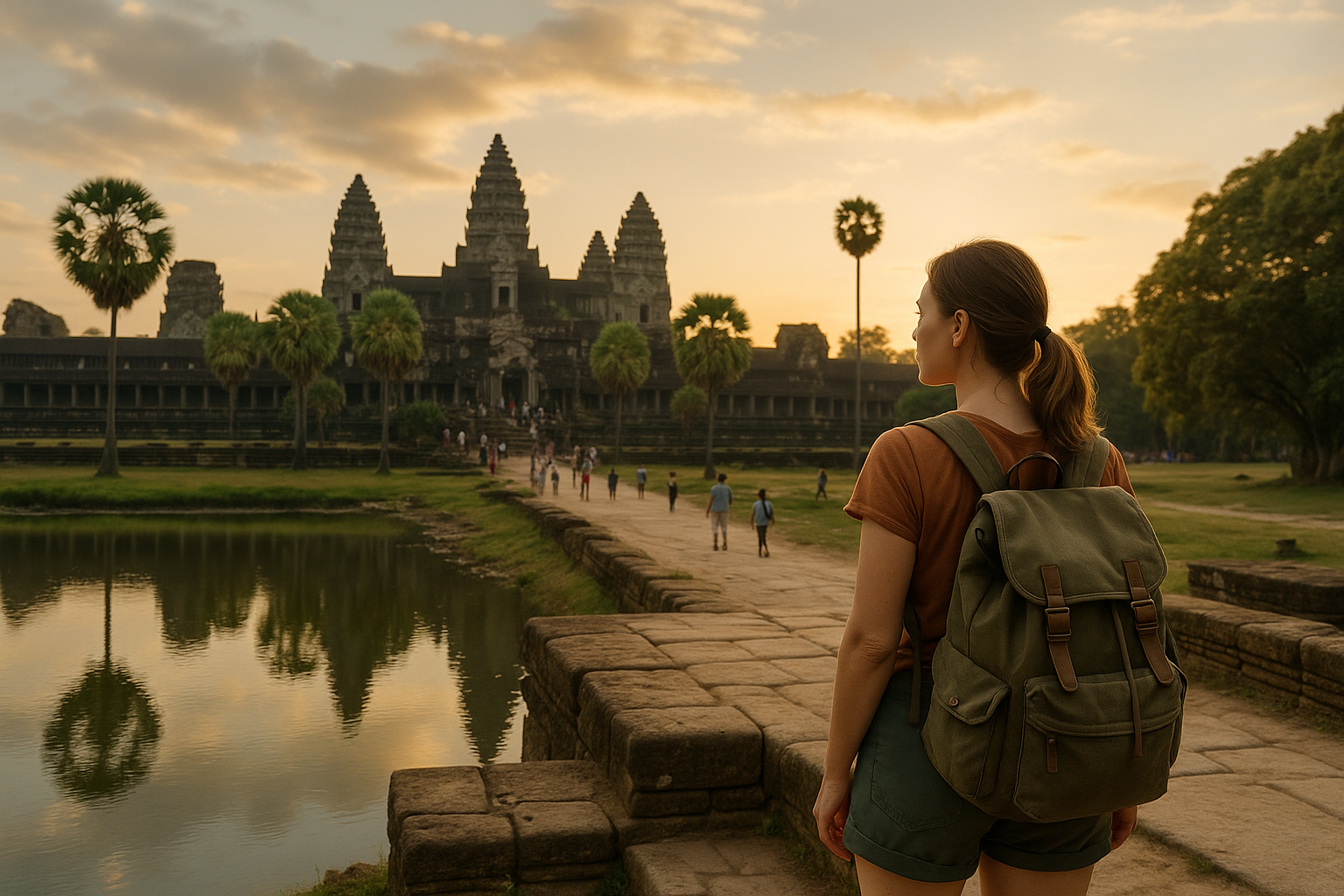
Solo Travel in Southeast Asia: Finding Your People While Finding Yourself
Solo travel in Southeast Asia is one of those experiences that sounds intimidating on paper and completely transforms you in practice. You land somewhere like Bangkok or Hanoi, backpack on your shoulders, no fixed plan — and within 48 hours, you’re sharing street food with strangers who feel like old friends. That’s the magic of this region. It pulls you in, opens you up, and somehow gives you exactly what you needed, even when you didn’t know what that was.
Whether you’re planning your first solo trip or you’ve already got a few stamps in your passport, Southeast Asia belongs on your list. This guide covers everything you need to know about solo travel in Southeast Asia: the best countries to explore, where to meet people, how to stay safe, how to budget smartly, and how to protect your energy when the road starts to wear you down. Let’s get into it.
Why Southeast Asia Is Perfect for Solo Travelers
Southeast Asia has become one of the most popular solo travel destinations in the world — and for good reason. The region is incredibly welcoming to independent travelers. Infrastructure for backpackers is well established, English is widely spoken in tourist areas, and the cost of travel is genuinely affordable. You can eat well, sleep comfortably, and move between countries without draining your savings.
Beyond the practicalities, there’s something about this part of the world that makes solo travel feel natural. The culture is warm and open. The landscapes shift dramatically from country to country — dense jungles, ancient temples, turquoise coastlines, chaotic cities, and quiet river towns. Every few days brings a completely different experience. And the community of travelers moving through the region means you’re almost never truly alone unless you want to be.
Simply put: Southeast Asia meets solo travelers exactly where they are. Nervous first-timer? The region holds your hand without making you feel like it is. Seasoned explorer craving something new? There are layers here you could spend years uncovering.
Finding Your People: How Solo Travel in Southeast Asia Connects You
One of the most surprising things about traveling solo through Southeast Asia is how quickly you stop feeling alone. The region has a built-in social infrastructure that makes meeting people almost effortless — if you know where to look.
It starts at the hostel breakfast table. It continues on the overnight bus when the person next to you asks where you’re headed. It deepens over a shared plate of pad thai at a night market stall with no English menu. These small, spontaneous moments are where real connections form — the kind that sometimes turn into week-long travel companions or lifelong friendships.
The solo travel community in Southeast Asia is genuinely one of the most open and welcoming you’ll find anywhere. People are here for the same reasons you are: to explore, to grow, to experience something real. That shared intention creates an instant common ground that makes conversation easy and connection natural.
The Best Places to Meet People as a Solo Traveler
- Social hostels: Look for places with rooftop bars, communal dinners, or organized day trips. The atmosphere does the work for you.
- Cooking classes: You’re learning together, laughing together, and eating together. It’s one of the easiest ways to bond with strangers in any country.
- Group day trips: Boat tours, temple visits, and jungle treks naturally bring solo travelers together. Sign up and see who shows up.
- Co-working spaces: Cities like Chiang Mai, Ho Chi Minh City, and Phnom Penh have thriving digital nomad communities that regularly host social events and skill shares.
- Night markets: You’re already standing next to people, eating the same thing, reacting to the same sights. It’s one of the most natural places in the world to start a conversation.
- Online communities before you go: Facebook groups like “Girls Love Travel” or country-specific backpacker groups are full of people planning routes, looking for travel companions, or sharing real-time advice.
Finding Yourself: The Inner Journey of Solo Travel
Here’s the thing about solo travel in Southeast Asia that nobody fully prepares you for: the person who lands in Bangkok and the person who flies home a month later are not quite the same. Something shifts. It’s hard to explain until it happens to you.
When you travel alone, every decision is yours. Where to eat, which bus to take, whether to stay another day or move on — there’s no one to defer to, no one to blame if it goes sideways. That kind of responsibility sounds daunting, but it’s also quietly liberating. You start to trust yourself in ways you didn’t before. You realize you’re more capable, more adaptable, and more resilient than you thought.
The moments of genuine solitude matter just as much as the social ones. A slow morning with a coffee and your journal. An afternoon at a quiet temple with no earphones or camera. Cycling somewhere with no destination in mind. These aren’t wasted hours — they’re when you actually process everything you’re experiencing. They’re when the journey starts to mean something.
Solo travel in Southeast Asia has a way of stripping things back to what’s essential. You figure out what you actually enjoy, not what you think you should enjoy. You get comfortable with uncertainty. You come home with a different perspective — on the world, and on yourself.
Best Countries for Solo Travel in Southeast Asia
Every country in the region has something unique to offer, but a few stand out as especially rewarding for solo travelers. Here’s an honest breakdown to help you plan your route.
Thailand
Thailand is often the first stop for solo travelers in Southeast Asia — and it earns that reputation. Bangkok is endlessly stimulating: street food on every corner, rooftop bars, ancient temples, and a nightlife scene that runs until sunrise. Head north to Chiang Mai for a slower pace, incredible food, and one of the most established digital nomad and backpacker communities in Asia. The islands in the south — Koh Tao, Koh Phangan, Koh Lanta — offer everything from diving courses to full moon parties to quiet beach bungalows. Thailand gives you options, and it’s forgiving for first-timers.
Vietnam
Vietnam rewards the curious. The country stretches over 1,600 kilometers from north to south, and traveling it solo feels like moving through several different worlds. Hanoi’s Old Quarter hums with motorbikes and street-side coffee shops. Ha Long Bay is genuinely breathtaking. Hội An glows with lanterns at night and moves at a pace that makes you want to stay longer than planned. Ho Chi Minh City pulses with energy and ambition. The classic north-to-south (or south-to-north) route is one of the great solo travel journeys in Southeast Asia — and one you’ll be talking about long after you’re home.
Cambodia
Cambodia is smaller and often underestimated. Siem Reap, the base for exploring Angkor Wat, has a surprisingly vibrant traveler scene. Phnom Penh is a city of real depth — historically significant, creatively alive, and worth more than a single night. The southern coast, particularly Kampot and Kep, offers a quieter, more laid-back experience that solo travelers who’ve been on the road for a while tend to love. Cambodia also has some of the most community-focused tourism initiatives in the region.
Indonesia
Indonesia is vast — over 17,000 islands — but solo travel here is very manageable if you focus your route. Bali remains one of the most popular solo destinations in Southeast Asia, with a well-developed infrastructure for independent travelers, strong yoga and wellness communities, and easy access to surf, rice terraces, and temples. Beyond Bali, the Gili Islands, Lombok, and Flores offer wilder, less-crowded adventures for those willing to go a little further off the beaten path.
👉 Read also: Southeast Asia Slow Travel: Luang Prabang, Saigon Day Trips & Real Ecotourism in Vietnam
Laos
If you want to slow down, Laos is the answer. Luang Prabang is one of the most peaceful towns in Southeast Asia — a UNESCO-listed city where monks walk at dawn, the Mekong flows quietly past, and life moves at a pace that feels almost deliberate. Vang Vieng has evolved from its party-town reputation into a destination for outdoor adventure: kayaking, caving, cycling, and hot air ballooning. Laos doesn’t get the attention it deserves, which is exactly why it’s worth going.
Malaysia and the Philippines: Worth Adding to Your Route
Two countries that often get overlooked in classic Southeast Asia itineraries — but absolutely shouldn’t. Malaysia blends modern city life in Kuala Lumpur with incredible street food culture (George Town in Penang is a food lover’s dream), lush rainforests in Borneo, and a relaxed, multicultural atmosphere that makes solo travel feel effortless. The Philippines, meanwhile, is all about island-hopping: turquoise water, dramatic limestone cliffs in Palawan, surf culture in Siargao, and some of the warmest hospitality you’ll find anywhere in the region. Both countries are English-friendly and easy to navigate solo.
How to Plan a Solo Trip to Southeast Asia
One of the best things about solo travel in Southeast Asia is that you don’t need a rigid plan. The region is built for flexibility. But a loose framework helps — especially if it’s your first time.
Choosing Your Starting Point
Most solo travelers enter the region through Bangkok, Kuala Lumpur, or Singapore — all well-connected international hubs with budget airline networks that make hopping between countries cheap and easy. Bangkok is the classic entry point: chaotic in the best way, full of other travelers, and a great place to find your feet before heading deeper into the region.
How Long Do You Need?
Two weeks gives you a solid taste of one or two countries. A month lets you move at a comfortable pace through three or four. Three months? You can genuinely explore a significant chunk of the region without feeling rushed. The sweet spot for most first-time solo travelers in Southeast Asia is four to six weeks — long enough to settle into the rhythm, short enough to stay energized throughout.
Building a Flexible Itinerary
The best solo travel Southeast Asia itineraries leave room to breathe. Book your first night or two in advance so you land with a plan, then let the rest evolve. Talk to people you meet on the road — a fellow traveler’s recommendation for a hidden guesthouse in northern Laos or a secret beach in the Philippines will always beat anything you find on a list. Stay somewhere longer if it feels right. Move on early if it doesn’t. That freedom is the whole point.
Visas and Entry Requirements
Visa rules vary by country and by your nationality, so always check the latest requirements before you travel. Many Southeast Asian countries offer visa-on-arrival or e-visa options that are straightforward to arrange. Thailand, Vietnam, Cambodia, and Indonesia all have accessible visa processes for most Western passport holders. Check official government sources or your country’s foreign travel advisory for the most current information — rules can change, and it’s worth verifying before you fly.
What to Pack for Southeast Asia Solo Travel
Pack light. Seriously. You’ll thank yourself the moment you’re navigating a crowded train station or squeezing onto a local bus. A 40–50 liter backpack is the sweet spot for most solo travelers in the region. Key items: lightweight, breathable clothing (including something modest for temple visits), a good rain jacket, a universal power adapter, a reusable water bottle with a filter, and a quality padlock for hostel lockers. Leave room for things you’ll pick up along the way — markets here are incredible.
Where You Stay Shapes Who You Meet
Your accommodation choice does more than give you a bed. It sets the social tone for your entire trip.
Hostels are still the heartbeat of solo travel in Southeast Asia. A good hostel — think rooftop common areas, communal dinners, or organized day trips — creates natural conversation without any awkwardness. You don’t have to try. Someone’s already asking where you came from and where you’re headed next. Look for hostels with strong review mentions of “community” or “atmosphere” rather than just cleanliness scores.
Guesthouses and homestays offer something different. They connect you more directly with local families and neighborhoods. Staying in a family-run guesthouse in Hội An or a homestay outside Siem Reap puts you inside daily life rather than alongside it. You’ll eat breakfast with the family, get directions from someone who actually lives there, and leave with a much richer sense of place.
If you’re working remotely, co-working spaces in cities like Chiang Mai, Ho Chi Minh City, and Phnom Penh have become genuine community hubs. Chiang Mai in particular has earned a reputation as one of the world’s top digital nomad destinations, with spaces that regularly host social events, skill shares, and day trips. It’s an easy way to meet people who are also balancing work and exploration.
Before you even land, tap into online communities. Facebook groups like “Girls Love Travel” or country-specific backpacker groups are full of people planning routes, looking for travel companions, or sharing real-time advice. Lonely Planet’s solo travel resources are also worth bookmarking for practical pre-trip planning.
Solo Travel Southeast Asia on a Budget
One of the biggest draws of solo travel in Southeast Asia is how far your money goes. But traveling solo does mean you’re covering costs alone — no splitting accommodation or transport with a partner. A little planning goes a long way.
What to Expect to Spend
Budget travelers can move comfortably through most of Southeast Asia on $30–$50 USD per day, covering a dorm bed, street food, local transport, and the occasional activity. Thailand and Bali tend to sit at the higher end of that range; Cambodia, Vietnam, and Laos can be significantly cheaper. If you’re staying in private rooms and eating at sit-down restaurants, budget $60–$80 per day and you’ll live very well.
Smart Budget Tips for Solo Travelers
- Eat where locals eat. Street food and local restaurants are almost always cheaper and more delicious than tourist-facing menus. Follow the crowds at lunchtime.
- Use overnight buses and trains. Overnight transport saves you a night of accommodation and moves you between cities while you sleep. The sleeper trains in Vietnam are a genuine experience worth having.
- Book hostels with free breakfast. It sounds small, but a free breakfast every morning adds up across a long trip.
- Negotiate respectfully. Bargaining is normal and expected in markets across the region. Be friendly, be fair, and don’t haggle over amounts that matter more to the seller than to you.
- Travel with a local SIM. Data is cheap across Southeast Asia. A local SIM card keeps you connected for navigation, translation apps, and staying in touch — without roaming charges.
- Use budget airlines strategically. AirAsia, Vietjet, and Cebu Pacific connect major cities across the region for surprisingly low fares if you book ahead. Sometimes flying is cheaper than the bus.
Solo Travel Safety in Southeast Asia
Southeast Asia is generally safe for solo travelers, including solo female travelers. But like anywhere in the world, being aware and prepared makes a real difference.
General Safety Tips
- Keep digital and physical copies of your passport, visa, and travel insurance documents.
- Share your rough itinerary with someone at home — a family member or close friend who knows where you’re headed.
- Trust your instincts. If a situation feels off, it probably is. Walk away without explanation.
- Use reputable transport options, especially at night. Grab (the regional ride-hailing app) is reliable across most major cities in the region.
- Be cautious with your drinks in social settings, particularly in party-heavy destinations.
- Get comprehensive travel insurance before you leave. It’s non-negotiable. Medical care can be expensive, and accidents happen.
Solo Female Travel in Southeast Asia
Solo female travel in Southeast Asia is absolutely doable — and incredibly rewarding. Millions of women travel the region alone every year. That said, it’s worth doing a little extra research on specific destinations. Some areas are more conservative than others, and dressing respectfully (covering shoulders and knees at temples, for example) goes a long way in both safety and cultural respect. Connecting with other solo female travelers through online communities before and during your trip is one of the smartest moves you can make.
👉 Read also: Finding Your People Abroad: How to Build Genuine Friendships While Traveling
Getting Around Southeast Asia Solo
Moving between and within countries is a big part of the adventure — and Southeast Asia makes it surprisingly easy.
Between Countries
Budget airlines are your best friend for longer distances. AirAsia and its regional equivalents connect most major cities cheaply and quickly. Overland border crossings are also a classic part of the Southeast Asia solo travel experience — the bus from Bangkok to Siem Reap, the train from Singapore into Malaysia, or the slow boat from Thailand into Laos along the Mekong. These journeys are where some of the best travel stories get made.
Within Countries
Local transport varies by country but is almost always affordable. Grab works across Thailand, Vietnam, Malaysia, Cambodia, the Philippines, and Indonesia. Motorbike taxis are everywhere. Sleeper buses and trains are comfortable and practical for overnight journeys. In Vietnam, renting a motorbike and riding sections of the country yourself is a rite of passage for solo travelers — just make sure you’re confident on two wheels and always wear a helmet.
Go Beyond the Tourist Trail
Southeast Asia has no shortage of iconic sights — Angkor Wat, Ha Long Bay, the Grand Palace. Visit them. They’re iconic for good reason. But the moments that stay with you longest usually happen somewhere else entirely.
Community-based tourism is worth seeking out deliberately. In northern Thailand, villages around Chiang Rai offer craft workshops and guided forest walks led by local families. In Vietnam’s Mekong Delta, small-boat tours run by local guides show you a rhythm of life that tour buses can’t reach. These experiences aren’t just more authentic — they put money directly into local communities rather than large operators.
Night markets are another underrated social space for solo travelers. You’re already standing next to people, eating the same thing, reacting to the same sights. It’s one of the easiest places to start a conversation — with locals and travelers alike. Chiang Mai’s Saturday Walking Street, Hội An’s lantern-lit Ancient Town market, and Phnom Penh’s riverside night market each have their own character worth discovering at your own pace.
Cooking classes and temple visits, when approached with genuine curiosity rather than a checklist mentality, can also lead to meaningful exchanges. Learn a few words of Thai, Vietnamese, or Khmer before you arrive. Even a basic greeting opens doors that staying silent keeps closed. Responsible Travel’s guide to Southeast Asia offers solid advice on engaging respectfully with local cultures and choosing experiences that benefit communities.
A Note on Seasonal Timing
Traveler density shifts dramatically across the region depending on the season. November to February brings the largest crowds — and the most social energy — to Thailand and Cambodia. Vietnam’s shoulder seasons (April–May and September–October) offer a quieter experience with more room for genuine connection. If you want community, travel when other travelers do. If you want solitude, go against the grain.
Balancing Alone Time with Real Connection
Here’s something nobody tells you before your first solo trip: you can get socially exhausted even when you’re having a great time. Meeting new people every day, navigating unfamiliar places, and making constant decisions takes real energy. Recognizing that isn’t weakness — it’s self-awareness.
Build in deliberate alone time. Take a slow morning with a coffee and your journal. Spend an afternoon at a quiet temple without earphones or a camera. Rent a bicycle and cycle somewhere with no destination. These moments aren’t wasted time — they’re when you actually process everything you’re experiencing.
And when it comes to connection, quality beats quantity every time. One real conversation with a local vendor, a fellow traveler, or a guesthouse host can leave a deeper impression than a week of surface-level socializing. Stay curious. Ask questions. Listen more than you talk. The most meaningful moments of solo travel in Southeast Asia rarely announce themselves in advance — they just happen, quietly, when you’re paying attention.
That balance between solitude and connection — between finding yourself and finding your people — is exactly what makes solo travel in Southeast Asia so hard to describe and so impossible to forget.
Frequently Asked Questions About Solo Travel in Southeast Asia
Is Southeast Asia safe for solo travelers?
Yes, Southeast Asia is generally considered one of the safer regions in the world for solo travel. Millions of independent travelers — including solo female travelers — explore the region every year without incident. As with anywhere, common sense goes a long way: stay aware of your surroundings, use reputable transport, trust your instincts, and get comprehensive travel insurance before you leave.
Which Southeast Asian country is best for first-time solo travelers?
Thailand is the most popular starting point for a reason. It has excellent backpacker infrastructure, a well-established traveler community, English is widely spoken, and it offers an incredible range of experiences — from buzzing cities to peaceful islands to mountain towns. Vietnam is a close second, especially for those who want a more immersive cultural journey.
How do I meet people while traveling solo in Southeast Asia?
Stay in social hostels, join group day trips, sign up for cooking classes, and spend time in co-working spaces if you’re a digital nomad. Night markets and communal guesthouse spaces are also great for organic conversation. Online communities — Facebook groups, travel forums, and apps like Meetup — can help you connect with other travelers before you even arrive.
How much money do I need for solo travel in Southeast Asia?
Budget travelers can get by comfortably on $30–$50 USD per day across most of the region, covering accommodation, food, local transport, and activities. If you prefer private rooms and more comfort, $60–$80 per day gives you a lot of flexibility. Cambodia, Vietnam, and Laos tend to be the most affordable; Thailand and Bali sit slightly higher.
When is the best time to travel solo in Southeast Asia?
November to February is the peak season across much of the region — great weather, lots of fellow travelers, and a vibrant social atmosphere. If you prefer fewer crowds, Vietnam’s shoulder seasons (April–May and September–October) are worth considering. Keep in mind that Southeast Asia is large and climatically diverse, so the “best” time varies by country and even by region within a country.
Can I travel Southeast Asia solo without speaking the local language?
Absolutely. English is widely spoken in tourist areas across the region, and translation apps make communication even easier in more remote spots. That said, learning even a handful of words in Thai, Vietnamese, Khmer, or Bahasa Indonesia will open doors, earn smiles, and make your experience noticeably richer. People genuinely appreciate the effort.
This article was produced with AI assistance and reviewed editorially.


Planning Your First Solo Trip: A Step-by-Step Blueprint for Unforgettable Travel

Teaching English Abroad in 2026: Top Countries, Visa Requirements & Real Salaries


