
Roaming Around the World
First-Time International Travel: Everything You Need to Know (But Were Too Nervous to Ask)
Everything first-time international travelers need to know — from passports and packing to budgeting, safety, culture shock, and the questions you were too nervous to ask. Honest, practical advice to help you stop overthinking and start exploring.

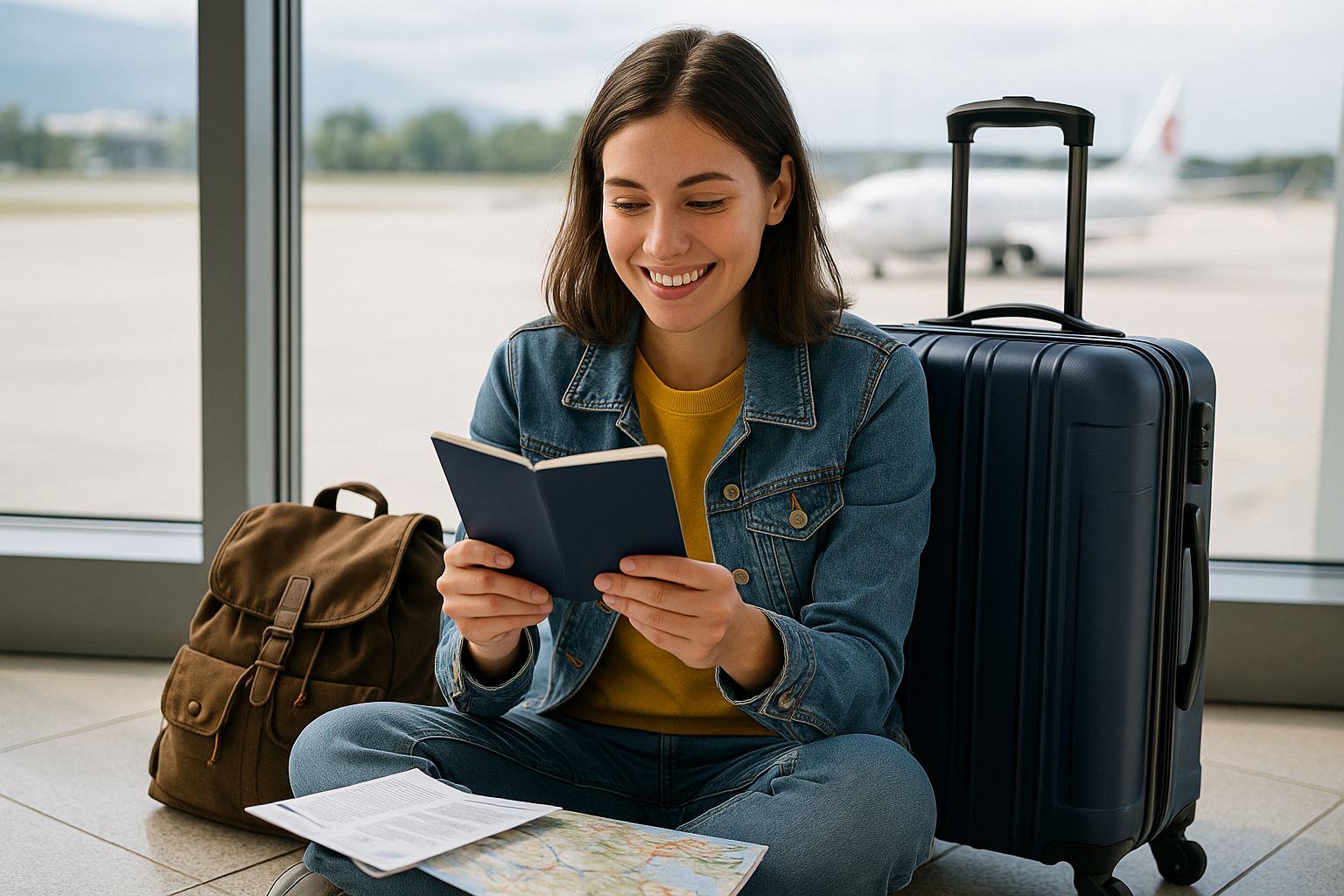
First-Time International Travel: Everything You Need to Know (But Were Too Nervous to Ask)
First-time international travel can feel like standing at the edge of something enormous — exciting, yes, but also a little terrifying. What if you forget something important? What if you get lost? What if everything goes wrong? Here’s the truth: almost every experienced traveler has asked themselves the exact same questions before their first trip abroad. The nerves are normal. And they don’t have to stop you.
This guide covers everything you actually need to know before your first international trip — from paperwork and packing to staying safe, managing money, and handling the unexpected. Whether you’re planning your very first trip abroad or finally turning that dream destination into a real booking, you’ll find honest, practical advice here. No jargon. No fluff. Just the stuff that actually helps you stop overthinking and start going.
What to Expect on Your First International Trip
Let’s be real: your first time traveling internationally will probably not go exactly as planned. Flights get delayed. You’ll take a wrong turn. You’ll order something off a menu without fully knowing what it is. And most of the time? Those are the moments you’ll remember most fondly.
What first-time international travelers often don’t expect is how quickly the nerves turn into confidence. Once you’ve navigated your first foreign airport, figured out a new transit system, or had a conversation with a local using a mix of broken phrases and hand gestures, something shifts. You realize you can do this. And that feeling is worth every bit of the preparation it takes to get there.
So before we get into the practical stuff, know this: you don’t need to be an experienced traveler to travel internationally for the first time. You just need to show up.
How to Plan Your First International Trip Step by Step
Planning your first international trip doesn’t have to be overwhelming. Breaking it down into clear stages makes the whole thing feel manageable — and even fun.
1. Set Your Budget Early
Before you pick a destination or book anything, figure out how much you can realistically spend. Factor in flights, accommodation, food, transport, activities, travel insurance, and a buffer for the unexpected. Having a number in mind shapes every decision that follows.
2. Choose the Right Destination for Your First Trip Abroad
Not all destinations are equally beginner-friendly, and that’s worth thinking about before you book. If this is your very first time traveling internationally, you might want to start somewhere with good tourist infrastructure, English widely spoken, and straightforward entry requirements. That doesn’t mean playing it safe — it just means setting yourself up to enjoy the experience rather than spending most of it stressed.
Some popular first international trips for young travelers include:
- Portugal — affordable, welcoming, and endlessly charming. Lisbon and Porto are vibrant cities with a strong backpacker community.
- Japan — incredibly safe, efficient, and unlike anywhere else on earth. The culture shock is real, but it’s the good kind.
- Mexico — diverse, colorful, and full of authentic experiences beyond the resort towns. Easy to reach from the US and Canada.
- Thailand — a classic first trip for a reason. Great food, stunning landscapes, and a well-worn backpacker trail that makes it easy to meet other travelers.
- Ireland or the UK — if language barriers feel daunting, these are great places to ease into international travel while still feeling genuinely abroad.
Wherever you go, choose a destination that genuinely excites you. Curiosity is the best travel companion you can have.
3. Book Flights and Accommodation First
Once you know where you’re going and roughly when, lock in your flights. Use flexible date searches to find the best prices, and consider flying midweek — it’s often cheaper. For accommodation, hostels are a brilliant option for first-time international travelers: affordable, social, and full of people who are also figuring things out as they go. Book your first night or two in advance so you’re not scrambling when you land tired and jet-lagged.
4. Research Your Destination (But Don’t Over-Plan)
Get a feel for the local culture, transport options, currency, and any entry requirements specific to your nationality. Know the basics — how to get from the airport to your accommodation, what the local emergency number is, which neighborhoods to explore. Then leave room for spontaneity. Some of the best travel moments happen when you put the itinerary down and just wander.
5. Sort Your Documents and Health Prep
Passport, visa (if needed), travel insurance, vaccinations — handle all of this well in advance. Check the official travel advisory for your country and the destination’s entry requirements. Some vaccines need to be administered weeks before travel to be effective, so don’t leave health prep to the last minute.
6. Prepare for the Practical Stuff
Let your bank know you’re traveling. Download offline maps and translation apps. Sort out your phone plan. Pack your bag — and then take a few things out. You’re ready.
Sort Your Documents Before Anything Else
Your passport is the most important thing you own when traveling internationally. Most countries require your passport to be valid for at least six months beyond your travel dates, so check the expiry date now — not the night before your flight. If you need to apply or renew, processing times can take several weeks, sometimes longer during busy periods. Don’t leave it to the last minute.
Visas are the next piece of the puzzle. Some countries let you arrive without one (visa-free travel), some offer a visa on arrival, and others require you to apply in advance. The rules depend entirely on your nationality and your destination. Always check the official government travel advisory for your country — in the US, that’s the US Department of State’s travel information portal, which covers visa requirements, safety alerts, and entry rules by country.
Travel insurance is something a lot of first-timers skip, thinking it’s unnecessary. It isn’t. A good policy covers medical emergencies, trip cancellations, lost luggage, and more. Getting sick abroad without insurance can be genuinely expensive. The World Health Organization’s travel health advice is also worth checking for vaccination recommendations and health precautions specific to your destination.
Documents Checklist for First-Time International Travelers
- Valid passport (check the expiry date — six months minimum beyond your return date).
- Visa, if required for your destination and nationality.
- Travel insurance policy details saved digitally and printed.
- Flight and accommodation confirmations.
- Emergency contact numbers, including your country’s embassy or consulate abroad.
- Vaccination records, if required or recommended for your destination.
Pack Smart, Not Heavy
The golden rule of packing: bring less than you think you need. You will almost certainly buy things on the road, and carrying a heavy bag through airports, cobblestone streets, and hostel staircases is nobody’s idea of a good time.
- Choose a bag you can carry comfortably for 20 minutes straight.
- Pack versatile clothing that works across multiple outfits and climates.
- Always keep your passport, cards, and phone in your carry-on — never in checked luggage.
- Bring a universal power adapter and a portable charger.
- Leave room for things you’ll pick up along the way.
Research the climate of your destination before you pack. A trip to Southeast Asia in monsoon season calls for very different gear than a winter trip to Scandinavia. Layers are almost always a smart choice.
First-Time International Travel Packing Essentials
Beyond the basics, a few items consistently prove their worth on a first trip abroad. A lightweight day pack keeps your hands free while exploring. A door alarm or small padlock adds peace of mind in shared accommodation. A reusable water bottle with a filter saves money and reduces plastic waste in destinations where tap water isn’t safe to drink. And a physical notebook — yes, an actual notebook — is surprisingly useful for jotting down addresses, recommendations from locals, and moments you don’t want to forget.
👉 Read also: First Trip Abroad: The Complete Checklist for Young Travelers (Without the Overwhelm)
Money, Phones, and Staying Connected
Before you leave, let your bank know you’re traveling internationally. Otherwise, they may freeze your card when they see unexpected transactions abroad. It happens more than you’d think.
For spending money, a combination of a travel-friendly debit or credit card (with low foreign transaction fees) and a small amount of local cash works well in most places. Avoid exchanging currency at airports if you can — the rates are usually poor. Local ATMs or banks typically offer much better deals.
For your phone, check whether your current plan includes international data or whether you need to buy a local SIM card on arrival. Many destinations make this incredibly easy and affordable. Apps like WhatsApp, Google Maps (downloaded offline), and Google Translate are worth having before you land.
Budgeting for Your First International Trip
One of the biggest worries for first-time international travelers is money — specifically, running out of it. A little planning goes a long way here.
Start by researching the average daily cost of travel in your destination. Some countries are genuinely affordable (Southeast Asia, Eastern Europe, parts of Latin America), while others require a bigger budget (Scandinavia, Switzerland, Japan’s cities). Knowing what to expect helps you plan realistically rather than guess.
Build a rough daily budget that covers accommodation, food, transport, and activities — then add a buffer of around 15–20% for unexpected costs. Things come up. Having that cushion means a surprise expense doesn’t derail your whole trip.
Stay Safe Without Being Paranoid
Safety is important, but fear shouldn’t dominate your experience. Most places in the world are far safer than the headlines suggest. That said, a few simple habits go a long way.
- Keep digital copies of your passport and important documents saved in your email or cloud storage.
- Share your itinerary with someone you trust at home.
- Be aware of common tourist scams — overly friendly strangers offering unsolicited help, unofficial taxis, and distraction techniques in busy areas are worth knowing about.
- Trust your instincts. If something feels off, walk away.
- Research local customs before you arrive. Dress codes, tipping etiquette, and social norms vary enormously between cultures — and a little awareness goes a long way toward genuine connection with locals.
If you’re part of the LGBTQ+ community or traveling with specific accessibility needs, research your destination carefully in advance. Laws and attitudes differ significantly between countries, and being informed helps you travel with both freedom and confidence.
Solo vs. Group Travel for First-Timers
Traveling solo for the first time internationally can feel daunting, but it’s also one of the most rewarding things you can do. You move at your own pace, make your own choices, and meet people in a way that’s harder when you’re already in a group. Hostels, group tours, and travel communities make it easy to connect with other travelers wherever you go.
If solo travel feels like too much for a first trip, that’s completely fine. Traveling with a friend or joining an organized group trip is a great way to build confidence before you eventually strike out on your own.
Navigating Airports and Borders for the First Time
International airports can feel overwhelming when you don’t know what to expect. Here’s a quick breakdown of what the process usually looks like so you can walk through it with confidence.
Departing: Arrive early — at least two to three hours before an international flight. Check in, drop your bags if you have them, and head through security. Keep your liquids in a clear bag and your laptop accessible. Once you’re through, find your gate and give yourself time to relax before boarding.
Arriving: Follow the signs for immigration or passport control. Have your passport and any arrival forms ready. After clearing immigration, collect your checked luggage (if you have any) and head through customs. Most of the time, this is straightforward — just be honest on any declaration forms.
Connecting flights: If you have a layover, check whether you need to clear customs and re-check your bags. This depends on the country and the airline. When in doubt, ask airport staff — they’re there to help.
What to Do If Something Goes Wrong
Things go sideways sometimes. A missed connection, a lost bag, a booking that doesn’t exist when you arrive — these situations feel catastrophic in the moment and make for great stories later. The key is knowing what to do before panic sets in.
If your flight is cancelled or significantly delayed, go straight to the airline desk rather than waiting for an announcement. Airlines are often required to rebook you or provide compensation — but you have to ask. If your bag doesn’t arrive, file a lost luggage report with the airline before you leave the airport. If your passport is lost or stolen, contact your country’s nearest embassy or consulate immediately — they exist precisely for situations like this. And if you’re ever in a genuine emergency, know the local emergency number for your destination before you land. It’s not always 911.
Understanding Culture Shock (And Why It’s Actually a Good Sign)
Culture shock is one of those things nobody warns you about enough before your first international trip. One moment you’re thrilled by everything around you — the food, the sounds, the way people move through the streets. The next, you feel exhausted, a little disoriented, and quietly desperate for something familiar.
That’s culture shock. And it’s completely normal.
It usually moves through a few stages: the initial excitement of arrival, a dip where differences feel overwhelming, and then a gradual adjustment as the new place starts to feel less foreign and more like somewhere you actually belong. Most first-time international travelers hit that dip somewhere in the first week. The key is to recognize it for what it is — not a sign that you made the wrong choice, but a sign that you’re genuinely immersing yourself in something new.
A few things that help: get outside and walk, eat where the locals eat, say yes to small conversations, and give yourself permission to have a slow day when you need one. The adjustment comes. And when it does, the experience on the other side of it is worth everything.
👉 Read also: Solo Travel Safety: Real Talk About Staying Smart Without Staying Scared
Handling Homesickness and Jet Lag
Homesickness is real, and it doesn’t mean you made the wrong decision by going. It usually hits hardest in the first few days, before you’ve found your rhythm. Staying in touch with people at home helps, but try not to spend your whole trip on your phone — you’re there to experience something new.
Jet lag is your body adjusting to a new time zone. The best approach is to get onto local time as quickly as possible. Stay awake until a reasonable local bedtime on your first night, get some sunlight during the day, and be patient with yourself. It usually passes within a couple of days.
The discomfort of adjustment — whether it’s jet lag, culture shock, or simply missing home — is part of the process. It’s also temporary. And on the other side of it is the version of you that figured it out.
The Questions Every First-Time International Traveler Is Too Nervous to Ask
There’s a whole category of questions that feel too basic to ask out loud — but everyone has them. Here are the honest answers to the ones that come up most often.
Do I need to speak the local language?
No. But learning a handful of words — hello, thank you, please, excuse me — makes a real difference. People appreciate the effort, even when your pronunciation is off. Translation apps handle the rest.
Is it safe to travel alone as a young person?
Yes, for the vast majority of destinations. Millions of young people travel solo every year and have incredible experiences. The key is doing a bit of research beforehand, trusting your instincts, and staying aware of your surroundings — the same things you’d do anywhere.
What if I can’t afford it?
International travel is more accessible than most people assume. Choosing affordable destinations, traveling in the shoulder season, staying in hostels, and eating where locals eat can bring costs down dramatically. It’s less about how much money you have and more about how you use it.
What if I get sick abroad?
This is exactly why travel insurance matters. A good policy covers medical treatment abroad, so you’re not paying out of pocket for something unexpected. Before you travel, check whether your destination has any recommended vaccinations and carry a small first-aid kit for minor issues.
How do I make friends when I’m traveling alone?
Stay in hostels. Join a free walking tour. Sign up for a day trip or cooking class. Say yes when someone at the hostel asks if you want to grab food. The travel community is genuinely welcoming — most people are in the same boat and happy to connect.
What’s the biggest mistake first-time international travelers make?
Over-planning. Trying to see everything, visit every landmark, and optimize every hour leaves no room for the spontaneous moments that actually define a trip. Build a loose framework, then let the journey surprise you.
Making the Most of Your First International Experience
The logistics matter, but they’re not the point. The point is what happens when you actually get there — the street food you try on a whim, the viewpoint you stumble onto after taking a wrong turn, the people you meet in a hostel common room who end up becoming travel companions for a week. First-time international travel has a way of delivering moments you couldn’t have planned if you tried.
A few habits that help you get the most out of any first trip abroad:
- Eat where the locals eat. Skip the tourist menus near the main attractions. Walk a few streets further and look for places packed with people who actually live there. The food will be better and cheaper, and you’ll get a more authentic feel for the place.
- Learn a few words of the local language. Even just hello, thank you, and please in the local language opens doors. People notice the effort, and it changes the energy of an interaction completely.
- Say yes more than you say no. To the detour. To the invitation. To the thing that wasn’t in your plan. Some of the best travel memories start with a spontaneous decision.
- Put your phone down occasionally. Document your trip, share it, enjoy it — but also just be in it. The most vivid memories are the ones you were fully present for.
- Talk to strangers (the right way). Ask your hostel dorm neighbor where they’ve been. Chat to the person running the market stall. Strike up a conversation with a local at a café. Travel is one of the few contexts where talking to someone you’ve never met before is not just acceptable — it’s how the best experiences begin.
- Keep a record of the small things. The name of the dish you loved. The street where you got completely lost. The view from the window of a train you almost missed. The big moments take care of themselves. It’s the small details that fade fastest and matter most when you look back.
You’re More Ready Than You Think
Here’s the thing about first-time international travel: there’s no perfect moment of readiness. There’s no checklist you can complete that will make the uncertainty disappear entirely. At some point, you just go — and then you figure it out as you go, the way every traveler before you has done.
The nerves you’re feeling right now? They’re not a warning sign. They’re excitement in disguise. And on the other side of them is a version of you that’s navigated a foreign airport, ordered food in a language you barely speak, gotten wonderfully lost in a city you’d only ever seen in photos, and come home with stories you’ll be telling for years.
Your first international trip is waiting. The only thing left to do is book it.
Frequently Asked Questions: First-Time International Travel
How far in advance should I plan my first international trip?
Ideally, three to six months ahead — especially if you need a visa or vaccinations. That said, plenty of trips come together in a matter of weeks. The earlier you start, the more flexibility you’ll have on flights and accommodation prices.
What’s the best destination for a first international trip?
It depends on where you’re coming from and what kind of experience you’re after. Portugal, Thailand, Mexico, Japan, and Ireland consistently rank among the most welcoming and accessible destinations for first-time international travelers. The best destination is ultimately the one that genuinely excites you.
Do I need travel insurance for an international trip?
Yes. It’s one of the most important things you can buy before traveling abroad. Medical treatment in a foreign country can be extremely expensive without coverage. A solid travel insurance policy also protects you against cancellations, lost luggage, and other unexpected situations.
How much money do I need for my first international trip?
It varies enormously by destination and travel style. Budget travelers can get by on $40–$60 per day in affordable destinations like Southeast Asia or Eastern Europe. Western Europe, Japan, and Scandinavia typically require $100–$150 or more per day. Research your specific destination and build your budget from there.
Is it safe to use ATMs abroad?
Generally yes, as long as you use ATMs attached to reputable banks rather than standalone machines in tourist areas. Let your bank know you’re traveling beforehand, and check whether your card charges foreign transaction fees — some travel-specific cards waive these entirely.
What should I do if I lose my passport abroad?
Contact your country’s nearest embassy or consulate immediately. They can issue an emergency travel document to get you home. This is also why keeping a digital copy of your passport in your email or cloud storage is so important — it speeds up the replacement process significantly.
This article was produced with AI assistance and reviewed editorially.


Planning Your First Solo Trip: A Step-by-Step Blueprint for Unforgettable Travel

Teaching English Abroad in 2026: Top Countries, Visa Requirements & Real Salaries


