
Roaming Around the World
First Trip Abroad: The Complete Checklist for Young Travelers (Without the Overwhelm)
Planning your first trip abroad? This complete checklist covers visas, travel insurance, packing, budgeting, and staying safe — so you can focus on the adventure.

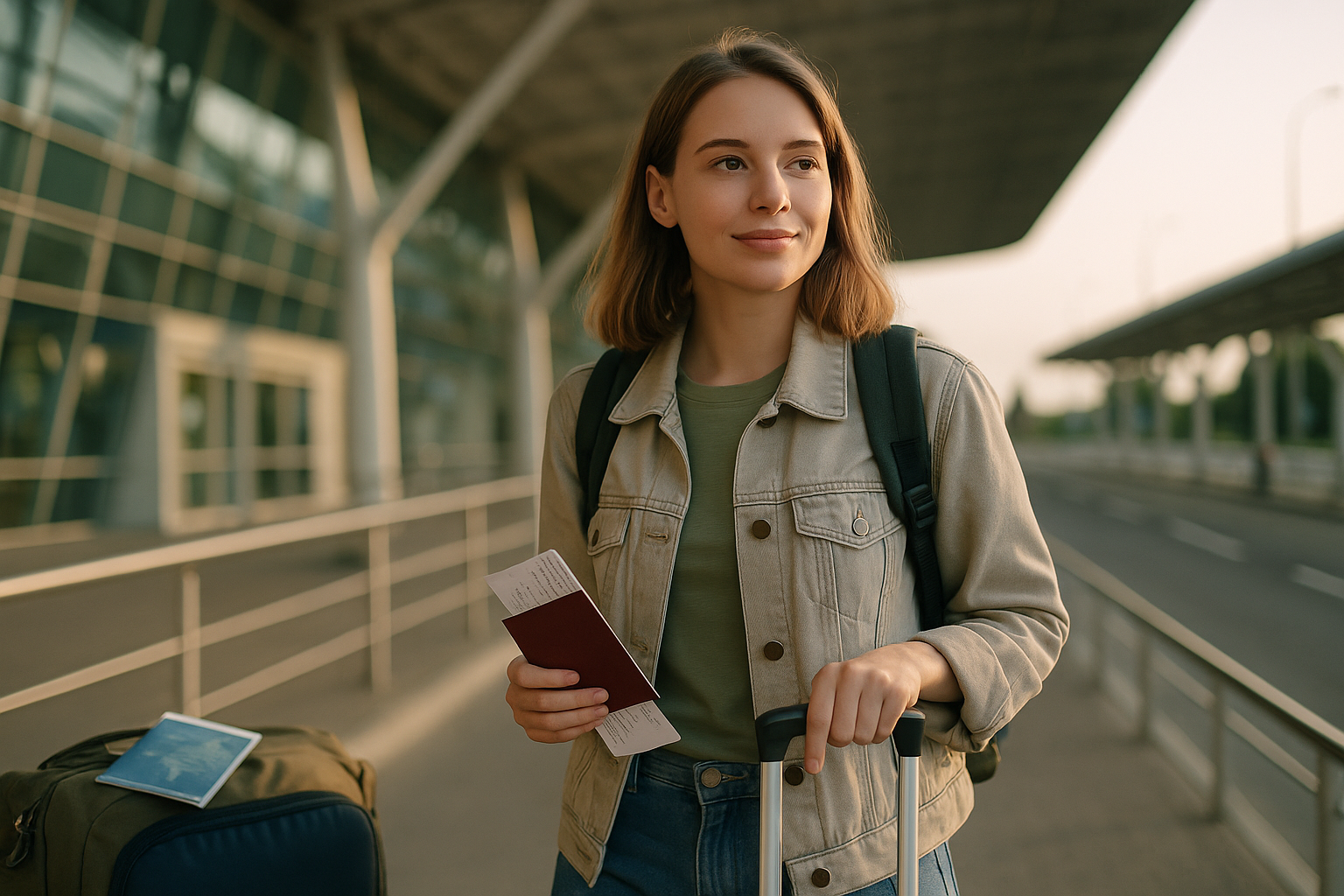
First Trip Abroad: The Complete Checklist for Young Travelers (Without the Overwhelm)
Your first trip abroad is one of those experiences you’ll be talking about for years — the moment everything shifts and the world suddenly feels bigger, more accessible, and endlessly worth exploring. You land somewhere new, hear a language you don’t fully understand, smell food you’ve never tried, and realize: this is it. This is why people travel.
But let’s be honest — the planning part can feel like a lot. Visas, vaccinations, travel insurance, packing lists, currency exchange… where do you even start?
Right here. This guide breaks your first international trip down into clear, manageable steps so you can spend less time stressing and more time actually living the adventure waiting on the other side of that flight.
How to Plan Your First Trip Abroad: Step by Step
Whether you’re heading to Southeast Asia on a shoestring, backpacking through Europe, or crossing into a neighboring country for the first time, the fundamentals are the same. Get these right and everything else falls into place.
1. Choose Your Destination Wisely
For a first trip abroad, picking the right destination makes a real difference. You don’t need to go easy on yourself — but it helps to choose somewhere that matches your comfort level, budget, and travel style.
Think about what kind of experience you’re after. Do you want to wander through ancient cities, lie on a beach, hike through national parks, or lose yourself in a buzzing urban food scene? Your destination should reflect what genuinely excites you — not just what looks good on someone else’s feed.
Also consider practical factors: flight costs, visa requirements, local cost of living, and how easy it is to get around independently. Countries with strong backpacker infrastructure — like Thailand, Portugal, Colombia, or Japan — tend to be more forgiving for first-timers, with plenty of community, clear transport links, and lots of other travelers to connect with.
2. Sort Your Documents Before Anything Else
The first thing to figure out is whether you need a visa. This depends entirely on your passport and your destination, so don’t assume. Some countries offer visa-free entry or visa-on-arrival for certain nationalities; others require you to apply weeks or even months in advance.
Start by checking your government’s official travel advisory website — in the US, that’s the U.S. Department of State’s travel portal, which covers entry requirements, safety ratings, and embassy contacts for every country. UK travelers can use the equivalent Foreign Travel Advice from the UK Government.
- Check your passport expiry date — many countries require at least six months of validity beyond your travel dates.
- Make two physical copies of your passport, visa, and travel insurance documents.
- Store digital copies in a secure cloud folder you can access from anywhere.
- Note the address and phone number of your country’s embassy at your destination.
Sorting this early removes a huge source of stress and gives you a clear timeline to work with.
3. Set a Realistic Budget
One of the most important things you can do before your first international trip is get clear on your budget — and build it properly. That means accounting for flights, accommodation, food, transport, activities, travel insurance, and a buffer for the unexpected.
Research the average daily cost of living in your destination. Some cities are surprisingly affordable; others will drain your account faster than you expect. Websites like Numbeo give you real data on local prices so you can plan accurately rather than guessing.
Hidden costs catch a lot of first-time travelers off guard: city taxes on accommodation, tourist entry fees, tipping culture, and transport from the airport. Build a small buffer into your budget for these from the start — around 10 to 15% extra is a sensible cushion.
👉 Read also: First-Time International Travel: Everything You Need to Know (But Were Too Nervous to Ask)
Health Prep: Don’t Skip This Step
Depending on where you’re headed, some destinations require proof of vaccination or recommend specific health precautions. Yellow fever certificates, for instance, are mandatory for entry into several countries in Africa and South America.
Visit a travel health clinic or your doctor at least four to six weeks before departure. They’ll advise on destination-specific vaccinations, malaria prevention if needed, and any medications worth packing. It’s also a good moment to get a small travel health kit together — think rehydration sachets, pain relief, antihistamines, and any prescription medication with enough supply to last your trip plus a few extra days.
Travel Insurance: The One Thing You Shouldn’t Skip
Travel insurance feels like one of those things you buy and hope you never use. But on your first trip abroad especially, it’s non-negotiable. Medical treatment abroad can be extraordinarily expensive, and a cancelled flight or lost luggage can throw your whole budget off.
Look for a policy that covers:
- Emergency medical treatment and evacuation
- Trip cancellation and interruption
- Lost, stolen, or delayed baggage
- Adventure activities if you’re planning anything active
Read the fine print. Some policies exclude pre-existing conditions or certain activities, so make sure your coverage actually matches your trip.
Managing Money Abroad
One of the most common first-timer mistakes is not thinking about money until you’re already at the airport. Here’s how to handle it smarter.
First, notify your bank before you travel. Without this, your card can get flagged and blocked the moment you try to use it overseas. Better yet, consider getting a travel-friendly debit card — many fintech options offer zero foreign transaction fees and real exchange rates, which can save you a noticeable amount over the course of a trip.
- Avoid airport currency exchange booths — their rates are typically the worst you’ll find.
- Withdraw local cash from ATMs in the destination country when possible.
- Keep a small emergency cash reserve separate from your main wallet.
- Set a daily spending budget and track it — even roughly.
Packing Smart (Not Heavy)
The golden rule: pack what you think you need, then remove a third of it. You will not wear everything. You will find things you need when you’re there. And you will absolutely not want to lug a massive suitcase up four flights of stairs in a hostel with no lift.
Check your airline’s baggage allowance carefully — budget carriers especially are strict, and fees for oversized bags are painful. Stick to versatile, lightweight clothing that can be layered and mixed. Pack a portable charger, a universal adapter, and a small padlock for hostel lockers.
One thing worth keeping in your carry-on: a change of clothes, your valuables, and any medication. Checked luggage does occasionally get delayed, and you’ll be glad you planned for it.
First Trip Abroad Packing Essentials
- Documents: passport, visa, insurance policy, emergency contacts
- Tech: universal power adapter, portable charger, earphones
- Health: travel health kit, prescription meds, hand sanitizer
- Money: travel card, some local cash, backup card stored separately
- Clothing: versatile layers, one smart outfit, comfortable walking shoes
- Extras: padlock, reusable water bottle, small daypack
Staying Safe Without Overthinking It
Safety is worth thinking about, but it shouldn’t dominate your mindset. Most places are far safer than headlines suggest, and a little situational awareness goes a long way.
Before you go, share your itinerary with someone at home. Check in regularly. Keep your phone charged and have offline maps downloaded — apps like Maps.me work without data. Be mindful of your surroundings in busy tourist areas where pickpocketing is more common, and trust your instincts if something feels off.
Digital security matters too. Use a VPN on public Wi-Fi, avoid accessing banking apps on unsecured networks, and consider setting up two-factor authentication on your important accounts before you leave.
👉 Read also: Solo Travel Safety: Real Talk About Staying Smart Without Staying Scared
Making the Most of Your First International Trip
The logistics matter — but they’re not the point. The point is what happens when you step outside the airport and into somewhere completely new. Here’s how to make the experience count.
Go Beyond the Tourist Trail
The most memorable moments rarely happen at the most photographed spots. Eat where locals eat. Take a bus instead of a taxi. Wander down a side street with no particular destination. Ask your hostel staff or guesthouse host where they’d actually go on a day off — their answers will take you somewhere worth finding.
Connect With Other Travelers
One of the unexpected gifts of traveling abroad for the first time is the community you stumble into. Hostels, group tours, language exchange meetups, local events — there are people everywhere who are just as curious and open as you are. Some of the friendships you make on the road will outlast the trip itself.
Leave Room for the Unexpected
Don’t schedule every hour. Some of the best memories from any first trip abroad come from wandering without a plan and seeing where the day takes you. A packed itinerary can start to feel like a checklist rather than an adventure. Build in breathing room — a free afternoon, a slow morning, a spontaneous detour.
The Mental Side of Your First Trip Abroad
Nobody talks enough about the emotional side of international travel. Your first trip abroad can bring up a surprising mix of excitement and anxiety — sometimes in the same hour. That’s completely normal.
Culture shock is real. So is homesickness, even on a trip you’re genuinely loving. Give yourself permission to feel both without letting either derail the experience. Build some unplanned time into your itinerary — not every hour needs to be scheduled. Some of the best memories come from wandering without a plan and seeing where the day takes you.
And if you’re traveling solo for the first time, know this: it’s one of the most confidence-building things you can do. You’ll figure things out, meet people along the way, and come home knowing yourself a little better than before.
Frequently Asked Questions: First Trip Abroad
How far in advance should I start planning my first trip abroad?
Ideally, start at least two to three months before your departure date. This gives you time to sort your visa, book flights at better prices, get any vaccinations, and arrange travel insurance without rushing. If you’re visiting a popular destination during peak season, booking earlier is even smarter.
Do I need travel insurance for my first international trip?
Yes — genuinely. Medical costs abroad can be significant, and travel insurance also covers trip cancellations, lost luggage, and emergency evacuations. It’s one of the most important things you can sort before you go, and it’s usually more affordable than people expect.
What’s the best destination for a first trip abroad?
There’s no single answer — it depends on your budget, interests, and where you’re traveling from. That said, destinations with strong traveler infrastructure, affordable costs, and welcoming local culture tend to work well for first-timers. Think Thailand, Portugal, Mexico, Japan, or Colombia. The best first trip abroad is the one that genuinely excites you.
Is it safe to travel abroad alone for the first time?
Solo travel is one of the most rewarding things you can do, and millions of young travelers do it every year. Stay aware of your surroundings, share your itinerary with someone at home, trust your instincts, and connect with other travelers along the way. The world is far more welcoming than it can seem from a distance.
How much money do I need for my first trip abroad?
It depends entirely on your destination and travel style. Budget travelers in Southeast Asia can get by on $30 to $50 a day; Western Europe will cost significantly more. Research your specific destination, factor in all your costs (including flights and insurance), and add a 10 to 15% buffer for unexpected expenses.
You’re More Ready Than You Think
Planning your first trip abroad doesn’t have to feel overwhelming — it just needs a clear starting point. Choose a destination that excites you, sort your documents early, get your health prep done, protect yourself with insurance, think ahead about money, and pack light. Beyond that, stay curious, stay aware, and leave room for the unexpected.
The world is genuinely worth exploring. And there’s no better time to start than now. Your first story abroad is waiting to be written.
This article was produced with AI assistance and reviewed editorially.


Sri Lanka by Backpack: The Route, Costs, and Unmissable Stops

Uzbekistan’s Silk Road Cities: Samarkand & Bukhara in 2026


