
Safety Zone
Solo Travel Safety: Real Talk About Staying Smart Without Staying Scared
Everything you need to know about solo travel safety — from pre-trip prep and on-the-ground awareness to digital security, the safest destinations, and building real confidence as a solo traveler.

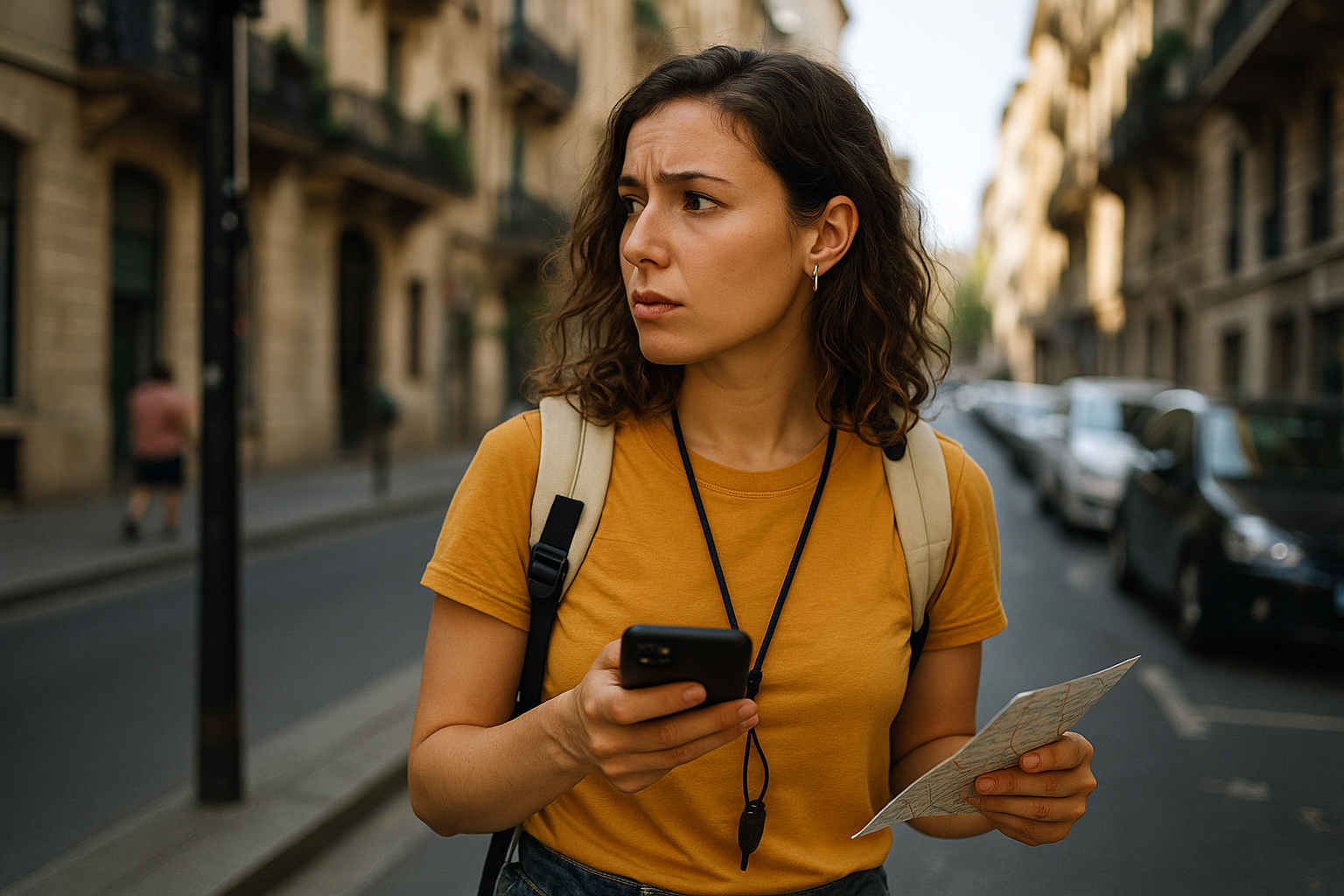
Solo Travel Safety: Real Talk About Staying Smart Without Staying Scared
Solo travel safety is one of the most searched topics among first-time travelers — and honestly, it deserves more than a generic checklist. Because the real conversation isn’t about whether solo travel is dangerous. It’s about understanding the difference between actual risk and the fear that keeps too many people from ever booking that first flight.
Millions of people travel alone every year. They wander through unfamiliar cities, take overnight trains, stay in hostels full of strangers, and come home with the kind of stories you can’t manufacture. Most of them encounter zero emergencies. What they do encounter is discomfort, uncertainty, and the occasional moment where something feels off. That’s not danger — that’s growth.
But let’s be honest. Risk is real. And being smart about it makes the whole experience better. This guide covers everything you need to travel solo safely — from pre-trip prep and on-the-ground awareness to digital security and building long-term confidence as a solo traveler. Whether you’re planning your very first solo adventure or looking to sharpen habits you already have, this is the honest, practical breakdown you’ve been looking for.
What Does Solo Travel Safety Actually Mean?
Solo travel safety isn’t about avoiding every uncomfortable situation. It’s about making informed decisions so you can explore freely — and come home with great stories instead of regrets. Think of it as a mindset, not a rulebook. The safest solo travelers aren’t the ones who stay in their hotel rooms. They’re the ones who prepare well, stay curious, and know when to trust their instincts.
There are four core areas worth focusing on: preparation before you leave, situational awareness on the ground, digital security, and building confidence over time. Get those right and you’ve covered the vast majority of what solo travel safety actually involves.
How Safe Is Solo Travel, Really?
This is the question everyone wants answered before they commit to going alone — and it deserves a straight answer. Solo travel is, for the overwhelming majority of people, genuinely safe. That’s not blind optimism; it’s backed by the sheer number of solo travelers who explore the world every single year without serious incident.
What makes solo travel feel risky is often the unfamiliarity of it. New cities, new languages, new social dynamics. Your brain flags the unknown as a potential threat — which is useful, but it can also be misleading. The goal of solo travel safety isn’t to eliminate that feeling. It’s to learn the difference between a genuine red flag and ordinary first-time nerves.
The risks that do exist — petty theft, scams, getting lost, transport issues — are real but manageable. And almost all of them become significantly less likely when you prepare well, stay aware, and connect with the right communities before and during your trip.
Before You Go: The Prep That Actually Matters
Good solo travel safety starts before you leave your front door. Not with paranoia, but with preparation.
Share your itinerary with someone you trust — a friend, a family member, anyone who knows roughly where you’ll be and when. You don’t need to check in every hour, but someone should know your general plan. It’s a simple habit that costs nothing and matters a lot if something goes sideways.
Research your destination beyond the highlights. Understand local customs, common scams targeting tourists, and which neighborhoods are best avoided at night. The UN World Tourism Organization publishes destination data that can give you a broader picture of travel trends and safety contexts by region. Local travel forums and communities are equally valuable — real experiences from people who’ve actually been there beat any guidebook.
- Save emergency contacts locally on your phone, not just in the cloud
- Photograph your passport, insurance documents, and bank cards
- Know the address of your country’s nearest embassy or consulate
- Download offline maps so you’re never dependent on mobile data
- Get travel insurance that covers medical emergencies, trip cancellations, and theft — it’s one of the smartest investments you’ll make
Register With Your Embassy Before You Travel
Many countries offer free traveler registration programs — like the US STEP program or the UK’s FCDO travel registration — that alert your government if there’s an emergency in your destination. It takes five minutes and could make a real difference. Look up your country’s equivalent and sign up before you fly.
Research Scams Before You Arrive
Every popular destination has its own set of tourist-targeted scams, and knowing them in advance is one of the most underrated solo travel safety tips out there. A quick search for “common scams in [destination]” on travel forums like Reddit’s r/solotravel or TripAdvisor will give you honest, up-to-date accounts from people who’ve been there recently. Forewarned is forearmed — and you’ll feel a lot more confident navigating a new city when you already know what to watch out for.
Pack a Solo Travel Safety Kit
Beyond documents and apps, a few physical items are worth throwing in your bag before you head out. A small padlock for hostel lockers, a doorstop alarm for extra room security, a portable charger so your phone never dies at the wrong moment, and a basic first-aid kit. None of these take up much space, but each one has saved a solo traveler from a stressful situation at some point. Small preparation, big peace of mind.
On the Ground: Awareness Without Anxiety
Situational awareness sounds intense, but it’s really just paying attention. Put your phone away when you’re walking through a new area. Notice who’s around you. Learn the rhythm of a place before you fully relax into it.
One of the most underrated tools in solo travel safety is simply blending in. Loud conversations about your hotel, waving expensive gear around, or looking visibly lost in the middle of a busy square can attract the wrong kind of attention. Walk with purpose, even when you’re figuring out where you’re going.
👉 Read also: First-Time International Travel: Everything You Need to Know (But Were Too Nervous to Ask)
Connect with locals and other travelers early. Hostel common rooms, local cafés, walking tours — these are places where you build your informal network fast. Other solo travelers are often the best source of current, on-the-ground information. Someone who arrived two days before you already knows which street to avoid and which street food vendor is worth the queue.
Trust your gut — but also interrogate it. Psychological research consistently supports the idea that intuition is a real form of threat detection, shaped by pattern recognition your brain processes faster than conscious thought. If something feels wrong, take it seriously. But also ask yourself: is this discomfort because something is genuinely off, or because this is simply new and unfamiliar? Those are different things, and learning to tell them apart is part of becoming a confident traveler.
Solo Travel Safety Tips for Getting Around
Transport is where a lot of solo travelers feel most exposed — especially at night or in an unfamiliar city. A few habits make a big difference:
- Use official taxis or verified ride-hailing apps rather than accepting rides from strangers
- Sit near the driver or in a visible carriage on overnight trains
- Share your live location with a trusted contact when taking long journeys alone
- Avoid arriving in a new city very late at night if you can help it — daylight orientation is always easier
- Keep a small amount of local cash separate from your main wallet for emergencies
Accommodation Safety: What to Look For
Where you sleep matters. Read recent reviews specifically mentioning safety and location — not just vibes and breakfast quality. When you check in, note where the emergency exits are. Lock your valuables in a locker or in-room safe. And if something about your accommodation feels wrong when you arrive, trust that feeling. You can always find somewhere else to stay.
Hostels are generally safe and social, but it’s worth keeping your passport and cards on you or secured rather than loose in your bunk. A small padlock for your bag is one of the most useful things you can pack.
Staying Safe When You Meet New People
One of the best parts of solo travel is the people you meet. One of the things worth being thoughtful about is how quickly you trust them. Most people you encounter will be genuinely kind and curious — that’s the reality of traveling. But it’s smart to keep a few boundaries in place, especially early on.
Meet new people in public spaces first. Be vague about your accommodation until you’ve built some trust. If someone is pushing hard to change your plans or get you somewhere private quickly, that’s worth noticing. Solo travel safety in social situations is less about suspicion and more about staying in control of your own decisions.
How to Handle an Emergency Abroad
Even with the best preparation, unexpected situations happen. Knowing what to do in advance means you won’t have to figure it out in a panic. If you’re robbed, get yourself to a safe, public space first — then contact local police and file a report (you’ll need it for your insurance claim). If you have a medical emergency, call the local emergency number and contact your travel insurance provider as soon as you’re able. Keep a note of your insurance’s 24-hour helpline saved offline on your phone. And if things feel really serious, your country’s embassy or consulate is there to help — that’s literally part of what they do.
Digital Safety: The Risk You Can’t See
Physical awareness gets most of the attention, but digital vulnerability is just as real. Public WiFi in airports, cafés, and hostels is convenient and often unsecured. That means your data — passwords, banking details, personal messages — can potentially be exposed.
Use a VPN (Virtual Private Network) when connecting to public networks. Avoid accessing banking apps or entering card details on unsecured connections. Consider a travel-specific card with low foreign transaction fees and the ability to freeze instantly via an app. According to Interpol’s cybercrime resources, travelers are frequently targeted precisely because they’re distracted, in unfamiliar environments, and relying heavily on digital tools.
- Enable two-factor authentication on all key accounts before you travel
- Use a VPN on any public WiFi network
- Keep your phone’s Bluetooth off when you’re not using it
- Back up important files to a secure cloud service before departure
- Be cautious about what you share on social media in real time — posting your exact location while you’re still there can create unnecessary risk
Solo Travel Safety for Women and Marginalized Travelers
Solo travel safety isn’t a level playing field, and it’s worth saying that clearly. Your experience will vary depending on your gender, appearance, nationality, sexuality, and the cultural context of where you’re traveling. That’s not a reason to stay home — it’s a reason to research thoughtfully and connect with communities that reflect your experience.
Women traveling solo, LGBTQ+ travelers, and travelers of color often navigate additional layers of risk and visibility that generic safety guides don’t address. Seek out travel blogs, forums, and communities written by people with shared experiences — their advice is more relevant and more honest than a one-size-fits-all checklist. Organizations like Her Packing List and community-led travel groups on Reddit and Discord are good starting points.
Go in with realistic expectations rather than a filtered highlight reel. The world is worth exploring — and knowing what you’re actually navigating makes you a smarter, safer traveler.
Solo Travel Safety Tips Specifically for Women
Female solo travelers face specific challenges that deserve their own space in this conversation. Here’s what consistently makes a difference:
- Research cultural dress norms before you arrive — dressing in a way that respects local context reduces unwanted attention in many destinations without compromising who you are
- Book your first night’s accommodation in advance so you’re not figuring out where to sleep after a long journey
- Trust your instincts in social situations — if a conversation or invitation feels off, it probably is
- Connect with other female solo travelers online before your trip through communities like Solo Female Travelers on Facebook or r/solotravel on Reddit
- Consider a personal safety app like bSafe that lets a trusted contact track your location in real time
Most women who travel solo have genuinely incredible experiences. Awareness is your tool, not your limitation.
The Safest Destinations for Solo Travelers
Some destinations consistently make solo travel easier — better infrastructure, lower petty crime rates, welcoming locals, and well-established backpacker communities. That doesn’t mean other places aren’t worth visiting, but if you’re planning your first solo trip, starting somewhere with a strong solo-traveler track record makes sense.
👉 Read also: Solo Travel in Southeast Asia: Finding Your People While Finding Yourself
Countries in Northern Europe — think Portugal, Iceland, and the Netherlands — regularly top safety indexes for solo travelers. Japan remains one of the most consistently safe destinations in the world, with low crime rates and an incredibly easy public transport network. New Zealand and Canada are also popular choices for first-time solo adventurers. In Southeast Asia, Thailand, Vietnam, and Bali have well-worn solo travel trails with huge communities of like-minded explorers.
That said, safety is never just about the country — it’s about the specific areas you visit, the time of year, and how well-prepared you are. Do your research at the city and neighborhood level, not just the national one.
Solo Travel Safety Apps Worth Downloading
Your phone can be one of your most powerful safety tools — if you’ve loaded it with the right apps before you leave. Here are a few worth having:
- Maps.me or Google Maps offline — download your destination’s map before you arrive so you can navigate without data
- bSafe or Noonlight — personal safety apps that let you share your location with trusted contacts and trigger an alert if you need help
- Your travel insurance app — most major providers have apps with 24/7 helplines and claim filing built in
- A VPN app — set it up before you travel so it’s ready to activate the moment you connect to public WiFi
- Splitwise or a similar expense tracker — less obvious, but keeping track of your spending helps you notice quickly if your card has been compromised
None of these replace good judgment, but they give you a solid digital safety net to fall back on.
Building Confidence Over Time
Nobody becomes a seasoned solo traveler overnight. Confidence builds through experience, and experience starts small. If you’ve never traveled alone before, you don’t need to begin with a six-week backpacking trip across Southeast Asia. Start with a weekend in a nearby city. Get comfortable navigating alone, eating alone, making decisions alone. Then build from there.
The solo travel community is genuinely one of the most supportive spaces in travel culture. Online groups, forums, and apps connect solo travelers who share routes, tips, and honest experiences. That community knowledge is invaluable — especially for first-timers trying to separate genuine risk from unfounded fear.
Your Solo Travel Safety Mindset: The Biggest Shift You Can Make
Here’s something experienced solo travelers will tell you: the biggest safety upgrade isn’t a gadget or an app. It’s your mindset. When you approach solo travel with curiosity instead of anxiety, you make better decisions. You notice more. You connect more easily with people who can help you. You recover faster when things don’t go to plan.
That doesn’t mean being naive. It means trusting that you’re capable of handling what comes up — because you’ve prepared, you’ve thought it through, and you know your own instincts are worth listening to. That combination of preparation and self-trust is what solo travel safety actually looks like in practice.
What Preparation Can and Can’t Do
Here’s the honest part: no amount of preparation eliminates all risk. Unexpected things happen. Plans fall apart. Occasionally, something genuinely difficult occurs. That’s true of life in general, not just travel.
What preparation does is reduce unnecessary risk, increase your ability to respond when things go wrong, and give you the confidence to handle the unexpected without panic. The goal isn’t to make solo travel feel completely safe — it’s to make you feel capable of handling whatever comes up.
And most of the time? What comes up is just life. A missed bus, a language barrier, a hostel that doesn’t quite match its photos. Small challenges that, in hindsight, become the moments you talk about most.
Frequently Asked Questions About Solo Travel Safety
Is solo travel safe for beginners?
Yes — with the right preparation. Most first-time solo travelers are surprised by how manageable it feels once they’re actually out there. Start with a destination that has strong tourist infrastructure, do your research in advance, and lean on the solo travel community for advice. The learning curve is real, but it’s also part of what makes the experience so rewarding.
What are the biggest solo travel safety risks?
The most common issues solo travelers face are petty theft, tourist-targeted scams, and transport problems — not violent crime. Staying aware of your surroundings, securing your valuables, and researching destination-specific scams before you arrive will significantly reduce your exposure to all three.
Do I need travel insurance for solo travel?
Absolutely. Travel insurance is one of the most important solo travel safety decisions you can make. A good policy covers medical emergencies, trip cancellations, lost luggage, and theft. Without it, a single unexpected event can turn into a serious financial problem. Compare policies before you book and make sure the coverage matches your trip.
How do I stay safe on public transport abroad?
Use official or verified services wherever possible. Keep your bag in front of you in crowded spaces. Share your live location with a trusted contact on long journeys. Avoid traveling very late at night in unfamiliar areas when you can help it. And always have a small amount of local cash on hand in case you need an alternative option quickly.
What should I do if I feel unsafe while traveling alone?
Trust that feeling and act on it. Move toward a busy, well-lit public space. If you’re in immediate danger, call the local emergency number. If you’ve been robbed or threatened, file a police report as soon as you’re safe — you’ll need it for insurance. And don’t hesitate to contact your country’s embassy or consulate if you need serious support. That’s exactly what they’re there for.
Is solo travel safe for women?
Yes — and millions of women do it every year with incredible results. That said, female solo travelers do navigate additional considerations depending on the destination. Research cultural norms, connect with communities like r/solotravel or Solo Female Travelers on Facebook, book your first night’s accommodation in advance, and use safety apps that let a trusted contact track your location. Awareness is your greatest asset, not a reason to hold back.
This article was produced with AI assistance and reviewed editorially.


Vietnam Uncovered: Beyond the Chaos, Into the Real Story

Beyond the Guidebook: What Hanoi Actually Feels Like


